Marine and Cargo Insurance
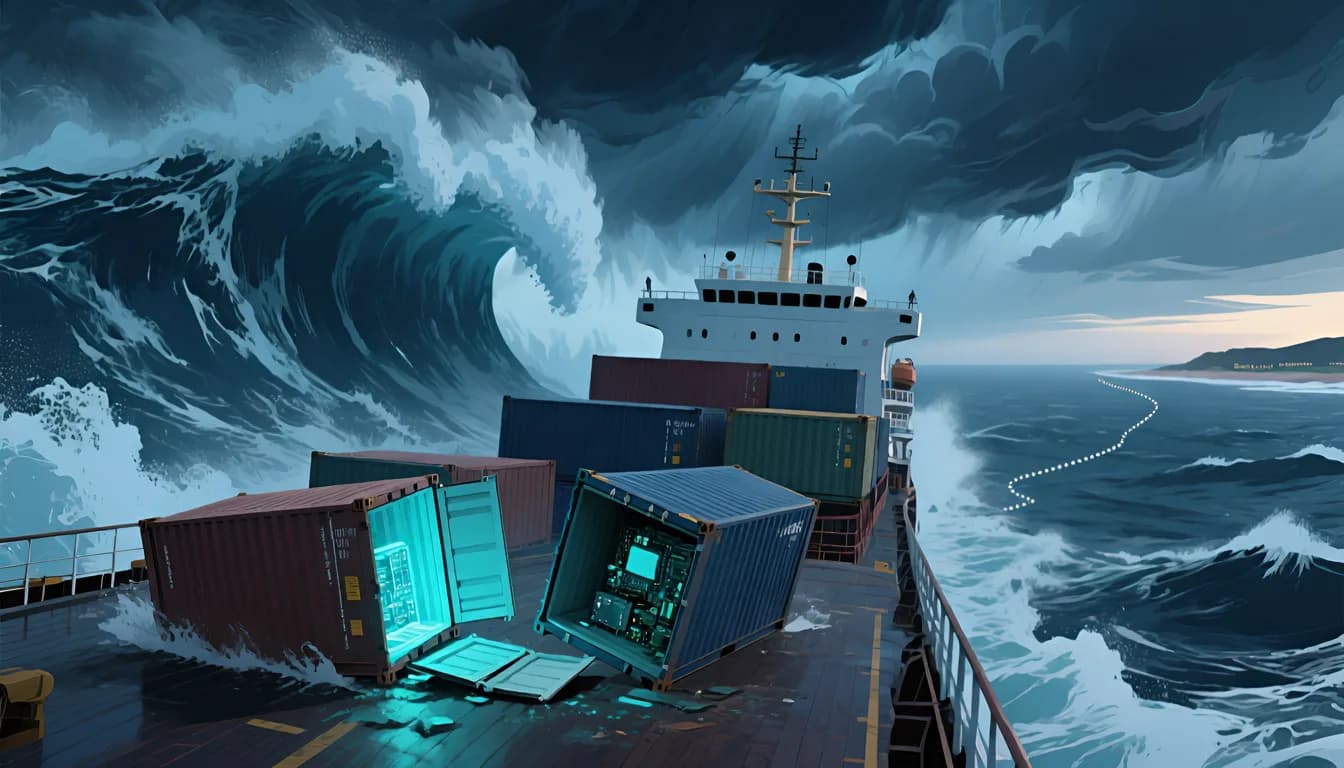
A container can clear a South African harbour under a perfect sky and be half lost to a storm two days later, and the importer who thought he was covered discovers his policy stopped at the dock. The storm did not. For South African businesses this is not a rare story, just a quiet one: every port, road, and airway hides risk large enough to sink a margin. The gap is usually a transit leg no one checked.
What is marine and cargo insurance in South Africa?
Marine and cargo insurance in South Africa protects goods in transit across water, land, or air against loss or damage from events outside the owner’s control, storms, collisions, fire, theft, and piracy. Despite the name, marine refers to any movement of goods, not only by sea. It covers the cargo and, in some forms, the vessel or vehicle carrying it.
Key Takeaways
- Marine and cargo insurance protects goods in transit across sea, land, and air, despite the historical name suggesting only ocean transport.
- It responds to loss or damage from events outside the owner’s control, such as storms, collisions, fire, theft, and piracy.
- A common and costly gap is cover that stops at one transit leg, leaving the ocean, road, or air portion of a journey unprotected.
- It underpins trade itself, since banks finance shipments and exporters sign deals on the assumption that cargo is insured.
- South Africa’s ports connect African trade routes to the world, which makes reliable cargo cover central to importers and exporters.
What Is Marine and Cargo Insurance?
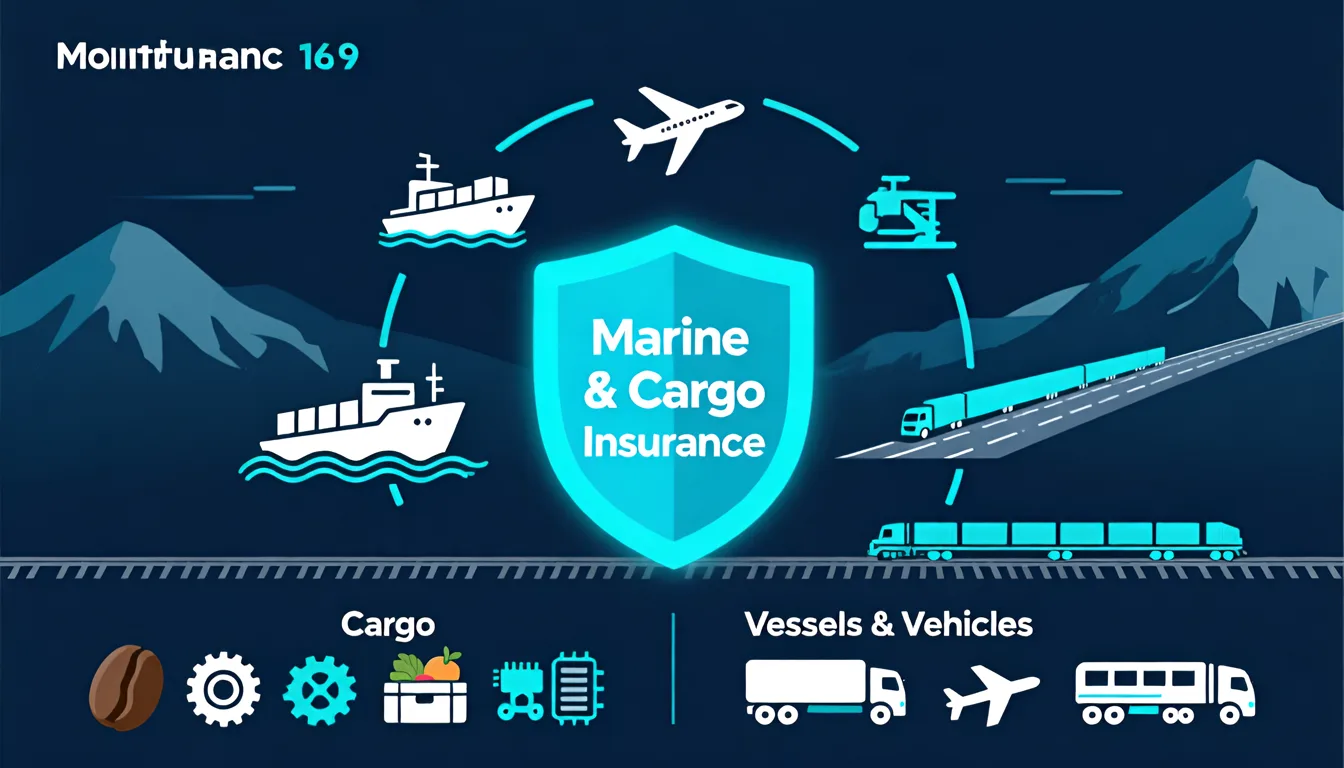
Marine and cargo insurance protects goods in transit. The term “marine” may sound old-fashioned, but it simply refers to any movement of goods across water, land, or air. It covers two main things:
- The cargo – everything from coffee beans and car parts to heavy machinery and chilled fruit.
- The vessel or vehicle – the ship, plane, truck, or train carrying those goods.
When a shipment is insured, the policy pays for loss or damage caused by events outside your control: storms, collisions, fire, theft, or even piracy. In short, it replaces what risk removes.
Marine insurance has ancient roots. Centuries ago, merchants in Mediterranean ports pooled funds to recover losses from shipwrecks and storms. Today, it’s a sophisticated system which underwrites the global economy. Without it, no bank would finance a shipment, no exporter would sign a deal, and no logistics manager would sleep through a thunderstorm.
In South Africa, marine and cargo insurance carries extra weight. Our port, Durban, Cape Town, and Gqeberha, connect Africa’s trade routes to the rest of the world. Every day, thousands of containers pass through waters where weather, piracy, or plain bad luck can turn profit into loss. Having the right cover keeps those risks on paper, not on your balance sheet.
Domestic vs. International Coverage: The Full Voyage
A common mistake among businesses is assuming one policy covers the entire journey. It rarely does.
Domestic Cargo Insurance
This policy covers goods while they travel inside the country – by road, rail, or air. It protects you from events like theft at a rest stop, fire in a warehouse, or an accident on the N12. It’s the right choice for distributors, wholesalers, and transport companies whose routes stay within South African borders.
Marine Cargo Insurance
This applies when goods leave the country or arrive from abroad. Once a shipment is loaded onto a vessel or aircraft, the risk shifts dramatically. Now the dangers include rough seas, mis-stowed containers, foreign port strikes, and exposure to international shipping laws. Marine cargo insurance fills that gap, ensuring you’re covered from the port of departure to final delivery.
Door-to-Door or Combined Cover
Modern trade doesn’t stop neatly at customs. A single consignment can move by truck, ship, and train before reaching the customer. Door-to-door cover links domestic and marine insurance into one continuous policy. It means your cargo is protected from the warehouse in Germiston to the warehouse in Hamburg, without gaps insurers love and shippers hate.
Why Marine Insurance is Essential
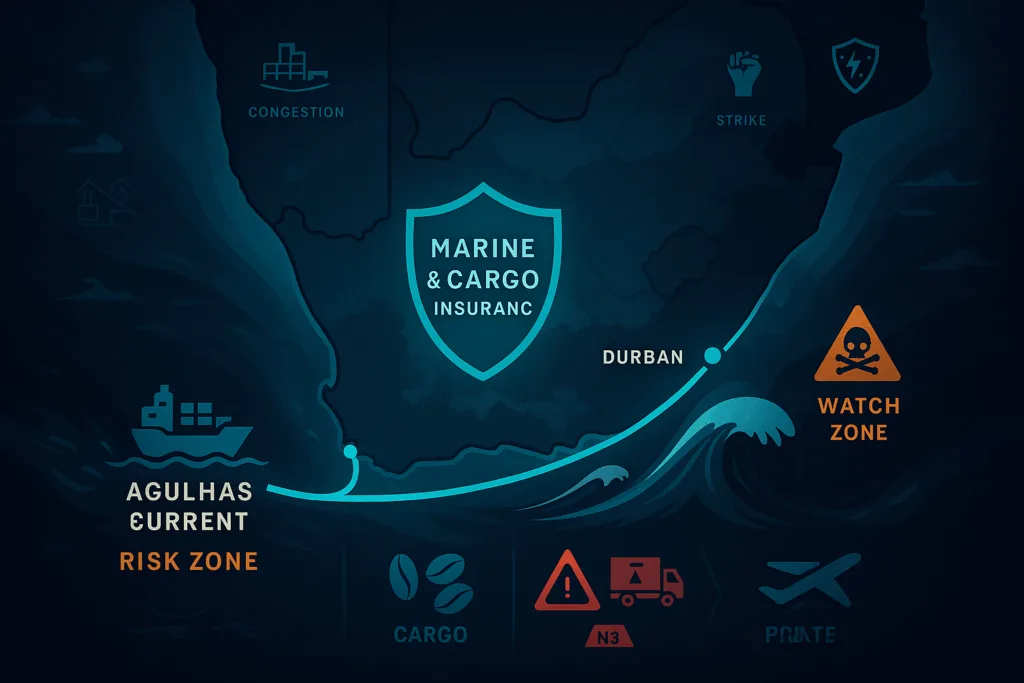
If there were a map of global shipping nerves, South Africa would sit squarely on one of its most sensitive spots. The country’s ports form the southern gateway to international trade, where east meets west, and risk meets opportunity. Durban alone handles over sixty percent of all container traffic in sub-Saharan Africa. Every crate, drum, and pallet passing through carries someone’s margin, someone’s reputation, and sometimes, someone’s sleepless night.
The oceans don’t always respect the plan. The Agulhas Current which sweeps past the east coast is as famous for its temper as for its beauty. One rogue wave can knock a 40-ton container loose. Summer storms lash Cape Town harbour hard enough to halt operations for days. Inland, cargo theft remains an art form in certain parts of the N3 corridor, and port congestion has become a risk category of its own.
Then there’s piracy. It isn’t merely the stuff of documentaries set off Somalia’s coast. The Mozambique Channel has seen its share of attempted hijackings, and insurers still treat it as a watch zone. Add in global disruptions like Red Sea tensions, port strikes, and cyber-attacks on shipping systems, and you start to see why risk management isn’t simple paperwork.
Marine and cargo insurance exists because none of these hazards send a warning first. It’s the financial safety net which keeps trade flowing even when nature, politics, or human error intervene. Without it, a single uninsured shipment could wipe out a year’s profit. With it, the damage becomes a claim, not a crisis.
For South African exporters and importers, marine insurance is more than a regulatory checkbox. It’s a survival tool. A good policy keeps your business solvent when a vessel limps into port short of containers. A great broker, one who knows the difference between inland transit and ocean freight, keeps your coverage watertight long before anything goes wrong.
Types of Marine and Cargo Insurance Coverage
If the ocean is unpredictable, the insurance world tries to be its opposite: detailed, precise, and sometimes just as deep. Marine and cargo insurance isn’t one-size-fits-all. It’s a mix of policies designed to protect every link in the transport chain, from the ship to the smallest box on board.
Here’s how it all fits together.
Hull and Machinery Insurance
This is the policy which keeps ship owners awake a little less at night. It covers physical damage to the vessel, the hull, machinery, and equipment keeping it moving.
If a ship runs aground outside Port Elizabeth, collides in harbour, or suffers engine failure mid-voyage, hull insurance steps in to pay for repairs or replacement. Without it, the owner faces bills that can run into millions.
It’s not only for massive cargo liners. Fishing vessels, tugboats, and smaller coastal operators also rely on hull and machinery insurance. If it floats and earns revenue, it needs cover.
Example: A trawler out of Mossel Bay hits a submerged container and damages its propeller system. Hull insurance funds the repairs and compensates for downtime while the vessel is in dry dock.
Cargo Insurance
Cargo insurance covers what’s inside the ship, truck, or aircraft; the goods which make the journey worthwhile. It comes in two main flavours:
- All Risks Policies: The broadest form of protection, covering loss or damage from nearly any external cause – storms, collisions, theft, or fire.
- Named Perils Policies: These list the specific dangers covered, such as sinking, capsizing, or collision. Anything not named, isn’t covered.
The key is to match the policy to the product. Bulk grain, electronics, and textiles each have different risk profiles, and insurers treat them accordingly.
Example: A refrigerated container of fruit bound for Rotterdam loses temperature control due to a power failure at port. An All Risks policy compensates for the spoilage. A Named Perils policy might not.
Liability Insurance
When you’re responsible for someone else’s property, risk multiplies. Marine liability insurance protects vessel owners, charterers, and transporters from third-party claims.
This includes:
- Damage to another vessel or cargo during a collision
- Environmental damage such as oil pollution
- Injury to crew or dockworkers
- Legal costs arising from these incidents
Example: A carrier transporting mining machinery accidentally damages another company’s goods during loading in Durban. Liability insurance pays the claim and covers the legal costs.
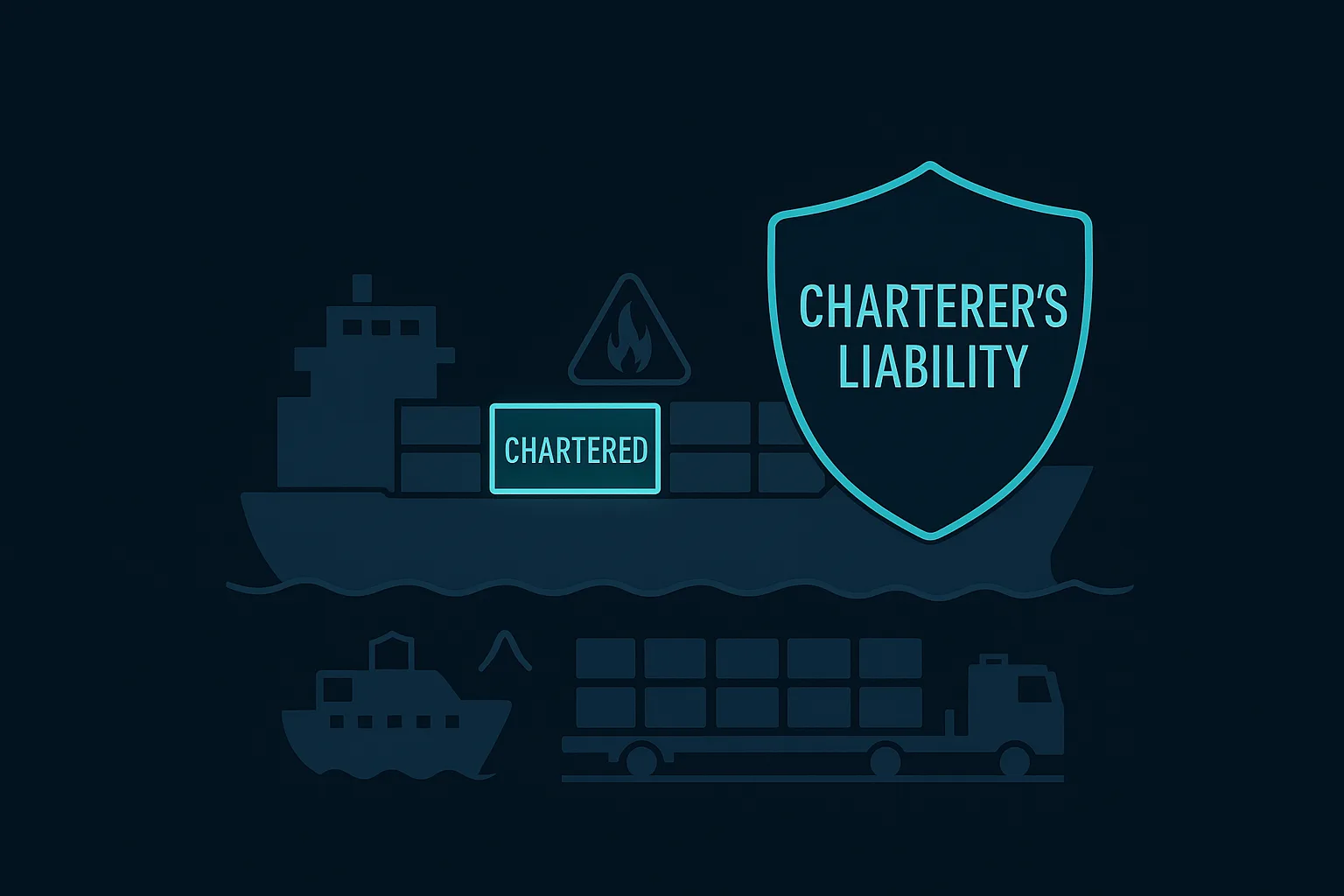
Charterer’s Liability Insurance
Sometimes, businesses don’t own the vessel, they lease space on it. Charterer’s liability covers companies who hire ships or freight space but still bear financial responsibility if something goes wrong.
Example: A logistics company charters a vessel to move containers to Singapore. A fire breaks out due to cargo mislabelling. Charterer’s liability insurance protects the company from claims by the vessel owner and other cargo owners. prompts
Freight Insurance
Freight is the money paid to the carrier for transporting goods. If a voyage ends in disaster and the cargo is lost, freight income may be too. Freight insurance ensures carriers and forwarders still recover the payment they would have earned had the trip gone smoothly.
Example: A shipping company loses several containers in a storm near Richards Bay. Even though the cargo is gone, freight insurance compensates the carrier for the lost freight revenue.
Together, these covers form the backbone of global trade protection. Whether you’re a ship owner, freight forwarder, or small exporter, the right combination can turn disaster into inconvenience, and inconvenience into a line item your accountant can’t live with.
Key Terms and Concepts: Speaking the Language of the Sea
Marine insurance has a language all its own, half-Latin, half-legal, and occasionally nautical enough to make your head spin. Understanding a few key terms will save you from both confusion and costly misunderstandings.
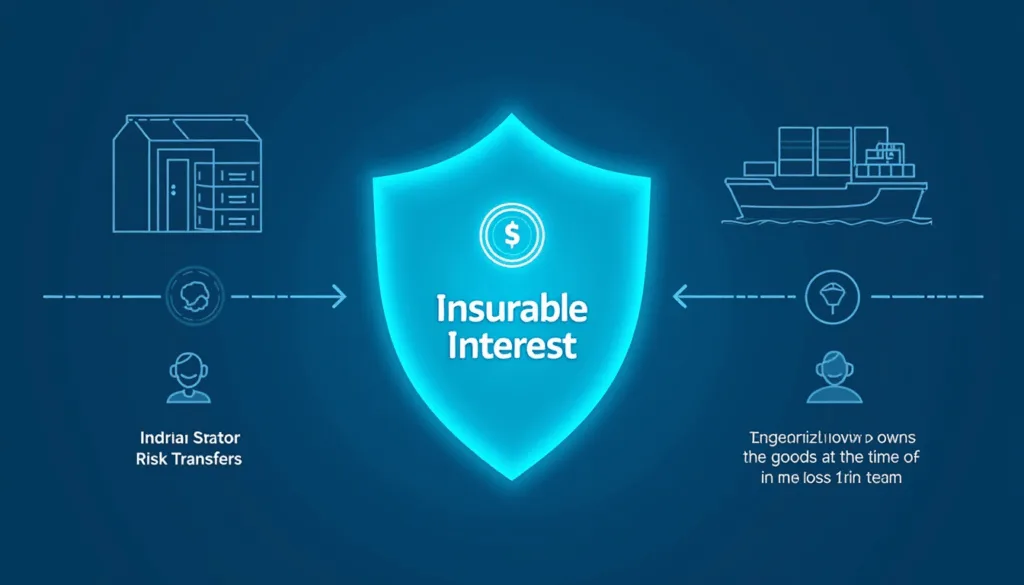
Insurable Interest
Before you can insure something, you must have a real stake in it. Insurable interest means you stand to lose money if the item is damaged or lost. In marine insurance, this interest must exist at the time of loss for a claim to be valid.
Example: If you’ve already sold the goods and transferred ownership before the ship sails, you may no longer have an insurable interest. Your buyer does. Always check your Incoterms so you know whose money is on the line.
MBFS tip: Never assume the policy automatically covers both buyer and seller, confirm who owns the risk before the cargo leaves the warehouse.
Perils of the Sea
A charming old phrase meaning “the unpredictable things the ocean does to ruin your week.” These include storms, waves, and collisions, natural events beyond human control causing accidental damage.
Example: A storm off Cape Agulhas snaps container straps and sends boxes overboard. That’s a peril of the sea. Rust from poor packing, on the other hand, is not.
MBFS tip: If the damage could have been prevented by better packaging or maintenance, it’s not a peril, it’s a problem.
General Average and Particular Average
The word average in marine insurance has nothing to do with maths or mediocrity.
- General Average happens when part of the cargo is sacrificed to save the voyage. Say, containers are jettisoned in a storm so the ship can stay afloat. Everyone with cargo on board contributes proportionally to cover the loss.
- Particular Average means loss or damage that affects only one party’s goods.
Example: If your container alone gets water-damaged, that’s Particular Average. If the captain orders containers tossed overboard and yours goes with them, that’s General Average.
MBFS tip: Some importers learn about General Average only when they’re billed for someone else’s problem. The right policy pays it for you.
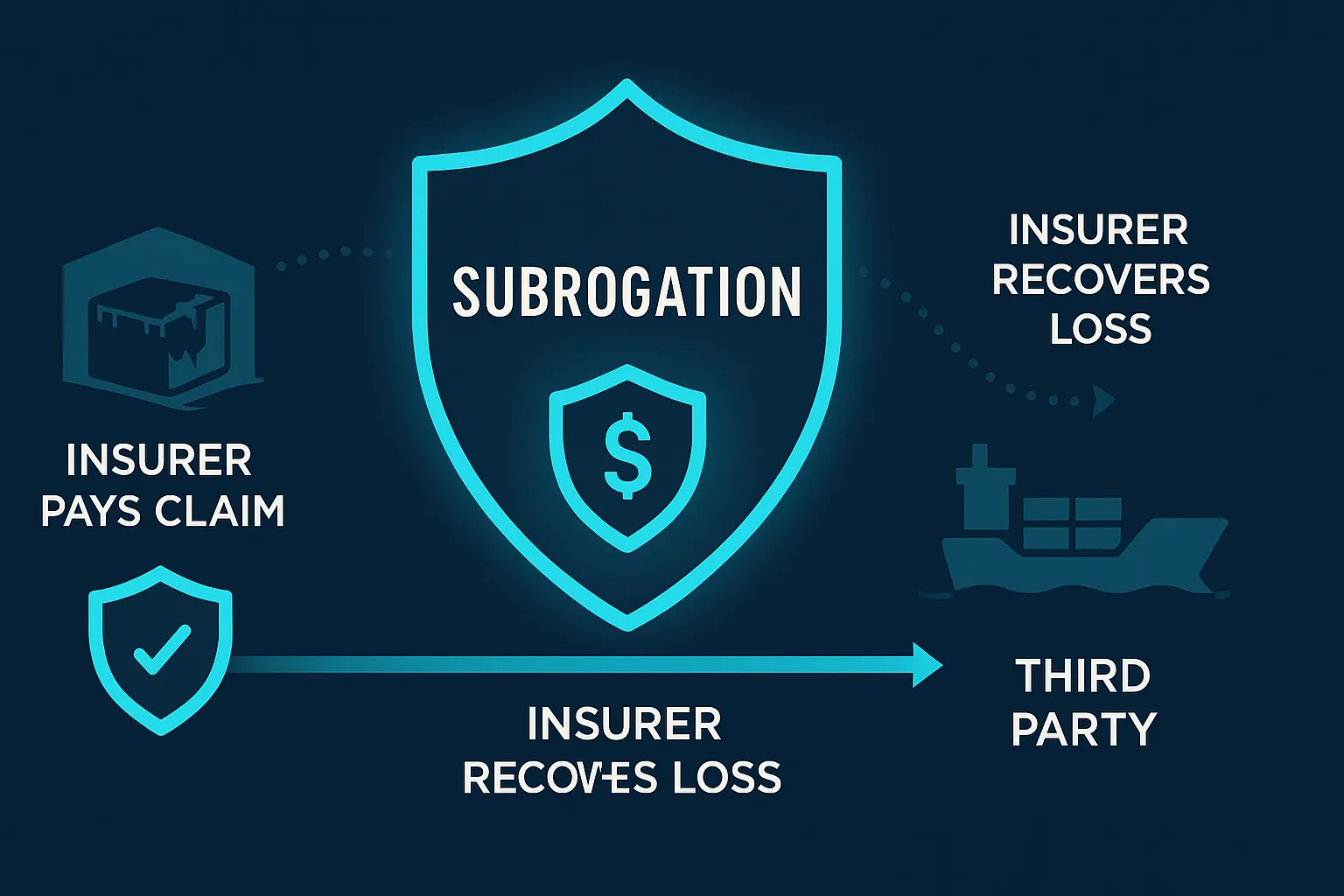
Subrogation
A long word that simply means the insurer steps into your shoes after paying a claim. Once the insurer compensates you, it has the right to recover that loss from whoever caused it, say, a negligent shipping line or a third-party haulier.
MBFS tip: Keep all correspondence and reports; they become the breadcrumbs your insurer follows to recover costs and keep future premiums sane.
Salvage
If a damaged vessel or cargo can be recovered, the cost of saving it is called salvage. Insurers often pay salvage awards to the parties who did the rescuing.
Example: A tugboat tows a disabled ship into Cape Town harbour. The cost of that rescue becomes part of the claim.
MBFS tip: Salvage isn’t free goodwill, it’s a legal and financial process. Your policy should spell out how those costs are shared.
Utmost Good Faith (Uberrimae Fidei)
Marine insurance runs on trust. You must disclose every material fact that could affect the insurer’s decision – cargo type, route, packaging, prior losses, or hazards. Failure to disclose can void the policy.
MBFS tip: When in doubt, tell us everything. Surprises belong at sea, not in your claim file.
Knowing these terms is more than an academic exercise. It turns a stack of policy documents into a tool you understand, and that means faster claims, fewer arguments, and calmer seas for your business.
Incoterms and Responsibility: Who Insures What, and When?
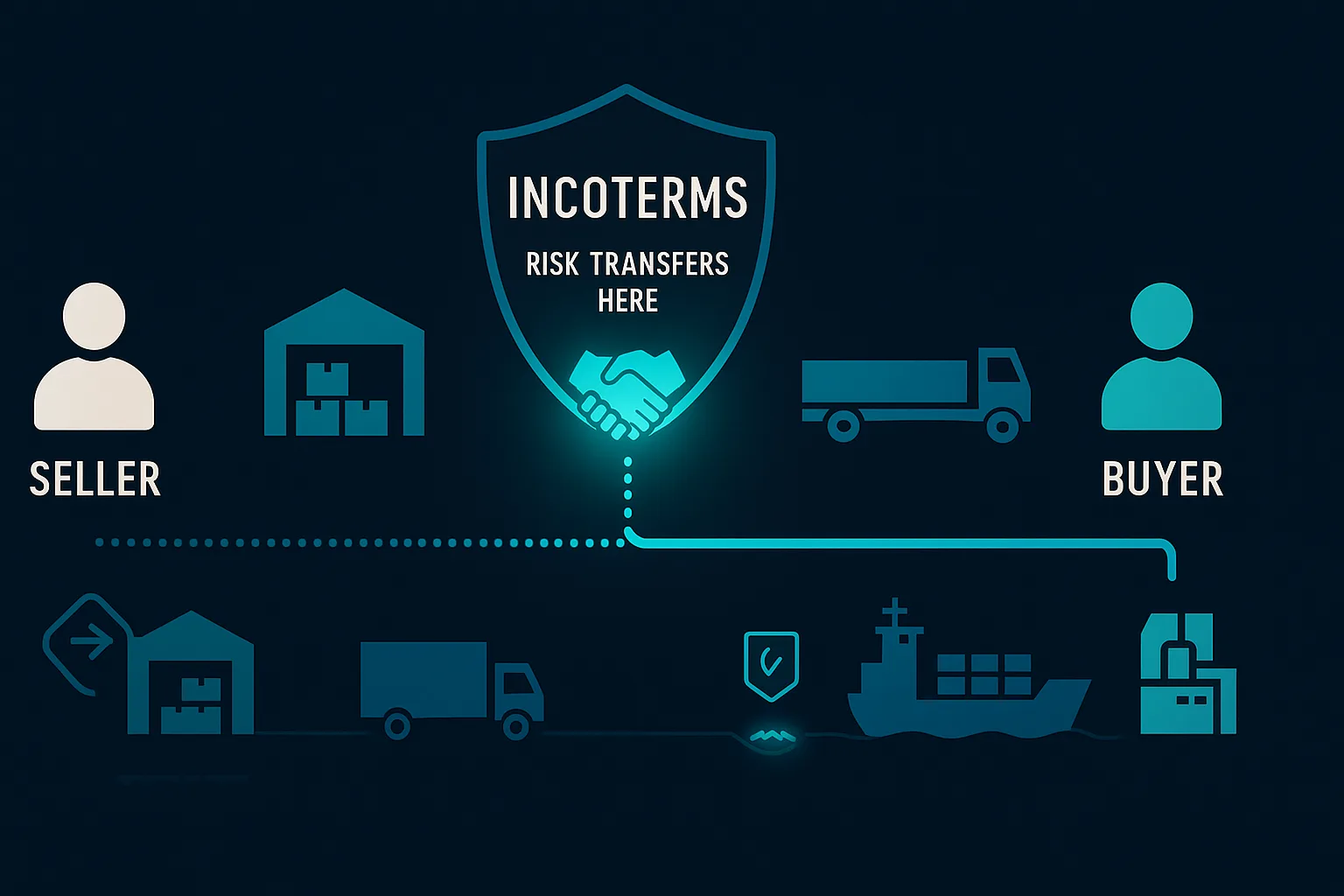
In the world of shipping, few things sink faster than assumptions. One of the most common? Believing you know who’s responsible for insurance once your cargo leaves the loading bay. Enter Incoterms, a set of international trade rules that decide when ownership, risk, and responsibility move from seller to buyer.
Incoterms don’t only define logistics; they define liability. And in marine insurance, knowing where that handover happens can mean the difference between a paid claim and a polite rejection.
What Are Incoterms?
Incoterms (short for International Commercial Terms) are global trade definitions published by the International Chamber of Commerce (ICC). They tell buyers and sellers exactly who pays for shipping, insurance, and customs as well as at which point the risk transfers from one to the other.
Think of them as a contract’s navigation chart. Without them, everyone assumes the other person packed the life raft.
Common Incoterms in South African Trade
FOB – Free On Board
Under FOB, the seller’s job ends once the goods are loaded onto the ship at the South African port. From that moment, the buyer carries all risk and responsibility, including insurance.
Example: A Cape Town exporter sells wine to a German buyer on FOB terms. Once the cases are on board in Cape Town, the buyer must have marine cargo insurance in place. If the ship hits rough seas en-route, the loss is the buyer’s to claim.
MBFS Tip: Exporters using FOB often skip insurance entirely, assuming the buyer will handle it. If the buyer doesn’t, and something goes wrong, you’re still the one facing a furious customer and an unpaid invoice.
CIF – Cost, Insurance and Freight
Here, the seller pays for shipping and insurance up to the destination port. It’s a generous term and often used in international sales because it keeps control with the exporter.
Example: A Durban machinery supplier sells equipment to a buyer in Mumbai under CIF. The supplier arranges marine cargo insurance through us, naming both buyer and seller as insured parties. If anything happens mid-voyage, the claim process is straightforward and controlled locally.
MBFS Tip: CIF gives you more control and smoother logistics but make sure your policy explicitly names all insured interests to avoid legal knots later.
EXW – Ex Works
This is the minimalist version of trade. Under EXW, the seller makes the goods available at their premises, and the buyer handles everything after that – transport, export duties, and insurance.
Example: A manufacturer in Wadeville sells goods EXW to a company in Mozambique. Once the goods leave the factory gate, the risk is entirely on the buyer. If the truck overturns on the N4, the loss is theirs.
MBFS Tip: EXW can make your product price look attractive, but it shifts all responsibility to the buyer. It’s popular but dangerous when the buyer isn’t experienced in arranging international cover.
Why Incoterms Matter to Insurance
Each Incoterm defines when insurable interest transfers. The moment transfer happens, so does the financial risk. If you insure goods you no longer own, or fail to insure goods you still do, you’re sailing straight into a coverage gap.
MBFS brokers map every client’s trade route and Incoterm agreements before recommending cover. That’s how we make sure the policy matches the paperwork and not the guesswork.
Quick Reference Table
The Takeaway
When you understand Incoterms, you understand where your exposure begins and ends. And when you insure accordingly, you sleep better.
We don’t merely tick boxes; we translate the fine print into peace of mind. Because in trade, “I thought you insured it” has cost more than any storm ever could.
The Role of the Broker: Why You Need a Navigator
A marine policy without a broker is like a ship without a compass. It floats, technically but you’d be wise not to trust the weather.
Marine and cargo insurance may look straightforward on paper: pick a policy, pay a premium, and you’re covered. In reality, it’s a maze of fine print written in a dialect only underwriters and ancient sailors understand. This is where a broker steps in, somebody who translates “perils of the sea” into plain English and keeps you out of the sort of storm that starts in an office, not an ocean.
What a Broker Really Does
A good broker is part translator, part strategist, part lifeguard. We start by mapping your trade routes, understanding your cargo, and reading your contracts because insurance is more than boats and boxes; it’s about where your business lives and breathes.
We:
- Assess your risk exposure across every leg of the journey – warehouse, port, transit, and delivery.
- Compare multiple insurers to find policies that cover the gaps others overlook.
- Handle the paperwork, endorsements, and declarations, so you spend less time reading clauses and more time shipping goods.
- Intervene at claims stage, making sure surveyors show up, adjusters act, and you get paid.
Think of us as air traffic control for your insurance, keeping communication clear between you, your underwriter, and your cargo while it crosses half the world.
When Things Go Wrong
Here’s the truth: claims are where brokers earn their salt. Anyone can sell a policy; not everyone can get a claim settled quickly. When cargo arrives soaked, stolen, or sitting at the bottom of Table Bay, a broker knows which documentation moves the process and which phone call moves the people.
Our brokers handle claims from first notice to final payout. We chase surveyors, translate insurance jargon into timelines, and keep you informed until money lands in your account. That’s what we mean by getting you claims-ready.
It’s not just a slogan; it’s a promise you’ll never face a loss alone.
How Mont Blanc Makes a Difference
1. Experience Across Sectors: From agriculture to aviation, we understand the nuances of each industry. A truckload of citrus is not the same as a shipment of auto parts, and the cover shouldn’t be either.
2. Local Knowledge, Global Reach: We know the South African ports, the insurers who understand them, and the underwriters who pay fast. Yet we work with global partners to cover your cargo all the way to its destination.
3. Tailored Risk Solutions: We bundle marine and business policies to save on premiums and simplify renewals. Because the fewer renewals you forget, the fewer surprises you’ll have later.
Why Marine and Cargo Insurance is Necessary
The ocean is unpredictable, but your cover shouldn’t be. With us, you don’t get a policy and a smile, you get a partner who knows that behind every container number is a person, a payroll, and a plan that can’t afford to sink.
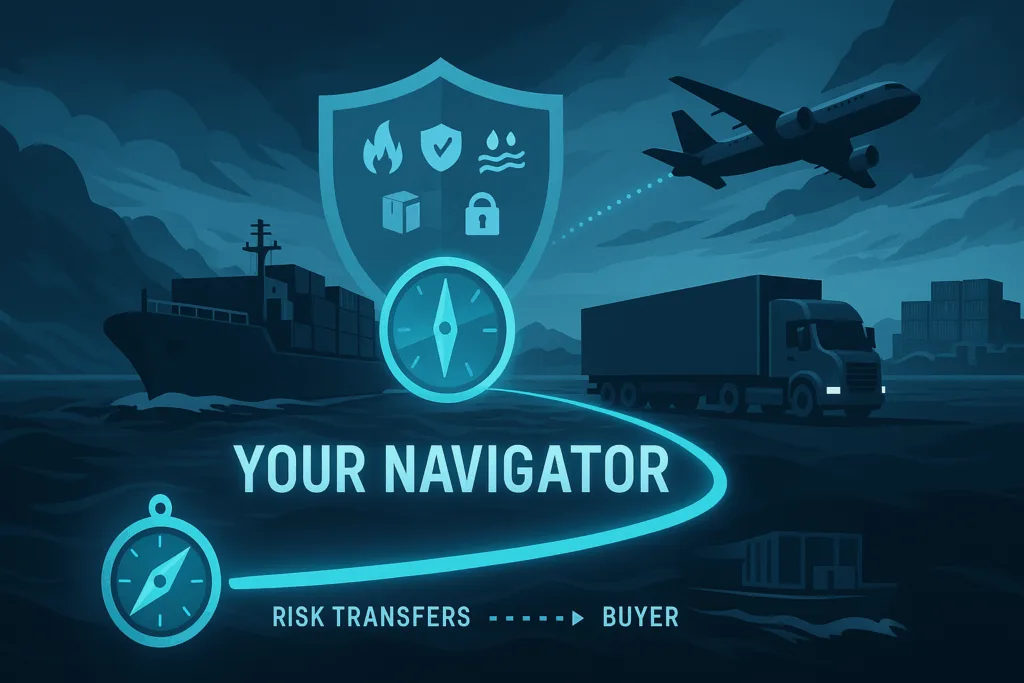
So, before you sail, truck, or fly another shipment, ask yourself: do you have an insurance policy, or do you have a navigator?
We prefer the second one. It’s how we keep our clients steady, solvent, and always, always claims-ready.
Marine cover is one part of a wider book. Our overview of business insurance shows where cargo sits alongside the rest of what a company needs covered.
Industry-Specific Cover: One Size Doesn’t Fit All
If there’s one thing insurance has taught us, it’s that cargo is as varied as the people who move it. A bag of maize doesn’t behave like a box of microchips, and what sinks a shipment of wine won’t faze a truckload of steel. Yet many businesses still try to squeeze their cover into a one-policy-fits-all solution. Spoiler: it doesn’t fit for long.
Marine and cargo insurance only works when it reflects the world it protects. That’s why we tailors cover to match each industry’s quirks, routes, and risks, because “goods in transit” is the polite way of saying “something valuable could go missing in several creative ways.”
Agriculture: Perishables, Pests, and Ports
Farmers and exporters live by the weather, and the weather doesn’t always play nice. From citrus exporters in the Lowveld to wine producers in Stellenbosch, agricultural shipments face their own gauntlet, temperature loss, delayed refrigeration, or bruised produce that customs won’t even look at.
Agricultural cargo insurance covers:
- Temperature-sensitive goods during land or sea transport
- Spoilage caused by equipment failure or power cuts at port
- Cross-border risks when moving through SADC territories
Example: A refrigerated container of avocados loses power during offloading at Durban harbour. Without marine cargo cover, the loss lands squarely on the exporter.
With us, the claim lands safely on the insurer’s desk.
Mining: Heavy Metal and Heavy Risk
Mining exports form the backbone of South Africa’s trade but they’re not easy to insure. Equipment is heavy, cargo is high-value, and routes often run through remote areas with limited security. Mining shipments need policies that consider the weight, not just the worth.
Mining cargo insurance covers:
- Bulk mineral exports and containerised ore
- Machinery and high-value equipment
- Theft, overturning, or collision during transit
Example: A convoy of heavy-duty trucks carrying chrome to Richards Bay loses one trailer in a rollover.
We ensures the cargo and freight income are both protected, and the client keeps operating while the claim settles.
Manufacturing: Fragile Margins and Tight Timelines
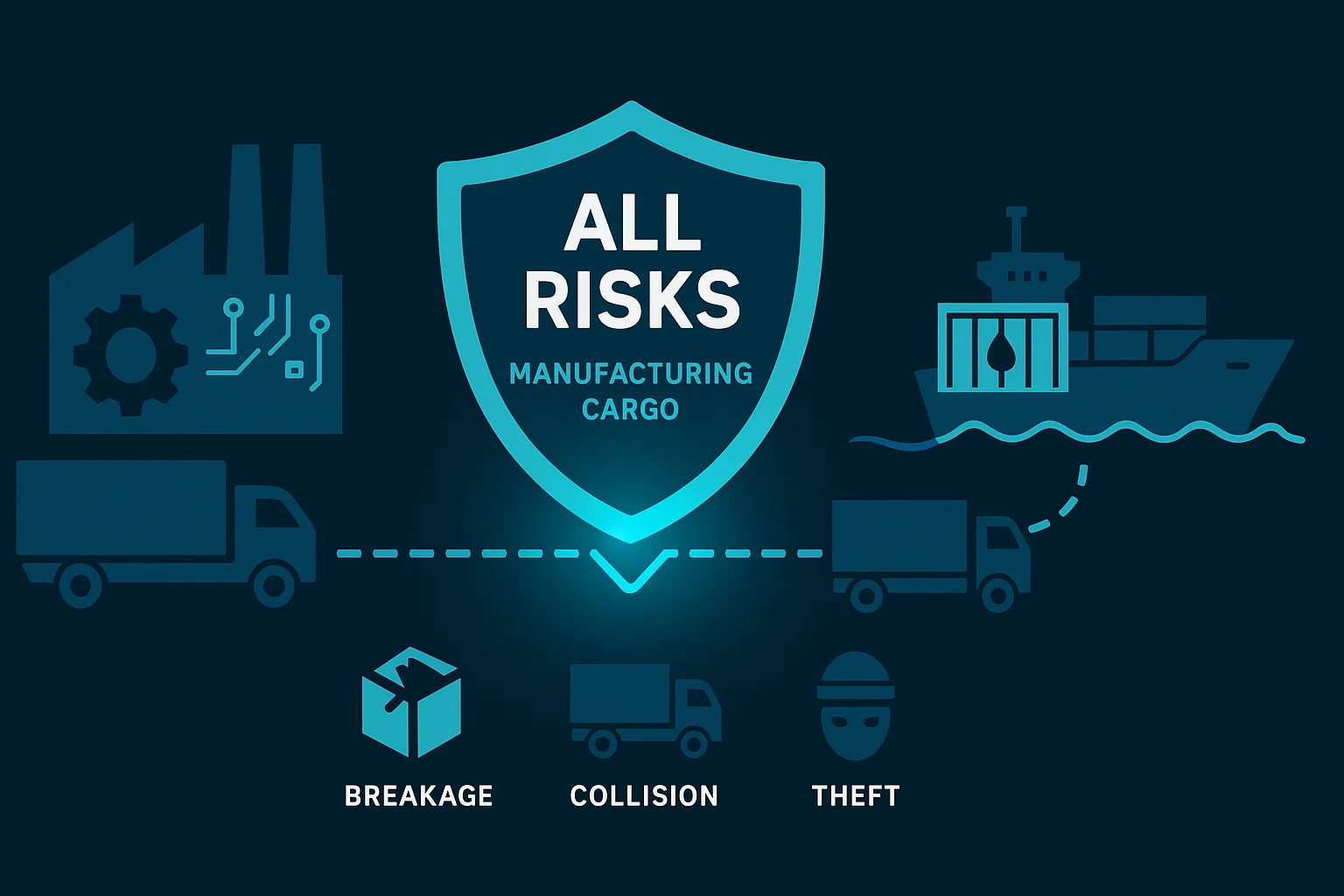
Manufacturers live by precision. One delayed shipment of components can hold up an entire production line, and one damaged delivery can turn profit into scrap metal. Manufacturing cargo insurance needs to protect not only the goods, but the continuity of business.
Manufacturing insurance covers:
- Finished products and machinery components
- Transit between suppliers, factories, and distributors
- Breakage, collision, or theft during delivery
Example: A Gauteng electronics manufacturer ships circuit boards to Kenya. The cargo suffers moisture damage due to poor container sealing.
Our “All Risks” policy covers the loss, ensuring production deadlines don’t drown with the shipment.
Logistics and Freight: The Risk Between Risks
For logistics providers, risk lives everywhere – on the road, in the warehouse, and especially in the contracts. They carry responsibility for cargo they don’t own, under terms they didn’t write. That’s where logistics insurance earns its keep.
Freight and logistics cover includes:
- Carrier’s liability for loss or damage to client goods
- Errors and omissions in freight forwarding
- Delays or losses caused by subcontractors
- Cross-border cover for multi-leg routes
Example: A Johannesburg logistics company subcontracts a leg of a delivery to Mozambique. The truck never arrives.
We step in, handling both the insurer and the sub-haulier’s liability claim, because when it’s your name on the contract, it’s your risk until the cargo is delivered.
How Mont Blanc Customises Protection
- Industry Insight: We understand the quirks of your cargo, how temperature, route, and packaging all change the risk.
- End-to-End Cover: From farm to port, mine to market, or factory to freight hub, we build policies that connect every link.
- Claims Expertise: When the goods don’t make it, we make sure the claim does.
No two industries move the same way, and neither should their insurance. We keep your cover as agile as your cargo.
Common Exclusions: The Fine Print You Can’t Ignore
Every insurance policy has limits, but in marine insurance, the limits are buried so quietly in the small print you can almost hear them whisper. These exclusions exist for a reason, some risks are simply too broad, unpredictable, or avoidable to insure. The problem is most businesses only discover them when a claim bounces back with the polite phrase, “not covered under policy terms.”
We prefer you hear that from us first, not from an underwriter after the storm.
War and Political Risks
If your shipment sails into a war zone, standard marine insurance will not follow. Losses from war, terrorism, civil unrest, or insurrection fall outside normal coverage.
Example: A South African logistics firm ships generators to a conflict-prone port in North Africa. The vessel is delayed by military activity, and the cargo is damaged. The claim is rejected under standard terms, unless the company added a War Risk extension.
MBFS Tip: When your trade routes pass through politically unstable areas, ask us about specific war-risk policies or add-ons. It costs less than the loss.
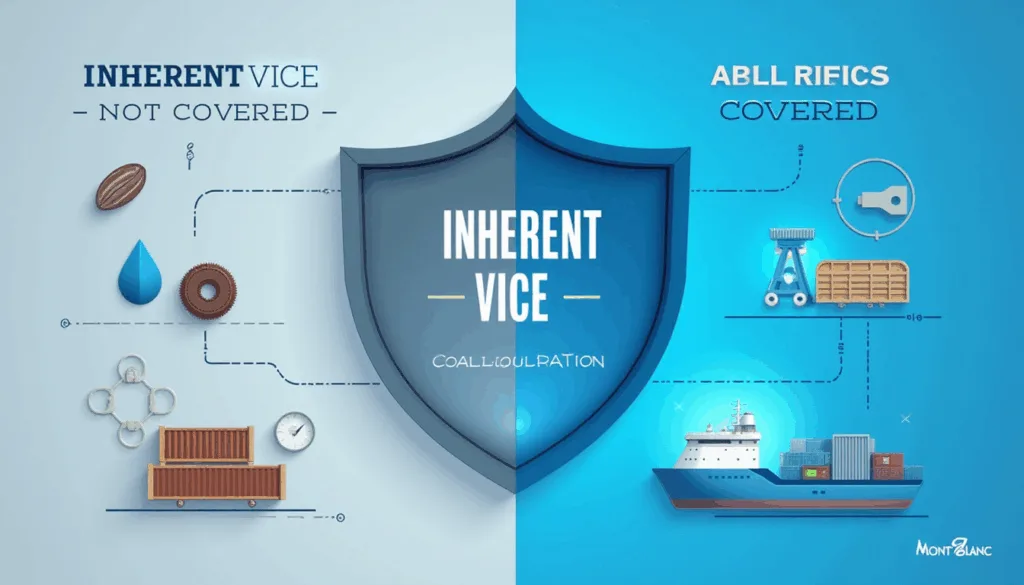
Inherent Vice
This is the polite way of saying “it was doomed from the start.” Inherent vice means the natural tendency of the cargo to deteriorate, rot, rust, or self-destruct without any external cause.
Example: A shipment of unprocessed cocoa beans ferments in transit due to humidity. That isn’t a peril, it’s biology. Standard cover won’t pay.
MBFS Tip: Inherent vice exclusions are avoidable through correct packing, temperature control, and choosing All-Risk cover where possible. We help clients prevent the claim before it becomes one.
Ordinary Leakage and Wear and Tear
Some loss is expected. A few litres of evaporated oil, scuffed crates, or minor scratches on steel won’t make the insurer blink. These are classed as ordinary leakage or wear and tear.
Example: A bulk shipment of lubricants arrives slightly underweight due to evaporation during a long voyage. It’s normal loss, not negligence.
MBFS Tip: If your cargo type makes “ordinary” loss financially significant, like fuel or liquid chemicals, speak to us about specific endorsements.
Delay and Consequential Loss
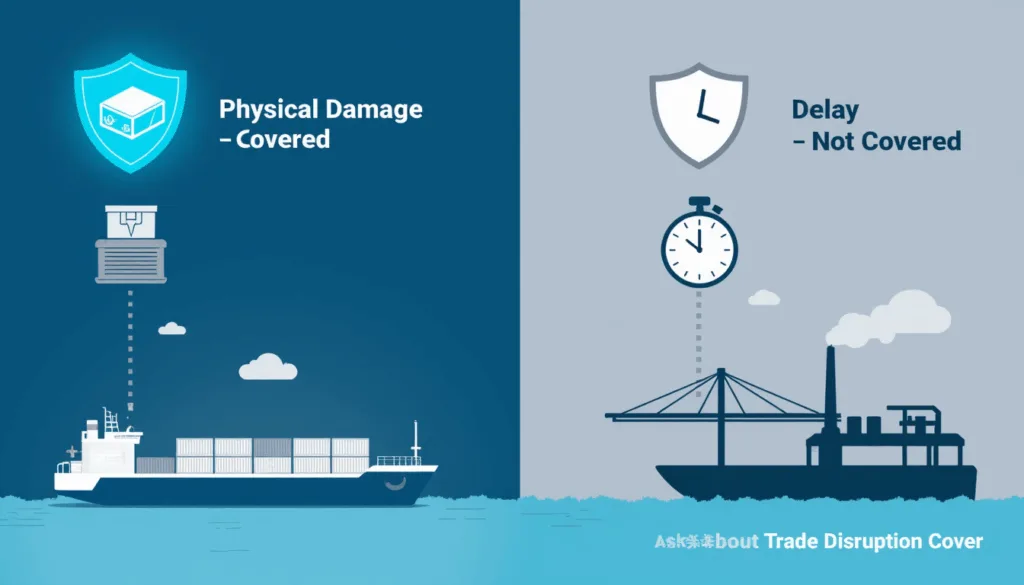
Marine insurance covers physical loss or damage, not the cost of being late. If your cargo arrives intact but too late to meet a contract deadline, you can’t claim for lost income or penalties.
Example: A shipment of automotive parts is delayed by a port strike. The parts arrive unharmed, but production halts for a week. The downtime isn’t covered.
MBFS Tip: Ask about business interruption or trade disruption cover to protect revenue, not just goods.
Unseaworthiness and Improper Packing
If the vessel isn’t fit to sail, or the packing looks like it was done by someone in a hurry, insurers won’t pay. Policies assume the ship, the packaging, and the handling all meet reasonable standards.
Example: A container is loaded with unsecured machinery that shifts during transit and damages itself. The insurer rejects the claim, citing improper packing.
MBFS Tip: Always verify vessel standards and packaging requirements, especially for fragile or high-value cargo. We work directly with surveyors to ensure compliance before departure.
Nuclear and Radiation Risks
Loss caused by nuclear reaction or contamination isn’t covered. Even a small radioactive leak at port counts as an exclusion. It’s not personal, it’s global policy.
MBFS Tip: Unless your cargo glows in the dark, you can safely move on from this one.
Fraud and Dishonesty
Any deliberate act, false declaration, or hidden damage will void a claim.
Example: If a client declares electronics as “metal parts” to save on premiums, the insurer has every right to deny future claims.
MBFS Tip: Transparency saves more than honesty points. It saves claims. We verify declarations to ensure your policy stays legitimate and enforceable.
Cyber Interference (Emerging Exclusion)
With digital shipping systems now running ports and navigation, cyber interference is a new and growing risk. Many marine insurers are introducing separate cyber clauses.
Example: A hacker manipulates port data, delaying or misrouting your container. The delay causes spoilage, but standard policies don’t cover digital interference.
MBFS Tip: We’re already working with insurers offering hybrid cyber extensions for logistics clients. It’s not science fiction anymore, it’s good planning.
Claims and Recovery: When Things Go Wrong
It’s one of the worst calls a business can get. Your shipment has been damaged, delayed, or disappeared. A warehouse clerk sounds apologetic, a shipping agent says they’ll “investigate,” and suddenly everyone wants to know who’s responsible. This is the moment when insurance stops being theoretical and starts being personal.
This is where we get loud. Because claims aren’t just paperwork, they’re promises in action.
1. First Steps: Time Is Everything
The most important rule in marine and cargo insurance claims is speed. Notify your broker and insurer immediately when loss or damage is discovered. Delays can sink an otherwise valid claim. Most policies require notice within 3 to 7 days of discovery.
Checklist:
- Contact your broker first: we log the claim, notify the insurer, and appoint a surveyor.
- Take clear photographs of all damage before moving or repacking goods.
- Record the container or vehicle number, seal number, and bill of lading reference.
- Obtain a written statement from the carrier or driver if possible.
- Keep all original documents: they’re your proof of ownership and condition.
Example: A shipment of coffee beans arrives water-damaged at Durban port. The client phoned us within hours. We notify the insurer, send a surveyor that same afternoon, and preserve all evidence. The result? A settled claim within weeks, not months.
2. The Survey: What Happens Next
Once a claim is lodged, the insurer appoints a marine surveyor to inspect the loss and confirm the cause. Think of them as forensic accountants for cargo. They measure, test, and photograph everything to ensure the damage aligns with policy conditions.
MBFS Tip: Be present during the survey if possible. Small details, like how cargo was packed or where it was stored, can make a big difference in liability decisions.
3. Documentation: The Backbone of Every Claim
Marine insurers love documentation almost as much as sailors love weather forecasts. Having your papers ready can shave weeks off the process. Typical requirements include:
- Bill of Lading
- Commercial Invoice and Packing List
- Insurance Certificate or Policy Number
- Delivery Receipts
- Photos and Survey Report
- Correspondence with Carriers or Freight Agents
MBFS Tip: Never submit originals without copies. We compile and certify digital versions so nothing gets “lost in the system.”
4. Assessment and Settlement
After reviewing the surveyor’s findings and documents, the insurer assesses whether the claim falls within policy terms. If it does, compensation follows, either as cash, replacement, or repair.
Example: A freight forwarder loses two containers of textiles to a truck fire near Pietermaritzburg. The insurer verifies compliance with packaging and storage standards, then settles in full within 30 days. We manage every update, ensuring payment goes directly to the client’s account.
5. Subrogation: The Hidden Aftermath
Once you’ve been compensated, the insurer may pursue recovery from whoever caused the loss, a negligent carrier, a third-party haulier, or a port authority. This is called subrogation. It happens quietly in the background, but it’s part of why premiums stay manageable.
MBFS Tip: Keep all communication and contracts handy. Even after settlement, those records help insurers recover costs and keep your history spotless.
6. Common Claim Pitfalls
- Late notification: Missing the notice period is the number-one reason claims fail.
- Incomplete paperwork: Missing bills or photos can stall the process.
- Improper packing: If goods weren’t packed securely, insurers can reject the claim entirely.
- Incorrect Incoterms: A client insures goods they no longer own or fails to insure goods they still do.
MBFS Tip: We check every policy against your shipping contracts and Incoterms long before your cargo moves. Prevention beats paperwork every time.
7. How Mont Blanc Keeps You Claims-Ready
“Claims-ready” isn’t a slogan, it’s a system. We set up each client with a clear file structure, photo protocol, and notification procedure. It means that when something goes wrong, you already have everything you need to get it fixed.
Our process includes:
- 24-hour claim notification access
- Immediate surveyor dispatch
- Liaison between insurers and freight companies
- Real-time claim tracking updates
- Guidance through every document required
It’s why so many of our clients stay with us year after year. When the sea turns rough, we stay steady.
In shipping, risk is part of the business. But with the right partner, recovery can be too. We don’t just help you file a claim, we help you finish the journey.
Reducing Marine Insurance Premiums: What Smart Shippers Do
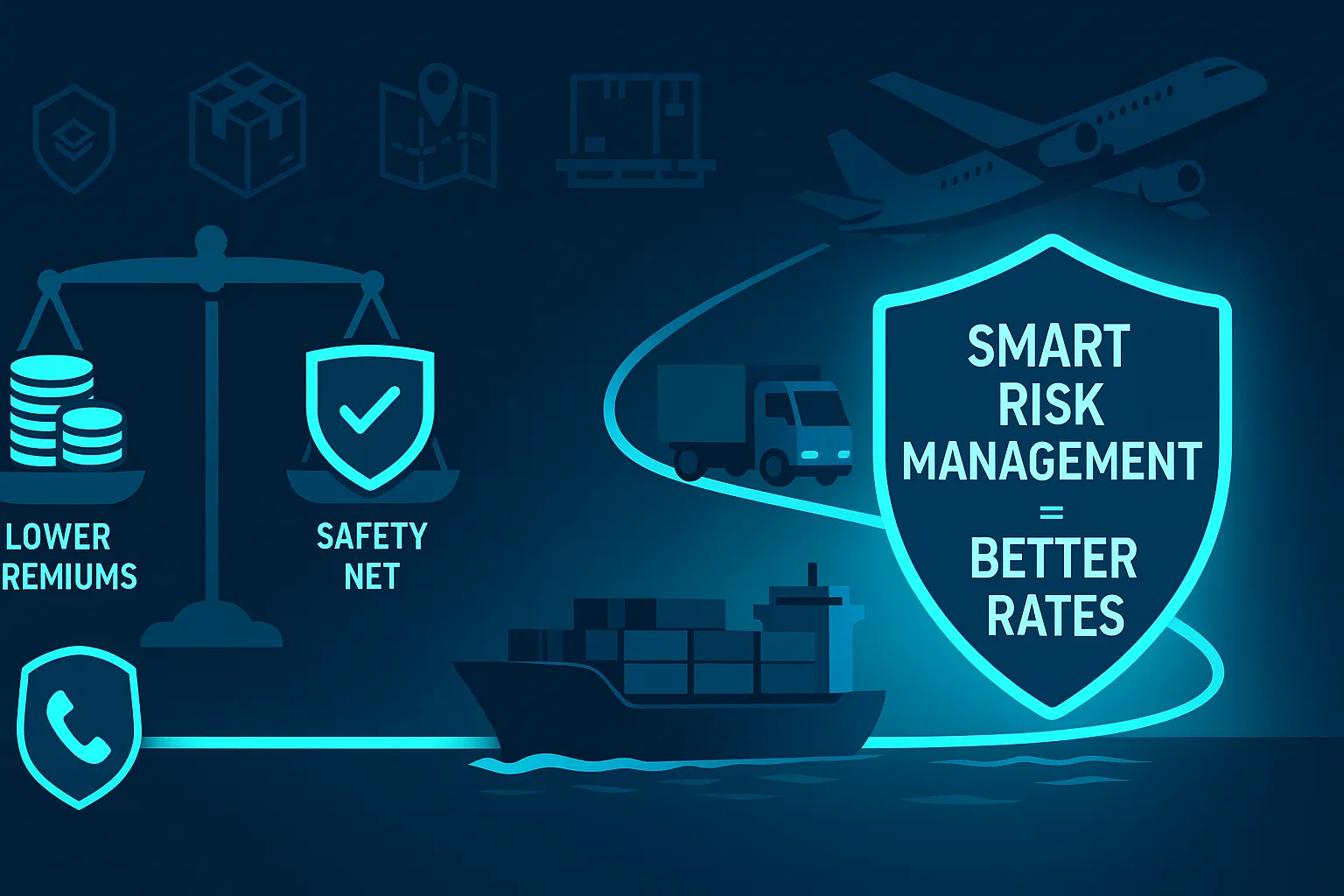
There’s a fine line between saving money and sailing blind. Every shipper wants lower premiums, but not at the expense of being uncovered when trouble strikes. The smartest businesses don’t gamble with risk, they manage it. And insurers reward that with better rates.
Here’s how to trim the fat from your marine and cargo insurance without cutting into your safety net.
1. Invest in Risk Management, Not Just Insurance
Insurance doesn’t replace good practice; it rewards it. Carriers who maintain clean safety records, service equipment regularly, and keep logs of inspections often pay less. Insurers price risk based on predictability – if you can prove yours is low, they’ll prove it on your renewal quote.
Example: A Gauteng logistics company reduced its annual premium by 15% after implementing a GPS tracking system and driver training programme. The insurer recognised the reduced theft and accident exposure and adjusted rates accordingly.
MBFS Tip: Document everything, maintenance schedules, temperature records, driver logs. The more data you show, the stronger your case for a lower premium.
2. Choose the Right Deductible
Your deductible (or excess) is what you pay before insurance kicks in. A higher deductible often means a lower premium but only if you can afford to absorb small losses.
Example: A freight forwarder increased its deductible from R25,000 to R50,000, reducing annual premiums by 10%. They balanced the saving by setting aside an emergency fund for minor claims.
MBFS Tip: Don’t raise your deductible higher than your monthly cash flow can handle. A premium saving isn’t worth a financial scramble later.
3. Combine Policies for Multi-Line Discounts
Many insurers offer discounts when you consolidate multiple covers, marine, business, liability, or property, under one provider. It simplifies management and reduces administrative fees.
Example: A Cape Town importer combined their marine, warehouse, and commercial vehicle policies through us. The bundle saved 12% in total premiums and streamlined claims under one broker relationship.
MBFS Tip: Consolidation isn’t just cheaper, it’s faster when you claim. With all policies under one roof, there’s no “who’s responsible” delay between insurers.
4. Keep Cargo Declarations Accurate
Under-declaring cargo value might seem like an easy way to pay less, but it’s a false economy. In a partial loss, the average clause applies, meaning you’ll only get reimbursed in proportion to the value you declared.
Example: You declare R500,000 instead of R1 million to save on premium. A R200,000 loss occurs. The insurer pays only half because that’s all you insured.
MBFS Tip: Honesty pays. If your declarations are precise, your claims will be too.
5. Avoid Frequent Small Claims
Insurers keep score. Frequent minor claims make you look high-risk and can raise premiums even if payouts are small.
Example: A shipper filed three separate claims for minor container dents. At renewal, the insurer flagged them as high frequency, and premiums increased 20%.
MBFS Tip: Bundle small issues into one claim when possible or self-insure low-value losses. Reserve claims for events that truly impact your business.
6. Optimise Packing and Security
Insurers price risk not only on the goods, but on how they’re packed and protected. Proper bracing, moisture control, and tamper-proof seals can dramatically lower exposure.
Example: A manufacturer switched to reinforced pallets and double-layer shrink wrap for export goods. Losses dropped by 40%, and their insurer rewarded the record with a reduced premium the following year.
MBFS Tip: We work with certified surveyors who review packing and security methods. Sometimes the smallest adjustment, like switching to desiccant packs, can keep both cargo and premiums dry.
7. Review Your Policy Annually
Markets shift, routes change, and your policy should move with them. Annual reviews identify overlaps, outdated clauses, and unnecessary extensions. Our clients get a full audit each renewal cycle, ensuring they never pay for cover they no longer need.
MBFS Tip: If your turnover, destinations, or cargo type have changed, tell us. We’ll adjust the policy and negotiate with underwriters before the next storm hits your wallet.
8. Build a Relationship, Not a Record
Insurers remember who works with them and who works against them. Clients who communicate early, disclose accurately, and maintain consistent documentation are treated as partners, not problems. And partners get better rates.
MBFS Tip: We maintain your reputation with the insurer as carefully as your records. Because a well-managed client file looks neat and it pays dividends every renewal.
Reducing premiums isn’t about cutting corners, it’s about tightening the ship. When you show control, insurers show confidence. We make sure your cover reflects your cargo, and your competence.
Modern Risks: The Future of Marine Insurance

If the ocean has taught insurers anything, it’s that risk evolves faster than ships do. The sea still misbehaves as it always has, but the threats around it are becoming smarter, colder, and often digital. Welcome to the age where your biggest shipping hazard might not be a wave, it might be Wi-Fi.
Here’s how the next generation of risks is changing marine and cargo insurance, and why Mont Blanc keeps its radar on full sweep
1. Cyber Attacks: The Invisible Pirates
Modern ships run on more software than steel. Navigation, engine control, and port management systems all rely on connected data networks, and it’s exactly where hackers find their opening.
Example: A cyber intrusion at a European port delayed cargo tracking for 48 hours. Containers went missing, shipping schedules collapsed, and insurers spent weeks sorting out which losses were physical, and which were digital.
Standard marine policies often exclude cyber-related events unless specifically endorsed.
MBFS Tip: We help clients add cyber extensions which protect against digital interference, system outages, and data tampering. Because the next hijacking may happen over a laptop, not a lifeboat.
2. Climate Change: Stormier Seas and Riskier Routes
Global weather patterns are shifting, and the insurance tables show it. Warmer oceans feed stronger storms, and melting polar ice opens new, but treacherous, shipping lanes. Closer to home, the Agulhas Current is growing more volatile, and flash floods can close key transport routes overnight.
Example: A shipment delayed by heavy flooding on the N2 wasn’t a freak event, it’s now part of a trend. Each disruption drives premiums higher across the board.
MBFS Tip: We track seasonal weather risk and adjust coverage accordingly. Sometimes changing departure dates or port choices saves both time and money.
3. Political Instability and Global Trade Tension
Trade routes are only as safe as the countries they pass. The Red Sea, the Horn of Africa, and even certain SADC corridors have seen surges in piracy, smuggling, and political disruption.
Example: A shipping line rerouted around the Cape to avoid conflict zones, adding weeks and millions in fuel costs. Marine insurers now build such instability directly into risk models.
MBFS Tip: For exporters and importers, flexibility is the new security. We monitor geopolitical changes weekly and adjust cover before the headlines hit your cargo.
4. ESG Compliance: When the Planet Becomes a Stakeholder
Environmental, Social, and Governance (ESG) standards are no longer buzzwords, they’re business requirements. Ports and insurers alike are demanding proof of sustainability practices, from emission control to ethical sourcing. Non-compliance can lead to surcharges or outright refusal of cover.
Example: A shipping company operating older, high-emission vessels saw its premiums rise after insurers began factoring carbon impact into risk scores.
MBFS Tip: We work with underwriters who reward clients for sustainability, whether through fuel efficiency, packaging innovation, or transparent reporting. Green practices now save more than the planet, they save premiums.
5. Artificial Intelligence and Smart Cargo Tracking
AI is transforming the way goods are insured, tracked, and even claimed. Smart sensors now monitor container conditions, temperature, vibration, humidity, in real time. If something goes wrong, both shipper and insurer know before the cargo even docks.
Example: A Cape Town exporter fitted IoT sensors in containers carrying pharmaceuticals. A mid-voyage alert flagged rising temperatures, allowing immediate intervention and preventing total loss. The insurer paid a small partial claim instead of a full replacement.
MBFS Tip: We help clients integrate smart tracking tools that pair with insurance policies. The data builds trust, reduces disputes, and speeds up claim approvals.
6. The Human Factor: Training for a New Era
Technology can automate almost anything except good judgment. Many modern marine losses still come down to human error – incorrect loading, missed alerts, or simple fatigue.
MBFS Tip: We encourage clients to combine insurance with safety training and operational audits. Insurers look kindly on teams that think before they ship.
Looking Ahead
The future of marine insurance won’t be decided by calmer seas but by smarter preparation. Risks are changing, but so are solutions, from cyber shields to AI-assisted claims and ESG-linked pricing.
At Mont Blanc, we don’t wait for the next wave to hit, we read the horizon. Because the companies which prepare early are the ones whcih stay afloat when everyone else is still bailing.
Regulatory Framework in South Africa
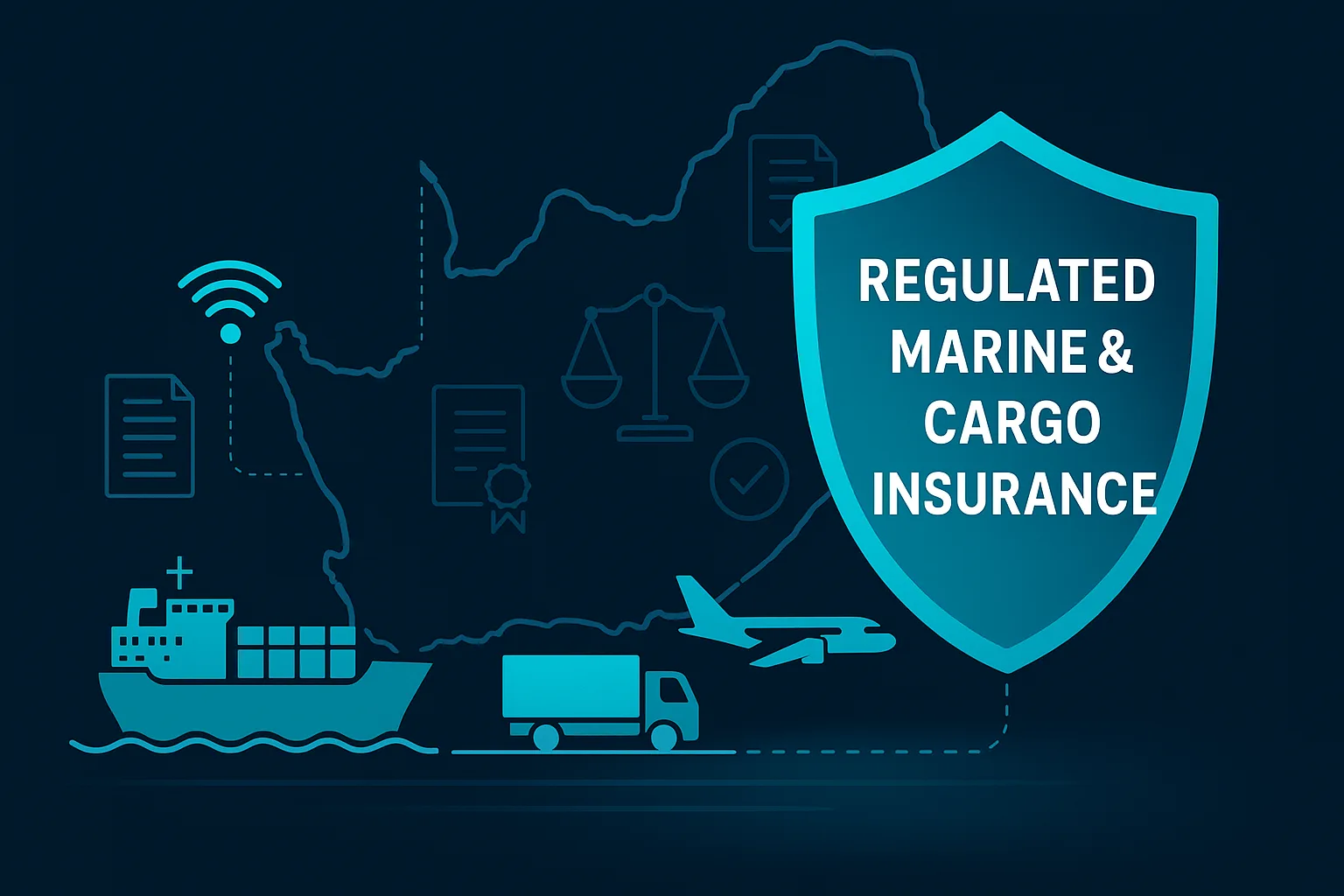
The sea may not have borders, but insurance does. In South Africa, marine and cargo insurance operates within a strict legal framework designed to protect both the insurer and the insured. It ensures that when you pay your premium, you’re buying a regulated financial product backed by law, oversight, and accountability.
Here’s what governs marine insurance beneath the surface.
1. The Marine Insurance Act, 1906
Yes, it’s old. But like a well-built ship, it still sails strong. The Marine Insurance Act of 1906, originally a British statute, remains the backbone of South African marine insurance law. It defines everything from insurable interest and uberrimae fidei (utmost good faith) to how indemnity and subrogation work.
It also formalises concepts like:
- When insurance cover legally begins and ends.
- How claims must be handled and proven.
- The rights of the insurer to recover losses from third parties.
MBFS Tip: While the Act sets the legal foundation, it’s not written for modern trade routes or digital claims. That’s where working with a broker who translates it into 2025 language makes all the difference.
2. The Financial Sector Regulation Act, 2017 (FSRA)
Modern oversight comes from the FSRA, which established two critical regulators:
- The Prudential Authority (PA): Oversees the financial soundness of insurers: making sure they can actually pay claims.
- The Financial Sector Conduct Authority (FSCA): Regulates how financial service providers, including brokers, treat their clients.
This is where compliance meets consumer protection. Brokers must be licensed, transparent about fees, and accountable for advice given.
MBFS Tip: We operate under full FSCA authorisation, which means every quote, policy, and claim process is compliant with South African financial law. You’re covered, and so are we.
3. International Conventions and Agreements
South Africa doesn’t sail alone. We’re a signatory to several key international maritime conventions that influence insurance terms and claims standards:
- SOLAS (Safety of Life at Sea): Sets safety standards for ship construction, equipment, and operation.
- CLC (Civil Liability for Oil Pollution Damage): Regulates environmental liability and clean-up responsibility.
- Hague-Visby Rules: Govern the responsibilities and liabilities of carriers transporting goods by sea.
These conventions create consistency between nations, ensuring your cover remains recognised from Durban to Dubai.
MBFS Tip: When you insure cargo internationally, these conventions form part of your policy, whether you know it or not. We make sure your documentation aligns so your claim doesn’t get lost in translation.
4. FSCA Licensing and Broker Conduct
Every South African broker must be licensed under the Financial Advisory and Intermediary Services (FAIS) Act, which falls under the FSCA’s jurisdiction. This ensures brokers:
- Maintain professional indemnity cover
- Follow ethical conduct codes
- Keep client records confidential and secure
- Provide clear, accurate advice supported by fact
MBFS Tip: We go beyond compliance by providing written explanations for every policy change, premium adjustment, or claim recommendation, no fine print without plain language.
5. Consumer Protection and Dispute Resolution
If disputes arise, clients have structured support through:
- The Ombudsman for Short-Term Insurance (OSTI): An independent body that helps resolve claim disputes fairly and free of charge.
- The FSCA Complaints Division: For conduct-related issues involving brokers or insurers.
While we have one of the lowest complaint ratios in its segment, we actively encourage clients to know their rights. Transparency builds trust and trust keeps everyone sailing straight.
6. Why Regulation Matters
Marine insurance can involve millions in assets crossing multiple jurisdictions. Without oversight, a single failed claim could sink a small business. Regulation ensures insurers stay solvent, brokers stay accountable, and clients stay protected.
For us, compliance isn’t paperwork but peace of mind. Every contract, claim, and clause we handle sits under a framework strong enough to weather any financial storm.
Case Study: A Lesson from Durban Port

It began, as most shipping disasters do, with good timing and bad weather.
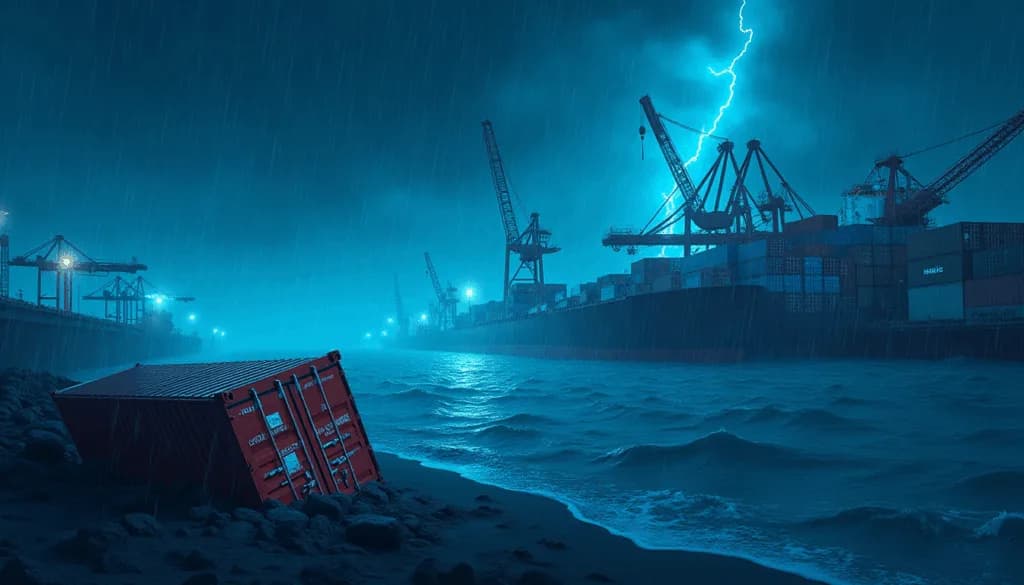
A Johannesburg-based manufacturer had just exported a shipment of precision machinery, delicate, expensive, and crucial to a new contract in Singapore. The goods were packed correctly, sealed, and handed to a reputable carrier. Everything went according to plan until the ship reached Durban harbour. Then the storm arrived.
Gale-force winds swept across the bay, tearing at cranes and containers. Two stacks toppled, one caught fire, and another (containing the client’s cargo) was crushed beneath falling steel. Within hours, a year’s profit lay in twisted metal, drifting somewhere between paperwork and panic.
When the client called us, the first words weren’t “Is it covered?” but “What do we do?”
We activated the claims protocol immediately:
- Notified the insurer and appointed a local marine surveyor on-site within three hours.
- Collected photos, damage reports, and harbour authority statements.
- Verified policy clauses and confirmed insurable interest still rested with the exporter under CIF terms.
By the next morning, the underwriter had an official loss estimate. The client had a plan.
MBFS Tip: When an event feels out of control, the process should not. Speed and documentation are what turn disaster into reimbursement.
Because the client had followed our claims-ready system by archiving invoices, packing lists, and Bills of Lading digitally, the surveyor had everything needed to process the claim on day one.
No missing paperwork. No backtracking. No endless email loops.
The insurer accepted liability within seven days and paid settlement inside 30. The client replaced the machinery, shipped again, and met the contract deadline. The storm became a story, not a statistic.
What We Learned
- Preparation Wins Every Time. Losses happen, but panic is optional when processes are in place.
- Local Presence Matters. Having surveyors and brokers who can physically reach the port within hours speeds resolution dramatically.
- Policy Alignment Is Key. Because we had reviewed the client’s Incoterms before shipment, there was no confusion about who owned the risk.
- Claims-Ready Is More Than a Phrase. It’s a living system of prevention, paperwork, and partnership.
What could have been a financial disaster became a managed inconvenience. The client retained the customer, replaced the cargo, and, because of the claim, strengthened their insurer relationship for future exports.
It’s not luck. It’s structure. And we build into every policy, so when storms come, you already know the way home.
The Digital Shift: Tracking, Tech, and the Mont Blanc Advantage
There was a time when marine insurance meant paper files, fountain pens, and a ship’s log that looked more like a diary than a data record. Those days are gone. Today, the sea runs on code. Every vessel, every shipment, every claim now leaves a digital footprint. For brokers and clients who embrace that shift, technology doesn’t replace trust, it enhances it.
We’ve made technology part of the crew. It keeps our clients faster, clearer, and more claims-ready than ever before.
1. Real-Time Cargo Tracking
Forget the anxious “Where is it now?” calls. Modern telematics and IoT sensors allow shippers to monitor cargo in real time, location, temperature, humidity, even impact shock. When a shipment deviates from route or condition, alerts trigger instantly. This means issues can be corrected before they become claims.
Example: A pharmaceutical shipment from Cape Town to London recorded a temperature spike mid-voyage. The alert prompted immediate action by the ship’s crew, saving the goods from spoilage.
MBFS Tip: We help clients integrate tracking data directly with insurers, creating evidence that shortens the claims cycle. When both sides share live data, the argument ends before it starts.
2. Paperless Documentation
Remember the file cupboard marked “Bills of Lading, 2018”? We’ve sent it to retirement. Instead we use encrypted cloud-based storage and digital submission systems, so your policy documents, invoices, and claims paperwork are stored, timestamped, and retrievable within seconds.
This means no lost originals, no courier delays, and no “I’ll check when I’m back in the office.”In a digital system, the office comes with you.
MBFS Tip: Electronic certificates of insurance are legally valid and globally recognised. We handle the admin so you can handle the shipping.
3. AI-Driven Risk Assessment
Artificial Intelligence isn’t replacing brokers, it’s giving us better tools. AI analyses years of claim data to identify risk hotspots, from theft-prone corridors to weather-sensitive ports. When combined with our on-the-ground knowledge, it turns guesswork into precision.
Example: Predictive analytics flagged a sharp rise in port theft incidents on a specific shipping lane. We used that insight to reroute high-value cargo and negotiate lower-risk premiums.
MBFS Tip: Data is the new compass. Used wisely, it helps you avoid trouble long before the storm clouds form.
4. Faster Claims, Fewer Delays
Digital systems mean insurers no longer wait for forms to arrive by fax (yes, some still did). Instead, claims are submitted electronically, supporting documents uploaded instantly, and assessments tracked in real time.
Our clients can see every step of the process, from notification to payout, on a single dashboard. Transparency saves time and, occasionally, tempers.
MBFS Tip: When your paperwork moves faster than your cargo, you’re doing something right.
5. Security and Compliance in the Cloud
With digital convenience comes responsibility. All our systems comply with South Africa’s Protection of Personal Information Act (POPIA) and international data standards. Your information is encrypted, stored securely, and never shared without consent.
MBFS Tip: Trust is built on more than a signature: it’s built on cyber safety. We protect client data as carefully as insurers protect cargo.
6. Our Advantage
The digital shift isn’t about gadgets or dashboards; it’s about confidence. When your logistics, insurance, and claims data talk to each other, you see risk in real time and act before it costs you.
- Smart systems paired with human insight
- Real-time tracking with old-fashioned accountability
- Tech that simplifies, not complicates
We don’t replace the human touch; we digitise the headache so you can focus on the horizon.
The world of marine insurance is moving at fibre-optic speed, and we are right there in the current. Technology may not calm the seas, but it does make the voyage smoother.
Conclusion: Confidence for Every Voyage
In a world where a single storm can scatter containers, where ports stall under pressure, and where digital pirates are as real as the ones with actual boats, marine and cargo insurance is no longer optional. It’s the backbone of every importer, exporter, manufacturer, and logistics operation that keeps South Africa’s economy moving.
A good policy protects your goods.A great broker protects your business.
From understanding Incoterms to navigating exclusions, from preparing claims to predicting risks, marine insurance is a partnership. And when cargo crosses oceans, borders, and occasionally tempers, the right partner becomes priceless.
We believe peace of mind should travel with every shipment. Whether your goods move by land, air, or sea, we help you stay insured, informed, and claims-ready. Because behind every cargo movement is a client who trusts us to keep their world moving forward.
And we take that responsibility personally.
Goods in transit cover: a closer look at what travels with your cargo
Marine and cargo insurance sets the outer boundary of protection, but goods in transit cover handles the ground-level detail most shippers discover too late. A marine policy covers your shipment while it's at sea or in the air; it won't automatically extend to the truck collecting your container from Durban harbour, the warehouse holding your stock overnight, or the last-kilometre delivery van. That gap is where claims get declined, and where the distinction between "covered in principle" and "covered in practice" starts to cost real money. South African road freight accounts for over 80% of domestic cargo movement, according to Stats SA's transport statistics, which means the majority of your goods' journey happens precisely where a marine policy goes quiet. Goods in transit cover steps into that silence, specifying which vehicles qualify, which routes are included, and which loading and unloading events trigger the policy. Understanding the mechanics before you ship, rather than after something disappears, is what keeps a claim from becoming a strongly worded conversation about what the schedule actually said. Our full guide to goods in transit cover walks through each element in detail.
Cargo moving by road sits under its own wording, with its own exclusions. Our guide to goods in transit cover works through what a GIT policy answers for and where it stops.
Stay Claims-Ready
Your cargo doesn’t travel alone – your protection shouldn’t either. Whether you’re shipping across oceans, trucking across provinces, or moving goods between continents, we navigate the risks with you.
You shouldn’t have to discover your cover stopped at the dock while your cargo is at the bottom of the sea. With Mont Blanc Financial Services you won’t.
Contact Mont Blanc Financial Services to confirm your marine and cargo cover follows the goods across every leg of the journey, not just one.
Explore the full marine and cargo insurance series
Each guide below takes one part of marine and cargo insurance and works through it in practical detail.
- Cheap Marine and Cargo Insurance South Africa
- Marine and Cargo Insurance Basics
- What Does Marine Cargo Insurance Cover
- Domestic Cargo Insurance: When Inland Risk Becomes Your Problem
- FOB, CIF, EXW: How Incoterms Decide Who Must Insure the Cargo
- 10 Marine Insurance Terms Shippers Keep Getting Wrong
- The Importance of Door-to-Door Marine Cover
- What Is Marine Hull Insurance? (Ships, Fishing Vessels, Barges)
- What Is Marine Liability Insurance? P&I, GIT, Charterers Liability
- Understanding Incoterms
- The Difference Between Cargo Owners, Freight Forwarders & Clearing Agents
- Who Is Responsible for Cargo, Freight and Customs Problems in a Shipment?
- Why Shipping Contracts Fail: Gaps Between Incoterms & Insurance Policies
- The Hidden Risks of Road Haulage for Imports & Exports
- When Does GIT Apply vs Marine Cargo? Complete Comparison
- Marine Hull Insurance: What It Covers and Where the Vessel Sits Uninsured
- Marine Liability Insurance: What P&I, GIT, and Charterers’ Cover Respond To
- War, Piracy and Political Risk Cover for Cargo

Nicola Iozzo
Founder & CEO, Mont Blanc Financial Services
Nicola has spent his career reading the policy wording most people skip, and writes here so you don't discover at claim stage what page 14 meant.
This blog is here to inform, not advise. Think of it as a guidebook, not a contract. For decisions affecting your world, have a chat with your broker or financial professional.
Mont Blanc Financial Services (PTY) Ltd. is an authorised financial services provider. FSP 8271