Marine Hull Insurance: What It Covers and Where the Vessel Sits Uninsured
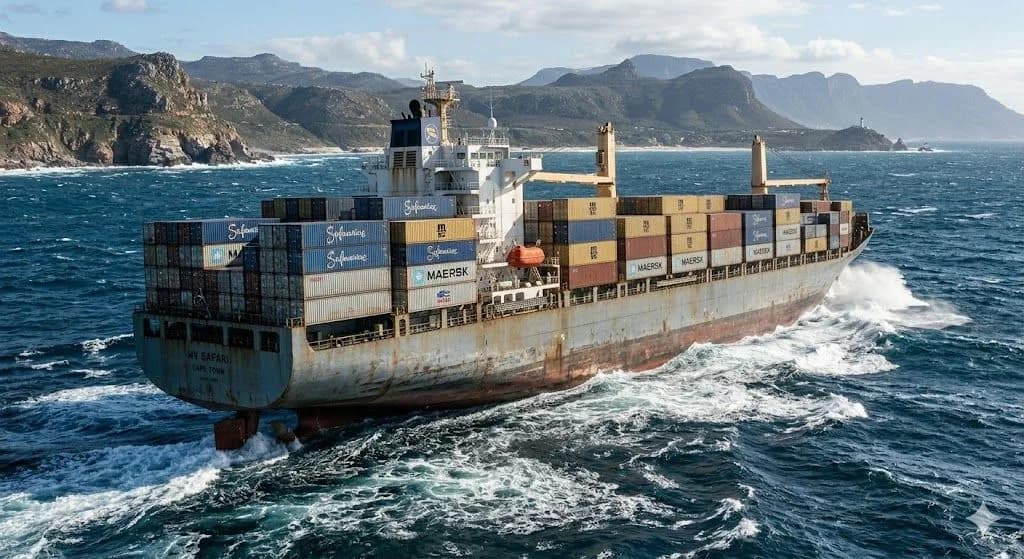
The owner had insured the cargo for years. The hull, he assumed, rode along under the same policy. It didn’t. The engine seized. The vessel was towed in. The claim landed on a contract that answered for the goods on board and nothing structural beneath them.
He’d read the schedule once, at inception, and filed it. The wording that governed the vessel sat in a section he hadn’t opened. The gap between what he assumed and what the clause said surfaced at the worst moment, with the boat already on the hard.
What is marine hull insurance?
Marine hull insurance covers physical loss of or damage to a vessel itself, including its hull and machinery. It responds to perils such as collision, grounding, fire, and heavy weather, up to the value agreed in the policy. It doesn’t cover the cargo on board or most third-party liabilities.
Key Takeaways
- Marine hull insurance covers the vessel and its machinery. It doesn’t cover the cargo it carries or the goods of other parties.
- Cover is usually written on a standard wording such as the Institute Time Clauses (Hulls), on an agreed-value basis set at inception.
- The sum insured settles the claim. An agreed value that no longer reflects the vessel leaves the owner short at a total loss.
- Seaworthiness is a condition, not a formality. A vessel out of class or poorly maintained gives the insurer grounds to decline.
- War, strikes, wear, and gradual deterioration are excluded by default. War and strikes cover is added back by separate clauses.
- Hull cover stops at the vessel. Liability to third parties sits in a different class.
What marine hull insurance covers
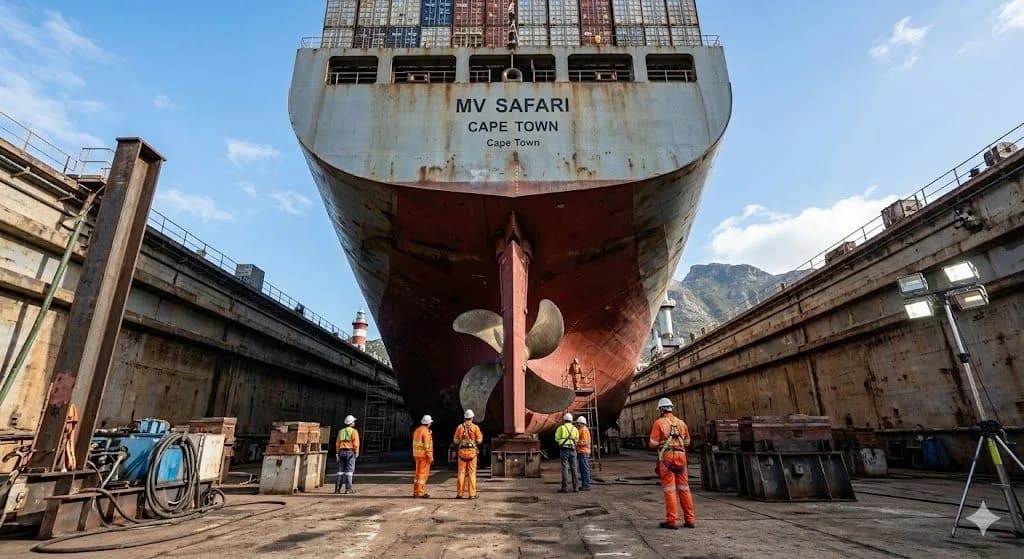
Marine hull insurance covers the vessel, not the goods riding on it. The hull is the structure. The machinery is everything that drives it: the engine, the shafts, the generators, the steering. A hull policy responds when those are lost or damaged by an insured peril. That includes collision, grounding, fire, heavy weather, and contact with a fixed object. The policy pays for the vessel as property. The cargo in the hold is a separate contract, and so is the cover for what marine cargo insurance covers.
Hull is its own line of the market. It’s written on standard wordings such as the Institute Time Clauses (Hulls) or the newer International Hull Clauses, on an all-risks or named-perils basis. It sits apart from cargo and liability in the way the market reports it. The International Union of Marine Insurance tracks hull as a distinct line from cargo and offshore energy. The distinction isn’t academic. It decides which section of the wording answers when a claim arrives.
If you’ve insured the freight for years and assumed the vessel travelled under the same cover, find the clause that names the hull. It’s usually somewhere the schedule doesn’t point to.
Agreed value, market value, and the figure that settles the claim
At a total loss, the agreed value is what the policy pays. It isn’t what the vessel was worth on the morning it sank. Most hull cover is written on an agreed-value basis. The owner and insurer fix a figure at inception, and that figure settles a total loss without an argument over market price. The strength of that is certainty. The weakness shows when the agreed value stops reflecting the vessel. Set it too low to save premium, and a total loss pays out short. Leave it for years, and rising replacement costs do the same.
Partial losses carry their own trap. Where the sum insured sits below the vessel’s real value, the principle of average can apply. The insurer then settles the repair in the proportion the cover bears to the value. A vessel insured for half its worth can collect half its repair bill. There’s a certain irony in an owner finding out the agreed value carried the whole claim on the one day it was tested.
So the figure deserves a review against current replacement cost, not the number agreed three years ago. That review belongs in the basics of marine and cargo cover. Handle it at renewal, before the survey rather than after the loss.
The seaworthiness warranty voids more claims than the weather
More hull claims fail on seaworthiness than on the peril that caused the loss. A marine policy carries a condition that the vessel is seaworthy. That means fit for the voyage, properly crewed, maintained, and in class. When an insurer shows the loss traced back to a vessel that wasn’t, the claim is exposed. The storm may be real. The unmaintained seacock that let the water in is the insurer’s argument.
In South Africa the vessel sits inside a regulatory frame as well as a policy one. Registration, survey, and safety standards run through the Merchant Shipping Act 57 of 1951, administered by the South African Maritime Safety Authority. A vessel out of class, overdue for survey, or operating outside its certificate gives the insurer firm ground to decline. The warranty was broken before the peril arrived.
Worth saying plainly: the class certificate and the survey record aren’t paperwork beside the cover. They’re part of it. The owner who lets class lapse to defer a cost has reduced the policy to a document that looks like cover and behaves like none. Keeping the vessel in class is the cheapest part of the whole programme. It’s also the part most often left until the renewal notice arrives.
Where hull cover stops: war, strikes, wear and tear
Standard hull cover excludes war, strikes, and the slow damage of time. The ordinary policy responds to sudden, accidental loss. It steps back from two categories. The first is politically driven loss: war, civil war, capture, seizure, and strikes or malicious acts. The second is the gradual kind: wear and tear, corrosion, deterioration, and damage that traces to the owner’s lack of due diligence. The first group can be bought back. The second cannot.
War and strikes risks return through the Institute War and Strikes Clauses, added by endorsement where that exposure is real. On some routes that endorsement isn’t optional in any practical sense. The wear-and-tear exclusion works differently. No endorsement removes it. An insurer covers fortuity, not the predictable decline of an asset its owner chose not to maintain.
Marine hull cover is regulated as short-term insurance in South Africa, under the Short-term Insurance Act 53 of 1998. The exclusions that decide these claims sit in the wording the insurer issues, not the schedule the owner files. That’s the recurring pattern. The schedule records the sum insured and the vessel name. The wording records what won’t be paid. It’s the wording that governs when the loss is one of the kinds the standard cover was built to leave out.
Hull is not liability: the gap to third parties
Hull cover pays for your vessel. It doesn’t pay for most of the harm your vessel does to others. The Institute Time Clauses carry a collision liability provision, the running-down clause. It’s commonly limited to three-fourths of the collision liability, and it stops there. Damage to a quay, a wreck that must be removed, pollution from a ruptured tank, injury to a crew member: these sit outside the hull policy. They belong to marine liability and protection and indemnity cover.
This is where an owner with hull cover alone meets the second gap. The vessel is insured. The liabilities it can generate are not, or not fully. An independent broker places the hull and the liability together, so the boundary is drawn before a collision tests it. In South Africa the intermediaries who place that cover work under the conduct standards set by the Financial Sector Conduct Authority. The recommendation should follow the risk, not the easier placement.
Worth confirming on any hull schedule: which liabilities the policy carries, to what proportion, and which ones need marine liability cover alongside it. The collision clause isn’t a liability programme. It’s a fraction of one. The fraction it leaves uncovered is usually the expensive part.
How the claim is assessed when the vessel is damaged
When a hull claim arrives, a surveyor sets the quantum and the wording settles the rest. The insurer appoints a marine surveyor. The surveyor establishes what was damaged, what the repair costs, and whether the loss is partial, total, or constructive. A constructive total loss arises where recovery and repair would cost more than the repaired vessel is worth. The owner who treats the surveyor as an advocate tends to be surprised. The surveyor’s brief is the insurer’s, not the insured’s.
Two recoveries sit alongside the repair. General average distributes a deliberate sacrifice across every interest in the voyage, jettisoned cargo or salvage among them. Sue and labour covers the reasonable costs the owner spends to prevent or reduce a loss. Both depend on records made at the time. They can’t be reconstructed afterwards. The market studies where these losses come from; the IUMI Major Claims Database records hull losses by cause and severity.
The documentation made in the first hours shapes the settlement as much as the wording does. A clear log, photographs, a prompt report, and the owner’s own record carry a claim that the wider marine and cargo programme was bought to answer. The owner builds that file, or explains its absence later.
What the wording says when the tow line goes on
The vessel and the goods travel together, but they don’t claim together. One section of the marine programme answers for the hull. Another answers for the cargo. A third answers for the liabilities the vessel can run up. The owner who knows which is which before the tow line goes on is reading a map. The owner who finds out during the claim is reading the same wording under worse light, with the surveyor aboard and the figure already fixed.
A sound hull means little if the deal is unsound, and why shipping contracts fail tends to start in the wording, not the water.
Who pays when depends on the terms, so the Incoterms rules decide more than most owners expect.
You shouldn’t have to learn the difference between the hull section and the cargo section during a claim. With Mont Blanc Financial Services you won’t.
Contact Mont Blanc Financial Services to review your marine wording and confirm what sits insured above and below the waterline.
Owners moving a vessel onto a new policy tend to raise the same questions before the survey is booked. These are the ones that come up first.
It sits within our broader guide to marine and cargo insurance.
Frequently Asked Questions
What does marine hull insurance cover in South Africa?
Marine hull insurance covers physical loss of or damage to a vessel and its machinery. The hull is the structure. The machinery is the propulsion, electrical, and steering equipment that runs it. Cover responds to insured perils. These include collision, grounding, fire, heavy weather, and contact with a fixed object, up to the value agreed in the policy. It is usually written on a standard wording such as the Institute Time Clauses (Hulls). The policy does not cover the cargo on board, which is insured separately. It also does not cover most third-party liabilities, beyond a limited collision provision. In South African practice, hull cover is a short-term insurance class. The vessel must meet registration and seaworthiness standards before and during the period of cover. The sum insured, the agreed value, sets the ceiling on what the policy pays at a total loss.
How is the sum insured set for marine hull insurance?
The sum insured is set as an agreed value, fixed by the owner and insurer when the policy incepts. That agreed figure settles a total loss directly. There is no separate argument over the vessel’s market price at the time of loss. The figure should reflect the cost to replace the vessel. It should not be the book value or a number carried over from an earlier year. An agreed value set too low reduces what the owner recovers at a total loss. It also exposes partial claims to the principle of average. There, an understated value lets the insurer settle a repair in proportion to the shortfall. A vessel insured for less than its real worth can recover less than the full repair cost. Reviewing the agreed value at each renewal, against current replacement cost, keeps it aligned with the vessel. It avoids a shortfall that only becomes visible at claim stage.
Does marine hull insurance cover third-party liability?
Marine hull insurance covers third-party liability only to a limited extent. Standard hull wordings such as the Institute Time Clauses include a collision liability provision. It is often the running-down clause, commonly capped at three-fourths of the collision liability. Beyond that, liabilities arising from the vessel sit outside the hull policy. Wreck removal, pollution, and damage to fixed objects such as quays fall elsewhere. So do injury to crew or third parties and the remaining quarter of collision liability. These are covered under marine liability and protection and indemnity cover, not under hull. An owner relying on a hull policy alone for liability is exposed to the largest categories of third-party claim. The practical step is to confirm what proportion of collision liability the hull wording carries. Then place separate liability cover for everything the hull policy excludes. Hull and liability are designed to work together, not as substitutes.
What voids a marine hull insurance claim?
A marine hull insurance claim is most often defeated by a breach of the seaworthiness condition, rather than by the peril itself. A vessel must be seaworthy for the voyage: maintained, properly crewed, in class, and within its certificate. Where an insurer shows the loss traced back to an unseaworthy vessel, the claim can be declined even when an insured peril was present. Other common reasons a claim fails include non-disclosure of a material fact at inception. Operating outside the policy’s navigation limits or trading warranties is another. So are losses falling under standard exclusions, such as wear and tear or war and strikes where no buy-back cover was arranged. Late reporting and poor documentation weaken otherwise valid claims. Keeping the vessel in class, disclosing material facts, observing navigation limits, and reporting promptly are the practical safeguards against a declined claim.

Nicola Iozzo
Founder & CEO, Mont Blanc Financial Services
Nicola has spent his career reading the policy wording most people skip, and writes here so you don't discover at claim stage what page 14 meant.
This blog is here to inform, not advise. Think of it as a guidebook, not a contract. For decisions affecting your world, have a chat with your broker or financial professional.
Mont Blanc Financial Services (PTY) Ltd. is an authorised financial services provider. FSP 8271