The Importance of Door-to-Door Marine Cover
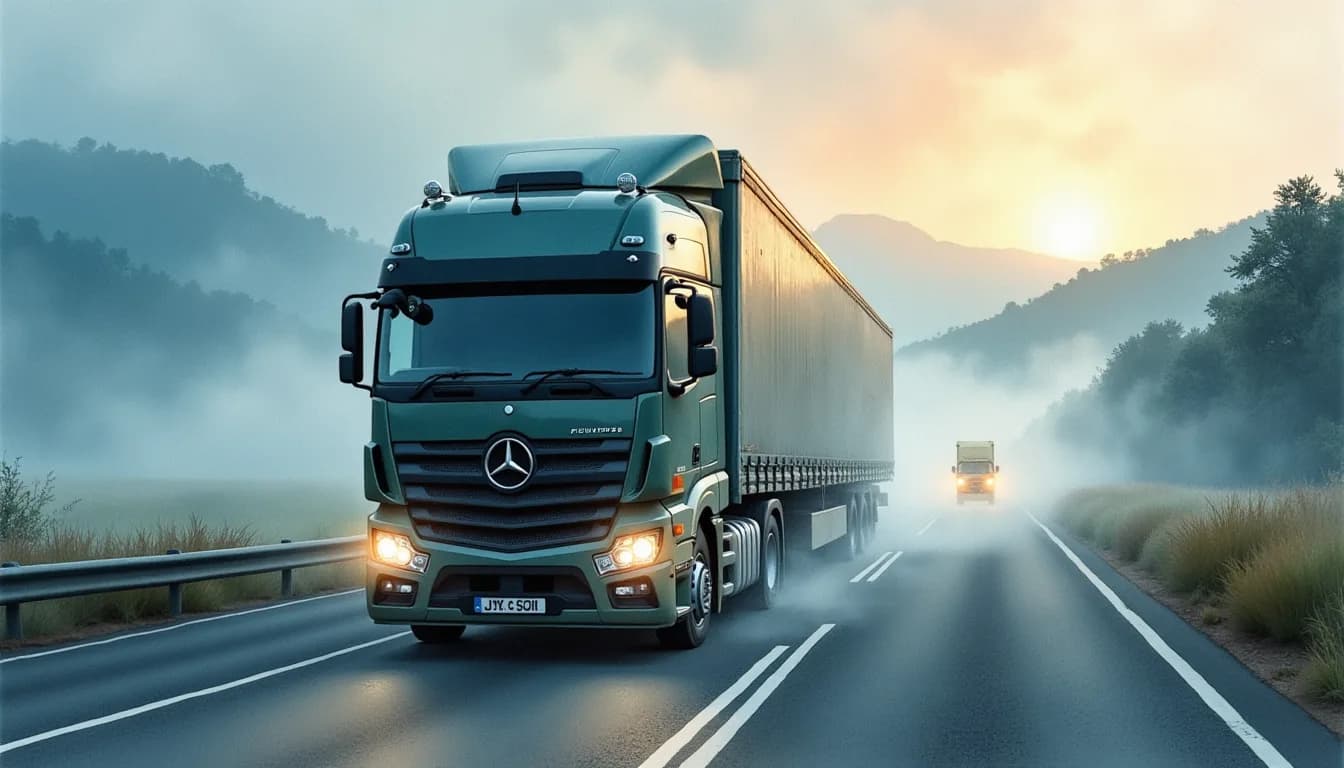
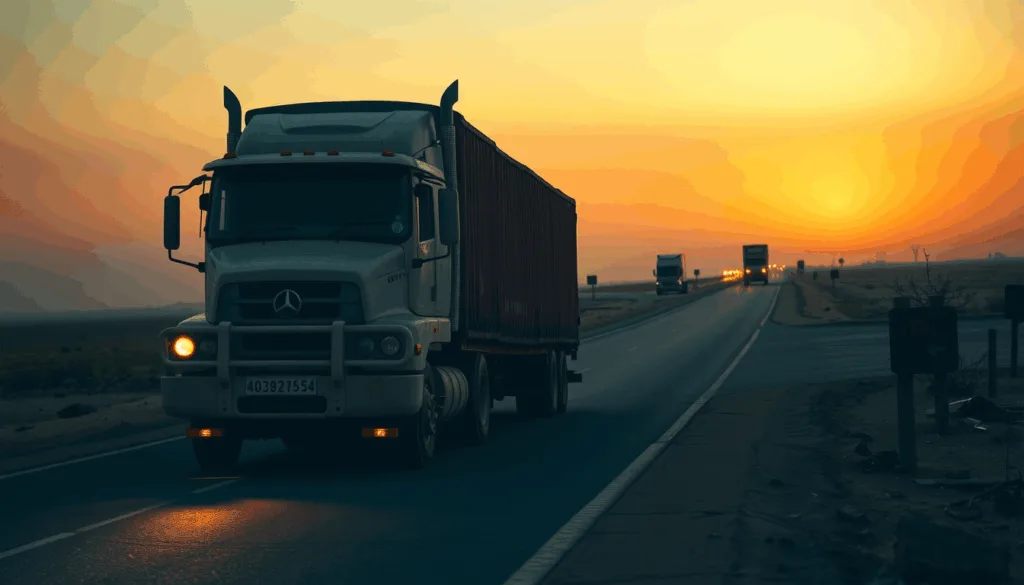
High-value electronics can survive an ocean voyage, two port lifts, customs, and the chaos of Durban Harbour, then vanish to a hijacking crew on the road outside Pietermaritzburg, minutes from looking like a clean delivery. The importer had a strong policy and a large gap: his marine cover ended at the port, and the inland journey sat completely exposed. Door-to-door cover exists to close exactly that space, the loss hiding between the legs no single policy watched.
What is door-to-door marine cover?
Door-to-door marine cover protects cargo from the moment it leaves the supplier’s premises until it reaches the final destination, under one continuous policy. It spans inland movement at origin, loading, export clearance, international transit, import clearance, and inland movement and unloading at destination, placing every stage with a single insurer on one timeline rather than splitting the journey.
Key Takeaways
- Door-to-door marine cover protects cargo across the entire journey, from the supplier’s premises to the final destination, under one continuous policy.
- It spans every stage: inland movement and loading at origin, export and import clearance, international transit, and inland movement at destination.
- Port-to-port cover protects only from the departure port to the arrival port, leaving the inland legs before and after exposed.
- When separate inland and marine policies are used, each insurer sees only a slice of the journey and they can disagree on where damage occurred.
- With one insurer owning the full journey, responsibility stays clear and claims move faster, removing the gap-and-argument problem.
What Is Door to Door Marine Cover
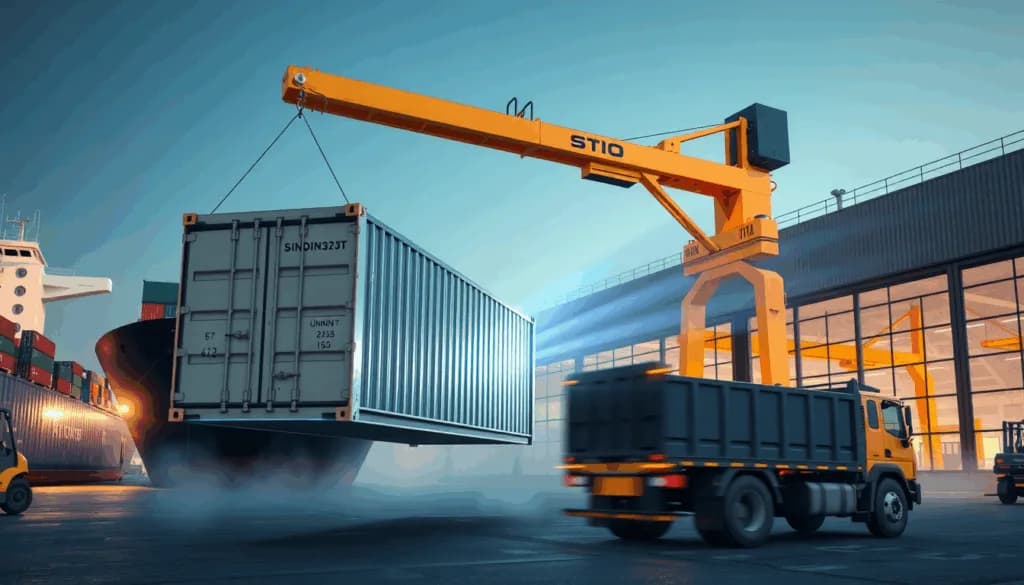
Door to door cover protects your cargo from the moment it leaves the supplier until the moment it reaches your exact final destination.
It includes every stage:
- Inland movement at origin
- Loading at origin
- Export clearance
- International transit
- Import clearance
- Inland movement at destination
- Unloading at destination
Every step sits under one insurer and one continuous timeline.
Why This Is More Essential Than You Think
A single shipment moves through several hands, forklifts, depots, trucks, cranes and customs points. Each handoff introduces risk. When you rely on separate inland and marine policies, each insurer views only a slice of the journey. They assess events differently, use different wording and often disagree on where the damage occurred.
Door to door cover removes these arguments entirely. When one insurer owns the full journey, responsibility stays clear and claims move faster.
The Hidden Gaps in Port to Port Cover
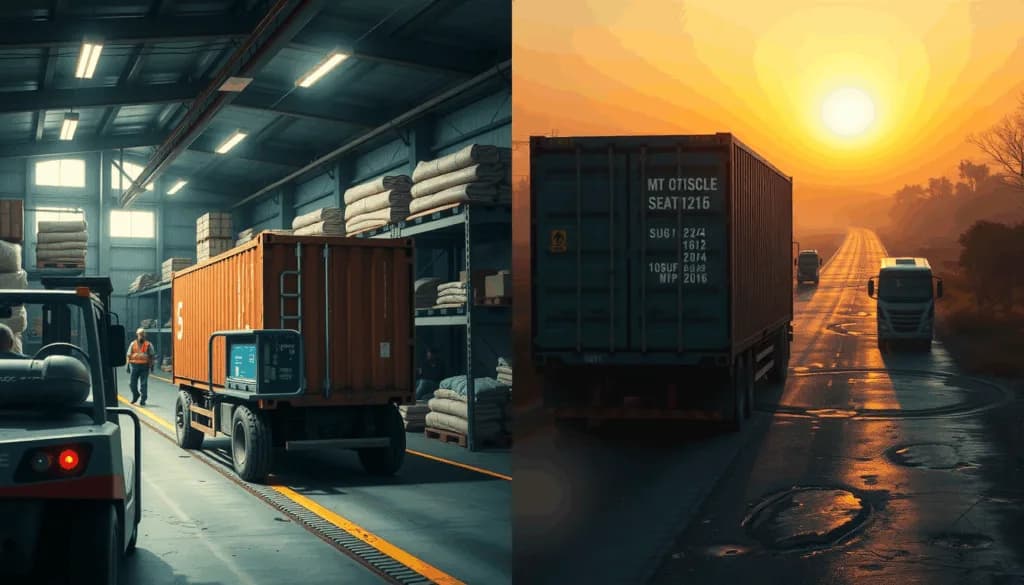
Port to port cover protects cargo from the loading point at the departure port to the unloading point at the arrival port. Everything before and after remains unprotected.
Most importers do not realise this.
The Warehouse to Port
Cargo begins life in a supplier’s warehouse. Then it moves through trucks, depots and holding yards before reaching the port. Forklifts, pallet jacks, rain, bad strapping, and low-quality packing create real risk during this early stage. Port to port cover does not respond here.
The Port to Warehouse Risk
Your shipment may reach South African soil safely, only to face hijackers, potholes, fires, accidents, or careless handling on the inland road network. Port to port cover remains silent from the moment the container leaves the terminal.
.
The Port to Warehouse Risk
Your shipment may reach South African soil safely, only to face hijackers, potholes, fires, accidents, or careless handling on the inland road network. Port to port cover remains silent from the moment the container leaves the terminal.
The Loading and Unloading Risk
Lifting, stacking and crane movement rank among the most common moments of cargo damage. If loading occurs outside the active cover period, the loss is yours to absorb.
Door to door cover closes every one of these gaps.
Why Door to Door Cover Creates Faster Claims
A single insurer manages every kilometre, every lift, and every potential point of failure. Claims no longer stall while insurers argue about where the loss occurred.
How Multiple Insurers Slow Claims
Without unified cover, your claim may become a debate like this:
“Inland damage happened before marine cover.”“No, it happened during handling.”“No, it happened inside the port.”“No, it happened outside the depot.”
Door to door removes these deadlocks. One insurer owns the full story, so they investigate once and settle once.
Common Door to Door Claims in South Africa
South African inland movement produces unique challenges. The risks below appear frequently:
Hijacking
The most common and financially devastating inland loss. Criminal groups target predictable routes and move fast.
Impact Damage
Load shifting, sudden braking, sharp corners and potholes all damage goods even inside sealed containers.
Warehouse Damage
Forklifts cause more dents, holes and crushed crates than storms ever will.
Handling Error
Containers slip, tilt, misalign or drop during stacking. Human error at depots creates more loss than the ocean.
Weather Damage
Rain during loading, flooded yards and wet packaging happen often. Water will always find a way.
Door to door cover follows your cargo through all these exposures.
Why Door to Door Works Better with Fragile or High-Value Goods
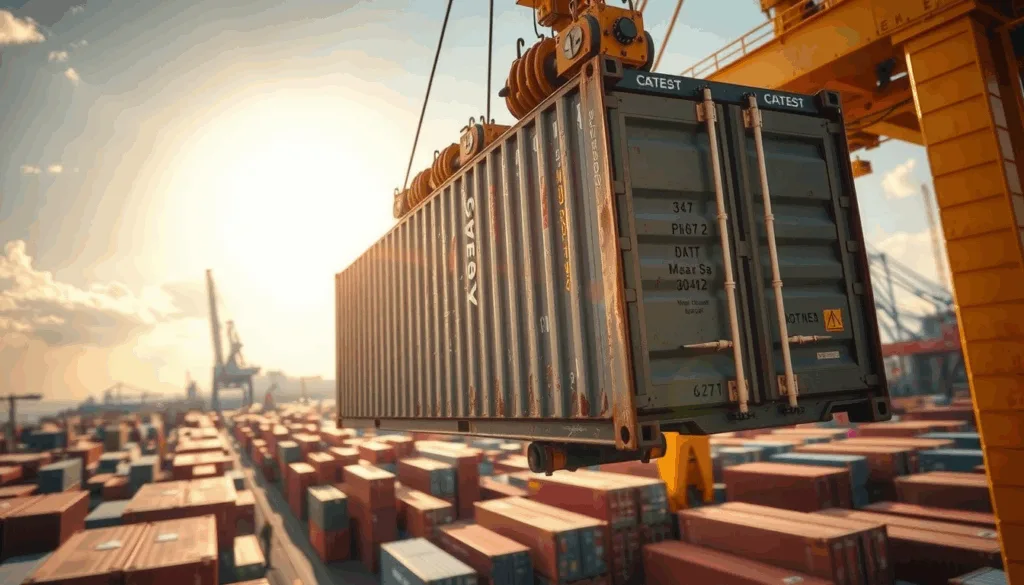
Fragile, sensitive, medical, electronic, or oversized goods need protection during every movement, not only at sea.
Fragile Cargo Needs Continuous Protection
Bumps, vibration and tilting create damage long before the vessel appears. Door to door ensures no gap interrupts your protection.
High-Value Cargo Needs Predictability
You cannot risk arguments during claims. Continuous cover creates one straight path from shipment to settlement.
Temperature-Sensitive Cargo Needs Immediate Clarity
Food, pharmaceuticals, and electronics cannot wait for insurers to argue about boundaries. Door to door provides the certainty you need.
Why Door to Door Cover Gives You More Control
Door to door cover lets you choose:
- The insurer
- The wording
- The limits
- The excess
- The handling rules
You avoid cheap supplier insurance and unreliable default cover from forwarders. You control the risk level instead of inheriting someone else’s cost-saving decisions.
How Incoterms Affect Door to Door Cover
Your Incoterm decides who must insure the cargo.
Door to Door Works Best Under EXW or FOB
These terms give you control. When you control the insurance, you can implement door to door cleanly and consistently.
Door to Door Under CIF
CIF includes only minimum cover from the supplier. You can still add your own door to door cover on top, and many importers do exactly that to deal with South African inland risk.
Why South African Roads Make Door to Door Essential
The inland journey is often more dangerous than the ocean one. Our roads bring:
- High hijack rates
- Poor road conditions
- Overloaded trucks
- Taxis ignoring road laws
- Flood-prone areas
- Sudden construction zones
Door to door insurance protects your business from regular inland chaos.
How to Know If You Need Door to Door Cover

You need door to door protection if:
- You import or export high-value goods
- You use long inland routes
- You ship fragile, perishable or specialised cargo
- Your supplier uses weak packing
- You want fast, clean claims
- You cannot afford even one shipment loss
- You use EXW or FOB
If you meet three or more, door to door is the safest choice.
Door to door still touches tar, so road haulage carries its own exposure between port and gate.
The cover can change at the quay, which is the puzzle of when GIT applies against a marine policy.
You shouldn’t have to watch cargo survive the ocean and vanish on the inland leg your cover never reached. With Mont Blanc Financial Services you won’t.
Contact Mont Blanc Financial Services to arrange cover that follows your goods from the supplier’s door to yours, with no gap between the legs.
It sits within our broader guide to marine and cargo insurance.
Frequently Asked Questions
What is door-to-door marine cover?
Door-to-door marine cover protects cargo from the moment it leaves the supplier’s premises until it reaches the buyer’s exact final destination, all under a single continuous policy. It is designed to cover every stage of the journey without gaps: inland movement at origin, loading, export clearance, international transit, import clearance, and inland movement and unloading at the destination. The defining feature is that every step sits under one insurer on one continuous timeline, rather than being split across separate policies for different legs. This matters because a shipment passes through many hands, forklifts, depots, trucks, cranes, and customs points, and each handoff introduces risk. By placing the whole journey with one insurer, door-to-door cover ensures there is no leg left unprotected and no seam between policies where a loss can fall. It is the most comprehensive way to insure a shipment, closing the gaps that arise when cover is arranged piecemeal. For a business importing or exporting valuable goods, it removes the uncertainty of wondering which policy, if any, covers each part of the trip.
How is door-to-door cover different from port-to-port cover?
Door-to-door cover and port-to-port cover differ in how much of the journey they protect. Port-to-port cover protects cargo only from the loading point at the departure port to the unloading point at the arrival port, which means everything before and after, the inland movement at origin and destination, the loading and unloading, the clearance stages, remains outside the cover. Door-to-door cover, by contrast, protects the entire journey from the supplier’s premises to the final destination, including all of those inland and handling legs. The practical significance is large: a great deal of cargo risk, particularly in the South African context, sits on the inland legs rather than the ocean voyage, so port-to-port cover can leave the most dangerous parts of the trip exposed. A shipment can be fully covered between ports and entirely unprotected on the road to its destination. Door-to-door cover removes this gap by extending protection across the whole journey. Choosing between them comes down to whether a business is willing to carry the inland legs uninsured, which in many cases is exactly where the loss occurs.
Why does door-to-door marine cover make claims easier?
Door-to-door cover makes claims easier because a single insurer owns the entire journey, which removes the disputes that arise when responsibility is split. When a business relies on separate inland and marine policies, each insurer sees only a slice of the journey, assesses events differently, uses different wording, and the insurers can disagree about where the damage actually occurred. That disagreement can leave a shipper caught between two policies, each pointing at the other, while the claim stalls. Door-to-door cover eliminates this by placing the whole journey with one insurer on one continuous timeline, so when a loss occurs there is no question of which policy responds or where the boundary between covers sits. Responsibility stays clear, and the claim moves faster because there is no inter-insurer argument to resolve first. This is one of the strongest practical advantages of door-to-door cover beyond the elimination of gaps: it simplifies the claim itself. For a shipper, fewer arguments and faster resolution can matter as much as the breadth of cover, since a delayed claim carries its own cost.
Who needs door-to-door marine cover?
Door-to-door marine cover suits any business importing or exporting goods that travel through multiple legs and handoffs, particularly where the inland portion of the journey carries significant risk. Because it closes the gaps between legs and places the whole journey with one insurer, it is most valuable to businesses whose cargo moves inland over meaningful distances, through high-risk corridors, or across several transfers between transport modes, exactly the conditions common in South African trade. An importer bringing high-value goods through a port and then trucking them inland faces real exposure on that final leg, which port-to-port cover would leave unprotected. Door-to-door cover addresses this directly. It is also valuable where the certainty and speed of claims matter, since a single insurer simplifies the process. A business moving low-value goods over a short, low-risk route may find narrower cover sufficient, but for valuable cargo crossing the kinds of distances and risks typical of importing into South Africa, door-to-door cover matches the genuine shape of the journey and its exposures more closely than piecemeal alternatives.

Nicola Iozzo
Founder & CEO, Mont Blanc Financial Services
Nicola has spent his career reading the policy wording most people skip, and writes here so you don't discover at claim stage what page 14 meant.
This blog is here to inform, not advise. Think of it as a guidebook, not a contract. For decisions affecting your world, have a chat with your broker or financial professional.
Mont Blanc Financial Services (PTY) Ltd. is an authorised financial services provider. FSP 8271