Drone Insurance in South Africa: What Part 101 Requires and What Cover Responds
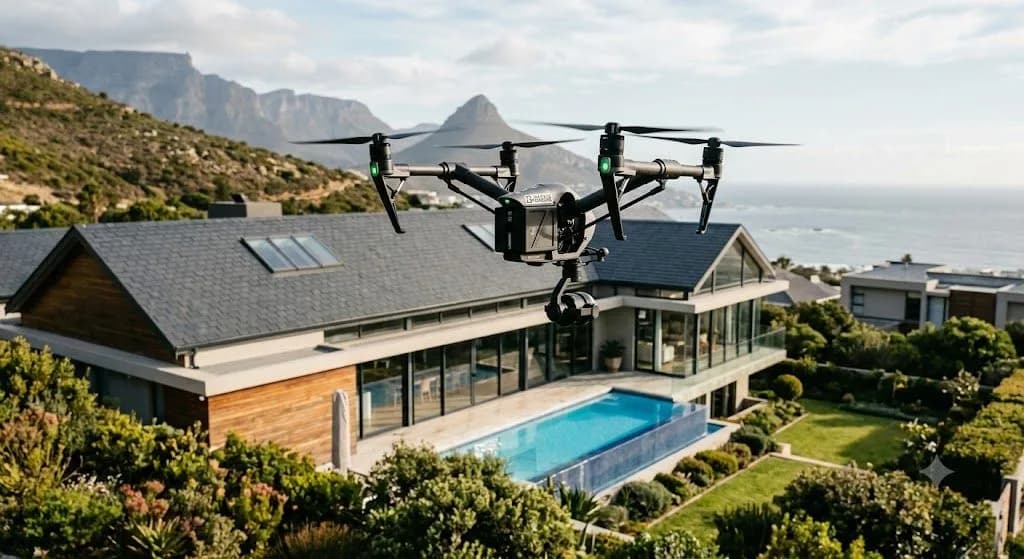
The photographer bought a capable drone, took on paid property shoots, and assumed his business cover stretched to it. It didn’t. When the drone went down over a client’s roof and cracked a skylight, the claim met an exclusion for aircraft. There was a second problem too: he’d been flying commercially without the certificate the law requires.
He’d treated the drone as a camera with rotors. The regulator treated it as an aircraft, with all that follows: registration, a licensed operator, and cover built for the air, not the office. The gap between those two views was where the loss landed.
What is drone insurance in South Africa?
Drone insurance in South Africa covers a remotely piloted aircraft for physical damage, theft, and the operator’s liability to other people and property. For commercial operators it isn’t optional. Part 101 of the Civil Aviation Regulations requires adequate third-party liability cover before a drone is flown for gain.
Key Takeaways
- The South African Civil Aviation Authority regulates drones as aircraft under Part 101 of the Civil Aviation Regulations.
- Commercial drone operators must be registered and certified, and must hold third-party liability cover before flying for gain.
- Drone cover typically has three parts: hull for the drone, third-party liability for injury or damage, and theft or ground cover.
- A standard business or public liability policy usually excludes aircraft, so drone operations need specialist cover.
- Recreational pilots flying light drones face fewer rules, but still carry third-party exposure if the drone causes harm.
- Cover placed without a valid operating certificate can fail, because the operation it insures isn’t lawful.
What drone insurance in South Africa covers
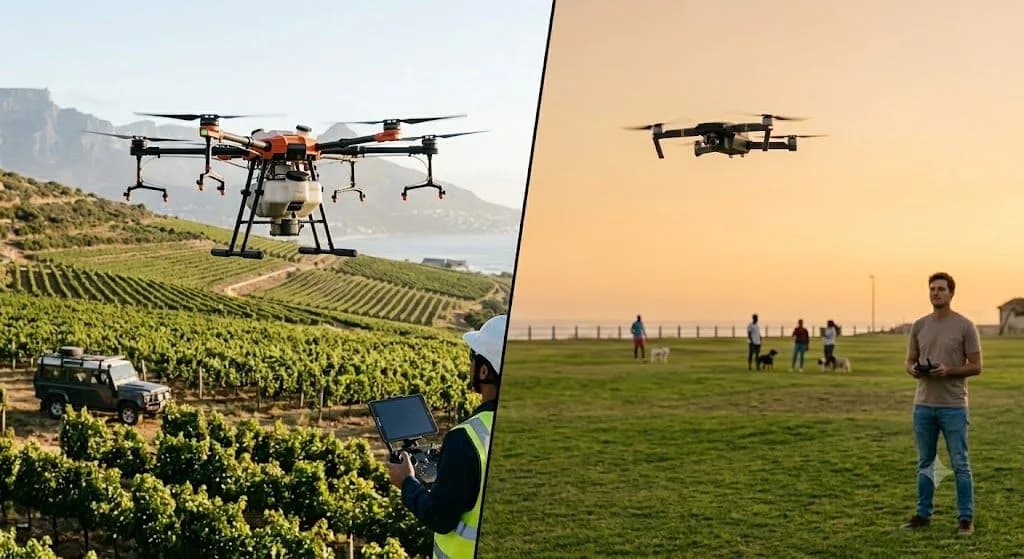
Drone insurance in South Africa is aviation cover for an aircraft the law treats as an aircraft. The South African Civil Aviation Authority regulates remotely piloted aircraft systems the same way it regulates crewed aviation, and the insurance follows the same shape. There are three usual parts. Hull cover handles physical loss or damage to the drone. Third-party liability handles injury or damage the drone causes to others, and a third section covers theft or damage on the ground.
The proportions differ from crewed aviation, but the logic doesn’t. The drone itself is a finite, often modest value. The harm it can do to a person, a vehicle, or a building is not. Most of the exposure sits in the liability section, not the hull.
So drone cover isn’t a gadget warranty. It’s aviation insurance scaled to a small aircraft, and the full guide to aviation insurance applies to it more than most owners expect.
Part 101 and the insurance the law requires
For commercial drone operations, third-party liability cover is a legal requirement, not a choice. The SACAA unmanned aircraft framework sets out Part 101. Under it, a commercial operator must register the drone, hold an operating certificate, and fly with a licensed remote pilot. Part 101 requires the operator to stay adequately insured for third-party liability, and proof of that cover forms part of the certificate application.
The drone is an aircraft in law, defined under the Civil Aviation Act 13 of 2009. Flying one for gain without the certificate and the cover is an offence, not an oversight. A minimum third-party liability limit applies per drone, commonly cited at R500,000, and the current regulations govern the exact figure. What SACAA compliance requires of crewed aircraft applies, in its own form, to drones.
So the cover and the certificate arrive together. One is a condition of the other, and neither stands on its own.
Commercial and recreational drones are insured differently
Drone cover splits on use, the same way the licensing does. A commercial operator carries the full weight of Part 101: registration, an operating certificate, a licensed pilot, and mandatory liability cover. A recreational pilot flying a drone under seven kilograms faces far less: no licence, no operating certificate, but a set of operating rules. The flight has to stay within visual line of sight, below 120 metres, and in daylight. It must also stay clear of airports, people, and property the pilot doesn’t control.
The lighter rules don’t remove the exposure. A hobby drone that injures someone or damages property creates the same third-party liability a commercial one does, even with no cover mandated. The split between hull and liability cover is as relevant for a private flyer as a commercial one.
So fewer rules don’t mean no risk. The recreational pilot carries the liability without the certificate that proves they were entitled to fly.
Where drone claims get refused
Most drone claim refusals trace to flying outside Part 101. Cover placed for a commercial operator is written on the basis that the operator has a valid certificate. Fly without it, or outside its terms, and the operation isn’t lawful, and a policy generally won’t respond to an unlawful flight. The same applies to flying over people, near airports, or in restricted areas like national parks without approval.
Privacy and nuisance add a second layer. A drone that films where it shouldn’t can create legal liability a standard aviation wording may not cover at all. Reading how risk and exclusions are written is how an operator sees these limits before a flight tests them.
So the fastest way to void drone cover is to fly the drone the regulator’s rules don’t allow. The exclusion for unlawful operation does the rest.
Why general liability cover usually isn’t enough
A standard business or public liability policy rarely covers drone operations properly. Most commercial policies exclude aircraft, and a drone is an aircraft in law, so the exposure falls straight into the exclusion. An operator who assumes the existing business cover stretches to the drone is often uninsured for the one risk they most need to carry.
Specialist drone cover closes that gap. A broker working under the conduct standards of the Financial Sector Conduct Authority can place it against the operation as it runs in practice. The cover also tends to depend on compliance, because an insurer will look for a valid certificate before it pays. Working through aviation liability and the broker’s role is how the right wording gets matched to the operation.
So a business policy isn’t a drone policy. The aircraft exclusion is the line a specialist drone wording is written to cross.
What an operator should put in place
The order is compliance first, then cover matched to the operation. A commercial operator registers the drone, obtains the operating certificate, and flies with a licensed pilot. Only then is the third-party cover the law requires valid. With that in place, the cover should reflect the operation. That means hull cover for the drone’s value, third-party liability sized to the work, and theft or ground cover where the drone is exposed off-site.
Drone insurance is a short-term insurance class in South Africa, regulated under the Short-term Insurance Act 53 of 1998. The wording rewards an operation that matches what was declared. Fly the work that was disclosed, on the certificate that was issued, and the cover does its job.
So the policy isn’t the starting point. The certificate is, and the cover is built on top of it.
What drone cover comes down to
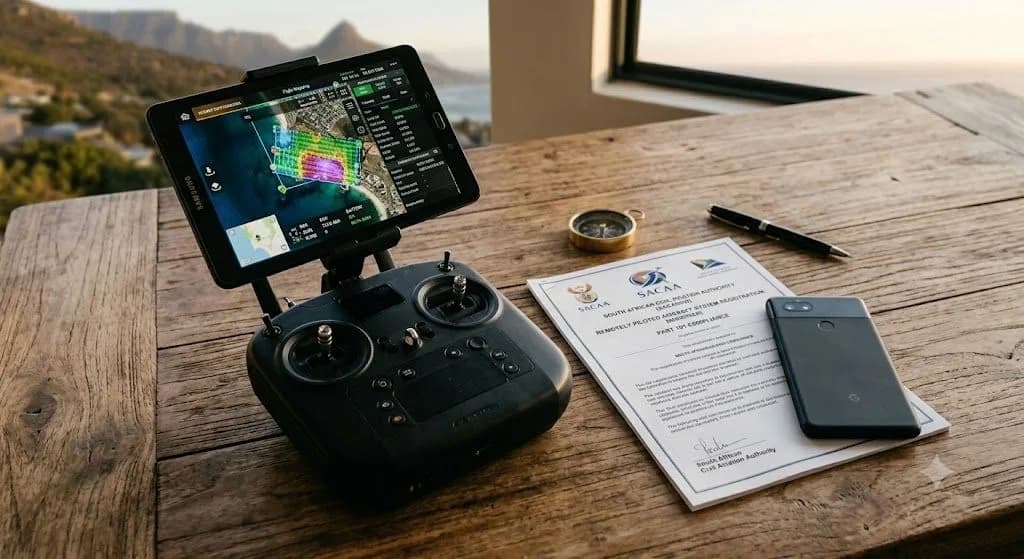
Drone cover comes down to one distinction the regulator made and many operators miss: a drone is an aircraft. Treat it as a camera, and the business policy that should respond meets an aircraft exclusion. Treat it as an aircraft, and the path is clear. Register it, certify the operation, fly it lawfully, and insure it as the small aircraft it is. The technology is new. The principle behind the cover isn’t. It’s the same one that governs everything else in the air.
You shouldn’t have to discover your business policy excludes the drone after it’s already fallen. With Mont Blanc Financial Services you won’t.
Contact Mont Blanc Financial Services to match your drone operation to cover that stands up against Part 101 and the exposure you carry.
Operators new to flying drones for gain tend to ask the same questions about what’s required and what’s covered. These come up first.
Flying over private property, and what the cover answers for
A drone operator asking whether a flight over someone else’s property is permitted is asking two questions at once, and the answers come from different places. The regulations govern the flight. The policy governs what happens if the flight goes wrong, and it reads the regulations before it pays.
On the regulatory side, an operator is expected to have permission from the person in charge of property or people not under their own control before operating over them. Permission is the operative word: ownership of the drone and a valid licence do not substitute for it, and neither does flying at a height which feels safe. Privacy obligations sit alongside the aviation ones where a camera is running, which is a separate exposure again.
On the insurance side the consequence is direct. Liability cover responds to a lawful operation, so a flight conducted without the permission the regulations require gives an insurer a reason to decline, whatever the cause of the loss turns out to be. The damage is rarely the disputed point. The authority to be where the aircraft was is. Operators who record permissions alongside flight logs find claims move faster, because the first question an adjuster asks is answered before it is put.
Frequently Asked Questions
Is drone insurance required in South Africa?
Yes, for commercial drone operations. Drone insurance is required in South Africa for anyone flying a drone for gain. Part 101 of the Civil Aviation Regulations obliges a commercial operator to be adequately insured for third-party liability. Proof of that cover forms part of the operating certificate application, so an operator can’t be certified without it. Recreational pilots flying light drones aren’t compelled by the same rule. But they still carry liability if the drone harms someone or damages property, which makes cover sensible even when it isn’t mandatory. The requirement sits alongside the rest of the framework: registration, an operating certificate, and a licensed remote pilot. Flying a commercial drone operation without the required insurance is both an uninsured risk and a breach of the regulations. The cover and the certificate are designed to be held together.
How much does drone insurance in South Africa cost?
Drone insurance in South Africa has no single price, because it is rated to the drone, the operation, and the cover chosen. The main factors are the drone’s value, which sets the hull premium, and the third-party liability limit carried. The nature of the work and whether the operator has a valid certificate also count. Commercial cover priced for a certified operator differs from a hobby policy on a light drone. The regulations set a minimum third-party liability limit per drone, commonly cited at R500,000. The current regulations govern the exact figure, and higher limits are usual for serious commercial work. Rather than rely on a published number, an operator should price the actual drone, use, and limits with a broker. As with crewed aircraft, the lowest premium and the right cover are rarely the same thing.
Do recreational drone pilots need insurance in South Africa?
Recreational drone pilots in South Africa aren’t legally required to hold insurance the way commercial operators are, but cover is still worth carrying. A hobby drone under seven kilograms can be flown without a licence or operating certificate, provided the pilot follows the operating rules. Those rules mean visual line of sight, below 120 metres, in daylight, and away from airports, people, and property they don’t control. None of that removes the financial exposure if the drone causes harm. A recreational flight that injures a bystander or damages a vehicle creates a third-party liability the pilot carries personally. A standard household policy generally excludes aircraft, so the liability often sits uninsured unless a specific drone cover is arranged. The mandate applies to commercial use, but the risk applies to everyone who flies.
What does drone insurance cover in South Africa?
Drone insurance in South Africa usually covers three things: the drone itself, the operator’s liability to others, and theft or damage on the ground. Hull cover pays for physical loss or damage to the drone, often on an agreed value. Third-party liability covers injury to people or damage to property the drone causes. It is the cover Part 101 makes mandatory for commercial operators. Theft and ground cover protect the equipment when it isn’t flying. Some policies extend to professional or privacy-related liability, which a general aviation wording may not include. What a policy won’t cover is an unlawful flight: operating without a valid certificate, or outside the rules, generally falls outside the cover. The cover is built around a drone flown lawfully, by an operator the regulator has approved.
Can I fly a drone over private property in South Africa, and will my insurance respond?
The two parts of the question have different answers. The regulations expect an operator to hold permission from the person in charge of property or people not under their control before operating over them, and permission is not replaced by a licence, by a registered aircraft or by flying at a height which feels safe enough. Where a camera is running, privacy obligations apply alongside the aviation ones. The insurance position follows from the regulatory one: liability cover responds to a lawful operation, so a flight conducted without the required permission gives the insurer grounds to decline regardless of what caused the loss. In practice the disputed point is seldom the damage. It is whether the drone was entitled to be where it was. Recording permissions with the flight log answers that before an adjuster asks it.

Nicola Iozzo
Founder & CEO, Mont Blanc Financial Services
Nicola has spent his career reading the policy wording most people skip, and writes here so you don't discover at claim stage what page 14 meant.
This blog is here to inform, not advise. Think of it as a guidebook, not a contract. For decisions affecting your world, have a chat with your broker or financial professional.
Mont Blanc Financial Services (PTY) Ltd. is an authorised financial services provider. FSP 8271