What Is Marine Liability Insurance? P&I, GIT, Charterers Liability
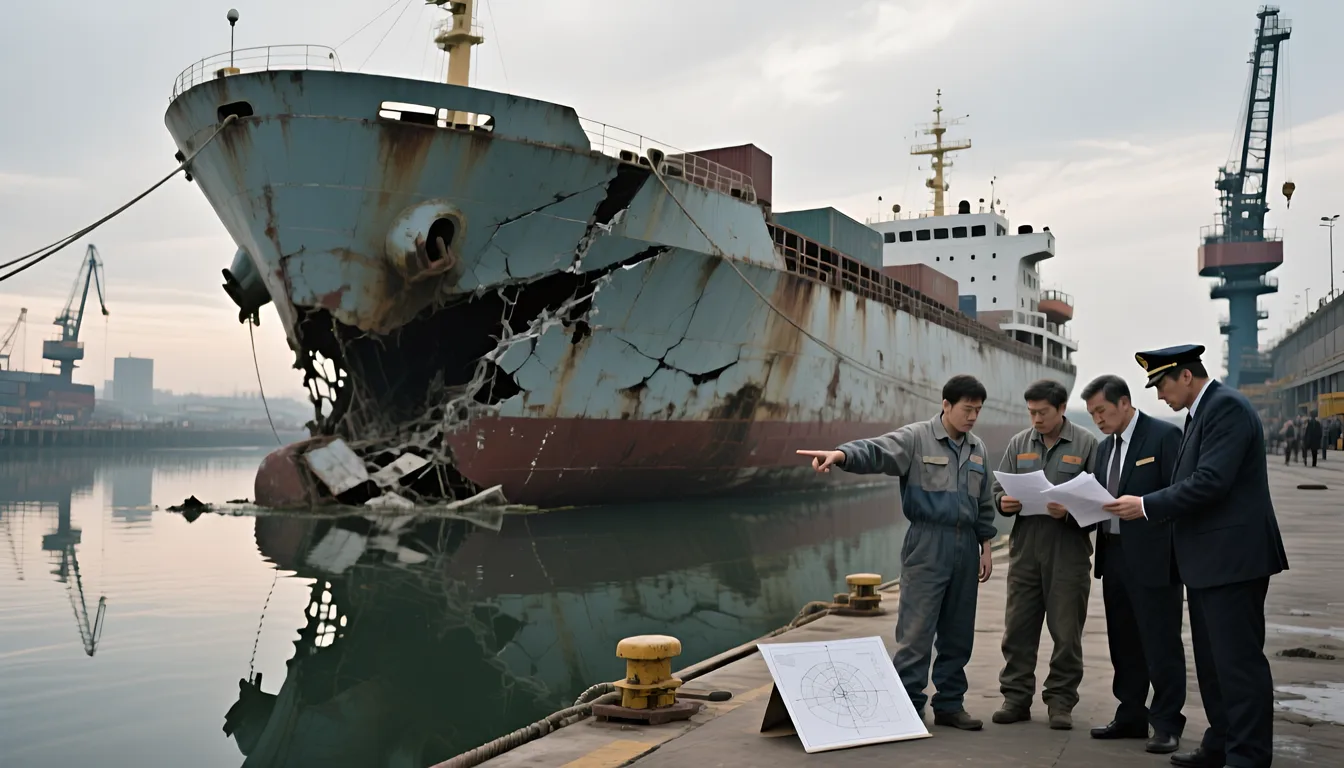
A vessel can limp back to port with its hull damage looking like the whole problem, and then the second wave starts: cargo interests want answers, a berth operator points to damaged property, someone raises pollution, someone reads the contract. The event no longer concerns only the ship. One policy protects the vessel; another responds when the loss spreads outward into legal or contractual responsibility. That gap is where a marine owner discovers what hull cover never promised.
What is marine liability insurance in South Africa?
Marine liability insurance in South Africa covers the legal or contractual responsibility arising from operating a vessel, moving cargo, or chartering, as distinct from physical damage to the vessel itself. It includes Protection and Indemnity cover for operational liabilities, charterers’ liability, and goods-in-transit exposure, responding when a marine operation causes damage, injury, or loss to another party.
Key Takeaways
- Marine liability insurance covers legal or contractual responsibility from vessel operation, cargo movement, or chartering, not physical damage to the vessel.
- It responds when a marine operation causes damage, injury, or loss to a third party, a separate loss path from hull cover.
- Protection and Indemnity (P&I) covers liabilities incurred in direct connection with operating the ship, separate from loss to the owner’s own property.
- Charterers’ liability addresses the responsibility a charterer can incur for a vessel they do not own.
- Goods-in-transit exposure covers liability for the cargo being moved, which can be claimed independently of vessel damage.
- A single incident can produce a hull repair, a cargo claim, and a pollution expense at once, each answered by different cover.
Marine Hull Insurance Covers the Vessel, Not Every Liability Around It
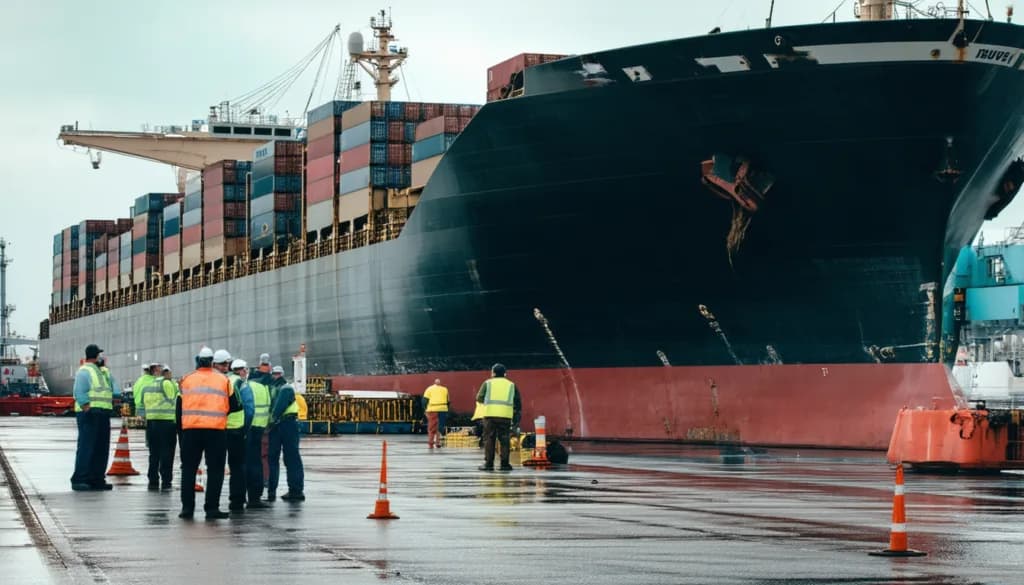
Marine Hull Insurance usually protects the vessel as property. The policy responds to physical loss of or damage to the hull, machinery, and other insured parts, subject to the wording. Liability cover responds to a different loss path. Liability cover responds when a marine operation causes damage, injury, or loss to another party. Gard explains that Protection and Indemnity covers liabilities incurred in direct connection with operation of the ship and separates those liabilities from loss affecting the assured’s own property.
The distinction becomes clear after a collision, grounding, or cargo incident. One part of the loss belongs to the vessel. Another part belongs to cargo interests, port property, regulators, or other third parties. Marine Hull Insurance addresses the vessel side of the event. Liability cover addresses the legal exposure created by the same event.
A buyer who compares policy names without tracing the claim path can miss that divide. One incident can produce a repair invoice, a cargo claim, and a pollution expense in the same week. The insurance structure works only when each loss sits in the correct policy lane.
Marine liability insurance protects third-party or contractual exposure arising from marine activity, while Marine Hull Insurance protects the insured vessel.
What Marine Liability Insurance Usually Includes
Marine liability insurance changes with the role carried by the business.
A shipowner or operator often starts with Protection and Indemnity. A charterer often needs charterers liability because the charterparty can transfer risk without transferring ownership. A cargo-focused business may insure the goods in transit and still need separate liability wording if another party alleges legal responsibility for a wider loss. Allianz Commercial separates cargo insurance from broader marine solutions, which confirms that cargo protection and liability protection perform different jobs.
That role-based split explains why two firms on the same quay can need different cover. One firm owns a vessel. One firm charters capacity. One firm handles cargo and never controls the ship. The setting stays the same, but the legal exposure changes with each role.
Readers often start with Marine and Cargo Insurance Basics and still lose the thread later. The harder task is tracing who carries the bill after a marine event turns into a liability claim. In a broader Marine and Cargo discussion, the useful question is not which policy sounds familiar. The useful question is which role created the exposure.
What Does Protection and Indemnity Cover in Practice?
Protection and Indemnity, or P&I, covers the legal fallout of operating a ship. The vessel may sit at the centre of the event, but P&I follows the losses suffered by other parties.
The easiest picture is a ring of claims spreading outward from the ship. Costs can move toward cargo interests, crew, another vessel, port property, regulators, or the environment. Gard lists cargo damage, pollution, loss of life or injury, wreck removal, damage to fixed or floating objects, and collisions with other ships among the core risks addressed by shipowners’ P&I.
Hull cover repairs the vessel. P&I responds to liability created by the vessel’s operation. A cargo receiver may allege poor stowage. A berth operator may allege property damage. A crew claim may follow an onboard incident. None of those claims focuses on repairing the vessel itself.
A reader comparing the asset side of the picture may want to place this article beside What Is Marine Hull Insurance? (Ships, Fishing Vessels, Barges). The comparison works because hull cover protects the vessel as property, while P&I responds when another party claims loss caused by the vessel’s operation.
When Charterers Liability Becomes the Missing Piece
Charterers liability covers a business that carries marine exposure through contract rather than ownership.
A charter can look simple until the legal burden becomes visible. Loading is delayed. Bunkers cause a dispute. Cargo instructions are challenged. Vessel damage turns into a question of responsibility. A charterer can then face exposure for hull damage, cargo-related liability, freight and hire consequences, general average contributions, and other obligations created by the charter arrangement. West P&I Club describes charterers cover as a tailored liability product that can include those heads of exposure.
The contract changes the risk path in a port environment like Cape Town. Several parties can touch the same voyage, but each party carries a different legal burden. The charterer may never own the vessel, yet the charterer can still control loading instructions, timing, bunkers, or cargo handling. When the charterparty assigns that risk to the charterer, the claim follows the contract rather than ownership.
Charterers liability closes the gap between commercial participation and legal responsibility. A business that treats non-ownership as safety can discover the gap only after a claim arrives with contractual wording attached.
Where Goods in Transit Fits and Where It Does Not
Goods in transit cover protects the cargo. Keeping that sentence plain helps prevent a common buying error.
When goods are lost, damaged, or stolen while moving through the transport chain, goods in transit insurance can respond to the cargo value. Marine liability insurance asks a different question. Marine liability insurance asks whether a business is legally responsible to another party for a marine-related loss. Allianz Commercial describes cargo insurance as protection against financial loss resulting from damage, loss, or theft of cargo while in transit.
The distinction becomes important when one shipment produces two problems. The cargo may suffer physical damage. Another party may also allege contamination, mishandling, property damage, or another liability tied to the movement. Cargo cover addresses the shipment. Liability cover addresses legal responsibility to others when the facts support the claim.
The split becomes practical in Gquberha, where goods can move through a marine-linked chain without making every participant the same kind of insured. A business comparing goods in transit with liability wording can often move faster by reading What Does Marine Cargo Insurance Cover before forcing cargo loss and liability exposure into the same policy bucket.
How Marine Hull Insurance Fits With P&I, GIT, and Charterers Cover
The cleanest buying process starts with role, moves to contract, and then traces the path of loss.
A vessel owner or operator often needs Marine Hull Insurance for the vessel as property and P&I for liability arising from operation of the ship. A charterer may need charterers liability because charter terms can create exposure without ownership. A cargo-focused business may need goods in transit cover for cargo value while keeping separate liability wording for third-party claims. Santam presents marine liability cover in that role-based way for ship repairers, marina operators, charterers, and freight forwarders.
That role-based method fits South Africa because maritime businesses often sit at different points in the chain while sharing one operating environment. The vessel owner protects the asset. The charterer protects contract-driven exposure. The cargo owner protects the goods. A freight-linked business may need liability wording tied to service obligations. The task is not to buy every product. The task is to place each risk in the correct policy lane.
A business comparing options may need Marine and Cargo Insurance and The Importance of Door to Door Marine Cover as separate reference points rather than one blended answer. Each anchor speaks to a different part of the exposure, and the insurance structure works best when those parts stay separate.
Key Takeaway
- Marine liability insurance covers third-party or contractual exposure, while Marine Hull Insurance protects the insured vessel.
- Protection and Indemnity covers liabilities linked to cargo, pollution, injury, wreck removal, and other third-party losses.
- Charterers liability protects businesses whose charter terms create marine exposure without transferring vessel ownership.
- Goods in transit cover protects cargo value during movement, not every liability surrounding the voyage.
- Policy choice depends on role, contract wording, cargo responsibility, and the actual path of loss.
Marine insurance works best when a business compares exposure instead of labels. The policy structure should match the asset at risk, the contracts in force, and the losses that can spread beyond the vessel itself.
Closing Reflection
The visible part of a marine incident is often the smallest part. A damaged vessel feels like the whole story because the damage can be photographed, estimated, and argued over in daylight. Liability usually arrives later, on paper, and in a less forgiving tone. An event that looked like a hull problem can widen into a larger claim file.
Marine Hull Insurance protects the vessel that took the hit. Marine liability insurance responds to the obligations that can follow the same event. Once the split is clear, P&I, goods in transit, and charterers liability stop sounding like overlapping jargon. Each product starts doing one defined job inside the same marine risk picture.
A sound marine programme starts with a clear description of the business role and the liabilities carried by that role.
You shouldn’t have to face a cargo claim and a pollution bill with only a hull policy in hand. With Mont Blanc Financial Services you won’t.
Contact Mont Blanc Financial Services to confirm your marine liability cover answers the exposures that reach beyond the vessel itself.
Frequently Asked Questions
What does marine liability insurance cover?
Marine liability insurance covers the legal or contractual responsibility that arises from marine operations, as opposed to physical damage to the vessel itself. It responds when a marine operation, operating a vessel, moving cargo, or chartering, causes damage, injury, or loss to another party. This is a different loss path from hull cover: where hull insurance answers for damage to the ship, liability cover answers for what the same event sets in motion beyond the vessel. The category includes several elements: Protection and Indemnity cover for the liabilities incurred in directly operating the ship, charterers’ liability for the responsibility a charterer can incur, and goods-in-transit exposure relating to the cargo being carried. Together these address the third-party and contractual consequences of marine trade. The practical importance is that one incident can create multiple, distinct liabilities at once, to cargo interests, port property, regulators, that the hull policy does not touch. Marine liability insurance exists precisely to answer those outward-facing exposures, which can far exceed the cost of repairing the vessel and which a hull policy alone leaves entirely uncovered.
What is Protection and Indemnity (P&I) cover?
Protection and Indemnity, usually shortened to P&I, is the core of marine liability cover, addressing the liabilities incurred in direct connection with operating a ship. It is distinct from cover for loss affecting the owner’s own property, which is what hull insurance handles; P&I instead responds to the responsibility the owner or operator bears toward others as a consequence of running the vessel. This can include a wide range of operational liabilities, the kinds of third-party claims that follow collisions, groundings, cargo incidents, and similar events. The principle is that operating a vessel creates exposure to others, injury, damage, loss, pollution, and P&I is the cover built to meet it. Separating P&I from hull cover matters because the two answer different questions: hull asks what happened to the ship, P&I asks what the ship’s operation did to everyone else. An owner who holds only hull cover can find the operational liabilities entirely unprotected. The precise scope depends on the cover arranged, so the wording should be confirmed.
What is charterers’ liability insurance?
Charterers’ liability insurance addresses the responsibility that a charterer, a party who hires a vessel they do not own, can incur in the course of using it. Chartering creates a distinct exposure: the charterer is not the vessel owner and so does not need hull cover for the ship itself, but their use of the vessel can give rise to liabilities, to the owner, to cargo interests, or to third parties, for which they are responsible. Charterers’ liability cover responds to these exposures, protecting the charterer against the legal and contractual responsibility their chartering activity creates. This is an important distinction within marine liability, because the party carrying the risk differs from the party owning the asset. A business that charters vessels needs cover matched to its position as charterer rather than owner, since the owner’s hull and P&I arrangements do not necessarily protect the charterer’s separate exposure. The cover follows the chartering role rather than vessel ownership.
How does marine liability insurance differ from marine hull insurance?
Marine liability insurance and marine hull insurance answer different parts of the same event and are not substitutes. Hull insurance covers physical loss of or damage to the vessel itself, the hull, machinery, and insured equipment, responding to the asset side of an incident. Marine liability insurance covers the legal and contractual responsibility the same incident creates toward others: claims from cargo interests, damage to port property, pollution expenses, injury to third parties. The clearest way to see the divide is to trace the claim path after a collision or grounding. One part of the loss belongs to the vessel and is a hull matter; another belongs to cargo owners, regulators, or other third parties and is a liability matter. A buyer who compares policy names without following this claim path can miss the divide and assume one policy covers both. It does not. A single incident can produce a repair invoice, a cargo claim, and a pollution expense in the same week, each answered by different cover. A marine operator generally needs both.

Nicola Iozzo
Founder & CEO, Mont Blanc Financial Services
Nicola has spent his career reading the policy wording most people skip, and writes here so you don't discover at claim stage what page 14 meant.
This blog is here to inform, not advise. Think of it as a guidebook, not a contract. For decisions affecting your world, have a chat with your broker or financial professional.
Mont Blanc Financial Services (PTY) Ltd. is an authorised financial services provider. FSP 8271