Domestic Cargo Insurance: When Inland Risk Becomes Your Problem
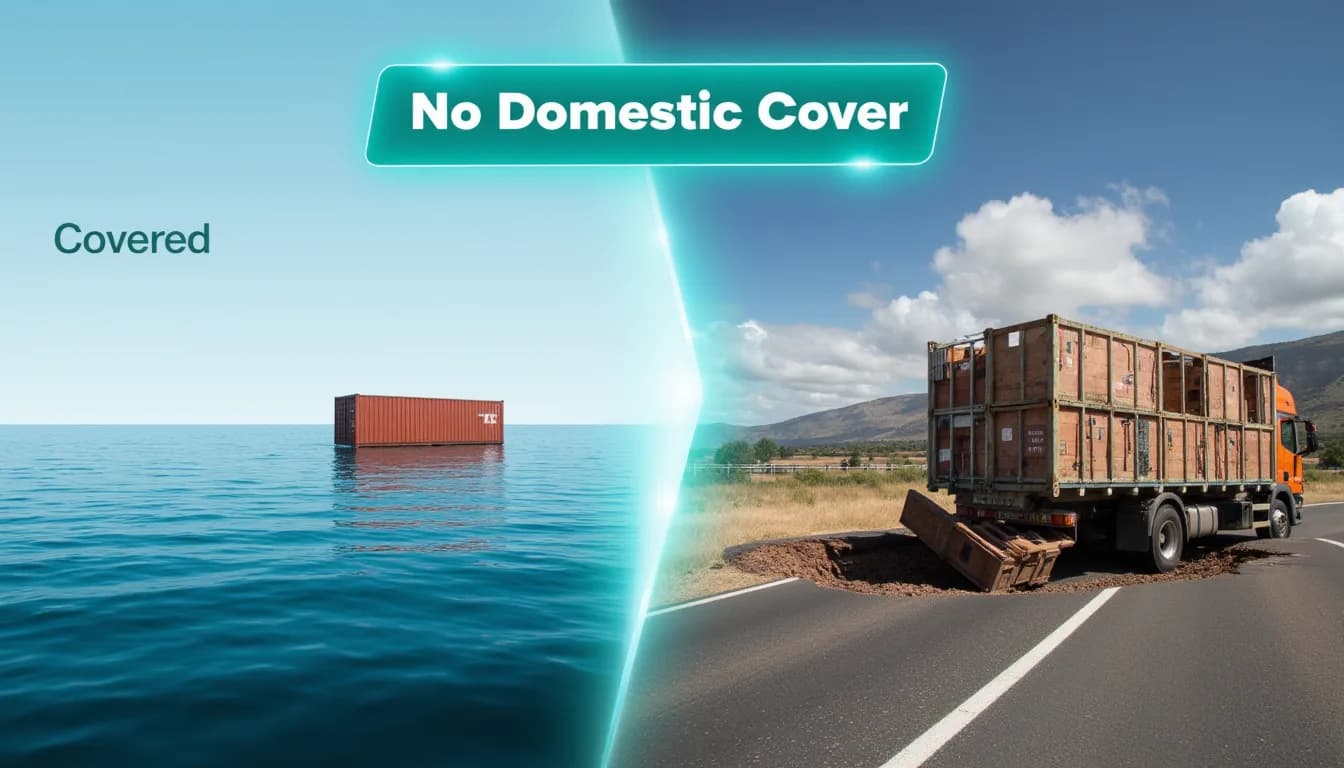
Equipment can survive an entire ocean crossing, customs, and the moods of Durban Harbour, then be destroyed on the last stretch of road to Johannesburg when a truck meets a pothole deep enough to bounce the whole load. The ocean cover protected the voyage beautifully; the South African road did not. Most cargo claims happen long before the ocean ever enters the story, on the inland legs importers assume are the safe part. That assumption is the exposure.
What is domestic cargo insurance in South Africa?
Domestic cargo insurance in South Africa protects goods travelling by road, rail, or air within the country, responding to accidental physical loss or damage during inland movement. It covers risks such as hijacking and theft, road accidents, and fire, addressing the leg of a journey that ocean marine cover does not reach, where many South African claims occur.
Key Takeaways
- Domestic cargo insurance protects goods moving by road, rail, or air within South Africa, covering the inland leg that ocean marine cover does not.
- Many South African cargo claims happen inland, before or after the ocean voyage, not at sea, which is where importers least expect the loss.
- Hijacking and theft on high-value corridors such as the N3, N1, and N2 are a major inland risk, and hijacked cargo rarely returns.
- Road accidents and sudden impact events expose inland cargo far more than ocean travel, and fire can destroy a load within minutes.
- A shipment can be fully covered at sea and entirely exposed on the road, so the inland leg needs its own cover.
What Domestic Cargo Insurance Covers
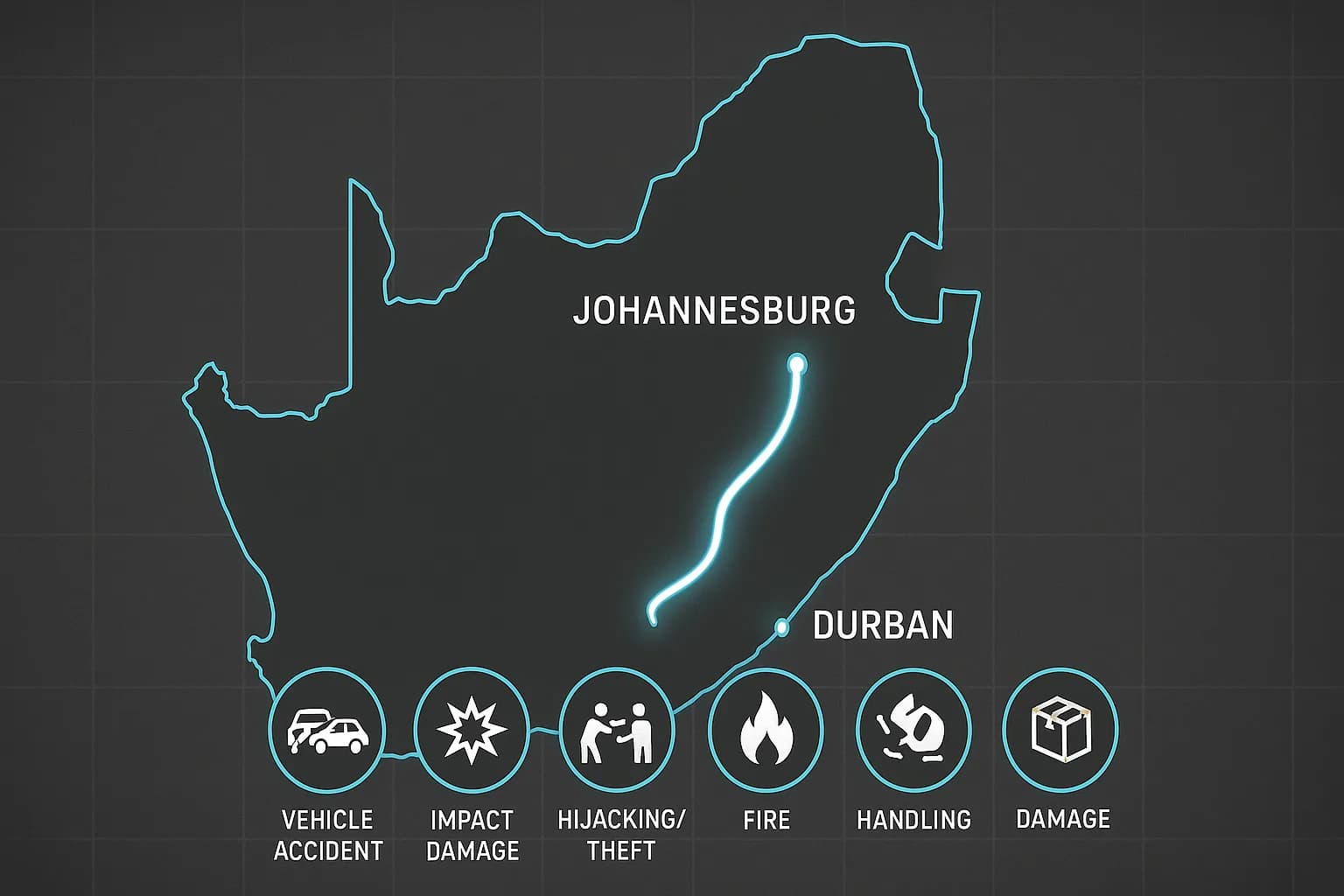
Domestic cargo insurance protects goods travelling by road, rail or air within South Africa. It responds to accidental physical loss or damage during inland movement. Many importers believe inland transport remains simple and predictable. A quick glance at our roads proves otherwise.
Common protected events include the following.
Hijacking and Theft
The N3, N1 and N2 carry high-value loads every hour. Criminal groups know this, watch routes and wait for ideal moments. When trucks disappear, cargo rarely returns. Domestic cargo insurance responds to these losses, giving you financial protection when the journey crosses high-risk corridors.
Road Accidents
Drivers brake late, merge without checking mirrors or drift during long-night travel. Animals run across the road. Tyres burst. Trucks overturn. Inland transport faces far more sudden impact events than ocean travel. Domestic cover responds when accidents damage your cargo.
Fire and Explosion
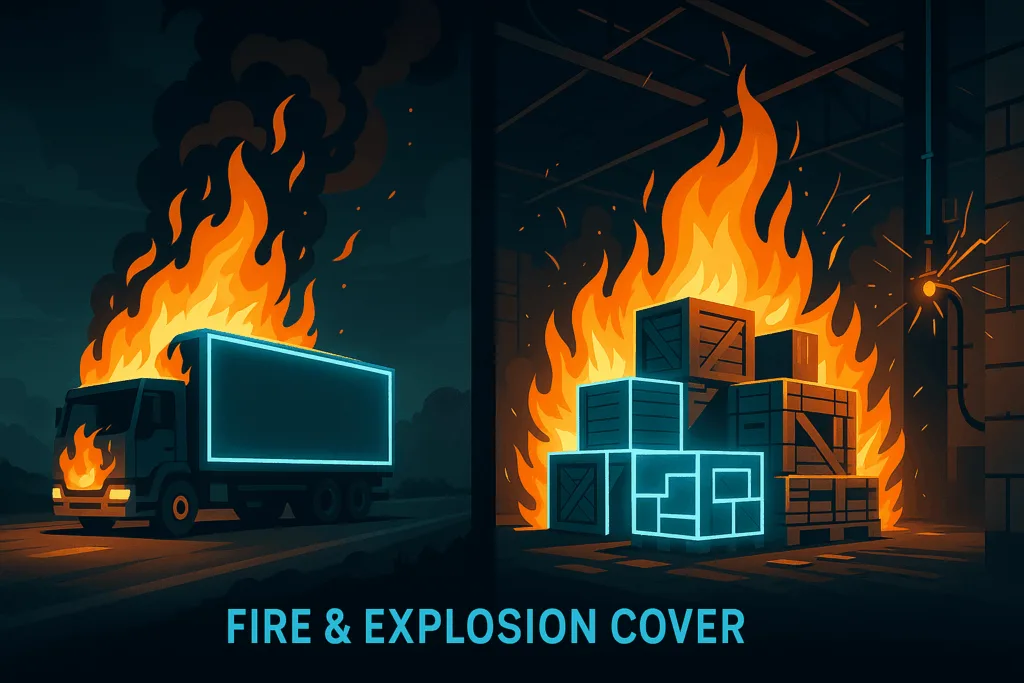
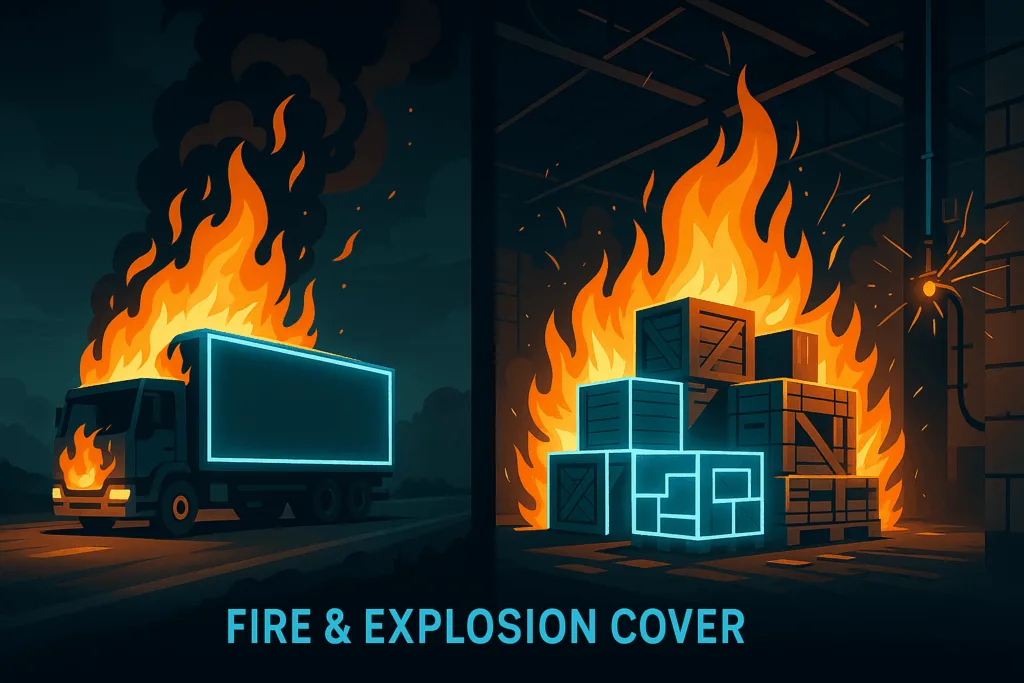
Truck fires, warehouse fires and storage facility incidents destroy goods within minutes. Heat, electrical faults and poor maintenance create risks few people consider until they see smoke rising from a depot. Domestic cargo insurance steps in when fire or explosion destroys or damages your goods.
Impact and Rough Handling
Goods collapse inside trucks during sudden stops. Forklifts dent crates. Pallet jacks misjudge weight and angle. Inland cargo faces constant movement, vibration and handling errors. Domestic cargo insurance responds to accidental impact damage throughout the inland chain.
Water Damage and Exposure
Rain falls during loading. Floodwater enters depots. Containers absorb moisture while sitting in open yards. Domestic cargo insurance protects your goods when unexpected water exposure causes damage, provided the cargo was packed correctly.
Damage During Loading and Unloading
Human error introduces risk even before the truck leaves the warehouse. Forklifts pierce crates, pallets slip and lifting equipment fails. Domestic cover pays for accidental damage during loading and unloading, where most inland loss begins.
Why Domestic Risk Often Exceeds Ocean Risk
Most importers fear the ocean. They picture storms and dramatic waves. The truth looks different.
Ocean travel follows predictable systems, precise routes and weather avoidance technology. Inland travel follows South African reality.
The N3 and N1 Problem
Hijacking syndicates monitor both highways for valuable cargo. They target high-demand goods and strike during quiet stretches. The inland journey becomes dangerous long before the cargo reaches your premises.
Warehouse Congestion
Major hubs like Durban, City Deep and Cape Town move thousands of containers daily. Heavy forklifts work in tight spaces with strict time pressures. Damage occurs often, usually during rushed stacking or late-night handling.
Road Conditions
Potholes, uneven surfaces, sudden merges, sinkholes and unexpected roadworks pose a serious threat to packed cargo. Goods feel every jolt. Many inland claims begin with a single violent impact on a road budget forgot.
The Gap Between Marine Insurance and Domestic Cargo Insurance
Marine insurance protects only a defined portion of the journey. Domestic cargo insurance fills the remaining space.
Most importers believe marine cover follows the entire route. It does not. The gaps between departure and arrival points often remain unprotected unless you add inland insurance intentionally.
The Warehouse-to-Port Gap
When goods travel from a supplier’s warehouse to an international port, marine insurance may not activate yet. Domestic cargo insurance protects this phase until the international leg begins.
The Port-to-Destination Gap
Once the shipment lands in South Africa, marine cover usually ends at the port. Any movement from Durban, Cape Town or Gqeberha to your final location requires domestic cargo insurance. Most local claims occur here.
Door-to-Door Cover for Full-Chain Protection
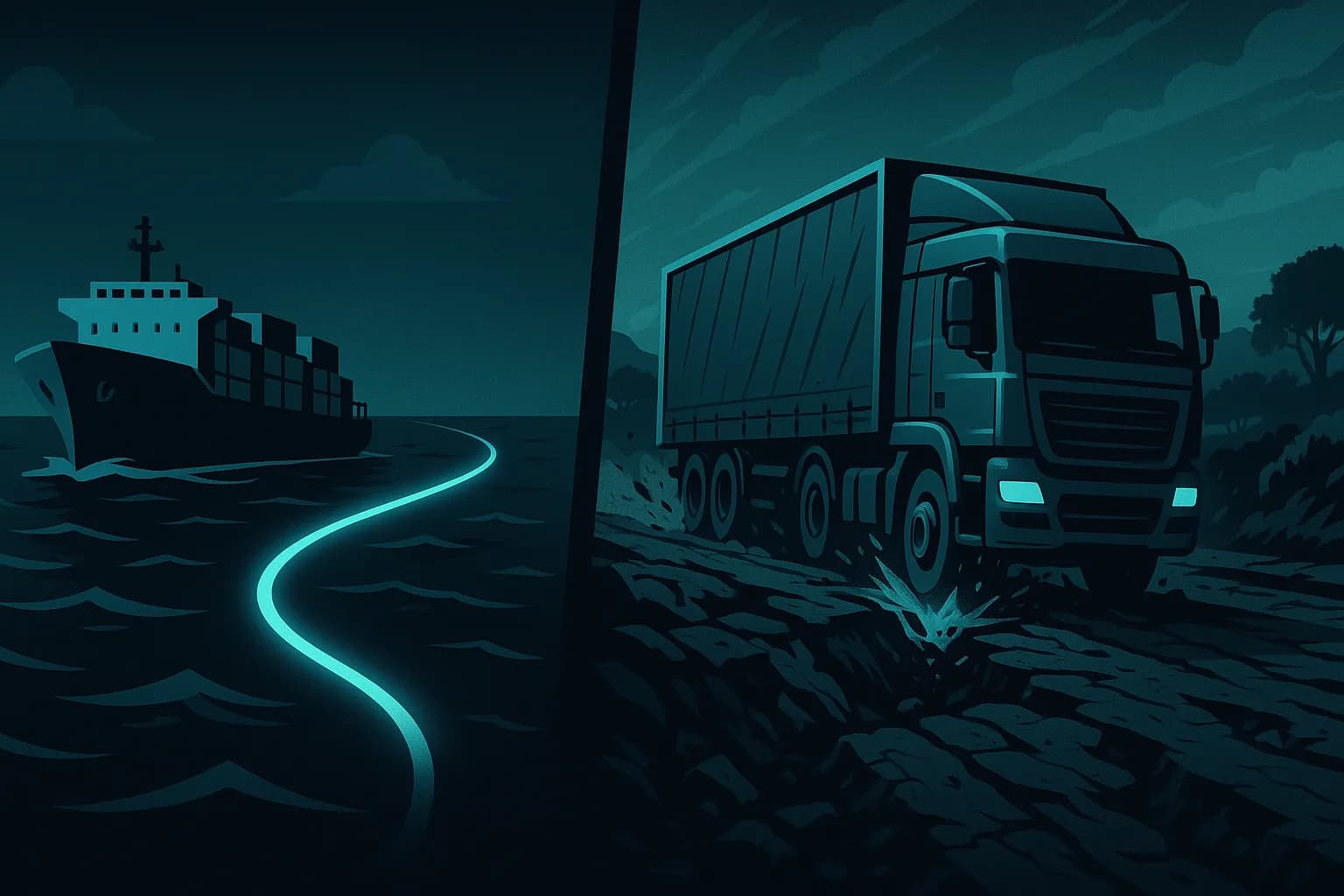
Door-to-door cover combines marine and inland cargo insurance into a single continuous plan. This removes all uncertainty regarding where responsibility starts and stops.
Why Door-to-Door Prevents Claims Disputes
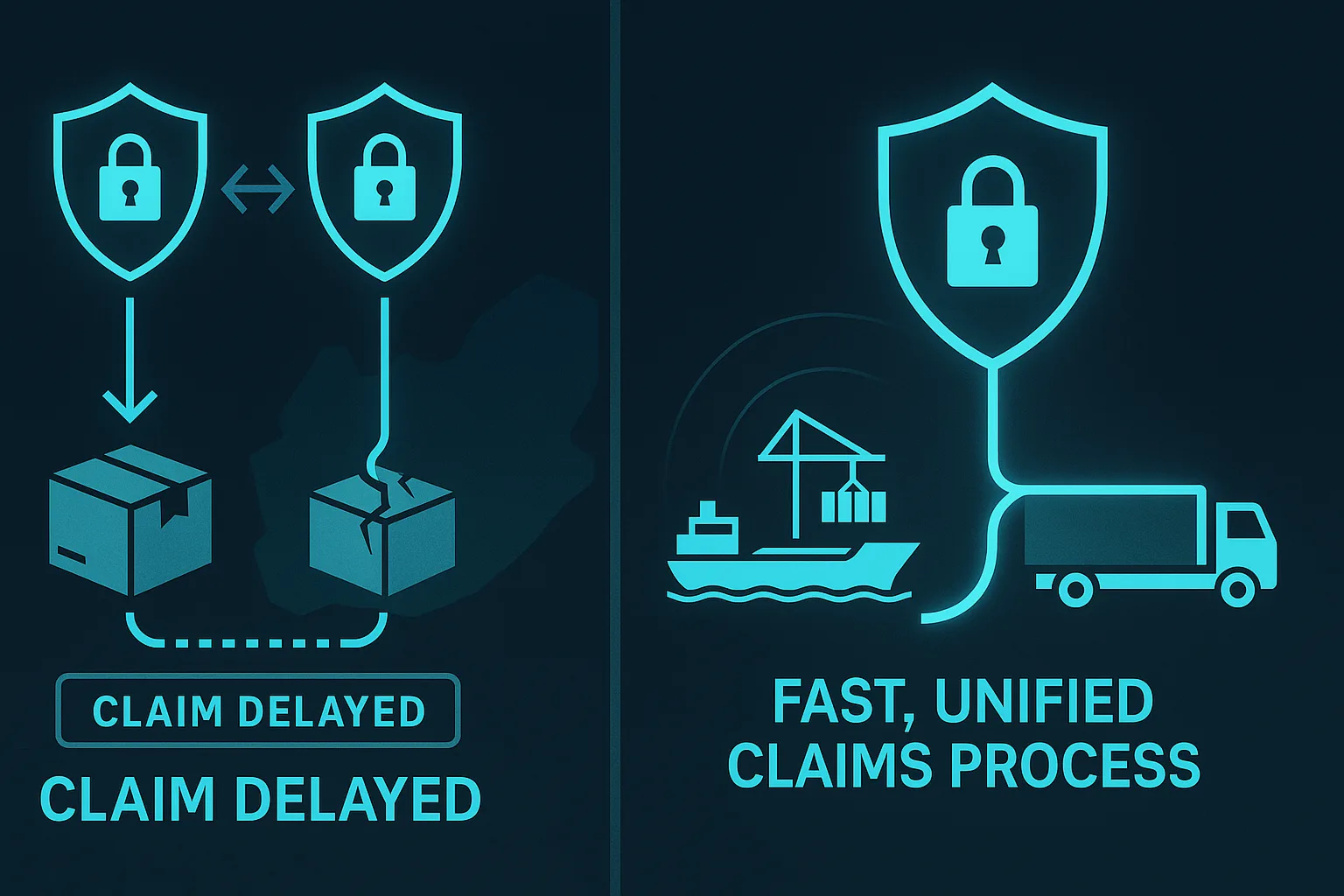
When two different insurers handle two legs, they can argue about where damage happened. These arguments stall claims. When one insurer controls the full journey, the claims process becomes faster, smoother and less stressful.
Best for High-Value and Fragile Goods
Machinery, electronics, medical devices, ceramics, furniture, instruments and perishable items all benefit from continuous cover with no gaps or handovers.
Common Domestic Cargo Claims in South Africa
South African inland movement produces unique patterns. The most frequent claims include:
● Shock Damage From Sudden Braking
Highways filled with unpredictable traffic create this problem daily.
● Load Shifting
Poor stacking, long travel hours and sudden stops cause internal collapse.
● Warehouse Handling Damage
Forklift punctures, crushed cartons and dropped pallets remain common occurrences.
● Weather Damage
Stormwater enters trucks, drains overflow and wet loading zones ruin packaging.
● Hijackings
Criminal activity produces the biggest financial losses for inland cargo.
Why Domestic Cargo Insurance Is Crucial for Logistics
Inland movement exposes your shipment to the highest concentration of risk. Without domestic cargo insurance, one incident can destroy profit for an entire order. This cover protects your cash flow, stabilises your supply chain and maintains credibility with clients and suppliers.
Your business cannot control potholes, hijackers, or forklift operators, but you can control your level of protection.
For the bigger picture, start with our full guide to marine and cargo insurance.
Frequently Asked Questions
What does domestic cargo insurance in South Africa cover?
Domestic cargo insurance in South Africa covers goods travelling by road, rail, or air within the country, responding to accidental physical loss or damage during inland movement. The common insured events include hijacking and theft, where high-value loads on busy corridors are targeted; road accidents, where late braking, blowouts, animals on the road, or an overturning truck damage the cargo; and fire and explosion, which can destroy a load in a truck, warehouse, or storage facility within minutes. The cover addresses the inland leg of a journey specifically, the part that travels South African roads rather than the ocean. This matters because many importers assume inland transport is the simple, predictable part of the journey, when the condition of the roads and the level of corridor crime prove otherwise. Domestic cargo insurance fills the gap that ocean-focused marine cover leaves, protecting goods through the inland stages where a large share of claims actually occur. For any business moving goods within South Africa, it addresses the risks of the road, rail, and air legs directly.
Why do I need domestic cargo insurance if I have marine insurance?
Domestic cargo insurance is needed alongside marine cover because marine insurance for the ocean voyage does not necessarily protect the inland leg, and that inland leg is where much of the risk sits. A shipment can cross an entire ocean safely, clear customs, and then be damaged or lost on the road between the port and its final destination, a stretch that ocean-focused cover may not reach. If the marine policy protects the sea voyage but the inland transport is uninsured, a loss on the road falls directly on the owner despite their having held insurance. This is a common and costly gap, because importers often assume their cover protects the whole journey when it protects only the part they pictured. Domestic cargo insurance closes the gap by covering the road, rail, or air movement within South Africa. The two work together: marine cover for the voyage, domestic cover for the inland leg. Relying on marine insurance alone can leave the final, high-risk stretch of the journey entirely exposed.
What are the biggest inland cargo risks in South Africa?
The biggest inland cargo risks in South Africa are hijacking and theft, road accidents, and fire, each of which domestic cargo insurance addresses. Hijacking and theft are particularly serious on high-value corridors such as the N3, N1, and N2, where criminal groups monitor routes and target valuable loads, and where hijacked cargo seldom returns. Road accidents are a constant exposure: drivers brake late or merge without checking, animals cross the road, tyres burst, and trucks overturn, producing sudden impact events that inland transport faces far more often than ocean travel. Fire and explosion, in trucks, warehouses, or storage facilities, can destroy goods within minutes. The condition of the roads themselves adds to the risk, with potholes and poor surfaces capable of damaging a load even without a collision. These inland risks are frequently underestimated by importers who view the ocean voyage as the dangerous part. In reality, the South African road legs carry significant and varied exposure, which is precisely why domestic cargo cover focused on inland movement is so important for goods travelling within the country.Is domestic cargo insurance in South Africa worth it for short trips?Domestic cargo insurance is generally worth holding even for short inland trips, because the risks that destroy or remove a load do not depend on the distance travelled. A hijacking can occur on a short stretch of a high-risk corridor, an accident can happen minutes from the destination, and a pothole or sudden impact can damage a load on a brief journey just as on a long one. The value at stake, rather than the length of the trip, is what determines the exposure, and high-value goods carry significant risk even over short distances. Because hijacked cargo rarely returns and accident or fire damage can be total, an uninsured short trip can still produce a substantial loss. The cover is priced against the risk, so a short, lower-risk trip is reflected accordingly, but the protection remains relevant wherever the value justifies it. For a business moving valuable goods inland, judging the need by the value carried rather than the distance is the sounder approach, since the road’s risks apply regardless of how far the cargo travels.
If your goods move across South Africa, you need protection from warehouse to warehouse, not hope pinned on perfect roads and perfect timing. Send us your current policy or transport plan and we will help you close gaps, reduce exposure and stay claims ready.
You shouldn’t have to watch a shipment survive the ocean only to be wrecked on the road to Johannesburg uninsured. With Mont Blanc Financial Services you won’t.
Contact Mont Blanc Financial Services to confirm your inland cargo leg is covered, not just the voyage that came before it.

Nicola Iozzo
Founder & CEO, Mont Blanc Financial Services
Nicola has spent his career reading the policy wording most people skip, and writes here so you don't discover at claim stage what page 14 meant.
This blog is here to inform, not advise. Think of it as a guidebook, not a contract. For decisions affecting your world, have a chat with your broker or financial professional.
Mont Blanc Financial Services (PTY) Ltd. is an authorised financial services provider. FSP 8271