What Is Marine Hull Insurance? (Ships, Fishing Vessels, Barges)
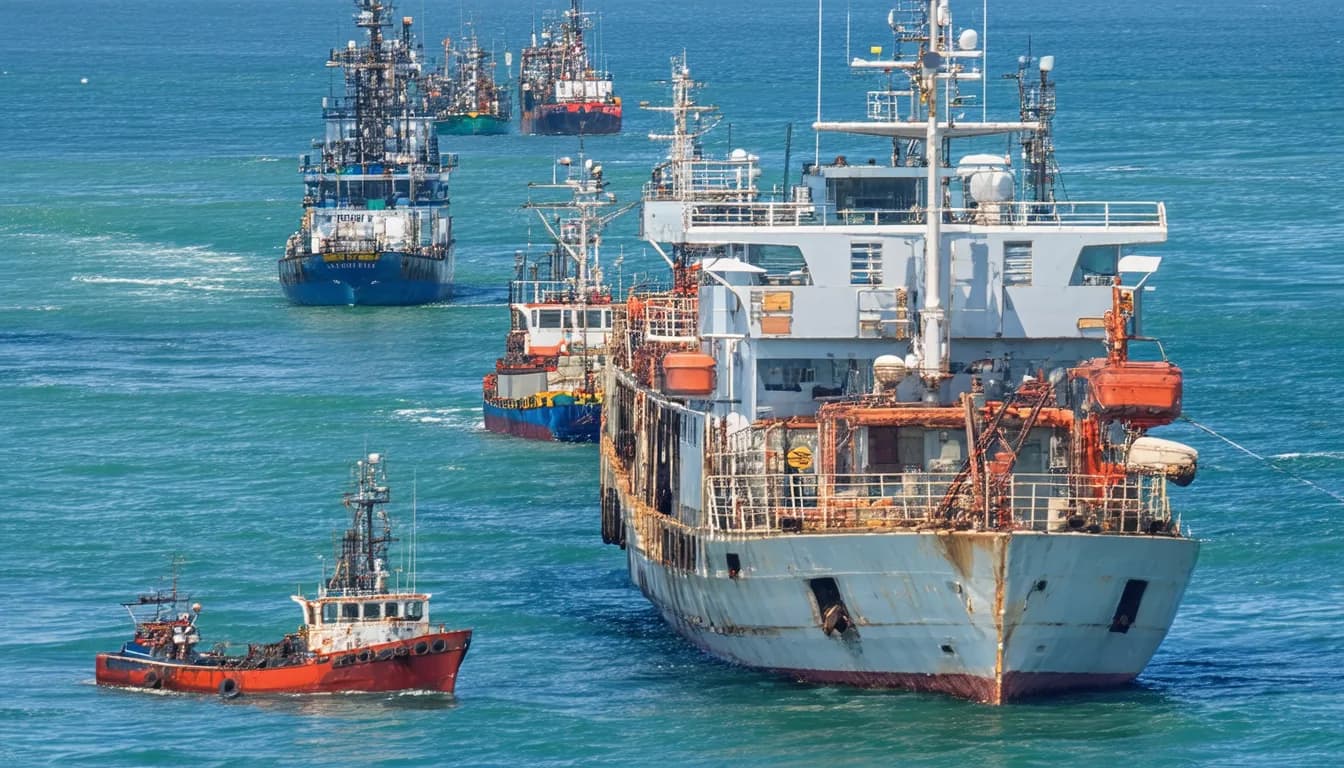
A vessel can still look steady from the quay while the damage has already changed the numbers: a bent propeller, a hull scraped against a berth, an engine fault that ends as a repair account large enough to halt the week. Nothing collapses visibly; the craft stays afloat and the crew keeps moving. Yet one impact or machinery problem can turn into a chain of costs while revenue waits. That waiting is the exposure hull cover answers.
What is marine hull insurance in South Africa?
Marine hull insurance in South Africa is cover for physical loss of or damage to a vessel, usually including the hull, the machinery, and certain onboard equipment named in the wording or schedule, subject to limits and exclusions. It protects the vessel itself as a working asset, a ship, fishing vessel, or barge, rather than the cargo it carries.
Key Takeaways
- What is covered depends on the policy wording, limits, and exclusions, so the schedule defines the actual protection.
- Marine hull insurance covers physical loss of or damage to a vessel, usually including the hull, machinery, and certain named onboard equipment.
- It protects the vessel as a working asset, distinct from cargo cover, which protects the goods, and from liability cover.
- Cargo can be damaged while the vessel is fine, and a vessel damaged while the cargo is unharmed, so the two covers are not interchangeable.
- Physical damage can take a vessel out of service, interrupting contracts and delaying income, not just generating a repair bill.
Marine Hull Insurance Protects the Vessel
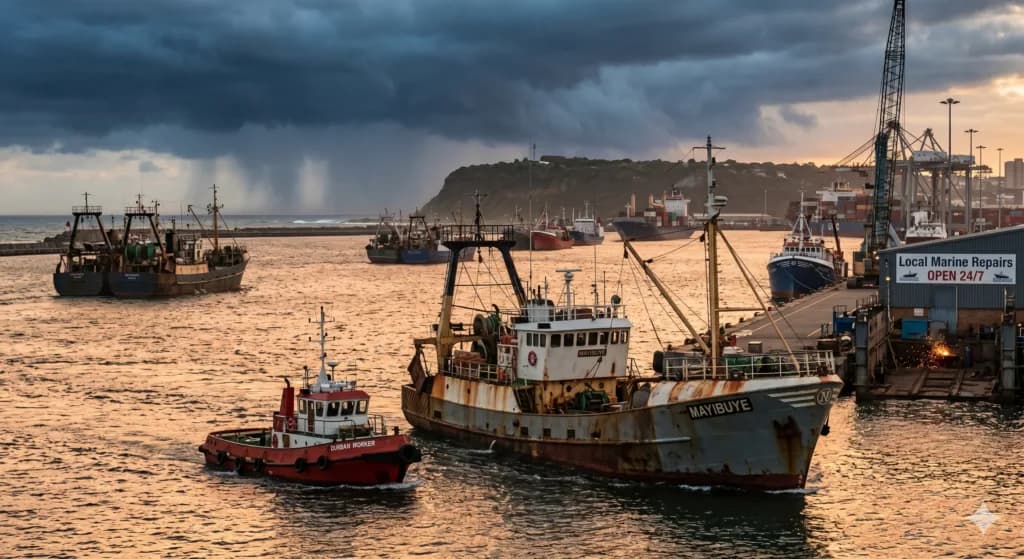
Marine Hull Insurance protects the vessel as a working asset. Many buyers hear marine insurance and assume one policy answers every problem connected to a voyage. Marine insurance does not work that way. Owners who are still mapping the wider cover structure often begin with marine insurance basics before comparing hull, cargo, and liability policies in detail.
Hull cover focuses on the vessel, the machinery, and the insured equipment named in the wording or schedule.
The distinction changes the buying decision. A vessel owner who confuses vessel damage with cargo loss can buy the wrong protection for the wrong event. Cargo can suffer damage while the vessel remains serviceable. The reverse can also happen. A collision can damage the vessel while the cargo remains unharmed. Hull cover responds to the asset that floats, trades, and earns.
The practical value runs deeper than a repair invoice. Physical damage can take the vessel out of service, interrupt contracts, and delay income. Hull cover sits near the centre of the risk structure for owners whose business depends on keeping a vessel seaworthy and available for work.
Hull and Machinery insurance is the standard market term for cover that protects an insured vessel’s structure and machinery against insured physical loss or damage.
What Does Marine Hull Insurance Usually Cover?
Marine Hull Insurance usually covers physical loss or physical damage caused by insured marine perils. In practice, the scope often includes collision, contact damage, grounding, fire, heavy weather damage, and certain machinery-related losses when the wording responds.
The simplest way to picture the scope is to move through the vessel in layers. The first layer is the hull, meaning the physical body and structural parts of the vessel. The next layer is machinery, including engines, shafts, generators, and other mechanical systems when the wording treats those components as insured property. The final layer is insured onboard equipment, but only when the policy wording or schedule brings the equipment into the cover.
Scope still depends on the actual form. The schedule identifies the vessel, values, and limits. The wording decides how the insurer responds when damage occurs. Two policies can carry the same label and still produce different results after a casualty because one wording may include broader machinery language or additional associated interests.
Some forms also extend to collision-related interests or costs reasonably incurred to reduce further loss. The extensions improve the policy only when the wording includes the extension and the underwriter prices the additional exposure. A vessel owner should therefore read the schedule and wording together rather than rely on the product name alone.
What Hull Insurance Does Not Cover Automatically
Marine Hull Insurance has clear boundaries. The basic promise covers physical loss of or damage to the vessel. The basic promise does not answer every marine risk connected to ownership or operation.
Cargo is the most common point of confusion. When goods suffer damage during transit, cargo insurance answers the problem, not hull cover, unless the vessel also suffers a covered loss. Buyers usually understand the line more clearly after reviewing cargo cover.
Liability is another separate category. The full legal exposure may not become obvious until a collision, injury event, or pollution incident puts pressure on the operator. Hull insurance does not step in as a substitute for marine liability cover when the real issue is third-party responsibility rather than physical damage to the vessel.
A second boundary sits inside the vessel. Wear and tear, corrosion, deterioration, poor maintenance, and unresolved defects do not operate like sudden accidental damage. When machinery fails and the evidence points to condition rather than fortuity, the claim file becomes harder because the survey record must separate accidental loss from long-term decline.
Hull insurance works best when the owner expects a precise function from the policy. Hull insurance protects covered physical damage. Hull insurance does not replace cargo insurance, liability insurance, or disciplined maintenance.
Which Vessels Need Marine Hull Insurance Most?
The vessels that benefit most from Marine Hull Insurance are the vessels whose value and earning ability depend on staying operational. Ships, fishing vessels, barges, harbour craft, and workboats can all fall into the group, even when the vessels look very different on paper.
A fishing vessel often faces hard daily use. Machinery runs under strain. Weather exposure can remain constant for long stretches. Downtime after damage can cut directly into planned income. A barge may move at a slower pace, but a barge still faces grounding risk, towage exposure, loading contact, and damage during routine operations. A smaller commercial craft may look modest beside a larger ship, yet one repair event can still interrupt staffing, contracts, and cash flow.
The real test is not size alone. The real test is exposure, repair cost, and downtime consequence. A vessel used regularly for commercial work usually has a stronger case for hull cover than a vessel with limited exposure and low interruption cost.
The operating context carries extra weight in South Africa, where commercial operators often work under a mix of port activity, weather pressure, and repair timing. Hull cover turns the operating reality into a defined insurance structure instead of leaving vessel damage as an open balance-sheet problem.
How Insurers Price Marine Hull Insurance
Insurers price Marine Hull Insurance by building a risk picture around the vessel, the value, and the operating pattern. The starting point is often the agreed value or insured value because repair cost and total-loss exposure both depend on the figure. From there, the underwriter studies age, construction, machinery type, claims history, maintenance standards, route profile, and operating area.
Usage changes the result more than many owners expect. A vessel that trades on predictable routes under controlled conditions presents one shape of risk. A vessel that works harder, enters more demanding waters, or carries out specialised operations presents another. Underwriters also study records. Good maintenance history, survey evidence, and disciplined operations create a cleaner underwriting picture. Weak records create uncertainty, and uncertainty often narrows terms or pushes pricing upward.
Port context can also shape the conversation. A vessel that operates regularly through Richards Bay may attract closer attention to route, cargo activity, and the practical environment in which the vessel normally works. A port name does not set the premium on its own. Location forms part of the wider pattern the insurer needs to understand.
The main point for buyers is simple. Cheap cover is not always useful cover. A lower premium can arrive with a higher excess, narrower machinery wording, tighter navigation limits, or exclusions that become visible only when a claim starts.
How a Claim Works After Damage or Loss
A hull claim usually begins with speed and recordkeeping. After damage occurs, the owner, operator, or broker should notify the insurer, take reasonable steps to prevent further loss, and preserve the evidence that will shape the file. Early action strengthens the claim file because a marine claim often turns on detail.
The first layer of evidence is usually straightforward: photographs, log entries, incident notes, weather conditions, witness information, and immediate steps taken to stabilise the vessel. The second layer is more technical. Maintenance records, prior surveys, repair history, and machinery documents can all affect the insurer’s view of cause and extent.
After notification, the process usually moves to a survey. The surveyor helps assess cause, repair scope, and whether temporary work is needed before permanent repairs begin. The survey stage often sets the tone for the rest of the claim because the survey connects the event to the policy response.
Practical conditions can also slow or accelerate progress. When a damaged vessel lies in Durban, port access, contractor availability, survey attendance, and repair coordination can affect how fast the file moves from report to resolution. A broad wording helps, but an organised file helps just as much.
The insurer then evaluates the wording, insured value, cause of loss, applicable excess, and reasonable repair cost. Clear evidence and matching policy language usually produce a more orderly settlement path. Owners who keep records in order before any casualty usually begin the claim from a stronger position.
Key Takeaway
- Protect the vessel, machinery, and insured onboard equipment with Marine Hull Insurance when covered physical damage is the core risk.
- Separate hull cover from cargo cover and liability cover because each policy responds to a different loss category.
- Match the policy to vessel type, downtime exposure, operating area, and maintenance condition before comparing premium alone.
- Review agreed value, navigation limits, machinery wording, exclusions, and excess structure before placement or renewal.
- Report damage early, preserve evidence, and organise survey and maintenance records before the claim file starts.
Marine Hull Insurance works best when the wording matches the vessel’s real operating profile. Strong cover is not just broad on paper. Strong cover is clear, practical, and able to respond when a working vessel becomes a repair and downtime problem.
The vessel is insured, but the bargain may not be, and shipping contracts that fail sink more claims than storms.
Terms of sale ride along with the cargo, so EXW, FOB and CIF decide who insures each leg.
Closing Reflection
Vessel damage rarely arrives with drama. A damaged plate, a bent shaft, or an engine-room sound usually does the job without any theatre. The owner still reaches the same place: repair cost, delay, survey timing, and lost income start gathering around one incident.
Marine Hull Insurance does not remove the risks that come with ships, fishing vessels, or barges. Marine Hull Insurance places a financial boundary around one of the most important parts of the operation: the vessel. The boundary turns confusion into structure. Once the owner understands what hull cover protects, what hull cover excludes, and where cargo or liability cover begins, the decision starts to read like a chart instead of a fog bank.
A working vessel will always face weather, workload, movement, and machinery strain. A prepared owner meets the pressures with cover designed for the actual shape of the exposure.
Owners and operators can review existing hull cover or request terms suited to the vessel’s operating profile through Mont Blanc.
The full picture lives in our guide to marine and cargo insurance.
Frequently Asked Questions
What does marine hull insurance cover?
Marine hull insurance covers physical loss of or damage to a vessel, focusing on the vessel itself as a working asset. The cover usually includes the hull, the machinery, and certain onboard equipment named in the policy wording or schedule, subject to the limits and exclusions set out there. It responds to the physical damage a commercial vessel can suffer while operating, an impact, a collision, a grounding, machinery failure, restoring the asset that floats, trades, and earns. The important boundary is that hull cover protects the vessel, not the cargo it carries and not the liabilities the owner may have to third parties; those are addressed by separate cargo and liability covers. Because the precise scope depends on the wording, the schedule defines what is actually covered for a given vessel, including which equipment is named and which perils are included or excluded. A vessel owner needs to read that wording to know the genuine extent of the protection. In essence, hull cover answers physical damage to the vessel as an asset.
What is the difference between marine hull and marine cargo insurance?
Marine hull insurance and marine cargo insurance protect different things and are not interchangeable, which is a distinction that materially affects the buying decision. Hull insurance covers the vessel itself, the hull, machinery, and named equipment, as a working asset, responding to physical damage to the craft. Cargo insurance, by contrast, covers the goods being transported, responding to loss or damage to that cargo in transit. The two address separate exposures because the vessel and the cargo can suffer harm independently: cargo can be damaged while the vessel remains fully serviceable, and a collision can damage the vessel while leaving the cargo unharmed. An owner who confuses the two can buy the wrong protection for the wrong event, holding cargo cover when the exposure is to vessel damage, or the reverse. This is why understanding the distinction matters before purchasing. A vessel owner generally needs hull cover for the craft, while the party with an interest in the goods needs cargo cover for those. Each responds to its own kind of loss, and neither stands in for the other.
Who needs marine hull insurance in South Africa?
Marine hull insurance is needed by owners and operators of commercial vessels, ships, fishing vessels, barges, and similar working craft, whose business depends on the vessel as a revenue-earning asset. For these owners, the vessel is not just property but the platform on which the business operates, so physical damage to it threatens both the asset and the income it generates. A fishing operation, a barge service, or a commercial shipping operator each relies on its vessels being serviceable, and a single impact or machinery failure can take a vessel out of service, interrupt contracts, and delay revenue while repairs and surveys proceed. Hull cover addresses exactly this exposure, protecting the value of the vessel and supporting the owner through the consequences of physical damage. Any business whose operations are built around owning and running a vessel therefore has a clear need for it. The cover is matched to the working reality that, for these owners, the vessel is central to earning, and its loss or damage is a direct threat to the business rather than an incidental one.
Does marine hull insurance cover loss of income when a vessel is damaged?
Whether marine hull insurance extends to lost income depends on the policy, and it is an important question because physical damage to a vessel often causes more than a repair bill. When a vessel is damaged, the consequences can include time out of service, interrupted contracts, shifted charter plans, and delayed revenue while repairs and surveys are completed. The core hull cover responds to the physical loss or damage to the vessel itself, restoring the asset, but the financial consequences of the vessel being unable to operate during that period are a separate consideration that may require additional cover. A vessel owner concerned about income lost during downtime should confirm how, or whether, their cover responds to that exposure, rather than assuming the hull policy includes it. The practical point is that the repair invoice is only part of the loss; the interruption to the business built around the vessel can be larger. Matching the cover to both the physical asset and the operational consequences is what ensures the owner is not left carrying the income loss alone.

Nicola Iozzo
Founder & CEO, Mont Blanc Financial Services
Nicola has spent his career reading the policy wording most people skip, and writes here so you don't discover at claim stage what page 14 meant.
This blog is here to inform, not advise. Think of it as a guidebook, not a contract. For decisions affecting your world, have a chat with your broker or financial professional.
Mont Blanc Financial Services (PTY) Ltd. is an authorised financial services provider. FSP 8271