Cheap Marine and Cargo Insurance South Africa
Is Cheap Cover Protecting Your Cargo or Just Your Imagination?
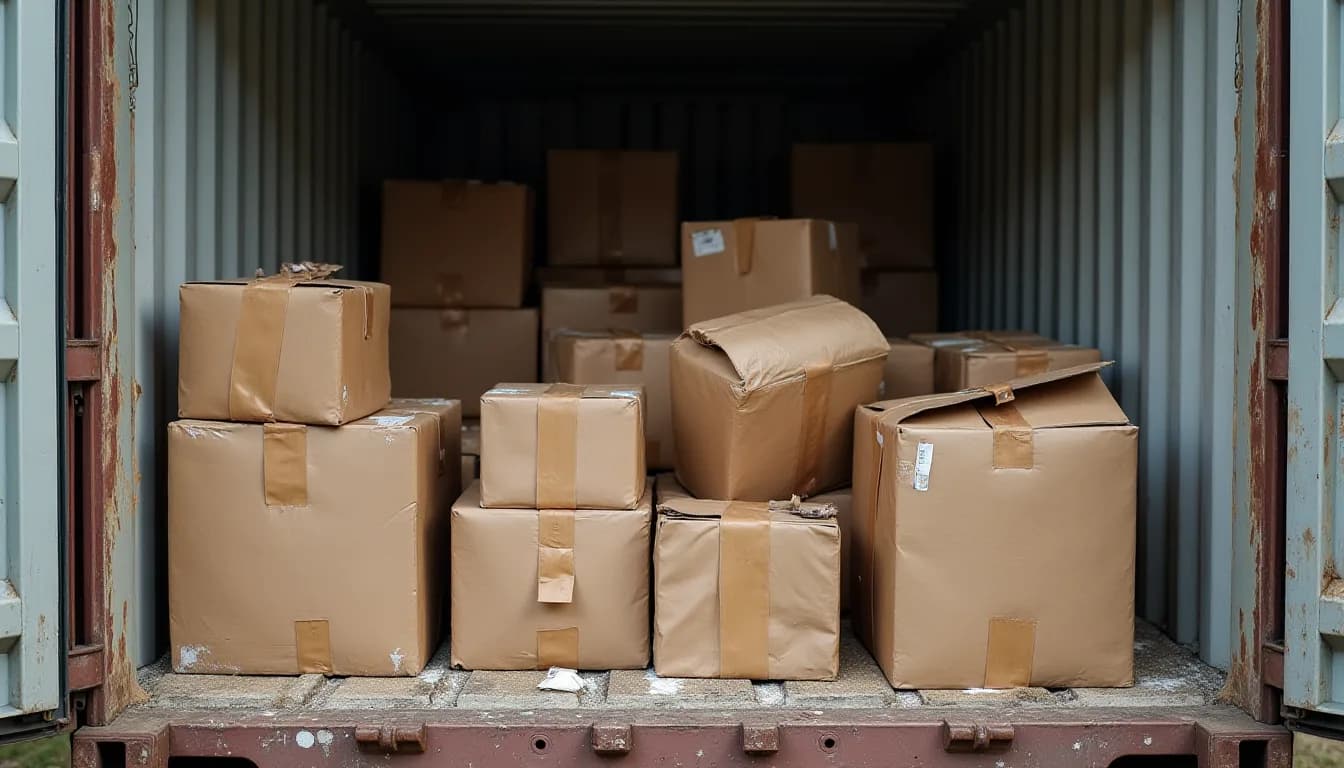
A low marine premium holds up perfectly until something touches the cargo. The moment a real forklift, dockworker, or storm enters the picture, the exclusions a cheap policy was built around become visible. Pilferage not included reads the same before and after half the boxes go missing. Cheap cargo cover is cheap because the insurer removed the events most likely to happen on the riskiest legs of transit, and the importer rarely sees which until the claim.
What is cheap marine and cargo insurance in South Africa?
Cheap marine and cargo insurance in South Africa is a low-premium policy that reaches its price by excluding higher-risk events, such as pilferage, certain handling damage, or specific transit legs, rather than by reducing risk. It can suit a narrow shipment, but the saving usually reflects cover removed. The key question is which events were excluded.
Key Takeaways
- Cheap marine and cargo insurance lowers the premium by excluding higher-risk events rather than by reducing the underlying risk of the shipment.
- Pilferage, certain handling and loading damage, and losses on specific high-risk transit legs are commonly excluded to reach a low price.
- Marine cover is event-based: it responds to defined perils and excludes others, so a cheap policy covers fewer events than a full one.
- Cheap cover tends to fail on the riskiest legs of transit, precisely where a real-world incident is most likely to occur.
- Premiums can be lowered safely through proper packing, secure routing, and accurate valuation rather than by deleting perils.
Why Importers and Transporters Search For Cheap Marine and Cargo Insurance

Importing into South Africa is an adventure. Not the romantic kind. The kind that includes sudden container delays, weather tantrums, forklift enthusiasm, port congestion, customs surprises and that moment when someone calls to say the truck is stuck somewhere near Harrismith.
Costs pile up faster than you can say SARS clearance.
Importers already deal with:
- rising shipping costs
- unpredictable fuel surcharges
- warehouse fees that multiply like rabbits
- ocean freight price swings
- unexpected duties
- inland trucking headaches
- theft on national routes
- port delays caused by everything from wind to paperwork confusion
So, when a broker offers a cheap marine quote, the importer sees hope. Finally, something affordable. Something that does not require a loan or a prayer. A few hundred rand saved feels like a gift.
Here is the problem. Cheap cargo insurance is rarely upfront about what has been removed to make it cheap. Importers assume theft is included. They assume wet damage is included. They assume pilferage is included. They assume inland transit is included. They assume temperature variation is included. They assume everything is included because what kind of cargo policy excludes things that happen to cargo?
Cheap ones.
Cheap cargo insurance does not fail because people are unlucky. It fails because the cover was never designed for the real risks importers face.
What Cheap Marine and Cargo Insurance Really Is
Cheap marine and cargo insurance is not a discount. It is cargo insurance with holes. Some holes are manageable. Others are so large that they might as well be loading ramps.
Insurers make policies cheap by removing:
- theft cover
- pilferage cover
- wet damage cover
- rain damage cover
- damage caused by poor packing
- damage during loading or offloading
- condensing and mould cover
- inland transit cover
- warehouse storage cover
- port storage cover
- hijacking cover
- temperature variation cover for reefers
- short delivery or misdelivery cover
- piracy cover
- coverage for high-risk goods like electronics or tyres
If a risk is common, expensive or has likely human involvement, cheap cargo policies remove it. You only discover this after a loss.
Cheap marine and cargo insurance often covers one thing and one thing only: total loss of the ship. Which is a poetic way of saying your cargo is protected if the ship becomes a submarine, but not if someone steals a pallet while it is sitting at the Durban container yard.
Cheap policies remove the risks you are most likely to face and leave only the risks that rarely happen. This is not insurance. It is an optimistic poem.
How Marine and Cargo Premiums Are Calculated
Cargo insurance premiums are not pulled out of a hat. They are calculated using patterns, probability and risk profiles. Insurers look at your cargo, your route, your packing, your documentation and the hands that touch the goods along the way.
Premiums follow risk. The more things that can go wrong, the more you pay. The more fragile the cargo, the more you pay. The more criminal the route, the more you pay. It is brutally simple and strictly logical.
Cargo Type
Cargo type is the biggest pricing factor. Insurers group cargo into categories similar to how trucking insurers group loads.
Low risk cargo:
- clothing
- cotton bale
- plastic goods
- paper
- bulk raw materials
- low value household items
Medium risk cargo:
- machinery
- tools
- agriculture equipment
- industrial parts
High risk cargo:
- tyres
- electronics
- pharmaceuticals
- alcohol
- copper
- tobacco
- luxury goods
High risk cargo attracts thieves. Anywhere thieves are involved, insurers raise premiums or remove cover. Electronics and tyres are the cargo version of catnip for criminals. Insurers know this well.
Route and Movement Risk
Cargo is rarely stolen at sea. It is stolen during handling, during inland transit or during warehouse delays.
Insurers examine:
Ocean risks
- storms
- bad stowage
- ship roll
- container loss
- port delays
- transhipment risks
Port risks
- Durban congestion
- slow customs clearance
- forklift damage
- theft at container yards
- poor handling
Inland risks
- N3 Mooi River
- N4 Komatipoort
- R21 OR Tambo corridor
- Johannesburg warehouses
- border posts
Cheap policies often exclude inland transit entirely. They only want to insure the sea leg because it is the least risky part of the journey. Everything that happens after landing is excluded from cheap cover.
Packing and Container Condition
Packing determines protection. If your goods are packed badly, the insurer may reject a claim even with proper cover.
They look for:
- moisture control
- container dryness
- use of desiccants
- proper palletising
- shrink wrapping
- crating
- cushioning
- clean, undamaged containers
- correct sealing
Poor packing is one of the biggest reasons cheap cargo insurance collapses. Cheap policies exclude damage caused by poor packing, and cheap cargo gets damaged precisely because it was packed cheaply.
Documentation and Declarations
Documentation affects claims more than weather.
Insurers inspect:
- Bill of Lading
- manifest
- packing list
- customs documents
- temperature logs (reefers)
- weight declarations
- invoice values
If paperwork is incomplete, cheap policies decline immediately. More expensive policies may allow dispute resolution. Cheap cover does not negotiate.
Carrier Profile
Who handles the goods determines the risk.
Insurers examine:
- shipping line reliability
- inland transporter reputation
- warehouse facility rating
- port handling quality
Cheap policies allow any transporter. Proper policies do not. Low cost transport partners increase risk, which increases exclusions.
Cheap premiums hide this reality by removing the cover for incidents involving them.
Hidden Exclusions That Make Cheap Marine and Cargo Cover Dangerous
The exclusions in cheap marine and cargo insurance are some of the strictest in the entire insurance industry. These are not small clauses. They are landmines.
Let’s unpack the most common exclusions.
1. No Theft
This is the one that shocks importers most. Many cheap policies exclude theft entirely unless the entire container disappears at sea. Theft during inland movement is excluded. Theft in the warehouse is excluded. Theft at the port is excluded.
2. No Pilferage
Pilferage is partial theft and the most common cargo loss in South Africa. Cheap policies remove this because it is too common.
If the sealing is intact but the goods inside are missing, the insurer often denies the claim.
3. No Wet Damage
Rain, condensation, leaks, container sweat and even sea spray can damage cargo. Cheap policies classify this as moisture and exclude it.
Reefers also sweat. Cheap cover often excludes this too.
4. No Damage Caused by Poor Packing
This clause works well for insurers because bad packing happens constantly. If the cargo was not secured correctly, stowed correctly or cushioned correctly, the insurer denies the claim.
Cheap policies rely heavily on this exclusion because it gives them an easy escape.
5. No Damage During Loading or Offloading
Forklifts. Pallet jacks. Cranes. The machinery of destruction. Most cargo damage happens during handling.
Cheap policies remove this entire stage of transit.
6. No Inland Transit
One of the most shocking exclusions. Many cheap policies only cover the sea journey. Once the goods arrive in Durban or Cape Town, cover ends. Everything after that is uninsured.
This is where most losses occur.
7. No Warehouse Storage
Cargo often sits in holding areas for days or weeks. Cheap policies exclude damage while goods are stationary on land.
8. No Hijacking Cover
Hijacking syndicates target high value goods on inland routes. Cheap policies remove this completely.
9. No Temperature Variation Cover on Reefers
If the temperature deviates, the goods spoil. Cheap policies exclude this because monitoring is difficult and claims are expensive.
10. No Transhipment Cover
If your container is offloaded at one port and reloaded onto another vessel, cheap policies may exclude this leg.
Most global shipments involve transhipment.
Cheap policies fail because they exclude the exact risks that affect South African cargo most often.
High Excesses: The Trap Behind Cheap Marine and Cargo Policies
Cheap premiums hide high excesses that make claims financially pointless. Many importers focus on monthly savings and never check the deductible.
Common excess traps include:
- R50 000 theft excess
- R100 000 hijacking excess
- 10 percent of cargo value
- temperature variation excess as high as R200 000
- minimum deductibles for breakage
- multiple excesses for different legs of transit
An importer once discovered his R400 saving came with a R150 000 theft excess. He saved a few rand and gained a financial obligation large enough to qualify as its own import.
Cheap insurance often leaves you paying the claim, not the insurer.
Why Cheap Marine and Cargo Policies Fail Most During High Risk Legs
Cargo is most vulnerable during:
- loading
- offloading
- warehouse storage
- inland transit
- border crossings
- container movement
- long delays at ports
- reefers losing power
- manual handling in busy depots
Cheap policies fail precisely here because they exclude these exact risks. They insure the calm parts and exclude the chaotic parts.
In other words: they insure the cruise, not the journey.
When Cheap Marine and Cargo Cover Can Work
Cheap cover is not always bad. It can work well under certain conditions.
Cheap cover is suitable when:
- cargo is low value
- cargo is nonperishable
- movement is short and predictable
- ship to warehouse transport is controlled
- no inland movement
- no high-risk items
- packing is excellent
- warehouses are secure
- declarations are accurate
Cheap can work if risk is minimal.
The danger is buying cheap cover when your cargo faces real world South African risks.
How To Lower Marine and Cargo Premiums Safely Without Losing Protection
You can reduce premiums without buying bad cover by improving risk rather than removing cover.
Here are practical steps.
1. Improve Packing Quality
Most losses occur because of:
- weak pallets
- insufficient strapping
- no cushioning
- no moisture control
Proper packing reduces claims dramatically.
2. Use Moisture Control
Desiccants save cargo.Cheap insurance excludes moisture damage.Proper packing protects you.
3. Correct Declarations
Under declared items can void claims.Insurers respond to honesty with fair pricing.
4. Choose Approved Carriers
Better carriers reduce risk.Lower risk reduces premiums.
5. Temperature Monitoring for Reefers
Proper cold chain logs lower spoilage risk.Insurers reward this.
6. Clear Route Planning
Avoid high risk inland zones.Predictability saves money.
7. Reduce Transhipment
Each handling stage increases risk.Direct routes reduce risk.
8. Use MBFS for Accurate Underwriting Presentation
Presentation matters.We tell the insurer the truth in a way that reduces panic.
The MBFS Difference: Real Care, Real Cover, Real Marine Expertise
We have seen too many cheap cargo policies collapse during claims. The importer believed theft was covered. The insurer believed the importer had read page eighteen. The cargo was gone. The claim was declined. The importer was alone.
MBFS works differently.
We read the entire policy.We check every exclusion.We examine packing requirements.We confirm inland transit.We verify warehouse cover.We negotiate temperature variation extensions.We ensure pilferage is included.We present your risk properly.We support you at claim stage.
Marine and cargo insurance is not about saving a few rand. It is about saving your shipment. One bad claim can collapse an entire business. One bad exclusion can wipe out your margins for the year.
We Care enough to prevent that.
Low premiums tempt, until a container clears late and customs and freight problems start eating the margin.
Rates also skip the rare stuff, and war and piracy cover is the line most shippers only read after the news does.
What marine cargo insurance costs
Marine cargo premium is quoted as a rate against the insured value of the shipment rather than as a monthly figure, and that is the first thing to understand about the price. One shipment carries one premium. An importer moving regularly buys an open policy instead and declares shipments against it, paying the agreed rate on each declaration.
The rate is built from the cargo, the route and the packing, which the section above sets out. What surprises buyers is how far apart two rates on the same value can sit. Electronics in a shared container on a route with a transhipment rate well above steel moving port to port, because the cargo attracts thieves and every handling point adds an opportunity for damage.
Three things move the number in the buyer’s favour and cost nothing to do. Declare the cargo accurately. Pack to a standard the insurer recognises. Name carriers with a record. A low rate bought by leaving out the inland leg or the transhipment is not a saving, since the gap sits exactly where losses tend to happen.
We don’t publish a rate here, because the figure moves with cargo, route and packing to a degree which makes an average misleading. Ask for the rate per hundred of insured value alongside the excess, and read the two together: a lower rate carrying a higher excess is frequently the more expensive policy.
Closing Reflection
Cheap marine and cargo insurance is not the enemy. Ignoring the exclusions inside cheap policies is the enemy. Cheap cover can protect low value cargo on simple journeys, but it can destroy a shipment when the real world introduces risk, delays, moisture, humans, forklifts or inland transit. One bad loss can wipe out a business. One missing clause can collapse your margins for the year.
Your cargo deserves protection that matches its journey. Your business deserves a broker who reads the policy before you sign it. Your cashflow deserves insurance that pays when life happens.
“You shouldn’t have to read ‘pilferage not included’ after half the container arrives empty. With Mont Blanc Financial Services you won’t.
Contact Mont Blanc Financial Services to confirm which marine perils your cover actually responds to before the cargo leaves the port.”
Frequently Asked Questions
Why does cheap marine and cargo insurance in South Africa fail at claim stage?
Cheap marine and cargo insurance in South Africa fails at claim stage because the low premium was achieved by excluding the events most likely to cause a loss. Marine cover is event-based: a policy responds to defined perils and excludes others, and a cheap policy simply covers fewer events. Insurers reach the lower price by removing the expensive risks, pilferage, certain handling and loading damage, losses on high-risk transit legs, which are precisely the things that happen once cargo is handled by people and moved through real ports and routes. These exclusions are invisible in the premium and surface only when a claim falls into one of them. A shipment arriving with boxes missing meets a pilferage exclusion; damage during offloading meets a handling exclusion. The cover behaved perfectly while nothing touched the cargo, then failed the moment it did. This is the recurring pattern of cheap cover, and in marine transit, where handling and multiple legs are unavoidable, the gap is especially likely to be tested.
What does cheap marine and cargo insurance in South Africa usually exclude?
Cheap marine and cargo insurance in South Africa usually excludes the higher-risk events that make cover expensive to provide. Pilferage, the theft of part of a consignment, is a common exclusion, which matters because partial theft is one of the more frequent cargo losses. Handling and loading damage may be excluded, despite cargo being especially vulnerable when lifted, moved, and transferred between transport modes. Losses on specific high-risk transit legs or routes may fall outside cover, and certain types of goods or packing conditions may be excluded. The exact exclusions vary by policy and should be read in the wording rather than assumed. The common principle is that each excluded event represents a real and costly risk, which is exactly why removing it lowers the premium. Because marine cover is defined by the events it responds to, the list of exclusions effectively defines how much protection remains. An importer needs to know which events are covered before relying on the policy, since the gaps appear precisely where transit is most dangerous.
Is cheap marine and cargo insurance in South Africa ever worth it?
Cheap marine and cargo insurance in South Africa can be worth it for a low-risk, well-managed shipment, provided the importer knows exactly what was excluded to reach the price. If goods are well packed, routed through lower-risk legs, and not especially vulnerable to the excluded events, then cover priced down by removing those events may fit without leaving a meaningful gap. The danger lies in buying cheap on the assumption that the lower premium buys the same protection as a full policy. It does not; it buys cover for fewer events. The sound approach is to read the wording first, confirm which perils and transit legs are covered, and match them against the actual shipment and route. Where they align, the saving is real. Where the excluded events are ones the shipment is genuinely exposed to, the policy is a false economy that will fail when tested. Cheap can work in marine cover, but only as an informed choice about which events are being left uninsured.
How can importers lower marine and cargo insurance premiums safely?
Importers can lower marine and cargo insurance premiums safely by reducing the risk the insurer prices rather than by buying a policy with perils excluded. Proper packing is one of the most effective steps, since poorly packed goods are both more likely to be damaged and frequently excluded from cover; packing to standard reduces the risk and protects the claim. Choosing secure, lower-risk routing and reputable handling reduces exposure on the dangerous legs of transit. Accurate valuation of the cargo avoids paying for unnecessary cover while preventing the underinsurance that undercuts a claim. Consolidating and documenting shipments properly helps as well. These measures lower the premium by lowering the genuine risk, which is fundamentally different from a cheap policy that achieves its price by excluding pilferage or handling damage. One preserves protection while reducing cost; the other reduces both. The reliable path is to make the shipment genuinely lower-risk, then let that improved profile justify a lower premium, rather than accepting a cheaper policy that quietly covers less.
How much does marine cargo insurance cost in South Africa?
It is quoted as a rate against the insured value of the shipment rather than as a flat monthly premium, so the answer depends on what is moving and how. Cargo counts for most of it, since attractive, fragile or temperature-sensitive goods rate above steel or raw material. Route follows, with each transhipment and each inland leg adding handling points where losses occur. Packing, container condition and the carrier’s record then adjust it. Regular importers usually buy an open policy and declare each shipment against an agreed rate, which works out lower per consignment than insuring shipment by shipment. Ask for the rate expressed per hundred of insured value together with the excess, because a lower rate carrying a higher excess or a narrower set of perils often costs more once a claim arrives.

Nicola Iozzo
Founder & CEO, Mont Blanc Financial Services
Nicola has spent his career reading the policy wording most people skip, and writes here so you don't discover at claim stage what page 14 meant.
This blog is here to inform, not advise. Think of it as a guidebook, not a contract. For decisions affecting your world, have a chat with your broker or financial professional.
Mont Blanc Financial Services (PTY) Ltd. is an authorised financial services provider. FSP 8271