Marine and Cargo Insurance Basics
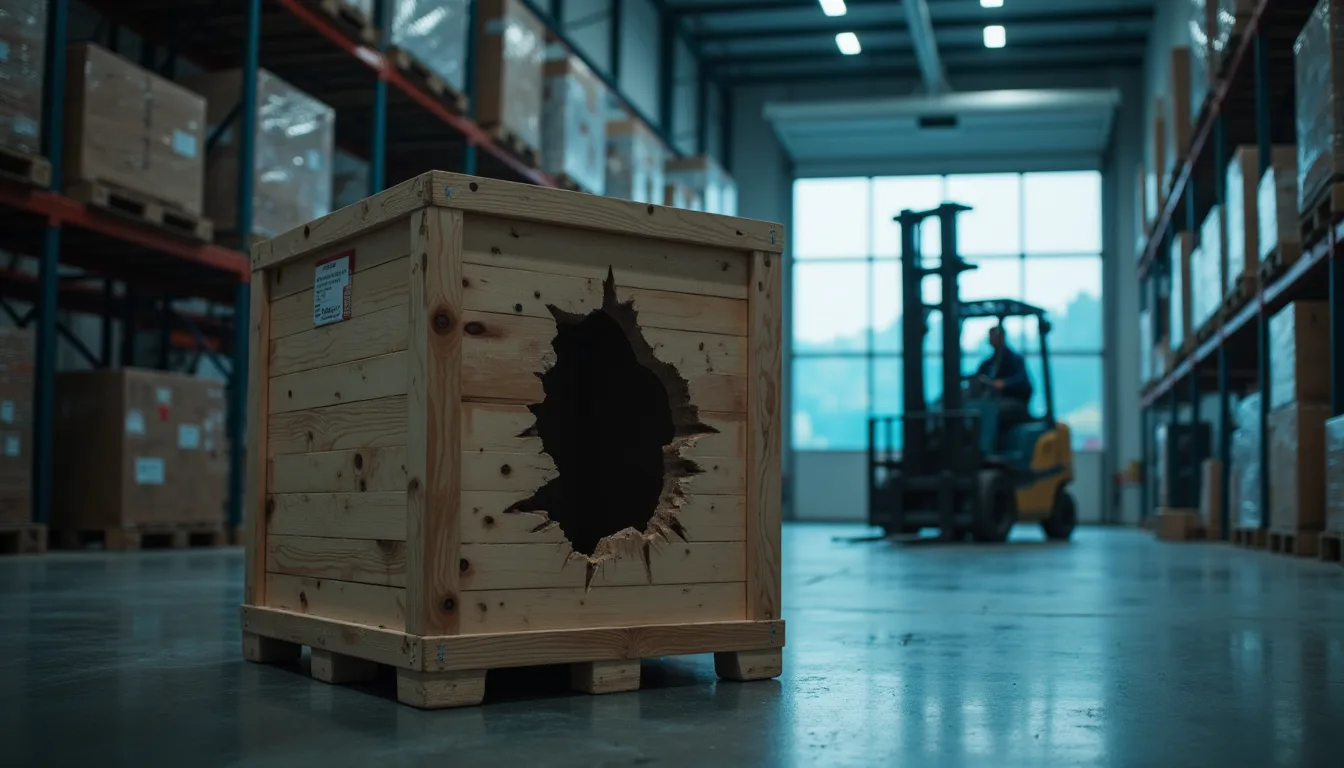
Cargo is at risk long before it ever sees saltwater. The journey people picture, containers resting calmly on a ship, bears little resemblance to the real one through forklifts, trucks, cranes, queues, and warehouses, each indifferent to the delivery schedule. An espresso machine can be speared by a forklift in a warehouse in Dubai before the vessel even loads. Most importers assume cover begins at the port; it does not, and that assumption is the gap.
What are the basics of marine and cargo insurance?
The basics of marine and cargo insurance concern when cover starts, what it protects, and how far it follows the goods. It covers physical loss or damage to cargo in transit by ship, truck, train, or air, from storms, collisions, handling, theft, water, and fire. Crucially, cover should follow the goods from the supplier’s warehouse, not begin at the port.
Key Takeaways
- Marine and cargo insurance covers physical loss or damage to goods in transit, regardless of whether they move by ship, truck, train, or air.
- Cover should follow the goods from the supplier’s warehouse, not begin at the port, since cargo faces risk from the moment it is first handled.
- Risks include storms, collisions, poor handling, theft, water damage, fire, and the unexplained dents that handling produces.
- Much of the danger occurs inland and during loading, before the ocean leg, through forklifts, potholes, shifting containers, and broken seals.
- Matching the cover to the full journey, not the part the owner pictures, is the core of getting marine cover right.
What Marine and Cargo Insurance Covers
Marine and cargo insurance covers the physical loss or damage of goods as they move from one point to another. It does not matter whether your cargo travels by ship, truck, train, aircraft or all four on one long adventure. If it moves, it faces risk.
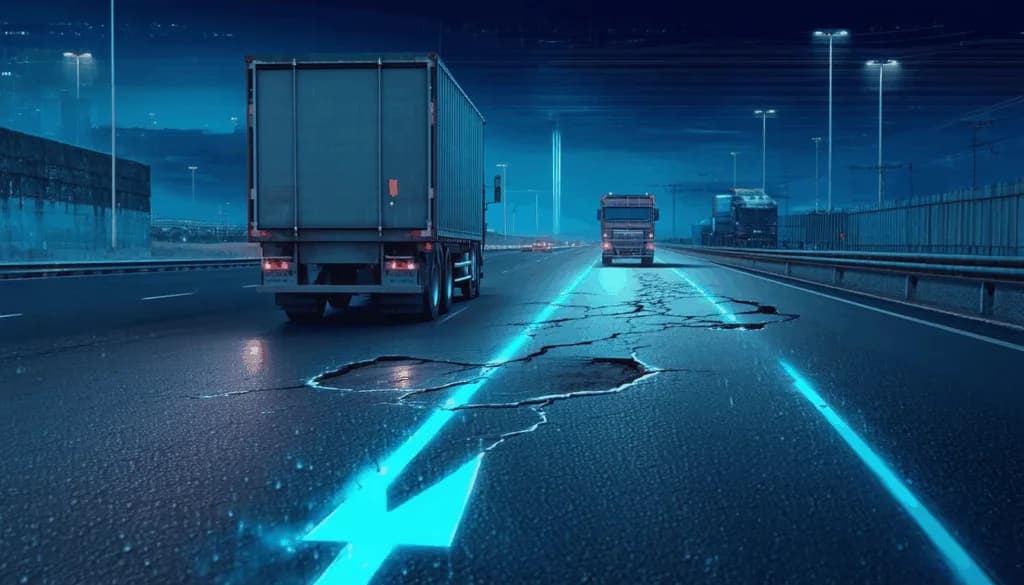
Storms, collisions, poor handling, theft, water damage, fire and unexplained dents all fall inside this world. Many importers assume insurance begins at the port. It does not. Cargo starts its journey at the supplier’s warehouse and faces exposure immediately. Forklifts drop crates, trucks hit potholes, containers shift during loading and seals break when curious people help themselves. Every stage counts, which is why your cover must follow the goods, not your imagination.
Why Cover Does Not Start at the Port
Ports are only one chapter in a longer story. Most cargo begins its journey inland and meets more risk before reaching the ocean than during the voyage itself. Inland transport faces hijacking hotspots, heavy traffic, unpredictable weather, warehouse fires and potholes engineered with pride across South African highways.
When the Dubai forklift pierced the espresso machine, the ship had not even been booked yet. Damage happens anywhere between point A and point B. If your insurance starts only at the port, the entire inland leg of the journey sits exposed. That exposure becomes a financial lesson at claims stage.
All Risks vs Named Perils
Choosing the wrong type of cover is one of the most common mistakes importers make.
All Risks
Covers most accidental loss or damage unless the policy specifically excludes it. This is the broader, safer option and suits fragile items, electronics, machinery and temperature sensitive goods.
Named Perils
Covers only the events listed in the policy. If it is not listed, it is not covered. Many importers choose Named Perils because the premium looks cheaper. The list is usually shorter than a Cape Town summer water bill. Cheaper cover often means more gaps.
Domestic vs International Cover
Marine insurance protects the international leg. Domestic cargo insurance covers movement within South Africa. You need both for full security.
International Transport Faces
- Heavy weather
- Sea water damage
- Container movement
- Handling at foreign ports
- Long-distance exposure
Domestic Transport Faces
- Hijacking
- Road accidents
- Warehouse fires
- Loading accidents
- Poor road infrastructure
When you buy only one type of cover, you leave gaps. Those gaps are the places where insurers say the journey fell outside the policy.
Inland Risks Businesses Often Ignore
We may worry about pirates near Somalia, but hijackers on the N3 are far closer and far faster. Trucks overturn on Van Reenen’s Pass. Warehouses burn. Containers vanish between Johannesburg and Cape Town. Inland transport is often more dangerous than the sea.
Ignoring inland risk is one of the quickest ways to end up with an unpaid claim.
Door to Door Cover vs Port to Port
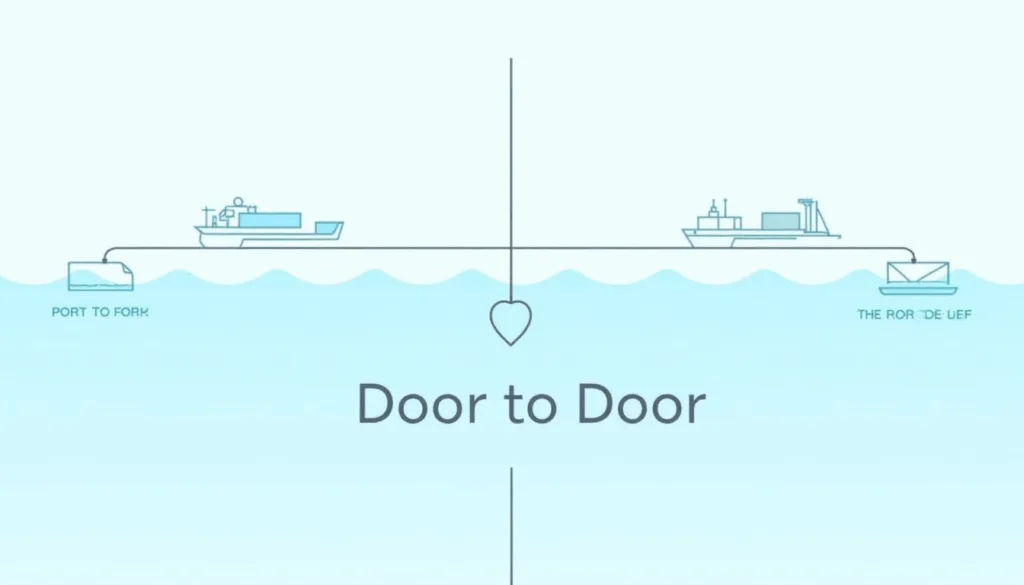
Port to port protects only the sea leg. Door to door protects the full chain from the supplier’s warehouse to your destination.
Door to door makes claims easier because there is no argument about where the damage occurred or which insurer should step in. Your cover follows the goods the entire way. For machinery, electronics, chilled produce or valuable stock, this is the safest option.
Key Marine Terms You Must Know
Perils of the Sea
These are the natural forces of the ocean, the ones no human can negotiate with. Heavy weather, powerful waves and sea water finding its way into places it should not be. These events belong to the ocean itself. They do not include poor packing, rough handling or anything caused by human shortcuts.
General Average
Think of it as the most expensive group project you will ever join. When a ship must sacrifice cargo to save the voyage, everyone with goods on board shares the cost. Your own cargo may arrive without a scratch, yet you still contribute because the ship survived through a shared decision.
Particular Average
This applies only to your cargo. If your goods suffer damage and nobody else is affected, the loss sits with your shipment alone. No cost sharing, no collective pot, just your specific claim.
Salvage and Subrogation
When someone else causes the damage, your insurer steps in and takes action. Salvage covers the cost of saving the vessel or cargo. Subrogation allows the insurer to recover the loss from the responsible party, using their legal team so you do not have to use yours.
Incoterms Explained Simply
Incoterms decide who carries the cost and risk. They are not suggestions. They are legal rules.
EXW (Ex Works)
The seller places the goods at their door and waves politely. From that moment, the responsibility sits with you. You carry almost every cost and every risk, even before the cargo leaves their street.
FOB (Free On Board)
The seller pays the costs until the goods reach the ship. The moment the cargo crosses the rail, the risk becomes yours. It is a clean handover, but one many buyers misunderstand.
CIF (Cost, Insurance and Freight)
The seller handles the freight and arranges the insurance, but the insurance is usually minimum cover. It protects their interests, not yours. Always ask for a copy of the policy. If the seller hesitates or changes the topic, arrange your own cover immediately.
Insurable Interest
You must stand to lose money to claim money. Insurable interest decides who can claim for the loss and when. Incoterms control when this interest transfers from seller to buyer. If you misunderstand this timing, you may believe you have a valid claim while having no legal right to it.
A common error occurs when both parties assume they are covered. When two people believe a policy exists, the universe prepares a lesson at claims stage.
Why Combined Cover Speeds Up Claims
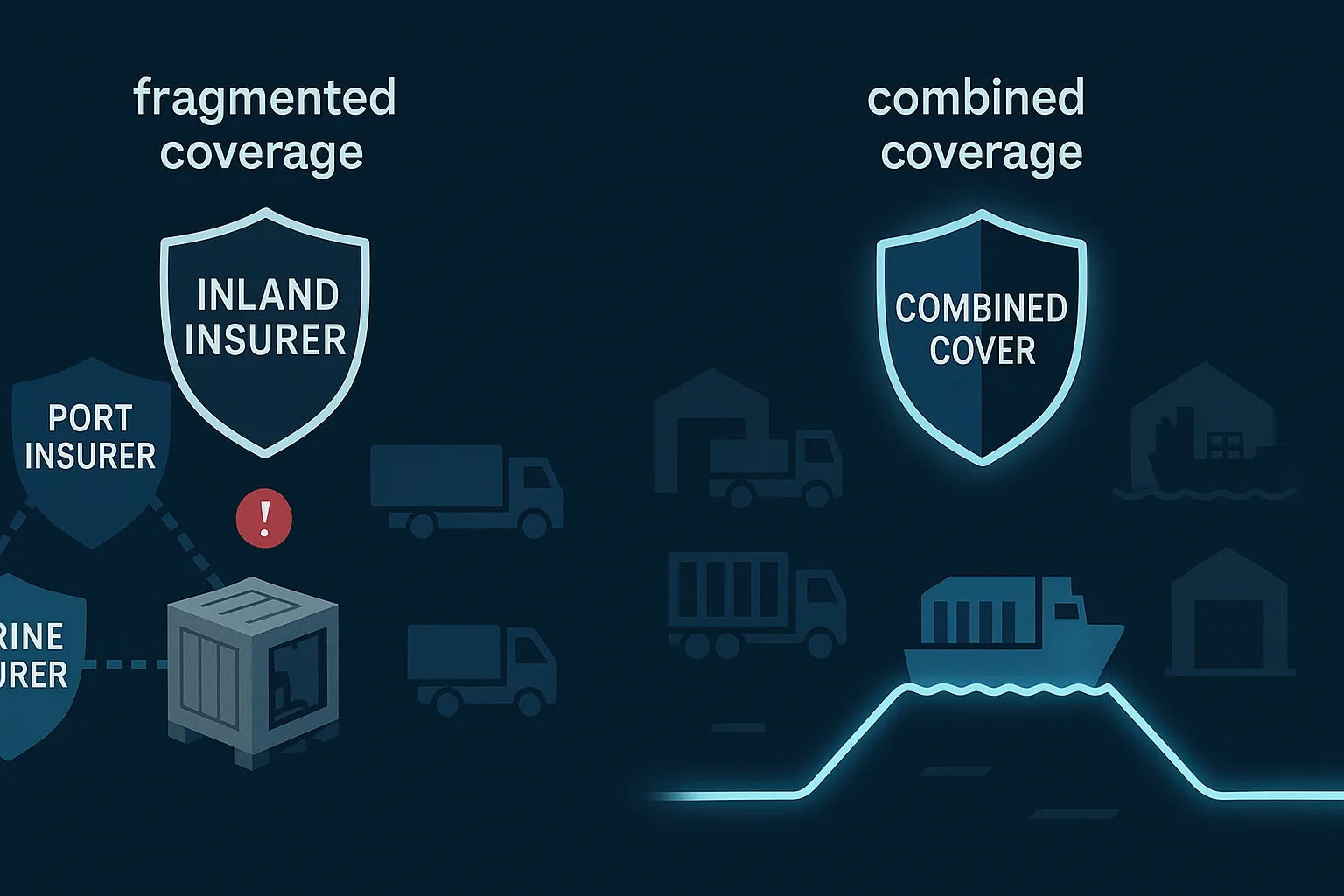
When insurers know the entire journey falls under one plan, the claims process works far more smoothly. Claims departments do not need to debate where the loss occurred or which insurer must take responsibility. Inland damage, port incidents and ocean events all fall under one continuous chain, which removes the confusion that often slows claims for weeks. When different insurers each cover a section of the journey, they first argue about where the damage happened, then argue about liability, and sometimes argue about whether the cargo was even in their care at the exact moment of the incident. This back-and-forth becomes your delay.
Combined cover eliminates those arguments. The same insurer receives the claim, follows the story from origin to destination and processes it as a single event. You get one point of contact, one investigation and one outcome. It shortens waiting times, protects your cash flow and ensures your business does not carry the cost of someone else’s administrative tug-of-war.
Why a Broker Makes This Easier
A marine policy booklet reads like the instructions on a headache tablet. You know it matters, but your eyes drift halfway down the page. A broker acts as your navigator. We understand risk profiles, exclusions, Incoterms, common mistakes and the difference between a small oversight and a denied claim.
We speak insurance fluently, so your goods stay covered from the first lift to the final delivery.
Frequently Asked Questions
When does marine and cargo insurance cover begin?
Marine and cargo insurance cover should begin when the goods start their journey at the supplier’s warehouse, not when they reach the port, though the exact point depends on the policy and the Incoterms agreed. This is one of the most misunderstood basics of marine cover: many importers assume the risk only matters once cargo is at sea, when in fact goods face exposure from the moment they are first handled. A crate can be dropped by a forklift, a truck can hit a pothole, a container can shift during loading, or a seal can be broken long before the vessel is involved. If cover only starts at the port, all of that early exposure is uninsured. The principle is that cover must follow the goods through every stage, beginning where the journey genuinely begins. Confirming when a policy’s cover attaches, and ensuring it matches the real start of the journey, is essential. Assuming cover begins at the port is precisely the error that leaves the early, high-risk legs unprotected.
What do the basics of marine and cargo insurance cover?
The basics of marine and cargo insurance cover the physical loss or damage of goods as they move from one point to another, across any mode of transport. Whether cargo travels by ship, truck, train, aircraft, or several of these on one journey, the cover responds to the risks of movement: storms, collisions, poor handling, theft, water damage, fire, and the dents and breakages that handling produces. The defining feature is that it protects the goods in transit rather than at rest, following them through the stages of their journey. What it covers in a specific case depends on the policy wording and the terms of the shipment, but the core principle is protection against the accidental loss or damage that transit exposes goods to. This breadth is necessary because cargo passes through so many hands and stages, each carrying its own risk. Understanding the basics means recognising that the cover is about the journey as a whole, and that the protection follows the goods rather than attaching only to one part of the trip.
Why doesn’t marine and cargo insurance cover start at the port?
Cover should not start only at the port because most cargo faces significant risk inland and during handling, before it ever reaches the ocean. Ports are only one chapter in a longer story; a shipment typically begins at a supplier’s warehouse and meets more risk on the way to the vessel than during the voyage itself. Inland transport faces hijacking hotspots, heavy traffic, potholes, and unpredictable weather, while loading and warehousing expose goods to forklifts, drops, and broken seals. A policy that begins at the port leaves all of this early exposure uninsured, which is a common and costly gap. The reality is that the riskiest parts of a journey are often the least glamorous, the warehouse, the truck, the loading bay, rather than the open sea. This is why cover that follows the goods from the start of the journey is so important. Treating the port as the beginning of the risk misreads where cargo is actually most vulnerable, and it is precisely this misunderstanding that leaves importers exposed on the legs they never thought to insure.How do I make sure my marine and cargo insurance covers the whole journey?Ensuring marine and cargo insurance covers the whole journey means matching the policy to the actual route the goods take, rather than to an assumed or simplified version of it. The starting point is to map the real journey, where the goods originate, every transport mode and transfer along the way, and the final destination, and then confirm that the cover attaches at the genuine start and continues through to the end. This is closely tied to the Incoterms governing the shipment, which determine where responsibility, and therefore the need for cover, sits at each stage. A common failure is cover that protects one leg, such as the ocean voyage, while leaving the inland or loading legs exposed. Confirming the policy follows the goods across every stage, with no gap between legs, is what prevents the situation where a loss falls into an uninsured part of the journey. The practical step is to review the route and the cover together, ensuring the protection tracks the goods rather than the owner’s mental picture of the trip.
Importing and exporting goods is not a simple matter of moving a crate from one place to another. Every stage of the journey carries its own kind of risk, from the first forklift lift in a supplier’s warehouse to the final delivery at your door. South African businesses operate in a landscape where inland risks are often more unpredictable than the open ocean, and where one overlooked detail can turn a simple shipment into an expensive lesson.
Marine and cargo insurance is more than paperwork. It is a safeguard for your cash flow, your delivery promises and your client relationships. When your cover follows the full journey, you remove uncertainty and give your business the freedom to grow without fear of what may happen in transit. Good insurance is not about expecting disaster. It is about knowing you will recover when it arrives.
You shouldn’t have to learn your cover started at the port after a forklift wrecks the crate in the warehouse. With Mont Blanc Financial Services you won’t.
Contact Mont Blanc Financial Services to confirm your marine cover attaches where the journey actually begins, not where you assume it does.

Nicola Iozzo
Founder & CEO, Mont Blanc Financial Services
Nicola has spent his career reading the policy wording most people skip, and writes here so you don't discover at claim stage what page 14 meant.
This blog is here to inform, not advise. Think of it as a guidebook, not a contract. For decisions affecting your world, have a chat with your broker or financial professional.
Mont Blanc Financial Services (PTY) Ltd. is an authorised financial services provider. FSP 8271