War, Piracy and Political Risk Cover for Cargo
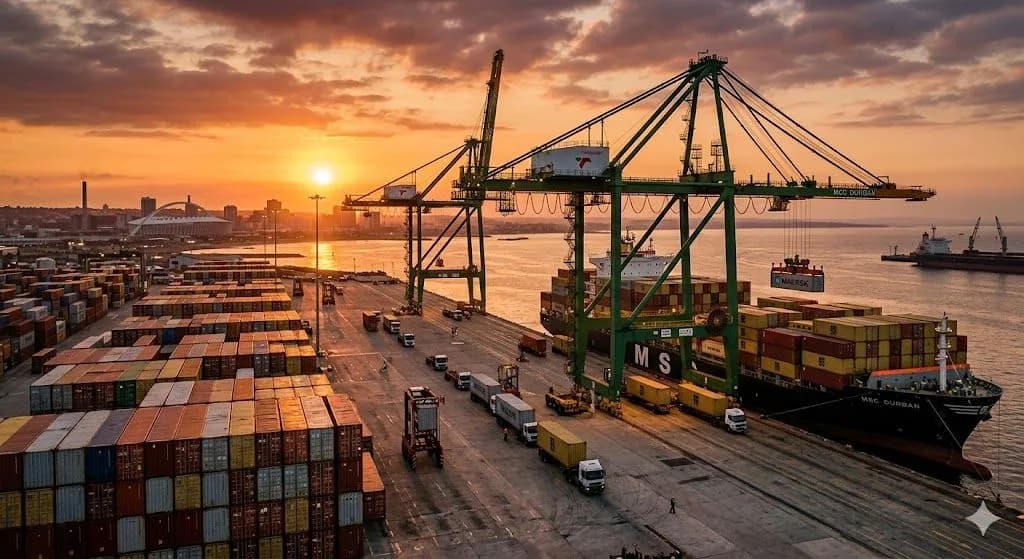
A standard marine cargo policy responds to weather, mishandling, and the ordinary accidents of transit. It was never built to respond to a vessel seized off the Horn of Africa, a port closed by a coup, or a container caught inside a conflict zone the shipment never expected to cross. South African importers and exporters routing goods through the Red Sea, the Gulf of Guinea, or politically unstable inland corridors carry an exposure that sits entirely outside what a basic cargo policy was designed to absorb.
What is war and piracy risk cover for cargo?
War and piracy risk cover for cargo is a specialist marine policy, usually added by endorsement, that responds to loss or damage caused by armed conflict, hijacking, sabotage, or government seizure during transit. Standard marine cargo policies exclude these perils outright. The cover is priced and triggered separately, often by route, vessel transit zone, or named conflict area.
Key Takeaways
- Standard marine cargo policies exclude war, piracy, and political risk by default, which means this cover has to be added separately, not assumed.
- Premiums for this cover are often priced by transit route and current conflict zones rather than by the cargo type alone.
- Piracy and hijacking are typically written as a distinct peril from broader war risk, even though insurers may bundle both into a single endorsement.
- Political risk extends beyond armed conflict to include government seizure, confiscation, and trade restrictions imposed mid-shipment.
- Cover is frequently time-limited and route-specific, so a shipment rerouted through a different corridor may fall outside the original endorsement.
Why standard cargo cover stops at the conflict line
Marine cargo insurers price standard policies on the assumption of ordinary commercial risk: weather, handling damage, theft of an opportunistic kind, and the routine hazards of transit. War, piracy, and politically motivated seizure are deliberately excluded from that pricing, because the scale and unpredictability of conflict-driven loss sit outside what a standard actuarial model for cargo movement was built to absorb. This is not an oversight in the policy wording. It is a structural boundary: insurers separate the predictable risk of moving goods from the volatile risk of moving goods through contested territory, and they price each one differently because the two behave nothing alike.
Piracy is underwritten as its own category of peril
Piracy and armed robbery at sea are often grouped with war risk in casual conversation, but insurers typically treat them as a related yet distinct peril within the same endorsement. War risk responds to state or organised conflict, while piracy responds to criminal hijacking, often for ransom rather than territorial or political objectives. The distinction matters at claim stage, since the circumstances of a loss determine which clause within the endorsement actually responds. A vessel boarded by armed individuals demanding ransom in the Gulf of Guinea triggers a different contractual pathway than a vessel caught in cross-border military action, even though both events might look similarly alarming from the outside.
Political risk reaches further than armed conflict
Political risk cover within this category extends beyond bullets and blockades. It can respond to government confiscation, expropriation, trade embargoes imposed mid-shipment, and the cancellation of an import or export licence after goods are already in transit. A shipment can be financially sound, properly insured against weather and handling, and still be stranded the moment a destination country imposes a new restriction or a transit country changes its political posture overnight. For importers and exporters dealing with politically unstable trade corridors, this broader definition of political risk is often the more relevant exposure day to day, since outright armed conflict is rarer than the administrative disruption that surrounds it.
Routes decide the price, not just the cargo
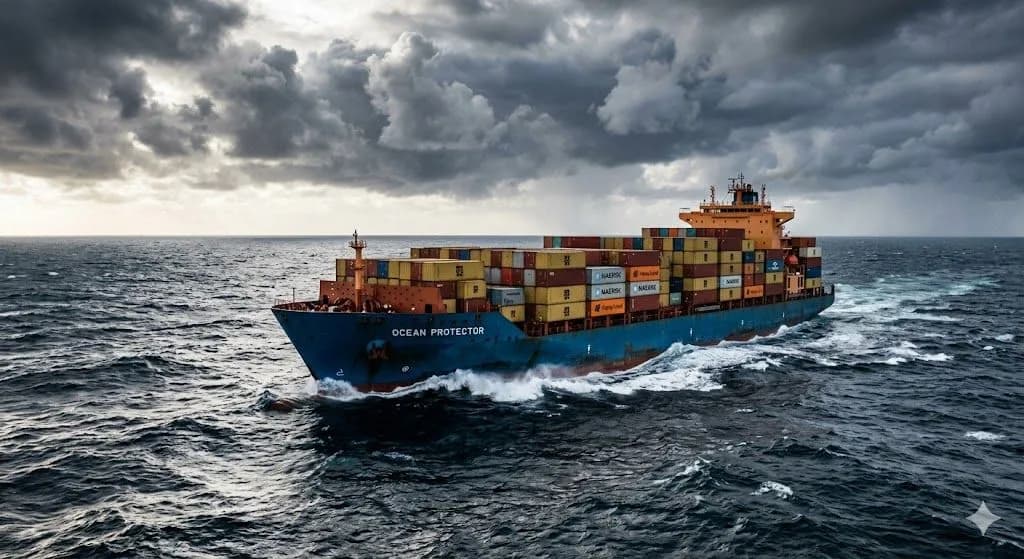
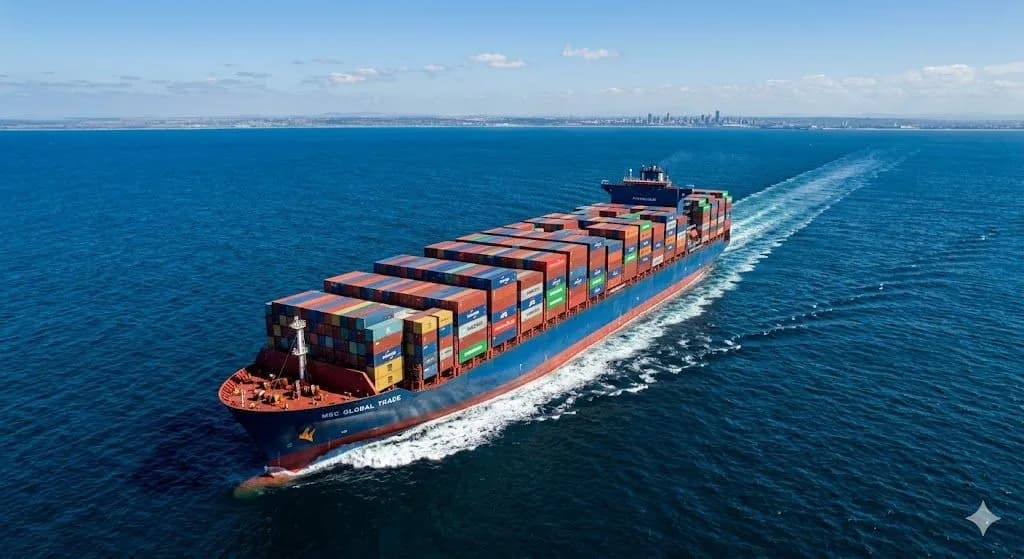
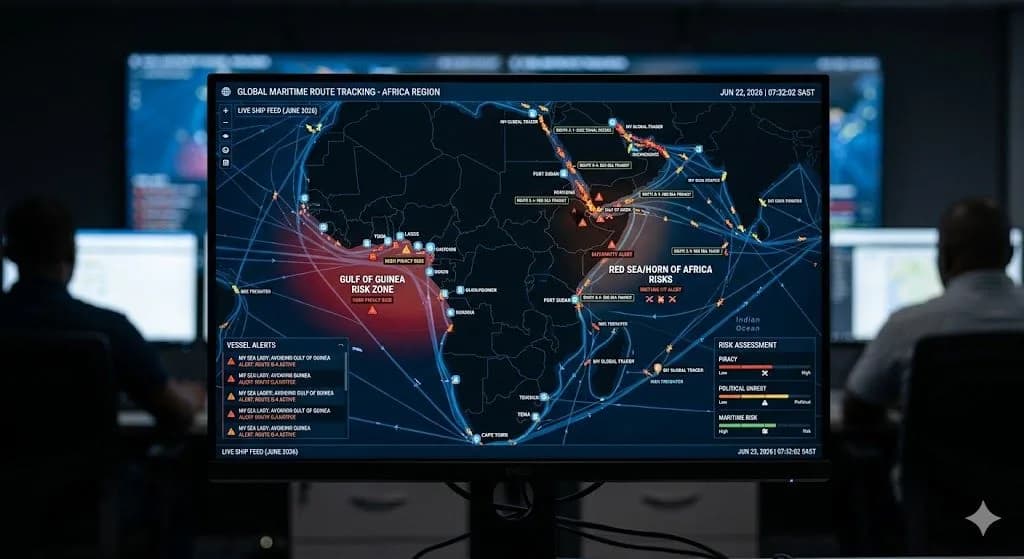
Because this cover responds to geography and conflict status rather than cargo type alone, insurers price it heavily around the specific route and the current list of designated high-risk zones. A shipment moving through the Red Sea corridor during a period of active disruption carries a different premium to the same cargo moving the same distance through a quieter route. Lists of named conflict areas and high-risk transit zones are reviewed and updated by underwriters on an ongoing basis, which means the cost and availability of cover for a given route can shift well before the next renewal date. A shipper who reroutes a cargo to avoid a delay can unintentionally move it into a zone the original endorsement never covered.
Time and route limits make this cover easy to outgrow mid-shipment
War and piracy endorsements are frequently written against a specific voyage, route, or time window rather than as an open-ended addition to the underlying cargo policy. A shipment delayed at a port, rerouted around a closure, or extended beyond its planned transit window can find itself outside the boundaries the endorsement was actually written to cover, even though the cargo itself never changed. This is one of the more common gaps in practice: the cover was correct when it was bought, but the voyage changed shape after departure and the paperwork never caught up. Reviewing the endorsement against the actual route and timeline, not just the route as planned at the time of booking, is the only way to confirm the cover still matches the shipment in motion.
Closing reflection
War, piracy, and political risk do not arrive on a predictable schedule, which is precisely why a standard cargo policy was never built to hold them. The cover exists for the shipment that crosses contested ground, not the shipment that moves through calm water, and the two are priced and triggered on entirely different terms. For cargo routed through any corridor carrying current geopolitical risk, the question is not whether the standard policy is adequate. It is whether anything beyond the standard policy has been added at all.
You shouldn’t have to discover a conflict-zone gap in your cargo cover once a shipment is already at risk. With Mont Blanc Financial Services you won’t.
Contact Mont Blanc Financial Services to review your cargo’s transit routes against current war, piracy, and political risk exposure before the next shipment departs.
War risk and piracy cover raise questions most cargo owners only ask once a route has already become a problem. These four cover the ground worth checking in advance.
This article is part of our complete guide to marine and cargo insurance.
Frequently Asked Questions
Does my standard marine cargo insurance already include war and piracy risk?
No, standard marine cargo insurance policies exclude war, piracy, and politically motivated seizure by default, and this exclusion is a structural feature of how the policy is priced rather than an oversight in the wording. Insurers separate ordinary commercial transit risk, such as weather damage, handling errors, and opportunistic theft, from the volatile risk associated with armed conflict or hijacking, because the two behave in fundamentally different ways from an underwriting perspective. War and piracy risk cover for cargo has to be added as a specific endorsement, usually priced against the route, the current conflict status of the transit zones involved, and the value of the cargo itself. Many importers and exporters discover this exclusion only after a loss, at which point it is too late to add the cover that would have responded. Checking the policy wording for an explicit war and piracy exclusion clause, rather than assuming silence means inclusion, is the only reliable way to know where the standard policy stops.
What is the difference between war risk cover and piracy cover for cargo?
War risk responds to loss caused by armed conflict, state action, or organised military activity, while piracy cover responds to criminal hijacking at sea, typically for ransom rather than territorial or political objectives. Insurers frequently bundle both into a single specialist endorsement, since the routes and conflict zones that carry elevated war risk often overlap with the corridors most exposed to piracy, but the two perils are assessed and triggered separately within the policy wording. A vessel seized by an armed group demanding ransom is handled under the piracy provisions, while cargo lost or damaged during cross-border military conflict falls under the war risk provisions, and the distinction can affect both the claims process and which limits apply. Cargo owners moving goods through known piracy corridors, such as parts of the Gulf of Guinea, need to confirm the endorsement explicitly addresses piracy and not only broader war risk, since some policies cover one without fully extending to the other.
Can political risk affect my cargo even if there is no active war along the route?
Yes, political risk cover extends well beyond armed conflict to include government confiscation, expropriation, trade embargoes, and the sudden cancellation of an import or export licence while goods are already in transit. A shipment can be moving through an entirely peaceful route and still face disruption if a destination country changes its trade policy, imposes new sanctions, or seizes goods for administrative or political reasons unrelated to any military action. This broader definition of political risk is often the more frequent real-world exposure for shippers dealing with politically unstable trading partners, since outright armed conflict is comparatively rare while administrative and political disruption is not. Cargo owners trading with countries experiencing political instability, regime change, or strained diplomatic relations should treat political risk as a live consideration even when there is no conflict in the conventional sense occurring along the physical route.
If my cargo gets rerouted mid-shipment, does my war and piracy cover still apply?
Not automatically. War and piracy endorsements are frequently written against a specific voyage, named route, or defined time window, rather than as a blanket addition that follows the cargo wherever it travels. If a shipment is delayed, rerouted around a port closure, or redirected through a different corridor to avoid disruption, it can move outside the geographic or temporal boundaries the original endorsement was written to cover, even though the cargo itself and its value have not changed. This is one of the more common practical gaps in this type of cover, because the rerouting decision is often made quickly under operational pressure, while the insurance paperwork follows on a slower timeline. Confirming the endorsement against the actual route being travelled, rather than the route originally planned at the time the policy was purchased, is the only way to know whether cover still responds to the shipment as it currently stands. Where a reroute is unavoidable, contacting the insurer before the cargo enters the new corridor is the safer sequence rather than after.

Nicola Iozzo
Founder & CEO, Mont Blanc Financial Services
Nicola has spent his career reading the policy wording most people skip, and writes here so you don't discover at claim stage what page 14 meant.
This blog is here to inform, not advise. Think of it as a guidebook, not a contract. For decisions affecting your world, have a chat with your broker or financial professional.
Mont Blanc Financial Services (PTY) Ltd. is an authorised financial services provider. FSP 8271