When Risk Sits in the Co-Pilot’s Seat
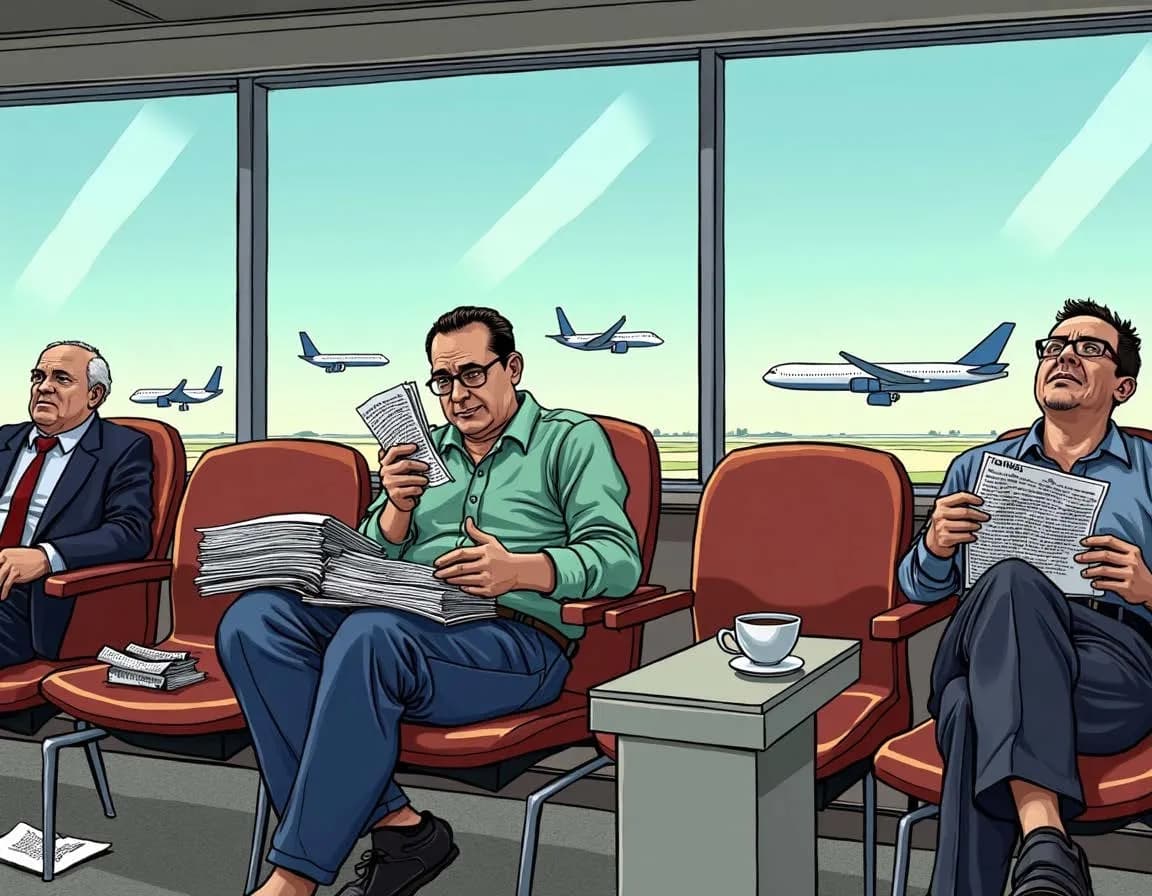
Every aviation premium is a number attached to a story the insurer has assembled about three things: the aircraft, the people flying it, and where it flies. Most operators see only the figure, not the assessment behind it. The exclusions that follow are written into the wording at the same time, and they apply whether or not anyone reads them. The gap between the assumed cover and the rated risk is where claims fail.
What is aviation insurance risk?
Aviation insurance risk refers to the range of factors that determine how likely an aircraft, operator, or flight operation is to generate a financial loss or liability claim. Insurers assess risk across three main variables: the aircraft itself, the people flying it, and the nature of the operation. The resulting risk profile determines both the premium charged and the exclusions applied to the policy.
Key Takeaways
- Aviation insurance risk is assessed across three variables: the aircraft, the crew, and the nature of the operation.
- Older aircraft, less experienced crews, and high-exposure operations attract higher premiums because each increases the probability of a claim.
- Standard aviation policies exclude war and terrorism, wear and tear, and incidents arising from pilot negligence or unapproved use.
- Exclusions are not buried: they are in the policy wording, and they apply whether or not the operator has read them.
- Understanding your aviation insurance risk profile before placing cover is the more reliable basis for building a policy that holds up when it needs to.
Factors Affecting Aviation Insurance Premiums
Insurance premiums are not plucked out of thin air. They are the product of careful calculations, risk assessments, and more than a little industry experience. For pilots, operators, and owners, understanding what shapes these premiums can feel like peeking into the cockpit of an unfamiliar aircraft – the controls look daunting, but once you know what each dial means, the logic begins to reveal itself.
The Aircraft: Age, Type, and Reputation

First on the list is the aircraft. Insurers look at the plane the way a buyer studies a second-hand car, except with far higher stakes. A new aircraft, fitted with the latest safety systems, will almost always attract lower premiums. Its parts are reliable, its instruments modern, its risks comparatively predictable. An older aircraft, by contrast, often comes with the baggage of wear, fatigue, and maintenance gaps. Even with careful upkeep, an older plane may be seen as more vulnerable to failure and insurers price that risk accordingly
The make and model also matter. Some aircraft have stellar safety records and a reputation for reliability. Others are associated with quirks, design flaws, or accident history. Insurers keep meticulous data, and if your aircraft type has a track record of trouble, expect to see it reflected in your premium. In aviation, reputation follows the machine just as much as the pilot.
The Pilot and Crew: Hours, Training, and Track Record
If the aircraft is one half of the equation, the people in the cockpit are the other. A pilot with thousands of hours in the air, advanced certifications, and a clean record is gold in the eyes of insurers. Experience reduces uncertainty, and uncertainty is the very thing premiums are built upon.
By the same measure, a pilot with fewer hours or a patchy safety record increases perceived risk. Training quality, certifications, and flight history all come under the spotlight. Insurers will also look at the crew. A well-trained, experienced team can prevent small issues from snowballing into accidents. A less seasoned crew might not inspire the same confidence, and the premium reflects that.
Operations: Purpose, Geography, and Exposure
Where and how the aircraft is flown also plays a pivotal role. A private plane flown occasionally for leisure will be assessed very differently from a charter service flying passengers daily. Commercial operations, particularly those carrying people, come with higher stakes, and higher liability. More passengers mean more lives at risk, which translates directly into higher premiums.
Geography introduces another layer. Flights over regions with a history of poor weather, rough terrain, or higher accident rates are seen as riskier. Coastal storms, mountain turbulence, and even political instability can influence how an insurer prices a policy. An aircraft operating in a mild, predictable climate will generally enjoy lower premiums than one flying routes through more hazardous environments.
The Big Picture
When viewed together, these factors reveal a truth: aviation insurance premiums are a mirror of risk. The machine, the people, and the environment all contribute to the final number. Owners and operators who understand this equation are better equipped to manage costs, whether by investing in newer equipment, prioritizing pilot training, or choosing flight paths and operations minimizing exposure.
At the end of the day, premiums are not punishments. They are signals. They show you where the risks lie and how the industry values the steps you take to manage them. Read them carefully, and they can guide not only your budget but your entire approach to safe, sustainable flight.
Common Exclusions in Aviation Insurance Policies
Aviation insurance may feel like an all-encompassing shield, but every shield has gaps. These exclusions are not there to trick you, they are spelled out in black and white, yet many operators overlook them until a claim is denied. Knowing what your policy does not cover is as important as knowing what it does.
War, Terrorism, and Political Unrest
The first and perhaps most sobering exclusion concerns war, terrorism, and political instability. Most aviation insurance policies draw a firm line here. The reason is simple: these events are unpredictable, catastrophic, and capable of producing losses no single insurer could absorb. If your aircraft is caught in the middle of a conflict zone, standard coverage will not save you.
For operators flying routes that skirt high-risk regions, this exclusion cannot be ignored. Specialized coverage or endorsements, often known as “war risk insurance,” are available for those who need it. Without them, your aircraft and passengers are exposed to one of the most volatile risks in aviation.
Wear and Tear, or the Price of Time
Next is wear and tear, the slow erosion that comes with every machine. Insurance policies are not designed to cover the gradual decline of parts, nor the breakdowns caused by poor or skipped maintenance. If a component fails because it was not serviced on schedule, the insurer will not step in.
This exclusion puts the responsibility squarely back on owners and operators. Regular inspections, meticulous maintenance, and detailed records are not only best practice but also essential for keeping your aircraft insurable. Ignore them, and you may find yourself footing the bill for costly repairs, or worse, grounding your aircraft indefinitely.
Pilot Negligence and Unapproved Operations
Perhaps the most human of all exclusions is negligence. If a pilot operates recklessly, ignores safety procedures, or flies outside approved parameters, an insurer can deny a claim. The same applies if the aircraft is used for purposes outside the scope of the policy. A charter flight disguised as a “private trip,” or a pilot flying without the proper qualifications, can both nullify coverage in an instant.
This is why training, vigilance, and compliance matter. Insurance is a partnership: the provider agrees to shoulder the financial risk, but only if the operator respects the rules of safe flight. Stray from those rules, and the safety net vanishes.
The Lesson in the Fine Print
Exclusions are not meant to scare you away from insurance. They are reminders that no policy replaces discipline, preparation, or common sense. They mark the boundaries of what insurance can reasonably cover and point to the areas where your own responsibility takes over.
For South African pilots and operators, knowing these exclusions is not optional. It is the difference between assuming you are protected and knowing you truly are. Read the fine print, ask the questions, and if the risks apply to your operation, secure the right endorsements before wheels-up.
Reading the Signals in the Sky

Premiums and exclusions may look like numbers and fine print, but together they tell a story. They show where risks lie, how insurers measure them, and how operators can take control of their costs. A well-maintained aircraft, a skilled crew, and clear awareness of what policies do not cover are not just good practice: they are investments in resilience.
Insurance is often treated as a burden, a bill paid grudgingly. In reality, it is a mirror reflecting both your risks and your readiness. Read it carefully, and it guides you toward safer, more sustainable operations. Ignore it, and you may find yourself grounded by surprises you could have anticipated.
Costs and exclusions are only half the picture, though. To truly fly with confidence, you need to know what happens after an incident, how regulators shape the rules of the game, and where the industry is heading. That is where the second half of this guide will take you.
Ready to make sure your premiums reflect preparation, not punishment? Talk to Mont Blanc Financial Services today. We will help you cut through the fine print, manage your risks, and keep your focus where it belongs – in the sky.[Get your aviation insurance quote →]
Still have questions about aviation insurance premiums and exclusions? We’ve answered the most common ones below.
Underwriters read the logbook first, which is why aircraft maintenance logs can decide a premium or a rejection.
Frequently Asked Questions
What factors affect aviation insurance premiums in South Africa?
Aviation insurance risk is assessed across three variables: the aircraft, the crew, and the operation. Insurers examine each in detail before setting a premium or applying exclusions.The aircraft’s age, make, model, and maintenance history all carry weight. A newer aircraft with current avionics and a clean service record presents a lower risk profile than an older machine with harder-to-source parts and accumulated wear. Insurers hold detailed data on aircraft types, and a model with a known accident history will be priced accordingly.The crew follows the same logic. A pilot with extensive hours, advanced certifications, and a clean safety record reduces uncertainty. A less experienced crew increases it. Training quality and flight history both factor into the assessment.The operation introduces the third layer. A private aircraft flown occasionally for leisure sits at a different risk level than a charter service carrying passengers daily over storm-prone routes. Geography adds further weight: flights over high-risk terrain or unpredictable weather corridors carry higher exposure than operations in stable environments.
Why are older aircraft more expensive to insure?
Older aircraft present a higher risk profile for the same reason an ageing vehicle does: time degrades components, sourcing parts becomes harder, and even careful maintenance cannot eliminate the unpredictability that comes with age.Insurers hold statistical data on aircraft types and age bands. That data consistently shows older aircraft are more likely to experience mechanical issues, which translates directly into a higher probability of a claim. The premium reflects that probability.Modern aircraft carry safety systems that older models lack. Current avionics, updated instrumentation, and improved structural design all reduce the likelihood of failure. An insurer assessing a newer aircraft has more confidence in the risk profile, and that confidence is priced into a lower premium.This does not mean older aircraft are uninsurable. It means the cost of cover reflects the additional uncertainty they carry. Operators of older aircraft can offset some of that cost through thorough maintenance records, current certifications, and demonstrated operational discipline.
What are common exclusions in aviation insurance policies?
Exclusions define the boundaries of what a policy will and will not cover. They appear in the policy wording and apply whether or not the operator has read them carefully before signing.War, terrorism, and political unrest sit at the top of most exclusion lists. The losses these events can generate are too large and too unpredictable for a standard policy to absorb. Operators flying routes near high-risk regions need specialist war risk cover, or they carry that exposure themselves.Wear and tear is the second common exclusion. Insurance responds to incidents, not to the gradual deterioration of parts or the consequences of deferred maintenance. A component that fails because it was not serviced on schedule falls outside standard cover.Pilot negligence and unapproved operations form the third category. Flying outside approved parameters, operating without the correct qualifications, or using the aircraft for a purpose not listed on the policy can all void a claim. The policy responds to risk managed within agreed boundaries. Step outside those boundaries, and the cover does not follow.
Can pilot error void my aviation insurance?
Pilot error does not automatically void a claim, but negligence does. The distinction matters, and insurers apply it carefully.A misjudged landing in deteriorating conditions, a navigation error in unfamiliar airspace, or a missed radio call during a complex approach are the kinds of incidents insurance is designed to respond to. Human error within the scope of a reasonably conducted flight sits within the coverage boundary.Negligence is a different classification. Flying deliberately outside approved weather limits, ignoring documented maintenance warnings before departure, operating without a current and valid licence, or conducting a flight for a purpose not covered by the policy: these move the incident outside what the policy agreed to cover.The same applies to unapproved operations. A private flight that is in practice a commercial charter, or an aircraft used for cargo when the policy covers passengers only, gives the insurer grounds to decline the claim.Aviation insurance risk cover is structured around agreed operating parameters. When those parameters are respected, the policy holds. When they are not, the cover does not extend to the consequences.

Nicola Iozzo
Founder & CEO, Mont Blanc Financial Services
Nicola has spent his career reading the policy wording most people skip, and writes here so you don't discover at claim stage what page 14 meant.
This blog is here to inform, not advise. Think of it as a guidebook, not a contract. For decisions affecting your world, have a chat with your broker or financial professional.
Mont Blanc Financial Services (PTY) Ltd. is an authorised financial services provider. FSP 8271