Construction plant insurance: what contractors need to cover

Your excavator has been on the Midrand site for six weeks when the operator misjudges a turn on the embankment and the machine tips. Nobody is hurt, but the boom is bent, the cab is buckled, and the machine needs to come off-site on a lowbed before the pour can continue. The project falls behind before the tow is even arranged. Whether that setback costs you R60,000 or R600,000 depends on whether the correct construction plant insurance was in place before the accident, not on what your broker said at the last renewal meeting.
What is construction plant insurance?
Construction plant insurance is a class of cover designed specifically for heavy mobile equipment used on building and civil engineering sites. It responds to physical damage to the plant, whether from operator error, accidental impact, overturning, or fire, and typically includes cover for theft and, on some wordings, third-party liability arising from the plant's operation. The policy travels with the equipment, covering it on active sites, in transit between sites, and sometimes at a yard between contracts.
Key Takeaways
- Construction plant insurance protects heavy mobile equipment against damage, theft, and third-party claims on and off the active site.
- Plant all risks wordings typically cover operator error, accidental overturning, fire, and transit damage, but exclusions vary significantly between insurers.
- The sum insured must reflect current replacement value, not original purchase price; the gap between the two triggers the average clause at claim time.
- Hired-in plant and hired-out plant carry different cover obligations, and each must be confirmed in writing before the equipment moves.
- SASRIA cover for political violence and social unrest is a separate layer that must be added to any plant policy on sites exposed to civil unrest.
- Your broker should read the wording and the construction contract side by side, because the two documents define who carries what risk when things go wrong.
What qualifies as construction plant
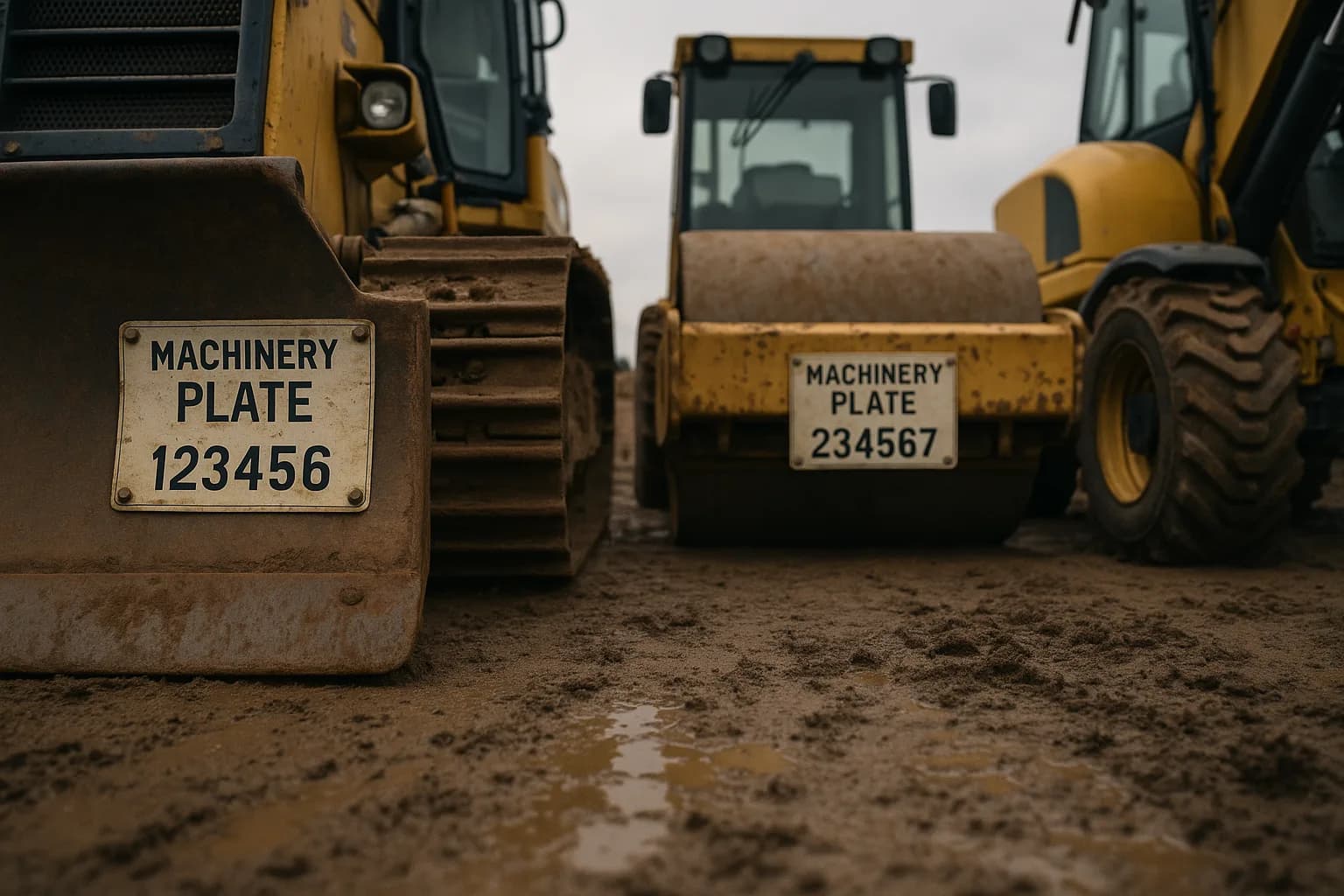
Not every piece of equipment on a building site qualifies as construction plant for insurance purposes, and the distinction between plant and tools is consequential at claim time. Plant, for underwriting purposes, is self-propelled or towed heavy equipment used to perform construction operations. The category typically includes excavators, bulldozers, graders, rollers, mobile cranes, tower cranes, concrete pumps, trenching machines, and compactors.
Insurers generally draw the line between plant and general contents in practical terms: plant is the mechanised asset doing the physical work; tools, scaffolding, and temporary structures are treated as contents and rated separately, often under the contractors all risks section.
For a contractor, this means an excavator is rated as plant, a compressor powering jackhammers is plant, and a mobile crane is plant. The hand tools in the site container, the timber formwork, and the temporary fencing are not plant. Misclassifying them at inception means the wrong section responds at claim time, or neither does. Before the policy is placed, your equipment list should separate plant assets by category, with each item's age, replacement value, and serial number recorded. An insurer can't rate a risk it can't see clearly.
How the cover structure works on a construction site
A plant all risks policy responds to sudden, accidental, and unforeseen damage to the insured item while it is on hire or in use. The key word is accidental: deliberate acts, wear and tear, gradual deterioration, and mechanical or electrical breakdown without an insured event triggering it are typically excluded from the plant section. This is where contractors sometimes find the wording narrower than they expected.
The contractor insurance types commonly stacked on a South African construction site, plant all risks, contractors all risks, public liability, and SASRIA, are separate policies responding to separate categories of loss. The plant policy covers the machine. The contractors all risks policy covers the works and the materials. Public liability covers third-party injury or property damage arising from your operations. SASRIA covers riot, strike, and civil unrest damage the other policies don't.
A practical example: suppose a grader on a road-widening contract in Limpopo overturns when the verge collapses. The grader is a write-off at an illustrative replacement value of R2.8 million. The plant policy responds to the loss of the machine. If the overturned grader also takes out a provincial road sign and damages a passing vehicle, the public liability section responds to those third-party costs. The two responses are separate, and both must be confirmed before the claim is submitted. Understanding which wording responds to which part of a single event isn't instinctive, and getting it wrong delays payment on both claims.
The sum insured problem every contractor faces
The average clause, the mechanism reducing a claim when the sum insured is lower than the true replacement value, applies to plant policies in the same way it applies to commercial property. If you insure a mobile crane for R3.5 million when its current replacement cost is R5 million, the insurer treats you as your own insurer for the shortfall. A partial damage claim of R1.5 million pays out at R1.05 million on those illustrative figures, and the R450,000 difference is yours.
Construction plant is particularly exposed to this problem because replacement values shift faster than annual renewal conversations. A machine bought five years ago usually costs considerably more to replace today, and if the sum insured hasn't moved with that curve, the policy carries a structural shortfall at every renewal.
The fix is straightforward in principle: update your replacement values annually, using current dealer quotes for comparable machines, not the depreciated book value. Depreciation is an accounting tool. Replacement cost is an insurance tool. Confusing the two is a routine cause of underinsurance in the plant sector, and no insurer corrects it on your behalf.
| Plant category | Common cause of value gap | Recommended update frequency |
|---|---|---|
| Excavators (20t to 35t) | Import cost and exchange-rate movement | Annually, with dealer quote |
| Mobile cranes (50t and above) | Specialist availability and lead times | Annually, with supplier confirmation |
| Graders and dozers | Parts cost inflation | Annually |
| Tower cranes | Component scarcity and specialist erection costs | Each contract, before mobilisation |
| Concrete pumps | Boom and pump assembly replacement costs | Annually |
Hired-in and hired-out plant: the cover gap contractors miss
When you hire plant from a third party and operate it on your site, the hire agreement typically makes you responsible for loss or damage while the machine is in your care. That obligation is real the moment the delivery notes are signed, regardless of whether your policy actually covers a machine you don't own. Standard plant all risks wordings cover owned plant by default. Hired-in plant is covered only if the policy specifically extends to non-owned equipment on hire, and that extension must appear in the wording, not in a broker's verbal confirmation.
The situation runs in both directions. If you own plant and hire it out to other contractors, a common arrangement in the South African construction sector, your standard plant policy may suspend cover during the period the machine is under another operator's control. The reason is straightforward: the insurer rated the risk on your operating practices, your operators, and your site management. A different contractor with different supervision introduces a risk the original premium didn't account for. Hired-out plant insurance is a distinct cover section that must be added explicitly.
For contractor public liability, the same applies. If the hired-in machine causes third-party damage while under your operational control, the liability typically falls on you as the operator, not the hire company as the owner. Your public liability cover must extend to plant operated under hire agreements, and your broker should confirm that extension in writing before the machine is delivered to site.
SASRIA and plant on sites exposed to unrest
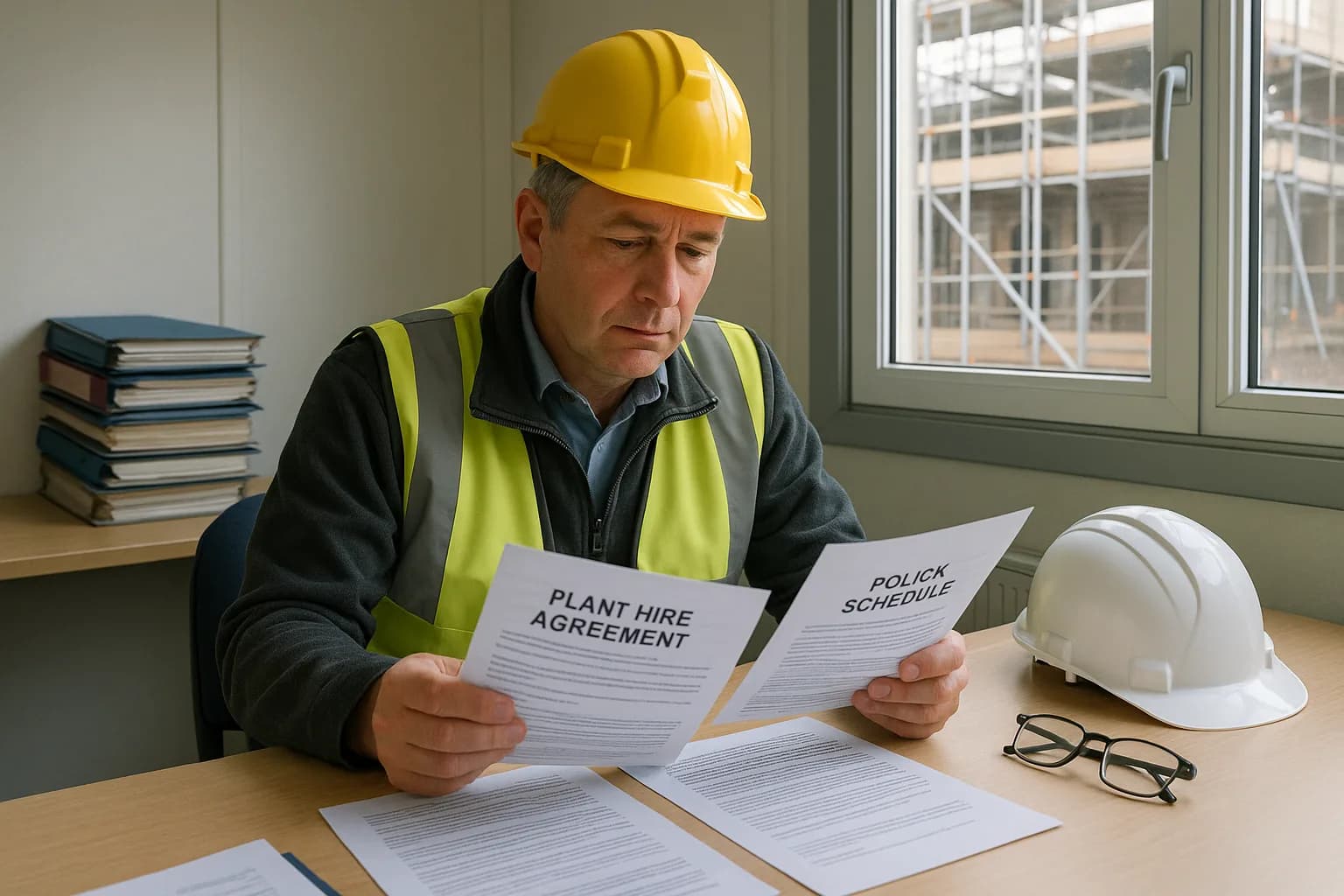
SASRIA is the state-owned insurer covering damage from riot, strike, civil commotion, and public disorder, the perils your standard plant all risks wording excludes by name. Think of SASRIA as a separate layer riding alongside your main policy: your insurer collects the SASRIA premium on their behalf, but SASRIA is the entity paying if a site is overrun during a community protest or a labour dispute turns destructive.
For construction plant, SASRIA cover isn't automatic. It must be elected and the premium paid. SASRIA publishes its cover framework and applicable limits on the SASRIA policy documents page, and the cover applies per incident, per site, within the published limits. A contractor operating in areas with elevated community unrest risk, urban infrastructure contracts, mining-adjacent sites, or projects running through informal settlement corridors, should confirm SASRIA cover is in place for all plant on those sites, not only the works and materials.
The point worth noting: a SASRIA payout for the damaged machine is only part of the story. If a site is shut down by unrest for three weeks and the plant sits idle, the delay cost and lost productivity fall outside SASRIA's scope. That layer belongs to a business interruption or advance loss of profits section, which is a separate cover question your broker should raise alongside the plant policy.
Transit and inter-site movement: the gap between contracts
Plant moves. A concrete pump leaves a Sandton high-rise on a Friday afternoon and arrives at a Centurion industrial site the following Monday. In between, it is on a lowbed on the N1, in a hire company's yard overnight, and briefly parked on public road outside the new site. Each of those locations carries a different risk profile, and the question is whether the plant policy follows the machine through all of them.
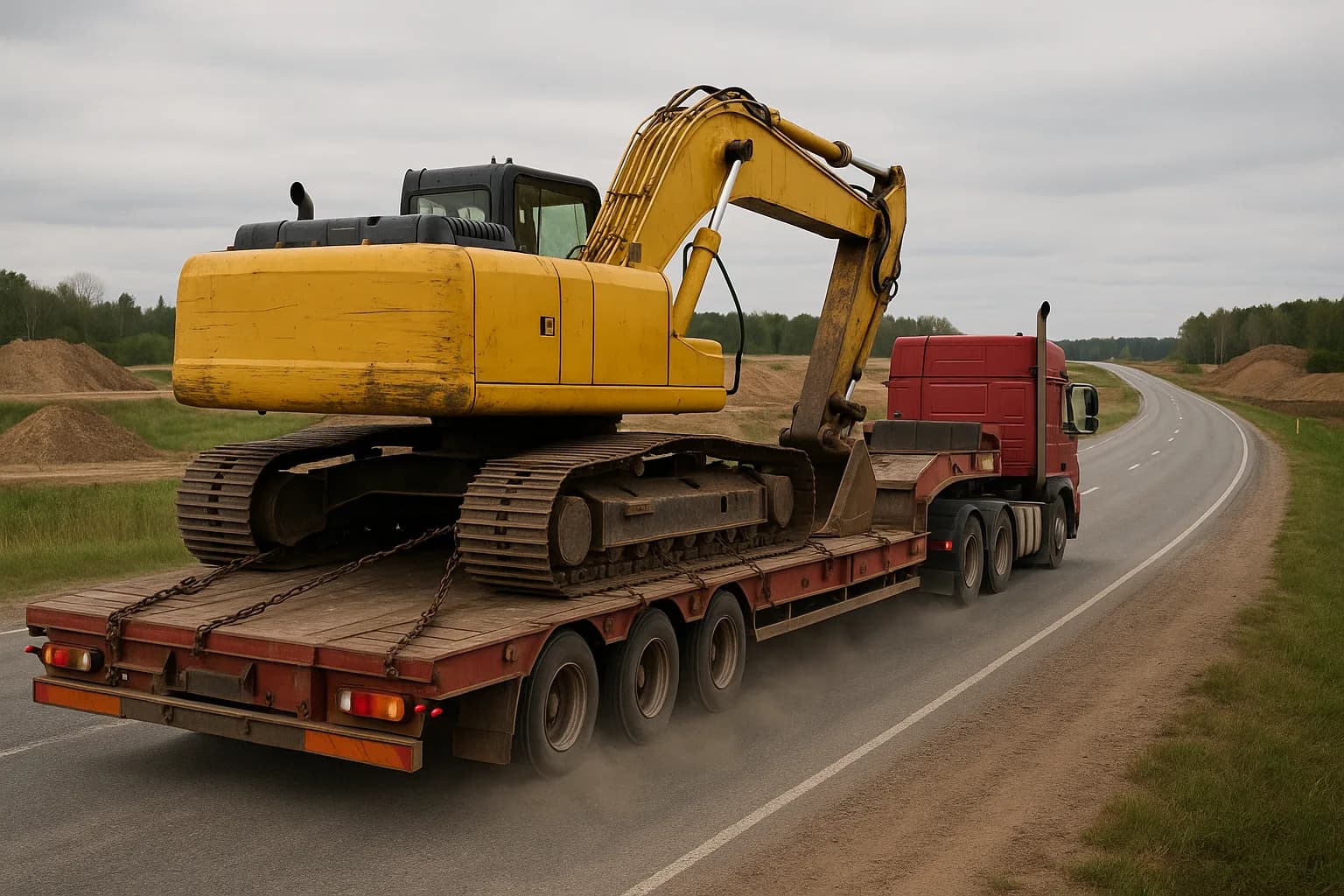
Most plant all risks wordings include transit cover, meaning the policy responds while the equipment is being transported between sites on a registered lowbed or transporter. The cover isn't unlimited: it typically requires the machine to be properly secured, the transporter to be licensed for the load, and the route to be within South Africa. An excavator coming off a lowbed on the N3 because the chains were inadequate may face a dispute about whether the transit conditions were met, which is why loading and securing records are worth keeping.
Between sites, while the machine is parked in a contractor's yard, cover is usually continuous. The risk on a yard is primarily theft, and most wordings require basic physical security, perimeter fencing, secure gates, as a condition of cover. A machine parked on open ground with no supervision overnight on a site not yet handed over is the kind of situation where theft claims attract careful scrutiny, because the security conditions the policy assumed may not have been present.
When a claim arrives: what the insurer needs
A plant claim is a reconstruction. The insurer needs to understand what the machine was doing, where it was doing it, who was operating it, what the operator's qualifications were, and what caused the damage. A licensed plant operator's logbook and the site supervisor's incident report are the documents the loss adjuster reaches for first. If neither exists, the claim gets complicated before it gets paid.
For contractors, the practical preparation is administrative: a plant register with each machine's serial number, age, condition at last inspection, and current sum insured; operator certification records confirming the person behind the controls was qualified for that class of machine; and a site incident procedure capturing the facts while they are fresh. Insurers commonly expect this level of documentation, and a claim is far easier to support when it exists.
The loss adjuster working your claim is appointed and paid by the insurer. Their mandate is to assess whether the loss is covered and what the quantum is, not to advise you on how to present the claim. Bringing your broker into the claim management process from the first notification gives you a practical counterweight: someone whose job is to make sure the claim is read in full, the supporting documents are complete, and the settlement reflects the policy's actual terms.
The right fit for a project with moving parts
Construction plant insurance isn't one size, and the structure working for a sole operator with a single excavator won't fit a civil contractor running fifteen machines across four simultaneous infrastructure contracts. Fleet rating, agreed value clauses, blanket limits across multiple sites, and co-insurance arrangements with other contractors sharing a project all alter what the policy looks like in practice.
The contract your client puts in front of you often specifies minimum cover requirements, a sum insured floor, a public liability limit, evidence of SASRIA cover. Reading those requirements before the policy is placed, not after the contract is signed, avoids the situation where the project specification and the existing policy don't match, leaving the contractor scrambling to arrange endorsements mid-contract or carrying an uninsured obligation in plain sight.
The financial architecture beneath every contract
Construction is a sector where equipment values are high, site conditions are variable, and the people operating the machines are doing physically demanding work in environments rarely staying predictable for long. Plant all risks cover exists because those conditions produce real losses, and because the financial impact of an uninsured loss on a major piece of equipment can be enough to compromise the contract, the cash flow, and the business behind it. The policy isn't paperwork. It is the financial architecture holding the project together when the embankment gives way.
You shouldn't have to find out at claim time that your plant policy doesn't follow the machine to the next site, or that the sum insured stopped reflecting reality two renewals ago. With Mont Blanc Financial Services you won't.
Contact Mont Blanc Financial Services to have your plant cover reviewed against your current equipment values, your hire agreements, and the contracts you are running, before the next claim makes the gaps visible.
Contractors ask consistent questions about construction plant insurance: what is covered, how much cover is enough, and what happens when something goes wrong during a hire. The answers below address the most common ones.
Frequently Asked Questions
Does construction plant insurance cover operator error?
Operator error is one of the most common causes of plant damage on South African construction sites, and most plant all risks policies do cover it. The policy responds to sudden, accidental, and unforeseen events, and a qualified operator misjudging a slope, clipping a structure, or overloading the boom qualifies under that description in most standard wordings.
The important conditions are qualification and authorisation. If the operator wasn't certified for the class of machine at the time of the incident, or wasn't authorised by the site supervisor to operate that specific piece of equipment, the insurer may decline the claim or reduce the settlement on the grounds of a breach of policy conditions. Keeping operator certification records current and accessible isn't bureaucratic diligence; those records decide whether the claim pays. Before any operator sits in the cab of a machine your policy covers, confirm in writing that their qualification category matches the machine, and that the site record reflects it. A contractor who can produce a current operator certificate, a site authorisation record, and an incident report completed the same day puts the claim in the strongest possible position from the first notification.
How is the sum insured for construction plant insurance calculated?
The sum insured for construction plant insurance should reflect the current cost of replacing the machine with a comparable item in the open market, not its depreciated book value, not the original purchase price, and not an estimate from memory. Your accountant's asset register uses depreciation for tax and reporting purposes; the insurer uses replacement cost to determine what it pays when the machine is written off.
For high-value or specialist plant, the most reliable approach is a current dealer quote for a machine of equivalent age, specification, and condition. Where a dealer quote isn't practical, a professional valuation by a registered valuer gives the insurer a defensible basis for the sum insured and protects you from average at claim time. Average, in insurance terms, means the insurer reduces your payout by the same proportion your sum insured falls short of the true replacement value. If the true replacement cost is R4 million and your sum insured is R3 million, a R1.2 million partial claim pays out at R900,000 and the shortfall is yours to absorb. Updating replacement values annually, using current market data rather than last year's figure with a rough adjustment, is the most reliable way to keep your cover aligned with actual exposure.
What construction plant insurance gaps appear most often in contractor policies?
The gaps showing up most consistently in contractor plant policies fall into three categories. First, hired-in plant isn't covered unless the policy specifically includes a non-owned equipment extension; many contractors discover this only when the hire company's damage invoice arrives and the policy declines it.
Second, transit cover conditions are often more specific than contractors expect. The machine must be transported on a correctly rated and licensed lowbed, properly secured, and the route must meet the policy's territorial limits. A machine coming off a transporter due to inadequate restraint may face a disputed claim if the loading records don't support the condition of cover.
Third, SASRIA cover is omitted more often than it should be. On sites in areas with community unrest or labour action risk, the absence of SASRIA cover leaves the contractor exposed to damage the plant all risks wording specifically excludes. SASRIA cover is a separate layer that must be elected, not assumed. Reviewing all three categories before mobilising on a new contract, rather than at the point a claim is submitted, gives your broker enough lead time to close any extension gaps without disrupting the project schedule.
Can I claim for construction plant insurance theft on a site with no security?
A theft claim from an unsecured site is one of the most commonly contested plant insurance claims. Most plant all risks wordings include security conditions as a requirement for theft cover: the site must have perimeter fencing, secure access control, and in some cases immobilisation devices or tracking on high-value machines. If those conditions aren't met at the time of the theft, the insurer has grounds to decline the claim or reduce the settlement.
The wording decides. Some policies require physical security as a warranty, a hard condition where any breach voids the claim regardless of whether it contributed to the theft. Others treat it as a condition precedent, where the insurer must show the breach contributed to the loss before reducing the payout. The distinction is significant, and your broker should confirm which approach your specific wording takes before the machine is left on site overnight. If the site has genuine security limitations, a phased project where perimeter fencing isn't complete yet, raise it with your broker before a claim forces the conversation. In some cases, the insurer will agree a temporary security arrangement or an endorsement acknowledging the phased build-out, which preserves cover without requiring conditions the site can't yet meet.
Does construction plant insurance cover damage during a civil engineering contract under a principal's programme?
Whether your plant cover holds when you are operating as a subcontractor under a principal's construction programme depends on how the principal's own contractors all risks policy is structured and what your plant policy says about co-insurance arrangements. Some principal contractors carry a wrap-up programme extending to subcontractors' plant on the specific project; others don't, and the subcontractor carries the full risk.
Before mobilising under a subcontract, ask the principal contractor two questions: does your programme extend to my plant, and if so, what are the limits and conditions? Get the answer in writing and pass it to your broker, who can confirm whether your own plant policy needs to respond independently or whether the principal's cover is adequate. Assuming the principal has covered it, without confirmation, is how contractors end up uninsured on a site where they believed someone else had arranged the cover. Where the principal's programme does extend to your plant, check the excess and the sum insured limit per item; a wrap-up policy capping plant cover at R1 million per item leaves a R3 million excavator with a structural shortfall from the first day on site.

Nicola Iozzo
Founder & CEO, Mont Blanc Financial Services
Nicola has spent his career reading the policy wording most people skip, and writes here so you don't discover at claim stage what page 14 meant.
Everything on this blog is written to inform and educate. It is for information only. Nothing here is professional legal, financial, or technical advice. If you are making a significant business decision, speak to a qualified professional first. Mont Blanc Financial Services works hard to keep this content accurate and current, but is not liable for decisions made based on what you read here.