Plant All Risks Insurance

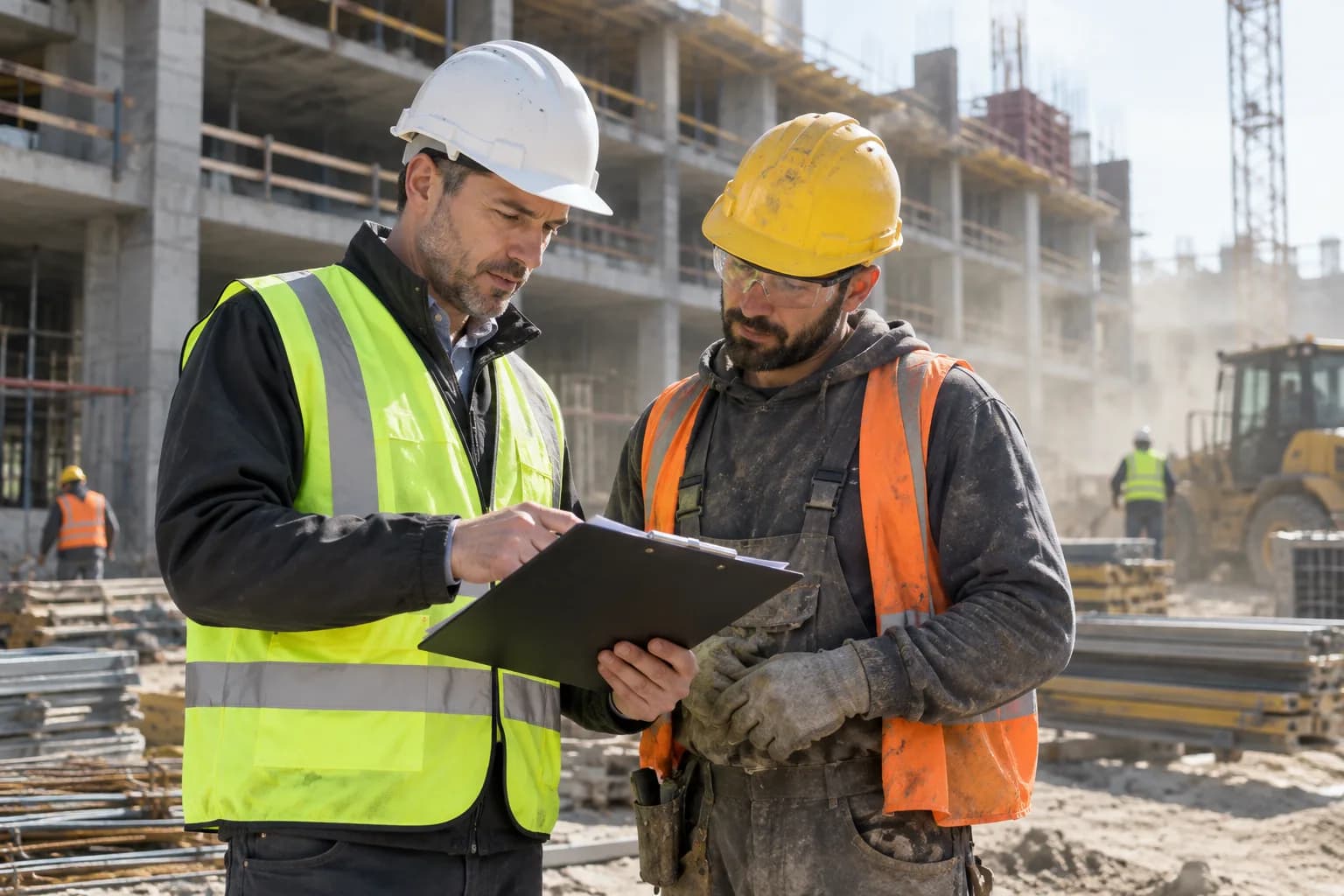
An excavator was parked against the fence on Friday afternoon. By Monday there's flattened mud, a cut chain, and a foreman photographing the space where it stood. The machines a business runs on, the diggers, cranes, tractors, and generators, sit outside the policies most owners already have. The building cover stops at the building, and the motor policy wants a number plate. What's left is the most expensive thing on site, and often the least insured.
What is plant insurance?
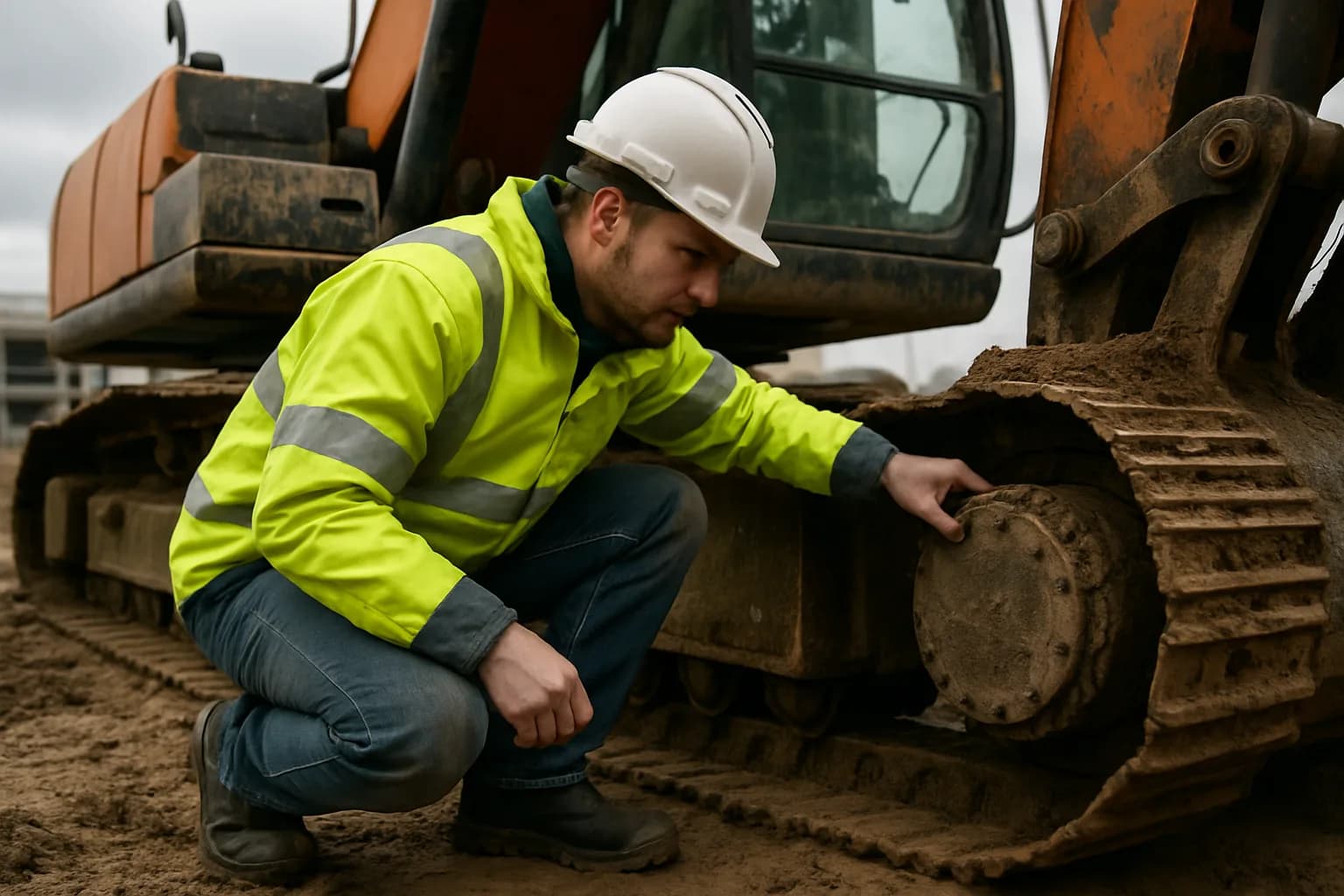
Plant insurance covers the mobile machinery and equipment a business works with: excavators, cranes, graders, tractors, forklifts, compressors, and generators. It's usually written as a plant all risks policy, covering theft and accidental damage on site, in transit, and in storage. The policy applies to machines you own and machines you hire in.
Key Takeaways
- A plant all risks policy covers listed machines against theft and accidental damage on site, in transit, and in storage, but internal breakdown usually needs its own cover.
- Hired-in machines become your responsibility the moment the hire agreement is signed, and most agreements say so in writing.
- Insurers attach tracking and security requirements to earthmoving machines, and one unmet requirement can sink an otherwise valid theft claim.
- Underinsurance shrinks payouts through a rule called average, so a machine insured at half its value claims at half its loss.
- Riot and strike damage sits with SASRIA, the state-owned special-risk insurer, under a separate coupon alongside the main policy.
What a plant all risks policy covers
A plant all risks policy pays for physical loss of or damage to the machines listed on its schedule. Cover follows them wherever they work, stand, or travel inside the territory the wording names. Theft from a locked yard in Boksburg, a rollover on an embankment outside Rustenburg, flood damage in a Ladysmith equipment yard: one policy, one schedule, one set of conditions. The "all risks" label means the policy covers anything not excluded, rather than listing named perils one by one, which sounds generous until you read the exclusions. Wear and tear is out, and so is internal mechanical breakdown in most wordings. Riot, strike, and public-disorder damage is carved out and handed to SASRIA. SASRIA's construction risk cover runs as a coupon, a separate add-on policy riding alongside your main one. The schedule is the gatekeeper, so a machine bought mid-year and never added is a machine carrying its own risk. Insurers don't pay for equipment they were never told about. The telling is your job.
Owned plant vs hired-in plant
The hiring agreement decides who pays for a damaged hire machine, and it's rarely the rental company. Most South African plant hire contracts pass the risk to you the moment the machine comes off the lowbed, the low trailer it arrives on. You're liable for loss, for damage, and often for the daily hire charges while the machine sits in a workshop. Hiring an excavator because buying one would need a second bond doesn't transfer the exposure; it doubles it, because now you owe someone else for a machine you don't own. Hired-in plant cover exists for exactly this arrangement. It insures machines in your care under a hire agreement, up to a stated limit per machine and per event. The limit is where the trouble hides. Cover arranged years ago for a R600 000 TLB, a digger-loader, doesn't stretch to the R3 million crane hired for one contract in Cape Town. Check the limit against the largest machine you'd plausibly hire, and read the hire contract before signing it, not after the machine meets the retaining wall.
Yellow metal theft and tracking requirements
Theft cover on earthmoving machines arrives with conditions attached, and the conditions decide the claim. "Yellow metal" is the industry's nickname for excavators, graders, loaders, and dozers, most of them painted the same shade of yellow. All of them attract organised syndicates, who move a twenty-ton machine across a border with less fuss than most owners move house. Insurers respond with warranties, the policy's word for promises you keep or lose cover: a working tracking device, sometimes two, an immobiliser, a guarded yard after hours. These aren't suggestions. The National Financial Ombud's non-life insurance tips state the position plainly. A required tracking device must be in good working order at all times, and keeping it so is the policyholder's responsibility, not the insurer's. A tracker fitted but never tested turns a valid theft into an unpaid one. So does a subscription lapsed to save a monthly debit order. Keep the installation certificate, test the unit, and pay the subscription, because at claim stage the burden of proving the device worked sits with you.
Plant in transit between sites
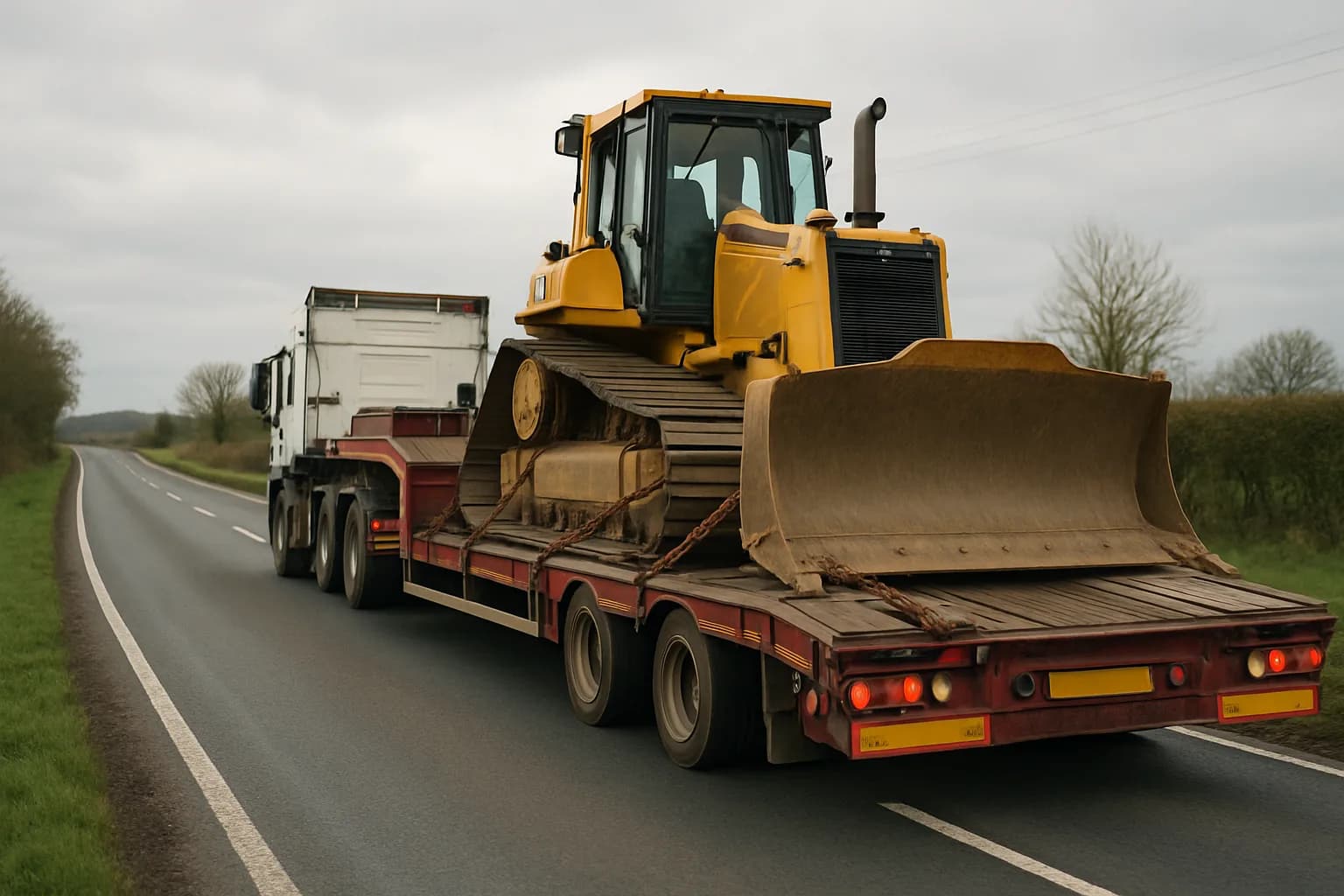
The most dangerous kilometres in a machine's life are the ones between sites. On the ground, an excavator is a thirty-ton fact. On a lowbed doing 80 on the N3, it's a load, and loads shift, snag on bridges, and part company with trailers on off-ramps. Transit is also where two policies stare at each other and both look away. The truck's motor policy covers the truck, while a plant policy without a transit extension covers your machine only where it works and stands. Loading and offloading is the narrowest gap of all, since more machines are damaged coming off the trailer than travelling on it, usually in the last three metres. A transit extension closes the whole sequence: lifting, carrying, and setting down, between any sites within the territorial limits. Confirm the extension is on the schedule before the move, and confirm who carries the risk when an outside transporter does the hauling. Their goods-in-transit cover has its own limits and a documented appetite for dispute.
Machinery breakdown vs plant all risks
A plant all risks policy covers what happens to your machine; breakdown cover answers for what happens inside it. The distinction sounds academic until a hydraulic pump seizes mid-lift. No collision, no thief, no flood: the machine simply stops, and a plant all risks wording reads internal failure as an excluded cause. Machinery breakdown cover picks up exactly this loss: sudden internal failure from causes routine maintenance didn't prevent. The table below shows how the covers divide the territory; your policy wording draws the same lines in smaller print.
How three covers divide a machine's risks
| Cover | Responds to | Common gap |
|---|---|---|
| Plant all risks | Theft and accidental external damage | Internal mechanical or electrical failure |
| Machinery breakdown | Sudden internal failure | Wear, tear, and gradual deterioration |
| Motor fleet | Road accidents of registered vehicles | Machines working as tools of trade |
Neither policy pays for a machine worn out through age and hours. Deterioration is a maintenance bill, not a claim. Knowing which side of the line a loss falls on, before it falls, is the difference between a claim and a debate.
Downtime, loss of hire, and standing charges
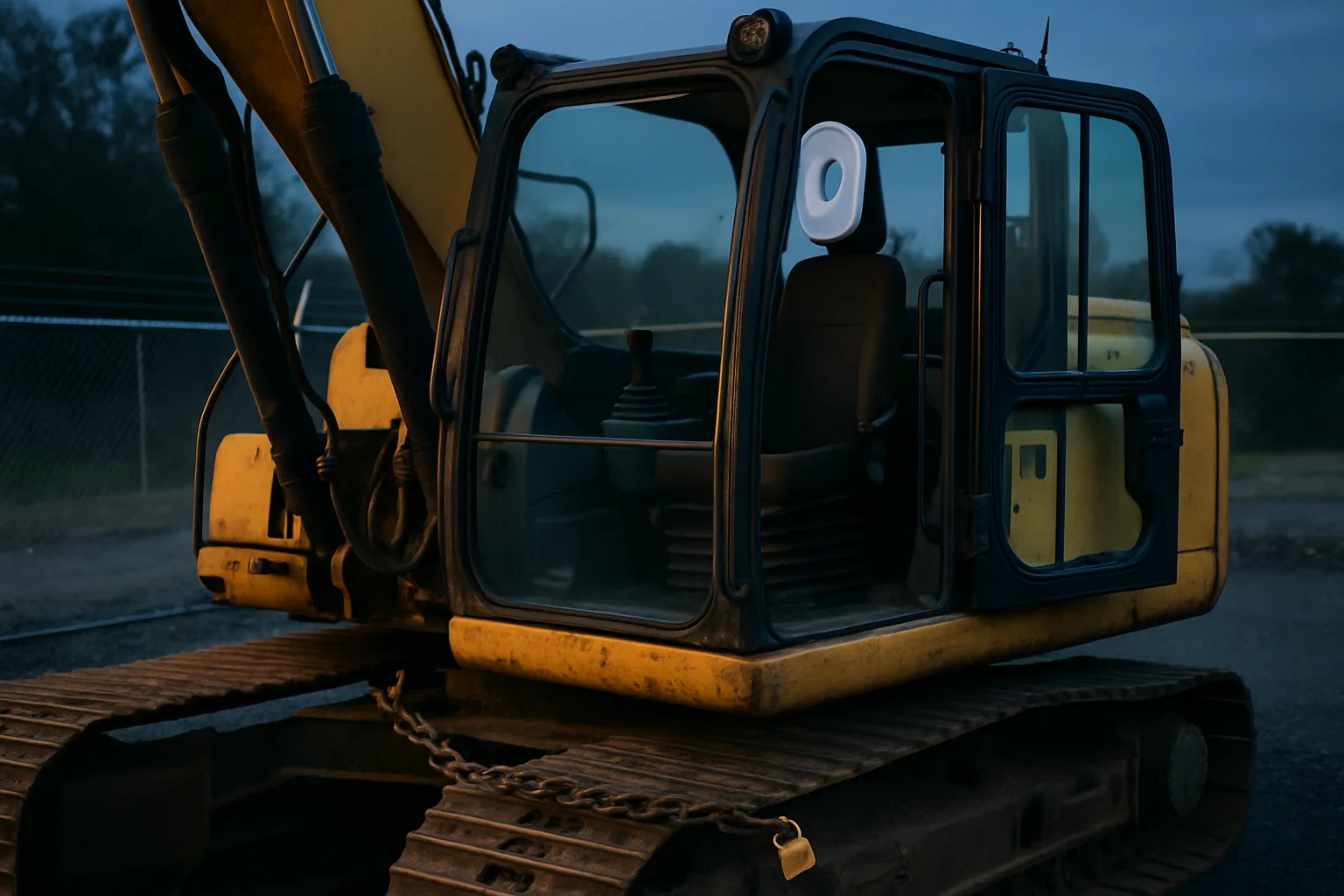
The repair invoice is rarely the expensive part of a plant loss; the standing site is. A tower crane out of action for six weeks keeps a Sandton development paying for scaffolding, security, idle subcontractors, and penalty clauses. Meanwhile, a replacement crane is hired at short-notice rates. The margins absorbing all this are thin and getting thinner. Stats SA's construction industry figures show the sector's share of GDP has fallen from a 4.2 percent peak in 2008 to 2.4 percent in 2024. A standard plant all risks policy pays to repair or replace the machine and stops there. The extensions carry the rest: loss-of-use cover for the income a hired-out machine stops earning, and hire-charge cover for the replacement machine keeping your programme alive. Both are quoted on request rather than included by default, which is the industry's way of saying nobody asked. Price the cost of a stopped site per week, then decide whether the extension is optional.
Operators and liability while plant works
When your machine damages someone else's property, the first question is which policy answers, and the honest answer is sometimes none. South African insurance splits a machine's life in two. On a public road, a registered machine is a motor vehicle, and motor-type liability applies. Working on site, swinging a bucket or ripping a trench, it's a tool of trade: a machine doing its job rather than travelling. Motor policies commonly exclude liability arising from tool-of-trade use. Picture a TLB cutting a municipal fibre line, a crane load clipping the neighbouring roof, or a grader reversing into a parked bakkie. Each lands in the gap unless the plant policy carries a third-party liability extension. The extension covers injury to other people and damage to their property while the machine works, operator negligence included, since machines rarely cause damage unassisted. Check the limit against what the machine could plausibly hit; in a city centre, the answer is expensive. Then check who counts as an insured operator, because a claim refused over an unlicensed driver reads the same in every wording.
Underground and mining exclusions
Take an insured machine underground and the cover often stays on the surface. Standard plant all risks wordings exclude machines working underground unless the use is declared and the insurer agrees terms. Heat, dust, water, rockfall, and recovery costs change the risk beyond what surface rates carry. A load-haul-dump unit two kilometres down a platinum mine outside Rustenburg faces hazards no Boksburg yard ever will. Recovering a damaged machine from underground can cost more than the machine. Contractors drift into this exclusion sideways: a surface plant business wins its first shaft-bottom contract, the machines go down, and the schedule never hears about it. At claim stage the exclusion reads as written, and the insurer's sympathy isn't a covered peril. If any of your machines works below the collar, the surface entrance of the shaft, declare it, expect questions, and expect the premium to climb. A declared underground machine is expensive to insure; an undeclared one is uninsured at depth, which is a worse price.
Seasonal lay-up and unattended plant
A machine parked for the season is still insured, and your policy has opinions about where it sleeps. Agriculture runs on a calendar. A Free State combine works six weeks a year and stands for forty-six. A sugarcane haulage fleet in the KZN Midlands rests between crushing seasons. Insurers price for this if they're told. A lay-up endorsement, an added clause reducing the premium while the machine stands idle, comes in exchange for conditions. The insurer wants a locked shed or fenced yard, isolator switches off, and no use during the lay-up period. Unattended-plant conditions do the same job on working sites, requiring machines left overnight to stand in a secured or guarded area rather than wherever the operator's shift happened to end. Break either condition and the discount you enjoyed becomes the reason the theft claim fails. The endorsement is a trade, and both sides are expected to keep their half. Declare the standing months, comply with the storage conditions, and diarise the restart date, because a combine harvesting on a laid-up policy is working uninsured.
Valuations, depreciation, and plant insurance claims
Most disappointing plant insurance claims trace back to the figure on the schedule, not the event on site. Underinsurance triggers average, which works like this: insure a grader for R900 000 when replacing it would cost R1.5 million. The insurer treats you as having carried 40 percent of the risk. A R500 000 damage claim pays out R300 000, and the missing R200 000 isn't a penalty, it's arithmetic. Plant makes the trap worse than most assets, because the numbers move in opposite directions. The machine depreciates with every engine hour while the cost of importing its replacement climbs with the exchange rate. A schedule copied forward at renewal for five years captures neither movement. Check the basis of settlement too, since market value pays what the old machine was worth, not what its successor costs, and the difference is a bank's problem to fund. Revalue the fleet against current dealer and auction prices at every renewal. It's one afternoon of unglamorous admin, and it decides the size of the cheque.
What contractors specifically need from plant all risks cover
Plant all risks cover works differently for contractors than it does for an owner keeping equipment on a fixed site. A contractor's fleet moves between projects, sits under different principal contracts, and faces liability frameworks shifting with every new build programme. The SASRIA obligatory cover most contractors carry handles political riot and civil commotion, but it doesn't touch the mechanical and accidental damage exposures causing the most claim frequency on active sites. Evidence from plant claims across civil, mining services, and infrastructure sectors shows contractors lose more to impact damage, overturning, and theft on public-access sites than any other cause combined. Ignore the policy wording on "principal-arranged cover" at your peril: the assumption your client's contract works policy picks up your machine is the kind of optimism not surviving a loss adjuster's first phone call. Our detailed guide to plant all risks cover for contractors breaks down which exposures sit with you, which sit with the principal, and where the genuine gaps appear in practice.
Plant insurance exclusions can cost you more than the premium ever did
A plant all risks policy covers a wide range of perils, but the exclusions are where claims die. Insurers routinely decline plant claims on grounds including operator error interpreted as "mechanical or electrical breakdown," wear and tear dressed up as accidental damage, and losses arising from unattended plant left outside the conditions the policy specifies. The Insurance Act 18 of 2017 obliges insurers to disclose material policy terms, yet policyholders who don't read the exclusion schedule before a loss tend to discover its contents at the worst possible moment, which, it turns out, is also the moment they need it most.
The gap between what you assumed was covered and what your insurer will pay can easily exceed the cost of the machine. Understanding which circumstances, operating conditions, and categories of damage fall outside your policy isn't a formality; it's the difference between a paid claim and an uninsured capital write-off. Our detailed guide to plant insurance exclusions unpacks each common exclusion, explains the underwriting logic behind it, and sets out what contractors can do to close the gaps before a loss occurs.
Hired-out plant insurance: when your equipment earns on someone else's site
Owning plant you lease to third parties creates a different risk profile from owning plant you operate yourself. The evidence is in the policy wording: most standard plant all-risks policies are written on the assumption the insured controls the machine, the operator, and the worksite. Once you hand those keys to a hirer, you've handed away most of that control while keeping all of the ownership liability if something goes wrong. A hirer can misuse a machine, ignore a pre-shift inspection, or park it on a flood-prone verge overnight, and the damage claim still lands on your desk. The implication is that generic plant cover often contains exclusions for third-party use, leaving an owner exposed precisely when the equipment is generating income. It is, admittedly, a neat trick: the policy performs beautifully right up until the moment you need it. Hired-out plant insurance addresses this gap with endorsements covering hirer negligence, contractual liability, and loss of hire income when a damaged machine can't be re-let. If your plant yard doubles as a rental business, the cover protecting it should reflect that, not approximate it.
What drives plant insurance cost
Premium on a plant all risks policy isn't set by a single dial someone turns after glancing at your fleet list. Insurers weigh a cluster of variables simultaneously: the replacement value of each machine, how often it moves between sites, whether it's owner-operated or hired out, the theft history of the equipment category in your operating region, and whether you've fitted approved tracking devices. A 20-tonne excavator sitting on a fenced, guarded yard attracts a meaningfully different rate than an identical machine rotating across three open construction sites in a province the SAIA loss-data flagged as high-theft. Each variable compounds the others, which is why two contractors running near-identical fleets can receive quotes looking like they came from parallel universes. The consequence is straightforward: if you don't understand what's moving your premium, you can't make informed decisions about fleet configuration, security investment, or excess selection. Our detailed breakdown of plant insurance cost and what affects your premium walks through each rating factor so you can engage your broker with something more useful than a fleet schedule and a hopeful expression.
Construction plant insurance for contractors carries its own rules
General plant all-risks cover and construction plant insurance share a policy structure, but the construction context introduces exposures a generic wording handles poorly. A multi-phase civil project runs equipment across owned yards, hired-in fleets, and third-party sites simultaneously, and each location can trigger a different set of conditions around unattended plant, contract works interfaces, and principal contractor liability. The South African Insurance Association notes that plant-heavy construction contracts account for a disproportionate share of commercial claims precisely because the handoff points between parties are rarely as clean on site as they read in the subcontract. If your policy wasn't written with construction workflows in mind, you may find the wording excludes the moment mattering most: the excavator sitting on a principal's site overnight while your supervision has moved to the next phase. That gap isn't theoretical; it's where unrecovered losses tend to accumulate quietly, one uncovered incident at a time. Our construction plant insurance guide for contractors maps these exposures in detail, covering owned versus hired-in obligations, contract works overlaps, and the liability questions arising when your machine operates under someone else's method statement.
Plant all risks claims: what the process looks like in practice
A plant all risks policy is only as useful as its claims process, and contractors who haven't tested that process before a loss often discover gaps when the cost is already mounting. Insurers typically require prompt notification, a completed claim form, photographic evidence of damage or theft, a police case number where applicable, and a repair estimate from an approved assessor. Miss one of those steps, or report too late, and your claim can be delayed, reduced, or declined on procedural grounds alone. The financial pressure of a grounded excavator or crane doesn't pause while paperwork catches up. South African short-term insurance claims are governed by the provisions of the Short-term Insurance Act 53 of 1998, which sets out the obligations insurers owe you during settlement. Our dedicated guide on plant all risks claims walks through each stage of the process, from first notification to final settlement, so you know what to prepare before an incident occurs rather than after.
Frequently Asked Questions
Who pays if a hired machine is damaged on my site?
In most cases you do. South African plant hire contracts usually pass the risk to you once the machine comes off the lowbed. You’re liable for loss and damage, and often for the daily hire charges while the machine sits in a workshop. Hired-in plant cover insures machines in your care under a hire agreement, up to a stated limit per machine and per event. That limit is where trouble starts. Cover arranged for a R600,000 TLB won’t stretch to a R3 million crane hired for one contract. Read the hire agreement before signing, and check the limit against the largest machine you’d hire.
Does plant all risks insurance cover mechanical breakdown?
Usually not, since most plant all risks wordings exclude internal mechanical breakdown. The policy covers what happens to the machine from outside: theft, a rollover, flood damage. When a hydraulic pump seizes mid-lift with no collision, thief or flood involved, the wording treats it as an excluded cause. Machinery breakdown cover picks up that loss, meaning sudden internal failure from causes routine maintenance didn’t prevent. Neither policy pays for a machine worn out by age and engine hours, because deterioration is a maintenance bill. Check which side of the line your likely losses fall on before one happens.
Do I need a tracker to insure an excavator?
Usually, yes. Insurers commonly make a working tracker a condition of theft cover on earthmoving machines. Some add a second unit, an immobiliser or a guarded yard after hours. These conditions are warranties, promises you keep or lose cover. The National Financial Ombud states that a required tracking device must stay in good working order. Keeping it so is your job, not the insurer’s. A tracker fitted but not tested can turn a valid theft into an unpaid claim. So can a subscription cancelled to save a monthly debit order. Keep the installation certificate, test the unit and pay the subscription.
Is my plant covered while it’s being transported between sites?
Only if your policy carries a transit extension. Without one, a plant policy covers the machine where it works and stands. The truck’s motor policy covers the truck, not the load. Loading and offloading is the narrowest gap, since more machines are damaged coming off the trailer than travelling on it. A transit extension covers the whole sequence of lifting, carrying and setting down between sites within the territorial limits. Confirm the extension is on your schedule before the move. If an outside transporter hauls the machine, check who carries the risk, because their goods-in-transit cover has limits of its own.
The yard changes faster than the paperwork
Machines come and go through a working yard: bought at auction, hired for one contract, moved between provinces, retired to the back fence as a source of spares. The schedule in the site office drawer records the fleet as it stood the day someone last read it, like a family photo everyone agrees no longer looks like the family. The distance between those two pictures, the yard and the paperwork, is where plant claims go to fail. The machines will keep changing; the reading is the part you can choose.
Machines are one asset class among several, and the full business insurance overview shows where plant fits the rest.
Machines rarely work alone on a site, so a contractor's own cover usually rides alongside the plant policy.
Plant often sits inside a building it can damage, and commercial building cover answers for the structure.
You shouldn't have to find out at claim time which of your machines the schedule forgot. With Mont Blanc Financial Services you won't.
Contact Mont Blanc Financial Services to have your plant schedule read against the machines standing in your yard, before the gap between the two gets tested.

Nicola Iozzo
Founder & CEO, Mont Blanc Financial Services
Nicola has spent his career reading the policy wording most people skip, and writes here so you don't discover at claim stage what page 14 meant.
This blog is here to inform, not advise. Think of it as a guidebook, not a contract. For decisions affecting your world, have a chat with your broker or financial professional. Mont Blanc Financial Services works to keep this content accurate and current, but isn’t liable for decisions made on it alone.
Mont Blanc Financial Services (PTY) Ltd. is an authorised financial services provider. FSP 8271