Plant all risks insurance exclusions: what is not covered
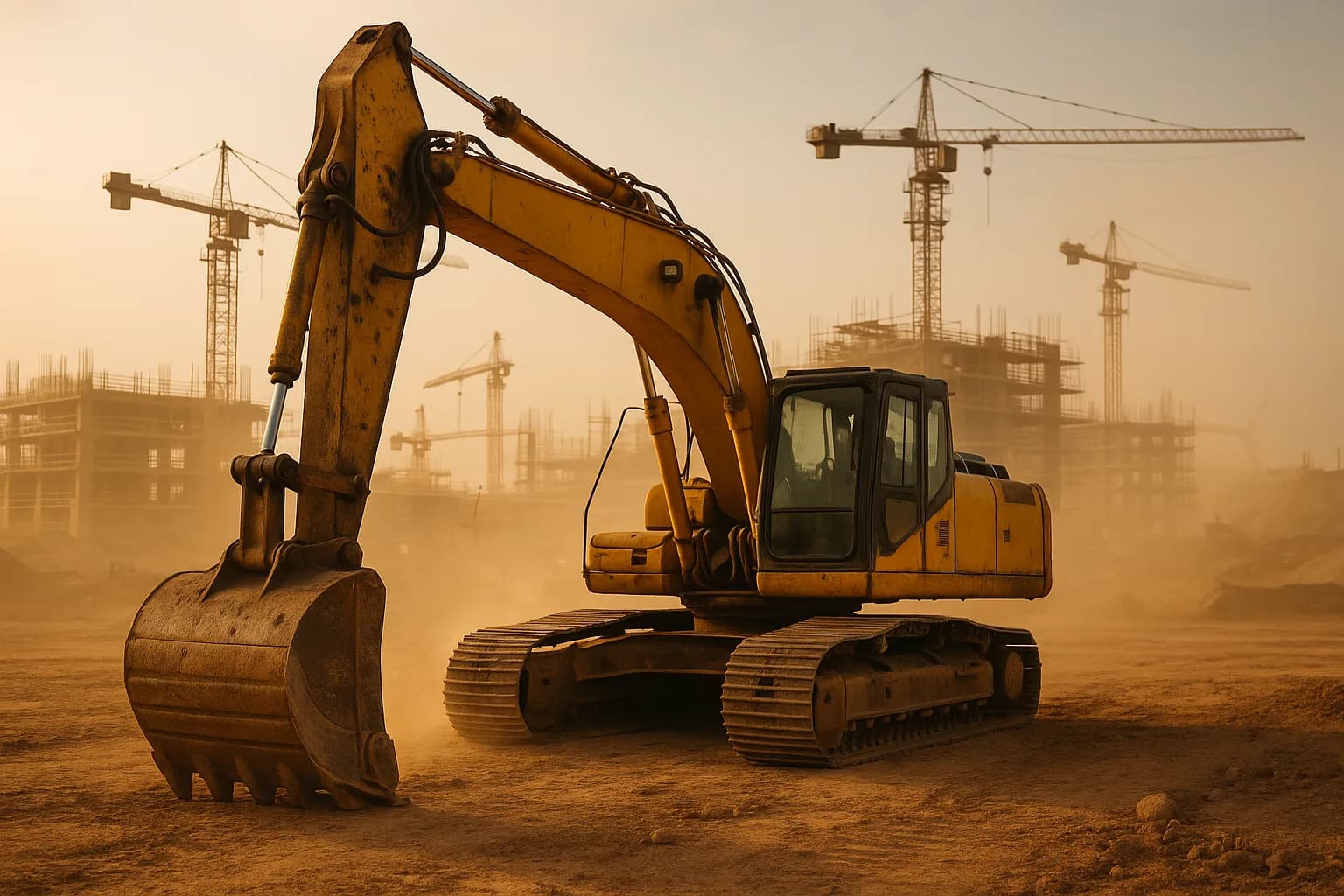
You send the crane crew to a substation upgrade in Middelburg on a Monday. By Wednesday a hydraulic line has blown, the boom is stuck at full extension, and the machine needs to come off site for repairs taking three weeks. The project penalty clause starts counting on day one. When you call the insurer, the loss adjuster's first question is whether the hydraulic failure was caused by a pre-existing mechanical defect, because if it was, the claim falls into a category the policy doesn't touch. The policy paid for the fire risk, the theft risk, the accidental-damage risk. Mechanical breakdown is a different clause entirely, and it usually says no.
What are plant insurance exclusions?
Plant insurance exclusions are the specific situations, causes of loss, and categories of damage a plant all risks policy won't pay for, regardless of how comprehensive the schedule looks. An all risks policy covers any peril not named as an exclusion, but the exclusion list is longer and more specific than most contractors realise, and it is the exclusions, not the covered perils, that decide most disputed claims.
Key Takeaways
- A plant all risks policy covers accidental physical loss or damage from unnamed perils, but the exclusion list shapes nearly every contested claim.
- Mechanical or electrical breakdown is excluded under most standard plant policies; specialist endorsements or separate machinery breakdown cover fills that gap.
- Wear and tear, gradual deterioration, and corrosion are universally excluded, the policy insures sudden loss, not the slow attrition of daily use.
- Riot, strike, and civil unrest damage requires a separate SASRIA policy; your standard plant insurer doesn't pay those claims.
- Contractual penalties, loss of earnings, and delay costs sit outside the property damage cover and need specific business interruption or contractors' consequential loss extensions.
- Misrepresentation at inception, a machine's age, condition, or security arrangements, can void the policy for all claims, not only the one being assessed.
Mechanical and electrical breakdown

Mechanical and electrical breakdown is excluded from the standard plant all risks wording, and this surprises more contractors than any other clause on the list. The logic is straightforward: an all risks policy is designed to respond to sudden, unforeseen, external physical damage. A hydraulic seal failing after two years of continuous use, a gearbox seizing because the oil wasn't changed, an electrical motor burning out after a voltage fluctuation, these are internal failures with internal causes, and the standard wording treats them as the insured's maintenance problem rather than an insured event.
The practical consequence is real. A crane struck by a reversing delivery truck suffers accidental external damage, and the all risks policy responds. The same crane's slewing ring fails because the bearing wore beyond its service life, and the policy doesn't respond. The repair bill for the slewing ring can run to R400 000 or more on a medium-sized mobile crane, and three weeks off-hire while the part is shipped from Europe costs the contractor in project delay penalties the property policy also doesn't cover.
The solution is a machinery breakdown extension or a separate machinery breakdown policy, which covers sudden and unforeseen internal mechanical or electrical failure. Not every insurer offers it as an endorsement, and the ones that do price it on the maintenance records of each machine. A plant fleet with current service histories sits in a materially better position at renewal than one running on guesswork.
Wear, tear, and gradual deterioration
Every plant all risks policy excludes damage caused by wear and tear, gradual deterioration, rust, corrosion, and the slow effects of weather on unprotected metal. The reasoning is the same as for mechanical breakdown: insurance responds to events, not to entropy.
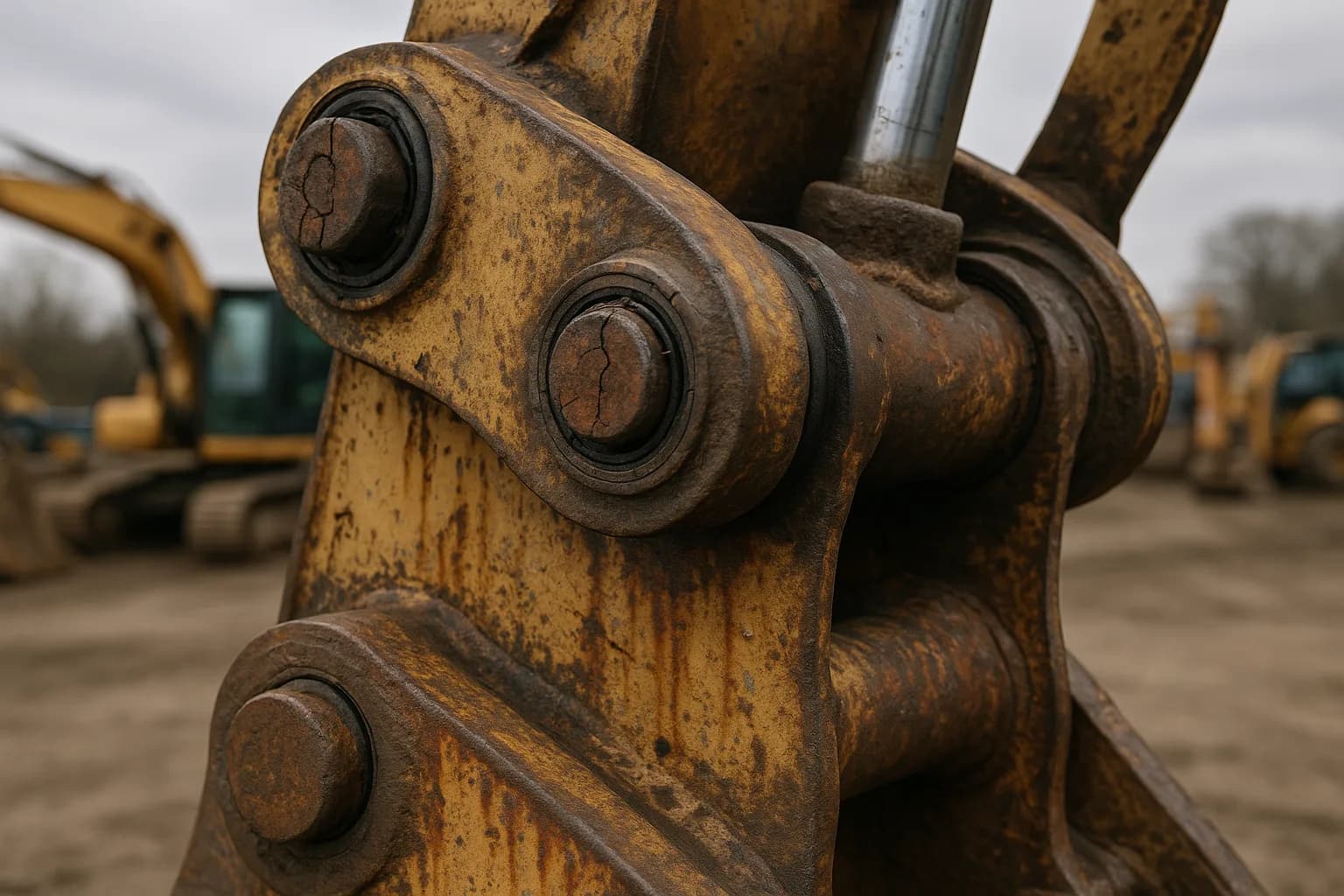
The practical effect is that a policy won't pay to replace a bucket worn thin from years of rock-breaking, a boom developing fatigue cracks over a long service life, or tracks worn below the safe operating thickness. These are maintenance items. Their cost is built into the rate at which the machine depreciates, and the insurer charges a premium against the machine's current market value, not against what it would cost to run it in perpetuity without maintenance.
Where this exclusion catches contractors is on older machines running in harsh conditions. A fleet working in a quarry, a coal yard, or on coastal infrastructure deals with abrasion, dust, salt air, and constant vibration. The machines deteriorate faster than a fleet working on a residential development, and the boundary between a sudden accidental loss and an accelerated wear-and-tear failure can be genuinely difficult to draw. The loss adjuster draws it, and they draw it against the machine's service records.
As constructionfront.com's analysis of contractors all risks cover notes, plant and equipment under these policies requires specific checking, what the standard wording includes and what requires a separate or specialist endorsement varies considerably between insurers.
Riot, civil unrest, and SASRIA
A plant all risks policy doesn't cover loss or damage caused by riot, strike, civil commotion, or politically motivated action. This isn't a fault in the policy; it is a deliberate boundary between the commercial market and the state-backed special-risk insurer handling those perils. SASRIA, the South African Special Risks Insurance Association, is the statutory insurer for these events, and cover must be arranged separately through your broker and attached to the underlying policy.
The July 2021 unrest in KwaZulu-Natal and Gauteng destroyed or damaged machinery on construction sites, in logistics yards, and on municipal projects. Contractors who had SASRIA cover on their plant received the primary loss payment through SASRIA; those without it absorbed the loss directly. As the SAIA annual review 2024 records, essential infrastructure and the businesses operating in affected areas faced disruption extending well beyond the immediate physical damage.
The SASRIA premium is modest relative to the exposure it covers, and it is collected by your commercial insurer alongside the standard plant premium. Many contractors assume it is automatically included. It isn't. Check the schedule: a line item for SASRIA is proof of cover; its absence isn't an oversight, it is a gap.
The Cape Town City's export guide for businesses notes war, strikes, riots, and civil commotions are standard exclusions in commercial policies, with the appropriate cover arranged separately through specialist clauses or, in South Africa's case, through SASRIA.
Operator negligence, misuse, and contractual liability
The policy covers accidental damage. It doesn't cover loss arising from an operator deliberately misusing a machine, operating a machine outside its rated capacity, or breaching the manufacturer's operating parameters in a way reasonably foreseen to cause damage.
This exclusion operates on a spectrum. An operator tipping a telehandler while working at its rated lift capacity in a wind gust suffers an accidental loss, and the policy responds. An operator using the same telehandler to drag a bolted-down concrete panel the machine was never designed to tow, causing the hydraulic system to fail, has taken the machine outside its design parameters, and the insurer's position will reflect that.
Contractual liability sits in a separate category. The plant policy covers physical damage to the machine. It doesn't cover penalties you owe a client because the machine broke down and the project fell behind schedule. Those consequential losses, the delay penalties, the liquidated damages, the additional site costs, require a contractors' consequential loss extension or a specific business interruption policy, not the plant all risks policy. Investopedia's overview of all risks insurance coverage makes the point clearly: an all risks policy covers physical loss or damage to the insured property, and financial loss flowing from that damage is a separate and distinct exposure.
Comparison of plant insurance exclusions and the specialist cover responding to each
| Excluded peril | Standard plant policy response | Cover that does respond |
|---|---|---|
| Mechanical breakdown | No | Machinery breakdown extension |
| Wear and tear | No | Maintenance budget; depreciation |
| Riot and civil unrest | No | SASRIA (arranged separately) |
| Contractual penalties | No | Contractors' consequential loss |
| Hired-in plant damage | Varies | Hired-in plant extension |
| War and terrorism | No | Specialist war and terrorism policy |
| Operator wilful misconduct | No | No insurable interest |
Hired-in plant and third-party equipment
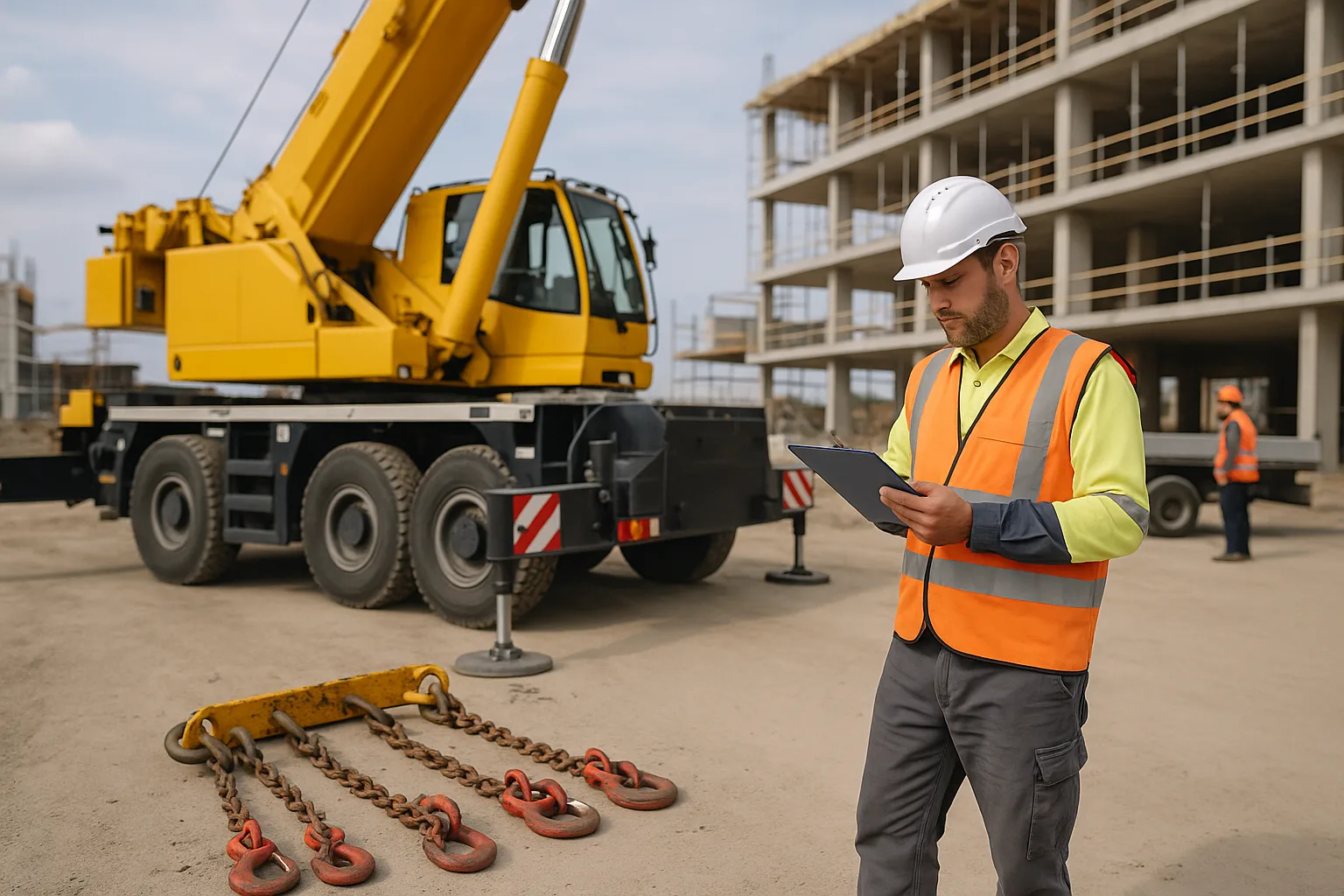
When you hire a machine rather than own it, the cover position shifts in a way the policy schedule won't always make obvious. A plant all risks policy is typically arranged on owned plant. Hired-in equipment may or may not be picked up, depending on whether the policy schedule specifically includes it and on what the hire agreement says about who carries the risk of damage.
Most plant hire agreements transfer the risk of accidental damage to the hirer from the moment the machine leaves the yard. If the machine is damaged on your site, you owe the hire company the repair cost or, if the machine is a write-off, its replacement value. Your plant policy picks up that liability only if hired-in plant is listed on the schedule, either by endorsement or by a specific hired-in plant extension.
The Bellrock advisory's insurance market overview for January 2026 notes underwriters operating in the heavy plant and equipment space are paying close attention to whether owned and hired plant are clearly distinguished on the schedule, the distinction affects both rating and cover response.
A contractor running two owned machines and regularly hiring a third needs to check the schedule, confirm the hired-in limit is adequate for the highest-value machine they would ever hire, and review the hire agreement to confirm the risk allocation matches the cover in place.
Security, immobilisation, and disclosure failures
Plant insurers set security conditions because the theft exposure on mobile plant is significant. A tracked excavator can be moved onto a trailer in under twenty minutes, and the secondary market for stripped plant parts is active enough to make theft a commercially motivated crime rather than an opportunistic one.
The conditions attached to a policy commonly include requirements for GPS tracking devices on units above a stated value, immobilisers on all self-propelled plant, secure storage when not in use, and site security arrangements on remote projects. These aren't advisory. They are conditions of cover, and a claim where those conditions weren't met at the time of the loss is a claim the insurer can decline.
The disclosure failure most commonly accompanying a security-related claim is the one described in the policy's duty to disclose at inception: the obligation to tell the insurer about material facts affecting the risk. A machine described as equipped with an immobiliser, but never registered with the insurer, sits on uncertain ground. The cover condition requires the device; the insurer needs to know it exists and that it meets their specification.
Non-disclosure or misrepresentation at inception, whether the machine's true age, its service history, its overnight location, or its security arrangements, can void the policy entirely, not only the disputed claim. The duty to disclose runs both ways: the broker needs accurate information from the contractor, and the contractor needs to understand what they declare becomes the foundation on which the policy is built.
Flood, subsidence, and site-specific perils
Standard plant all risks policies commonly exclude flood damage where the machine is parked in a known flood-risk zone, subsidence where site conditions are known to be unstable, and damage arising from work the machine isn't rated to perform. These exclusions are site-specific rather than blanket, and they become relevant on infrastructure projects in floodplains, coastal work, and mining or earthworks in areas with known geological risk.
The insurer underwrites the risk based on the information provided at inception. If a contractor places a fleet on a site with seasonal flooding history and doesn't disclose the site conditions, the flood exclusion applies. If the site conditions are disclosed and the insurer accepts the risk, the premium reflects the exposure and the cover responds to a flood event.
The cost of an unread exclusion list
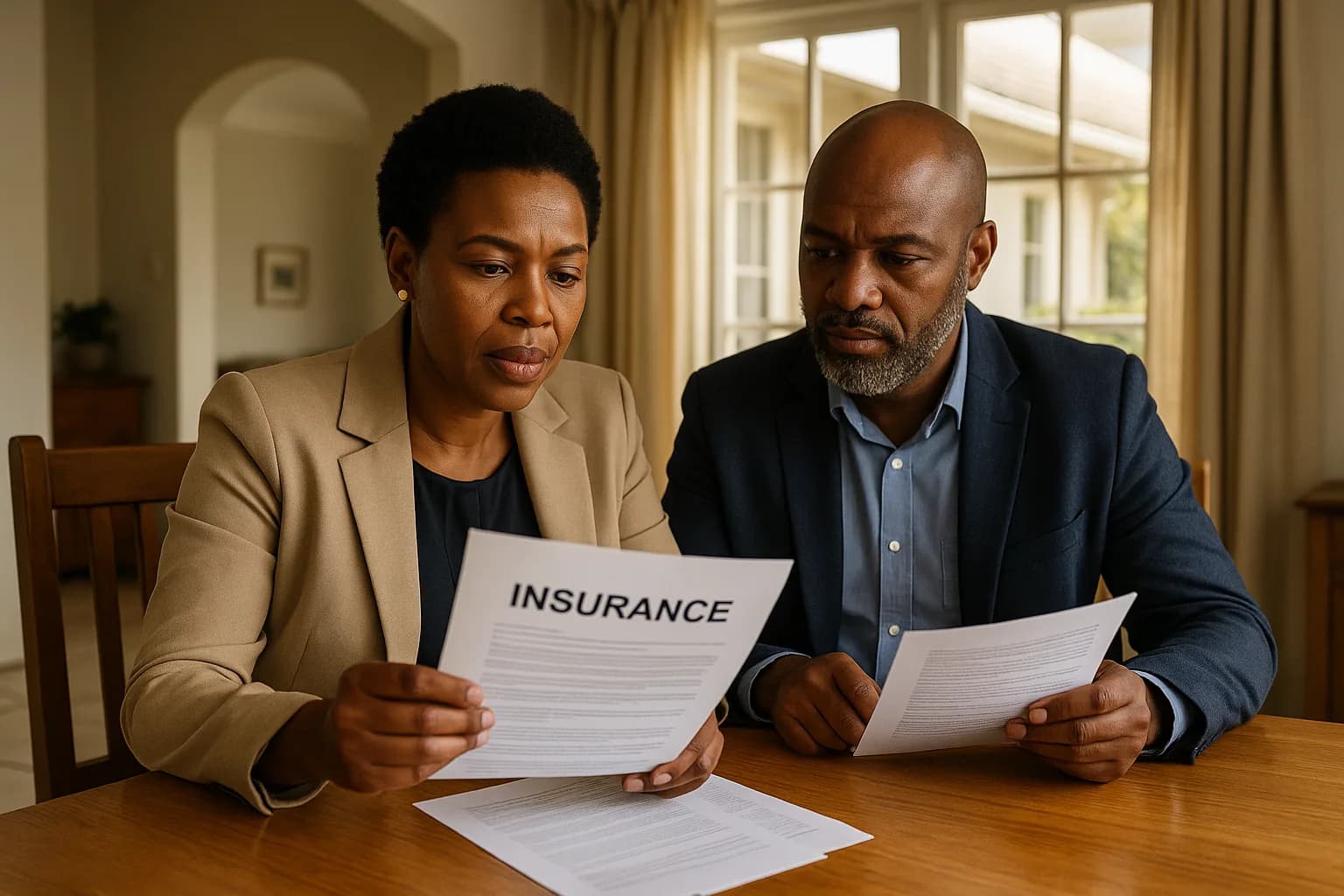
Insurance is the folder nobody reads until the day they need it. Plant insurance exclusions are written in standard wording that looks like boilerplate and reads like the fine print on a lease, which means most contractors have a general idea of what they're covered for and a much vaguer idea of what they're not.
The gap carries a real cost, because the exclusions are where claims fall down. A physically damaged machine on a project already missing its milestone is not the moment to discover the breakdown exclusion, the SASRIA gap, or the hired-in plant limit has turned a straightforward loss into an uninsured one. Reading your exclusion list before the loss, asking the broker to explain each item, and checking the specialist extensions your operation needs are endorsed on the schedule, that is the work happening before the claim, and it determines what the insurer pays.
You shouldn't have to discover what your plant policy excludes at the same time you're discovering the loss. With Mont Blanc Financial Services you won't.
Contact Mont Blanc Financial Services to have your plant all risks schedule read, the exclusions explained in plain language, and the gaps identified before a claim makes them visible.
Plant insurance exclusions generate more questions from contractors than almost any other feature of the policy, and the questions tend to arrive at the wrong moment. The ones below cover what clients ask most often.
Frequently Asked Questions
Does plant all risks insurance cover mechanical breakdown?
Standard plant all risks policies exclude mechanical and electrical breakdown. The policy responds to sudden, unforeseen, external physical damage, a machine struck by a vehicle, damaged in a flood, or stolen from a site. Internal mechanical failure, including hydraulic system failures, seized gearboxes, and burned-out motors, falls outside the standard wording. The cover responding to mechanical breakdown is a machinery breakdown extension, which some insurers offer as an endorsement to the plant policy and others arrange as a separate policy. The extension is priced on the machine's service history, so current and complete maintenance records affect both availability of cover and the premium charged. If your plant fleet includes financed machines, check whether your finance agreement requires machinery breakdown cover as a loan condition, some lenders specify it in the schedule of conditions alongside the all risks requirement. Speak to your broker about which machines in your fleet are most exposed and whether a standalone extension or a separate policy suits your operation better.
Is SASRIA cover automatically included in a plant all risks policy?
It isn't. SASRIA cover must be specifically arranged and will appear as a separate line item on your insurance schedule when it is in place. Your commercial insurer collects the SASRIA premium alongside the standard plant premium, but the absence of a SASRIA line means the cover is absent, regardless of how long you have held the underlying plant policy. Riot, civil commotion, strike action, and politically motivated damage are excluded from the standard plant all risks wording. In a South African context where infrastructure projects operate in urban areas affected by service-delivery protests, and where the July 2021 events demonstrated how quickly and widely unrest can spread, the gap between a standard plant policy and SASRIA cover is a real operational exposure. The premium is comparatively small. Ask your broker to confirm SASRIA is noted on the schedule before your next site mobilisation, and check every machine by registration number, a machine added mid-term needs its own SASRIA endorsement, not a note on the main schedule.
What happens to my plant insurance claim if the machine had a pre-existing defect?
A pre-existing defect contributing to the loss is the most common ground on which a plant insurer declines or reduces a claim. If a machine had a known fault, a cracked chassis, a hydraulic cylinder weeping oil, worn track tensioners, and that fault wasn't disclosed at inception or renewal, the insurer can argue material non-disclosure and either reduce the settlement or decline the claim entirely. Even where the defect was unknown to the contractor, the loss adjuster's engineering report may identify it as a contributing cause, shifting the loss at least partly into the wear-and-tear exclusion. The practical safeguard is a pre-insurance condition report on any machine entering the fleet, particularly a used or older machine, and keeping that report on file. It establishes the machine's condition at inception, limits the insurer's ability to attribute a later loss to a pre-existing condition, and supports a faster settlement. Your broker can advise on approved assessors whose reports carry weight with the underwriter.
Are contractual penalties covered if my plant breaks down on a project?
No. The plant all risks policy covers physical damage to the machine. The financial consequences flowing from that damage, project delay penalties, liquidated damages under a construction contract, additional mobilisation costs, loss of the contractor's own revenue during the repair period, aren't property damage, and the standard policy doesn't pay them. A contractors' consequential loss extension or a business interruption policy specific to the plant operation is what responds to those losses. This is a significant exposure on fixed-price or penalty-bearing contracts, where a single machine breakdown can generate penalty costs exceeding the repair bill several times over. Review the contracts your business operates under, identify the penalty exposure on each, and check whether your current policy structure includes the extensions to address it. Ask your broker to map the delay penalty clauses in your active contracts against the consequential loss limits currently in place, the gap between those two numbers is your uninsured exposure.
Can my plant insurer decline a claim because the machine was being operated outside normal hours?
The answer depends on what your policy conditions say about site security and supervised operation. Some policies restrict cover during unmanned periods to theft and fire; others apply a site-security condition requiring the machine to be locked and immobilised when unattended. A machine operating outside normal hours is typically operated by someone, so the issue is usually not hours but compliance with the security conditions while the machine is running. Where a machine is left running and unattended, a generator on night shift, a pump left to run overnight, and damage occurs, the insurer will look at whether adequate supervision was in place and whether the policy conditions require it. Read the conditions relating to unattended operation in your specific policy wording; the standard varies between insurers. If your operation routinely involves unmanned running plant, disclose this at renewal so the underwriter can note it explicitly and your cover position is clear before an incident occurs.

Nicola Iozzo
Founder & CEO, Mont Blanc Financial Services
Nicola has spent his career reading the policy wording most people skip, and writes here so you don't discover at claim stage what page 14 meant.
This blog is here to inform, not advise. Think of it as a guidebook, not a contract. For decisions affecting your world, have a chat with your broker or financial professional. Mont Blanc Financial Services works to keep this content accurate and current, but isn’t liable for decisions made on it alone.