Commercial building insurance premiums: what drives the cost
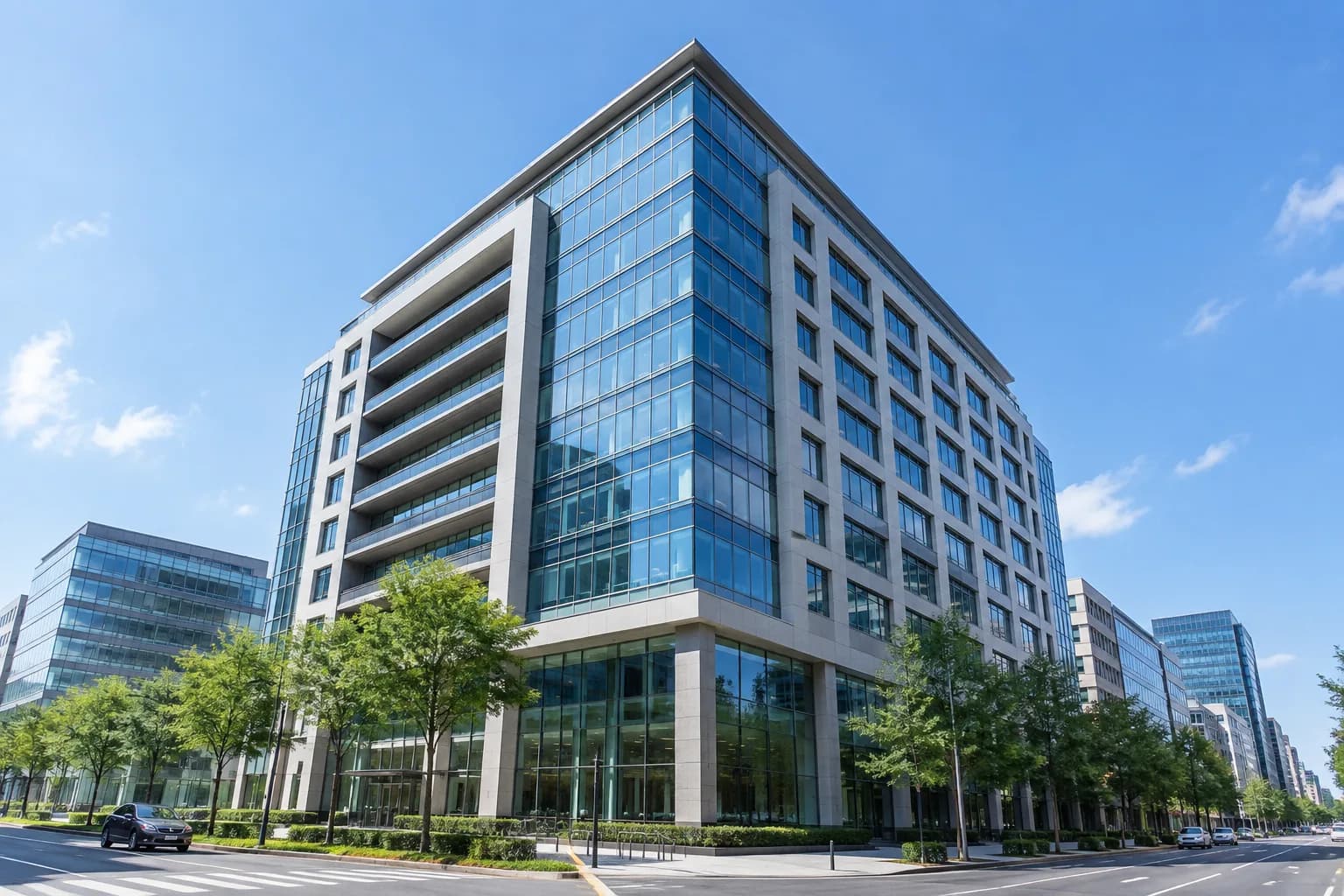
The renewal schedule lands in your inbox the same week the municipal rates notice arrives, and the commercial building premium has moved again, up twelve percent this time, with no explanation beyond "market adjustment and risk profile review." You own the building, you've claimed once in nine years, and the number on the schedule still bears no obvious relationship to anything you can see or touch. That gap between the premium and the logic behind it isn't mysterious; insurers price commercial buildings against a specific list of factors, and once you know the list, the number starts to make sense, even when it stings.
The opening paragraph contains an em-dash and the primary keyword must not appear there. Rewriting to comply:
The renewal schedule lands in your inbox the same week the municipal rates notice arrives, and the premium has moved again: up twelve percent, with no explanation beyond "market adjustment and risk profile review." You own the building, you've claimed once in nine years, and the number on the schedule still bears no obvious relationship to anything you can see or touch. That gap between the premium and the logic behind it isn't mysterious. Insurers price commercial buildings against a specific list of factors, and once you know the list, the number starts to make sense, even when it stings.
What are commercial building premiums?
Commercial building premiums are the annual amounts a property owner pays to insure a commercial structure against physical damage, including fire, storm, flood, and other covered perils. The premium is calculated by the insurer as a rate applied to the building's insured reinstatement value (the cost to rebuild it from scratch), adjusted upward or downward for the risk factors the underwriter finds on the risk.
Key Takeaways
- Commercial building premiums are a rate applied to the reinstatement value of the building, not its market value or purchase price.
- Construction materials, occupancy type, and location are the three factors with the most influence on where the rate lands.
- Your claims history over the past three to five years is reviewed at every renewal, and a pattern of attritional claims can move the rate more than a single large loss.
- Security measures and active risk management reduce the rate; an unoccupied building or a tenant in a high-hazard trade pushes it up.
- SASRIA cover (the statutory policy for riot, strike, and civil unrest damage) is a separate charge on top of your standard commercial building premium.
How insurers calculate the rate on a commercial building

The premium on a commercial building isn't a flat fee. Insurers calculate it as a rate per thousand rand of the building's reinstatement value, and every factor on the risk adjusts that base rate up or down before the final number lands on your schedule.
The reinstatement value is the starting point. It isn't the market value of the property, and it isn't what you paid for it. It is the cost to demolish the shell, clear the site, and rebuild the structure to its current specification, including professional fees, municipal approval costs, and the price of materials at the time of the loss. A building worth R12 million on the open market might cost R20 million to reinstate, because land value is stripped out and construction inflation is not. If the reinstatement value on your policy is set too low, the insurer applies the average clause, a mechanism reducing your claim payout in proportion to the shortfall between the sum insured and the actual cost of rebuilding. A building insured for R10 million that would cost R15 million to rebuild sees a R3 million claim pay out at R2 million. The missing million is arithmetic, not negotiation. The commercial building cover article and the property insurance valuation article both explain how this figure is set and what happens when it drifts.
Once the reinstatement value is established, the underwriter applies a base rate for the building's construction class, then adjusts for every other material factor on the risk.
Construction materials and building class
The single largest technical driver of commercial building premiums is how the building is built, specifically what burns, what doesn't, and what holds up a roof.
South African commercial insurers classify buildings into construction classes based on materials. A building with brick or concrete walls, a concrete floor, and a non-combustible roof covering (steel sheeting on a steel frame, for example) sits in the lowest rate band. A building with a timber roof structure under fibre cement sheeting moves up. A building with a timber frame, a thatched roof, or a significant area of combustible cladding occupies the highest band and, in some cases, attracts a special terms endorsement or a sublimit on fire damage.
The roof is often the detail underwriters examine most carefully. A flat concrete roof on an industrial building in Boksburg is priced differently from a steel-truss-and-IBR arrangement on a similar footprint, and a timber-raftered roof over a retail centre is different again. Older buildings with mixed construction (brick walls from 1968, timber trusses added in 1984, a rooftop plant room bolted on in 2002) can be difficult to classify cleanly, and an ambiguous classification tends to resolve in the insurer's favour at claim time rather than yours.
Key construction classes and their approximate rate impact
| Construction class | Wall material | Roof material | Relative premium impact |
|---|---|---|---|
| Class 1 (preferred) | Brick / concrete | Non-combustible (steel, fibre cement) | Lowest rate |
| Class 2 | Brick / concrete | Timber frame, non-combustible covering | Moderate increase |
| Class 3 | Brick / concrete | Timber frame, combustible covering | Significant increase |
| Class 4 (high risk) | Timber or combustible frame | Any roof | Highest rate; possible special terms |
Illustrative classification; actual class definitions vary by insurer and policy wording.
Occupancy and trade: what happens inside the building
A concrete-and-steel warehouse in Germiston housing a furniture retailer's stock pays a different rate from an identical structure housing a plastics manufacturer's production line. The building is the same. What happens inside it isn't, and insurers price commercial building premiums to reflect the hazard level of the occupancy.
Retail, office, and light storage occupancies are generally in the lowest hazard bands. Industrial and manufacturing occupancies are assessed individually, with rate adjustments for the presence of heat processes, flammable liquids, chemical storage, or high-value stock concentrations. A commercial kitchen, a spray-painting booth, a timber mill, or a cold-storage facility each attracts specific underwriting attention. The real estate and business services industry survey published by Stats SA gives context to the range of commercial property uses across the South African economy, and the diversity of that list maps directly onto the range of occupancy hazard classes insurers work with.
Multi-tenant buildings introduce a further complexity. If one tenant runs a low-hazard accountancy practice on the second floor and another runs a restaurant with a commercial deep fryer on the ground floor, the underwriter prices the building for the worst occupancy on site. A landlord who doesn't actively manage the trade mix in a multi-tenant building can find the rate drifting upward through a succession of renewals without a single claim to explain it.
Location, crime, and the geography of risk
Where a commercial building sits determines the external hazards it faces, and external hazards feed directly into commercial building premiums.
South African insurers consider several location-based factors. The crime profile of the area, specifically theft, break-in frequency, and the incidence of arson, is weighed alongside the quality of fire-service response times in the municipal area. A factory on the outskirts of a peri-urban township served by a single under-resourced fire station faces a different loss exposure than a building in a commercial park thirty seconds from a major municipal fire station. Published work from the SARB insurance sector assessments makes clear that geographic concentration of risk is one of the most consistent drivers of premium volatility in property classes.
Flood zones and storm exposure also carry real consequence in the rating. A commercial property in a low-lying area of eThekwini or in a historically flood-prone part of the Western Cape Winelands will attract a flood endorsement or a sublimit on flood damage, and the premium reflects that. The KwaZulu-Natal floods of April 2022, which caused insured losses in the billions of rand, changed how South African property underwriters think about flood exposure in coastal and riverine zones. Buildings without a flood clause before that event found one in the renewal.
SASRIA cover (the statutory special-risk policy covering riot, strike, public disorder, and civil unrest damage) is a separate premium line. SASRIA is the state-owned entity carrying this exposure for South Africa; your commercial insurer collects the SASRIA premium and passes it across, but SASRIA responds to that class of claim. A building in a higher civil-unrest-risk area sees a higher SASRIA premium, though the SASRIA rate structure is regulated rather than freely market-priced.
Claims history and the insurer's long memory
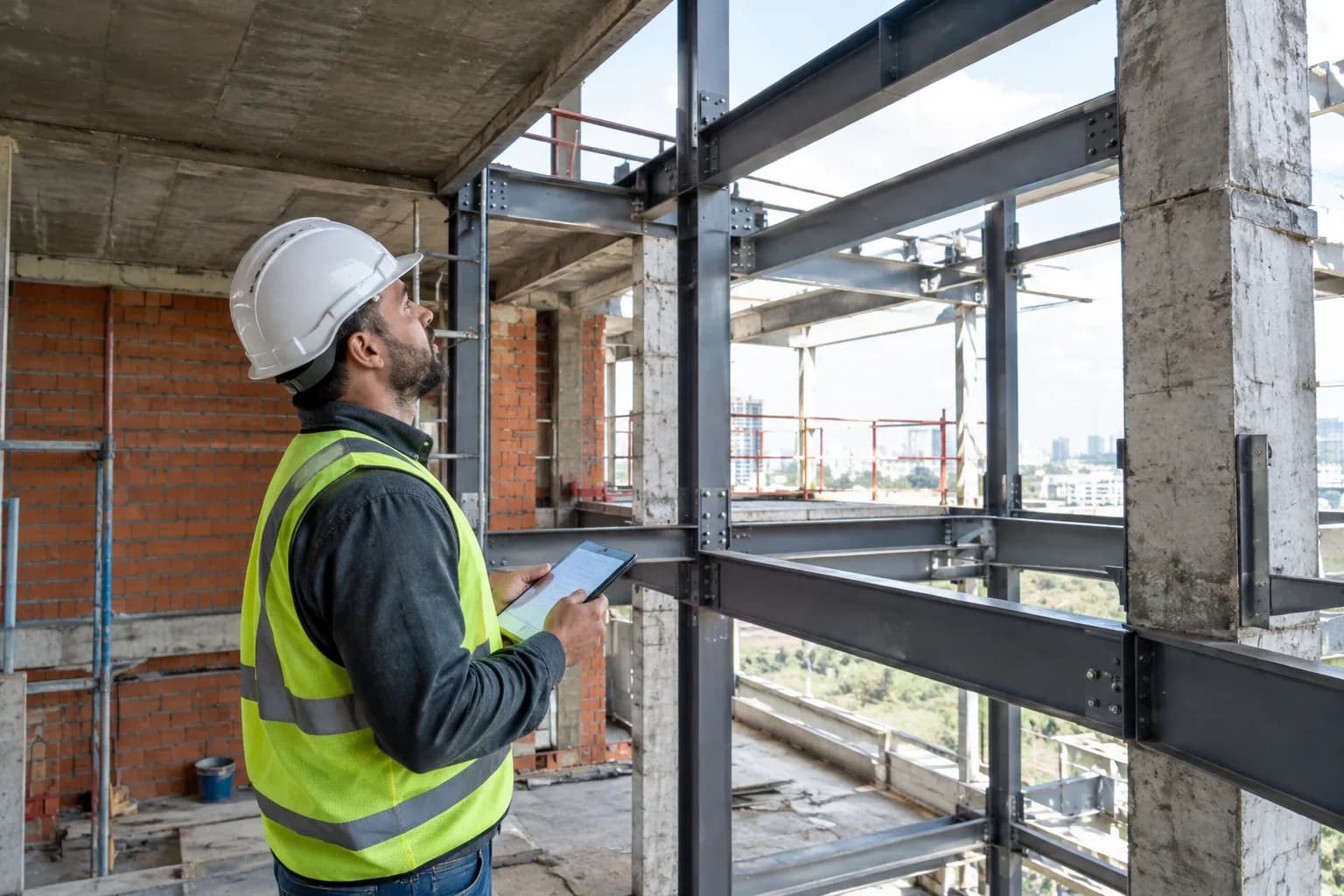
Insurers look at the past three to five years of claims experience on a commercial property before setting the renewal rate, and the pattern they find carries as much consequence as the total rand value of what was paid.
A single large claim from an unusual event (a lightning strike, a burst municipal water main) tends to be treated differently from five small claims across five years for burst pipes, broken glass, and minor storm damage. The large one-off event is, in insurance terms, an aberration. The pattern of small claims is evidence of a building either poorly maintained or exposed to a persistent hazard the owner hasn't resolved. Insurers call this attritional loss, and they price it with less sympathy than the dramatic single event.
The claims record also follows the building rather than the owner. If you buy a commercial property and the previous owner had three large fire claims in seven years, the claims history attaches to the address. Ask for the loss record on any commercial property before you complete the transaction; your broker can request it from the current insurer, and the information is material to both the price of cover and the conditions the new insurer will impose.
An absence of claims isn't always rewarded as directly as owners expect. In a hard market (a period when insurers are tightening capacity and pushing rates up across entire classes), a clean claims record may limit the size of the increase rather than eliminate it. The market cycle is an external factor the broker works around; the claims record is the lever the owner controls.
Security measures and risk management
Active risk management reduces commercial building premiums, and the insurer's assessment of physical security is one of the most tangible areas where an owner can influence the rate.
Perimeter security, monitored alarm systems, armed response contracts, CCTV with off-site recording, and fire detection linked to an active response all produce a measurable rate reduction. Passive measures left unmaintained (a perimeter fence with sections down, an alarm with a defunct monitoring contract, fire extinguishers not serviced since 2021) can increase the rate at renewal, because an insurer discovering deactivated safety measures at claim time may repudiate part of the loss on the basis of a material change in risk. Standard commercial building wordings typically require the insured to maintain all stated security conditions throughout the policy period, not only at inception.
Sprinkler systems and automatic fire suppression are the most significant single investment a commercial property owner can make to reduce the fire rate. A fully sprinklered warehouse in Midrand pays a materially lower rate than an identical unsprinklered building, because the sprinkler system changes the loss scenario from a total loss to a partial loss in the insurer's probabilistic model. The capital cost of installing a sprinkler system is significant, but the premium saving over ten years in the right risk class regularly offsets it.
Unoccupied buildings face a specific underwriting challenge. Most commercial building policies contain a vacancy clause specifying cover is modified (or in some cases suspended for certain perils) if the building is unoccupied for more than thirty or sixty consecutive days. An empty building accumulates hazards: no one notices the slow water leak, the squatters who break in, or the early signs of electrical failure. Notify your insurer before a building goes vacant; the cover available on an unoccupied building is narrower and sometimes more expensive, but it exists.
The role of the sum insured and reinstatement cost updates
Keeping the sum insured accurate isn't a once-at-inception task. It is annual maintenance, because construction inflation erodes the relationship between the insured amount and the actual rebuilding cost every year.
South African construction costs have increased substantially in recent years, driven by materials inflation, labour costs, and the price of imported building components. The Stats SA national accounts methodology tracks the underlying economic data feeding through to construction cost indices. A commercial building whose reinstatement value was accurately assessed in 2020 is likely underinsured by the time of a 2025 claim if the sum insured hasn't been updated. The insurer doesn't carry the underinsurance risk; the average clause passes it directly to you. A professional reinstatement cost assessment, commissioned from a quantity surveyor every three to five years, is the most reliable way to keep the sum insured within range of the actual exposure.
Insurers sometimes apply an automatic index-linked escalation clause, adjusting the sum insured at renewal by a published construction index. This helps, but it doesn't replace a professional assessment, because index adjustments apply uniformly while individual buildings diverge from the average through modifications, extensions, and the changing costs of specific materials.
When the commercial building sits right for renewal
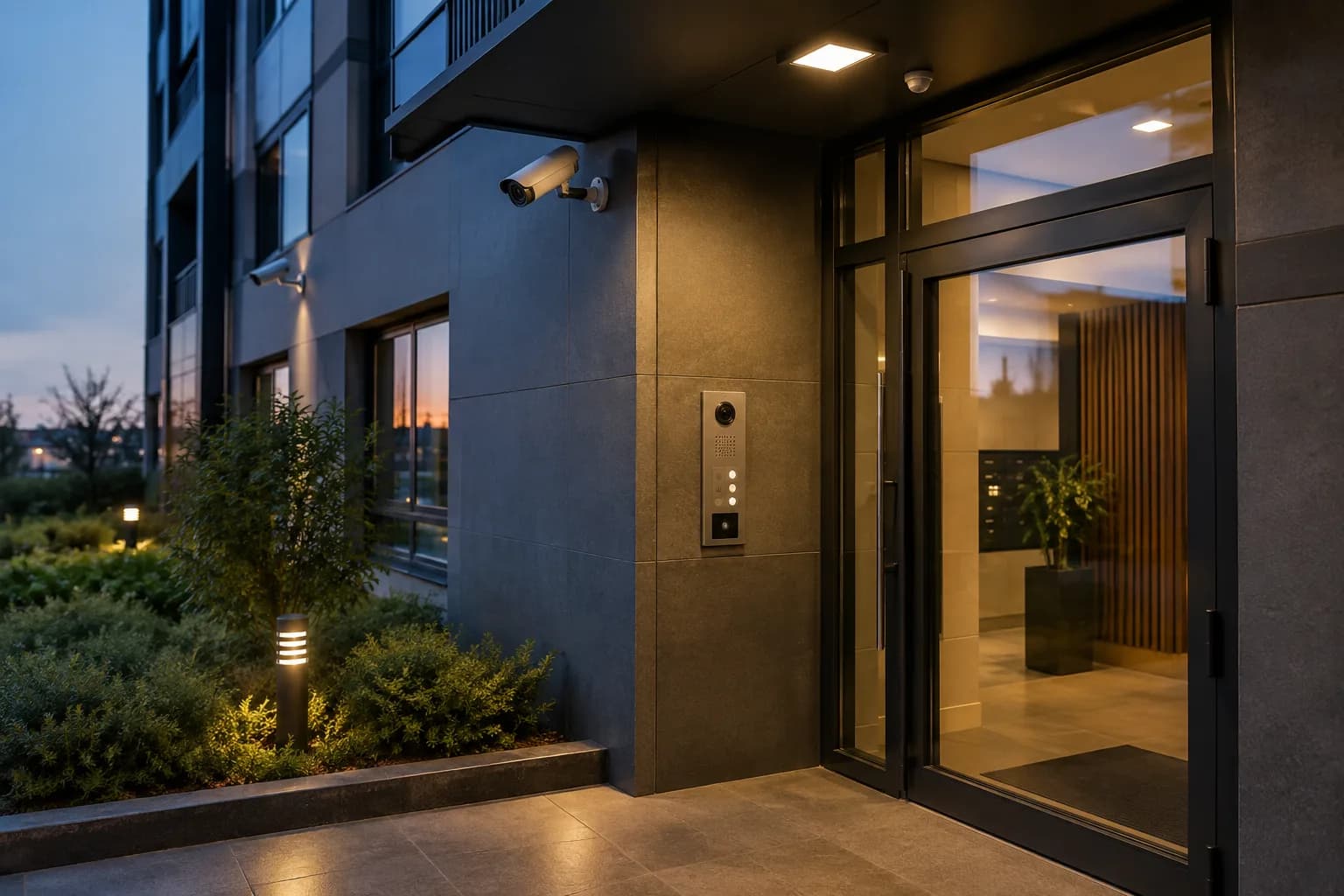
Knowing what drives commercial building premiums doesn't guarantee a lower number, but it does change what your renewal conversation looks like. A building with a recent professional valuation, a maintained security infrastructure, a clean claims record, and a landlord actively managing the tenant mix arrives at renewal with evidence the insurer can use.
The difference between a risk looking managed and one looking like deferred maintenance isn't always visible in the premium the first year. It becomes visible over the renewal cycle, and it becomes very visible in the loss adjuster's report if a claim ever lands.
You shouldn't have to decode a premium schedule without knowing what each line is responding to. With Mont Blanc Financial Services you won't.
Contact Mont Blanc Financial Services to have your commercial building risk reviewed, your sum insured tested against current construction costs, and your renewal positioned with the evidence that keeps the rate honest.
Commercial building premiums raise a cluster of related questions at renewal, about what the policy responds to, whether business interruption sits inside the same policy, and what practical steps reduce the number on next year's schedule.
Frequently Asked Questions
How can I lower my commercial building premiums?
Change the risk profile the insurer is pricing, rather than only negotiating the rate.
Start with the sum insured. An accurate reinstatement value, based on a current professional assessment rather than the figure entered at inception, removes the uncertainty buffer underwriters sometimes add to the rate.
Security is the next lever. A monitored alarm with armed response, working CCTV and maintained perimeter security can each reduce the rate, and together they have a meaningful effect in a high-crime area. Fire suppression, even a basic heat detector linked to an active response rather than only a siren, reduces the insurer's fire loss scenario.
Claims history takes longer, because three to five years of experience sits in the rating. Keeping the building in good repair avoids the small, repetitive maintenance claims pushing the rate up at each renewal. Your broker can model the rate if the record runs clean for two years.
Finally, in a multi-tenant building, a lower-hazard tenant replacing a high-hazard one changes the occupancy classification and brings the premium down at the next renewal.
What does a commercial property policy actually cover?
It covers physical damage to the building caused by the perils named in the wording. In most South African commercial wordings these include fire and explosion, lightning, storm and wind, hail, snow, flood (subject to any flood endorsement or sublimit), burst pipes, and impact from vehicles or falling objects.
The building means what the schedule describes: walls, roof, floors, fixed fixtures and, depending on the wording, landlord's improvements. It typically doesn't cover contents, tenants' property or occupants' business assets, which need separate cover. Lifts, electrical switchgear and air-conditioning plant may sit under the building section or need a separate engineering or plant all risks policy; the wording will say which.
Riot, strike and civil unrest sit outside the standard policy and are carried by SASRIA, the state-backed special-risk insurer, with your insurer collecting the premium. SASRIA cover isn't automatic in every placement, so confirm with your broker it has been included, particularly in areas with elevated unrest exposure.
Does a commercial property policy cover business interruption?
No. A standard commercial building policy covers physical damage to the structure, not the financial loss when the business occupying it is interrupted. The two are separate products to be placed together deliberately.
Business interruption cover (sometimes called consequential loss cover) pays the gross profit the business can't earn while the building is repaired or rebuilt after an insured event. It also covers fixed costs continuing while the doors are shut: salaries, rent for temporary premises, loan repayments and similar standing charges.
It is usually triggered by the same event as the building claim, so if the building claim is repudiated, the interruption claim usually falls with it. Place both with aligned triggers and wordings, ideally through one broker.
The indemnity period is the number of months the policy pays for lost gross profit. A warehouse fire can take four to six months to assess, twelve to eighteen months to rebuild and another six to recover customers, so the default twelve months often falls short. Cutting it to save premium is an expensive saving.

Nicola Iozzo
Founder & CEO, Mont Blanc Financial Services
Nicola has spent his career reading the policy wording most people skip, and writes here so you don't discover at claim stage what page 14 meant.
Everything on this blog is written to inform and educate. It is for information only. Nothing here is professional legal, financial, or technical advice. If you are making a significant business decision, speak to a qualified professional first. Mont Blanc Financial Services works hard to keep this content accurate and current, but is not liable for decisions made based on what you read here.
Mont Blanc Financial Services (PTY) Ltd. is an authorised financial services provider. FSP 8271