Beyond Dashcams: The Features Every Fleet Needs in Video Telematics
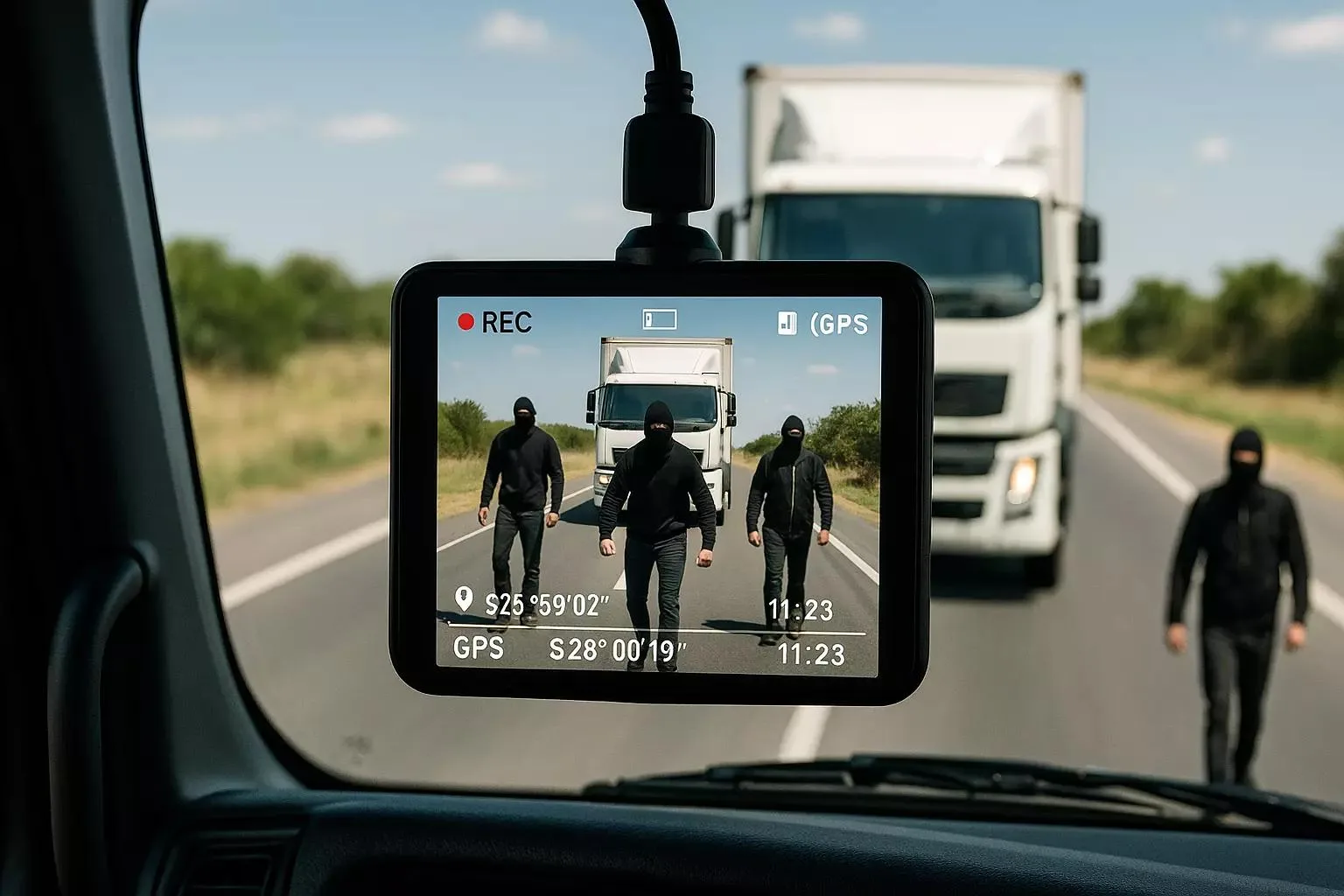
A dashcam records what already happened; a fleet usually buys one and assumes the safety problem is solved. The gap shows after an incident, when footage sits on a memory card in a vehicle that was stolen or destroyed, recording an event nobody could intervene in. The difference between a system that documents a loss and one that prevents it is not the camera. It is what the camera is connected to, and most fleets discover that distinction too late.
What is video telematics?
Video telematics combines dashcam footage with live telematics data: GPS location, speed, braking force, and driver behaviour, and transmits that information in real time to a central monitoring platform. Where a standard dashcam records what happened, a video telematics system responds while it is happening. The distinction is the difference between evidence and intervention.
Key Takeaways
- Video telematics is not a dashcam. It is an active safety system that combines live video with GPS, speed, and driver behaviour data transmitted in real time to a monitoring hub.
- AI-powered driver monitoring detects fatigue, distraction, and phone use while the vehicle is still moving, not after the incident has occurred.
- Real-time streaming and panic button integration allow control room operators to intervene during hijackings, coordinate with SAPS, and keep drivers informed while an incident unfolds.
- Cloud storage protects footage from tampering or hardware loss. Local SD cards provide no such protection if the vehicle is stolen or the camera is damaged.
- Insurers treat fleets with video telematics as lower-risk. The effect on premiums and claim outcomes is material: one prevented hijacking or settled liability dispute typically outweighs months of monitoring fees.
What Is Video Telematics
Video telematics combines dashcam video with telematics data, GPS tracking, speed, braking, and driver behaviour. Instead of simply recording footage onto a memory card, the system transmits information to a central hub or control room. There, operators or AI systems analyse the data and raise alerts when risks appear.
This is the difference between a basic dashcam bought at a retail store and a commercial-grade system integrated for fleets. A consumer dashcam records accidents; video telematics helps prevent them.
How Video Telematics Systems Work in Commercial Trucks
- Dual Camera Setup Forward-facing camera: Monitors the road ahead. Cab-facing camera: Observes driver behaviour (e.g., distraction, fatigue).
- Sensors and AI Integration Detects speeding, harsh braking, lane drifting, tailgating, or drowsy eyes. Sends real-time alerts to drivers and monitoring staff.
- Live Data Transmission Footage is streamed over cellular networks to a secure cloud platform or monitoring control room. Fleet managers or 24/7 operators (such as MBFS staff) receive live feeds.
- Event Triggers The system automatically flags incidents like sudden braking, collisions, or panic button presses. Footage is stored and protected for insurance or legal purposes.
- Integration With Telematics Location, speed, route history, and fuel consumption are combined with video, offering a 360° view of fleet operations.
Key Features That Set Fleet Dashcams Apart
AI-Powered Driver Monitoring
Look for systems that detect fatigue, distraction, and cell phone use. The AI can issue in-cab audio warnings or send real-time alerts to monitoring teams.
Real-Time Streaming and Alerts
A dashcam that only records is insufficient for fleets facing hijacking risks. Real-time streaming ensures control rooms can intervene immediately.
Panic Buttons and Two-Way Audio
Drivers need the ability to discreetly signal emergencies. Two-way communication allows operators to talk drivers through incidents.
Cloud Storage for Reliable Evidence
Local SD cards can be tampered with or stolen. Cloud backups secure evidence, ensuring footage is accessible even if hardware is damaged.
GPS Tracking and Route Insights
Telematics data, paired with video, allows managers to optimize routes, reduce fuel costs, and identify recurring risks.
Why Advanced Telematics Features Are Essential
Fleets face unique challenges: hijackings, poorly maintained roads, reckless road users, and long-haul fatigue. Advanced features aren’t extras, they’re necessities. A system without live monitoring may capture a hijacking but won’t stop it. A dashcam without AI fatigue detection may record a driver’s microsleep but won’t prevent it.
Choosing the right system means balancing affordability with the cost of inaction. One serious incident costs far more than investing in a robust video telematics solution.
Cameras change what an insurer can see, and that shows up in the premium. Our guide to trucking insurance sets out how the rating works.
Case Study: How Video Telematics Prevented a Hijacking
A Durban-based fleet carrying perishable goods invested in a video telematics system after a series of near misses left management concerned. One night, a truck hauling refrigerated produce worth several million rand was enroute to Johannesburg via the N3. At around 2:30 a.m., the truck unexpectedly slowed outside Harrismith, a common hotspot for staged roadblocks.
In the MBFS control room, two operators were on duty. The system’s GPS flagged the sudden stop, and the forward-facing camera showed a group of men placing objects across the road. The driver, realizing the danger, hesitated. The operators immediately called him through the two-way system, urging him not to exit the vehicle and to activate the panic button.
Within seconds, a hijacking attempt unfolded. Men approached the cab, trying to force the doors open. Because telematics system streamed live video, the operators could see everything as it happened. They contacted SAPS and the fleet manager simultaneously, relaying the truck’s location and the nature of the threat.
Police were dispatched, while the control room stayed on the line with the driver, giving him instructions and reassurance. The criminals fled when sirens were heard in the distance. The driver was shaken but unharmed. The load was delivered safely to Johannesburg later that morning.
The incident never made the news, and that’s the point. A potential multi-million-rand loss, a traumatized driver, and months of legal disputes were prevented because of the client’s telematics and Mont Blanc’s monitoring system intervened in real time. For the fleet, the monthly investment proved its worth in one night.
Still have questions about how video telematics work? Here are detailed answers to the concerns we hear most often from South African fleets.
Conclusion
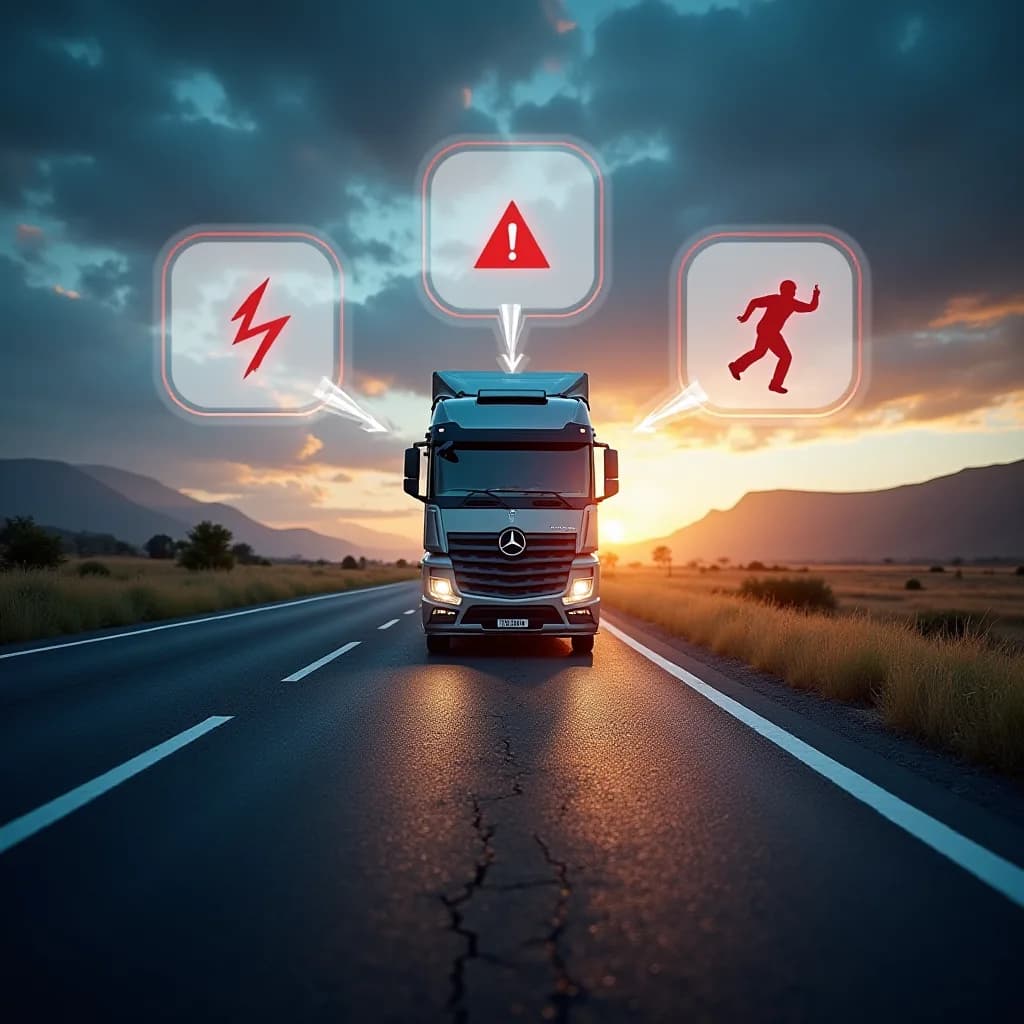
Dashcams and video telematics are not merely tools for recording accidents. They are active systems which detect risks, protect drivers, and give fleets the real-time visibility they need to survive on South African roads. From fatigue monitoring to hijacking prevention, these features have moved from “nice-to-have” to “must-have.”
At MBFS, our 24/7 monitoring service is more than technology, it is a partnership. For a monthly fee, you gain a dedicated control room, live intervention during crises, and the peace of mind every journey is protected. In a world where risk is constant, this is not an expense. It is insurance against disaster and a lifeline for your fleet. Contact us now to secure your place in the era of video telematics.
You shouldn’t have to wait for a call at 1:34 a.m. to find out what your fleet monitoring system can and can’t do. With Mont Blanc Financial Services you won’t.
Contact Mont Blanc Financial Services to find out how our 24/7 video telematics monitoring service protects your drivers, your loads, and your claim outcomes, before the next incident, not after it.
Frequently Asked Questions
How does video telematics reduce insurance claims for South African fleets?
Video telematics reduces insurance claims through two mechanisms: prevention and evidence.On the prevention side, AI driver monitoring detects fatigue, distraction, and dangerous following distances while the truck is moving. In-cab audio alerts correct behaviour before it becomes an incident. Real-time operator intervention during hijacking attempts, staged accidents, and road hazards stops losses that a passive recording system would only document after the fact.On the evidence side, cloud-stored footage with GPS timestamps gives insurers a verifiable record of what occurred, the conditions at the time, driver behaviour in the moments before impact, and the sequence of events during a hijacking. That record eliminates the ambiguity that drives disputed claims and delayed settlements.Insurers assess fleet risk at underwriting. A fleet operating video telematics with 24/7 monitoring presents a different risk profile to one relying on driver self-reporting and post-incident SD card retrieval. The underwriting terms reflect that difference. For South African fleets operating in high-risk corridors: the N3 between Durban and Johannesburg being the most documented, the combination of prevention and evidence makes video telematics one of the most direct levers available for managing both accident frequency and claim cost.
Is business insurance compulsory in South Africa?
Not all business insurance is legally required in South Africa, but several forms are statutory obligations that apply regardless of business size or structure.Workmen’s Compensation, governed by the Compensation for Occupational Injuries and Diseases Act (COIDA), is compulsory for any business that employs staff. Employers are required to register with the Compensation Fund and pay annual premiums based on industry risk and payroll. Failure to comply creates personal liability for the employer if a workplace injury occurs.The Unemployment Insurance Fund (UIF) is a parallel statutory obligation. Contributions are mandatory for all employers with staff who work more than 24 hours per month.Beyond statutory cover, certain commercial contexts make insurance a practical requirement even where no law compels it. Many landlords will not sign a lease without proof of commercial property cover. Many clients will not appoint a contractor without public liability confirmation. Financial institutions frequently require cover as a condition of lending.The question of whether business insurance is compulsory is therefore the wrong question for most South African business owners. The more useful question is which covers are required by law, which are required by contract, and which are required by the operating risk of the business itself.
What should South African fleet operators look for when choosing a video telematics system?
The features that matter are the ones that function when the situation is worst, not in controlled conditions, but at 2 a.m. on a dark stretch of highway with a driver under threat.Real-time streaming over cellular networks is non-negotiable. A system that buffers footage and uploads it after the fact provides evidence, not intervention. Panic button integration with two-way audio gives drivers a direct line to monitoring staff during an incident. AI fatigue and distraction detection should trigger in-cab alerts and operator notifications, not just log a data point for later review.Cloud storage matters because local SD cards are the first thing a hijacker removes or destroys. If footage is not in the cloud before an incident ends, it may not exist at all.GPS integration should be precise enough to relay live location to SAPS during an active hijacking: general area coordinates are not sufficient. Finally, the monitoring centre behind the system matters as much as the hardware. Technology without trained operators watching it is a recording device with a cloud subscription. For South African fleets, the human response layer is what separates a video telematics system from an expensive dashcam.
Does video telematics invade truck driver privacy in South Africa?
Driver-facing cameras are the most common point of resistance when fleets introduce video telematics, and the concern is understandable. Being filmed in the cab for an entire shift feels intrusive, particularly for drivers who have operated without that level of monitoring for years.The practical reality is that the footage protects drivers as often as it scrutinises them. When an accident is not the driver’s fault: a common occurrence on South African roads where reckless road users and poorly maintained infrastructure create hazards outside driver control, video evidence is the difference between a defended claim and an unfair finding. Fraudulent third-party claims, staged accidents, and false witness accounts are significantly harder to sustain against timestamped footage with GPS coordinates.South African labour law requires that any monitoring of employees be disclosed and handled in accordance with the Protection of Personal Information Act (POPIA). Fleets that implement video telematics without a clear driver policy and written disclosure create legal exposure of their own. The correct approach is to document the monitoring policy, explain to drivers what footage is used for, and apply the system consistently. Fleets that treat the camera as a disciplinary tool rather than a safety instrument tend to face the most resistance. Those that use footage to defend drivers, coach constructively, and resolve disputes fairly find that resistance diminishes quickly.
Can small truck fleets afford video telematics monitoring in South Africa?
The cost question is the right one to ask, but the comparison point is usually wrong. Fleet operators tend to compare the monthly monitoring fee against current operating costs. The more accurate comparison is against the cost of a single uninsured or underinsured loss event.A hijacked load of perishable goods, a liability claim following a serious accident, or a theft dispute that drags through legal processes for eighteen months each carry costs that dwarf years of monitoring fees. For a small fleet operating on tight margins, one of these events is not a setback: it is frequently the end of the business.Video telematics systems for commercial fleets in South Africa are available at different scales. A fleet of five trucks can access the same monitoring capability as a fleet of fifty, with pricing structured accordingly. Insurers also treat monitored fleets differently at underwriting: the premium reduction available to a small fleet with verified monitoring in place can offset a meaningful portion of the monthly system cost.The question is not whether a small fleet can afford video telematics. It is whether it can absorb the loss that monitoring would have prevented.

Nicola Iozzo
Founder & CEO, Mont Blanc Financial Services
Nicola has spent his career reading the policy wording most people skip, and writes here so you don't discover at claim stage what page 14 meant.
This blog is here to inform, not advise. Think of it as a guidebook, not a contract. For decisions affecting your world, have a chat with your broker or financial professional.
Mont Blanc Financial Services (PTY) Ltd. is an authorised financial services provider. FSP 8271