Truck Liability and Industry Specific Cover
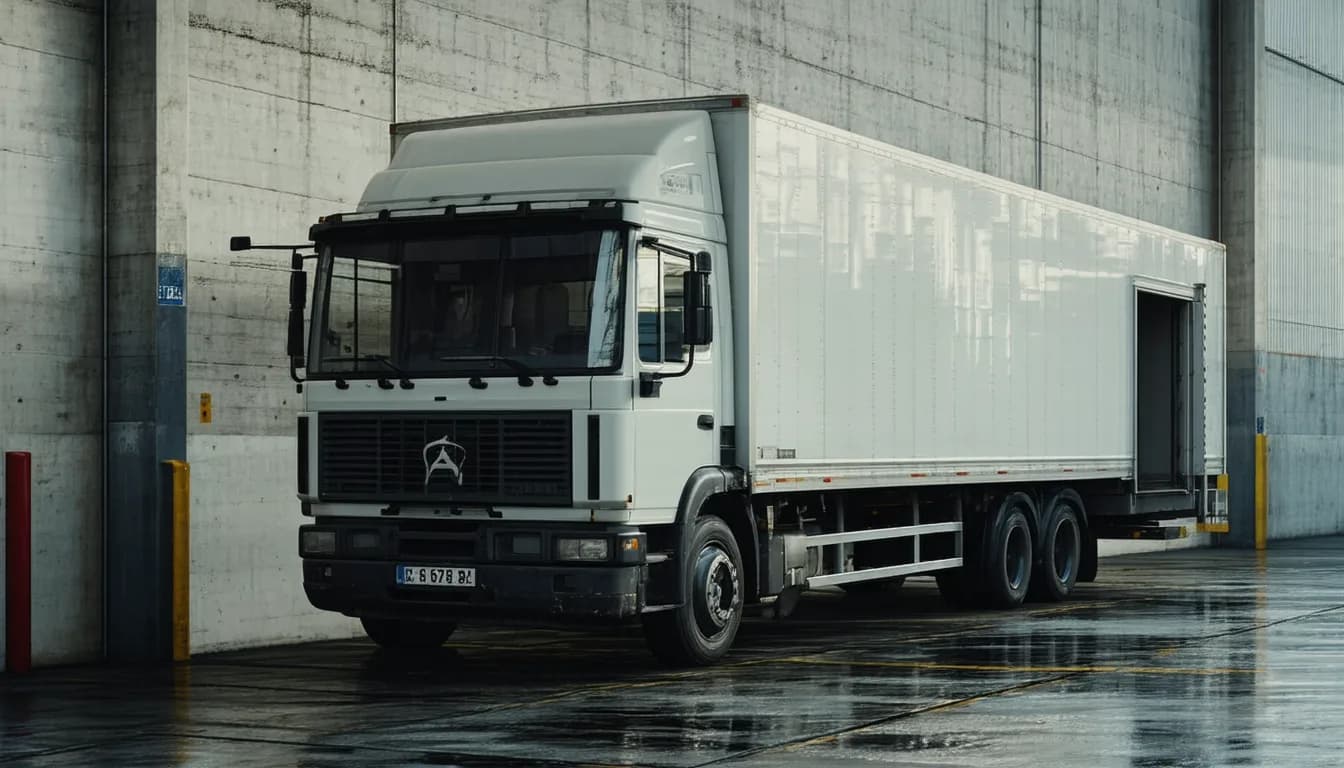
Liability is the part of a truck policy everyone holds and few have read, the section deciding whether the operator pays for the damage their vehicle causes or the insurer does. It covers what happens outside the truck: the clipped pedestrian, the flattened guard rail, the warehouse racking misjudged by two centimetres. The cover is rarely examined until an accident report lands on the desk. By then the wording, not the assumption, governs the bill.
What is truck liability insurance in South Africa?
Truck liability insurance in South Africa protects an operator when their vehicle causes injury or damage to other people or their property. It responds to third-party losses, a collision injuring a road user, damage to a warehouse, a forklift, or another party’s goods, rather than to damage to the operator’s own truck. It exists in several classes.
Key Takeaways
- Truck liability insurance covers damage and injury the vehicle causes to other people and their property, not damage to the operator’s own truck.
- It exists in several distinct classes, from third-party injury in a collision to damage caused to property outside a collision event.
- Motor Third Party Liability is the legally required minimum, covering injury or damage caused to others in an accident.
- Other classes respond to damage caused to property such as warehouse structures, loading docks, and clients’ goods.
- Exact class names, abbreviations, and scope vary by insurer, so the wording should be read rather than assumed from a label.
What Truck Liability Insurance Is
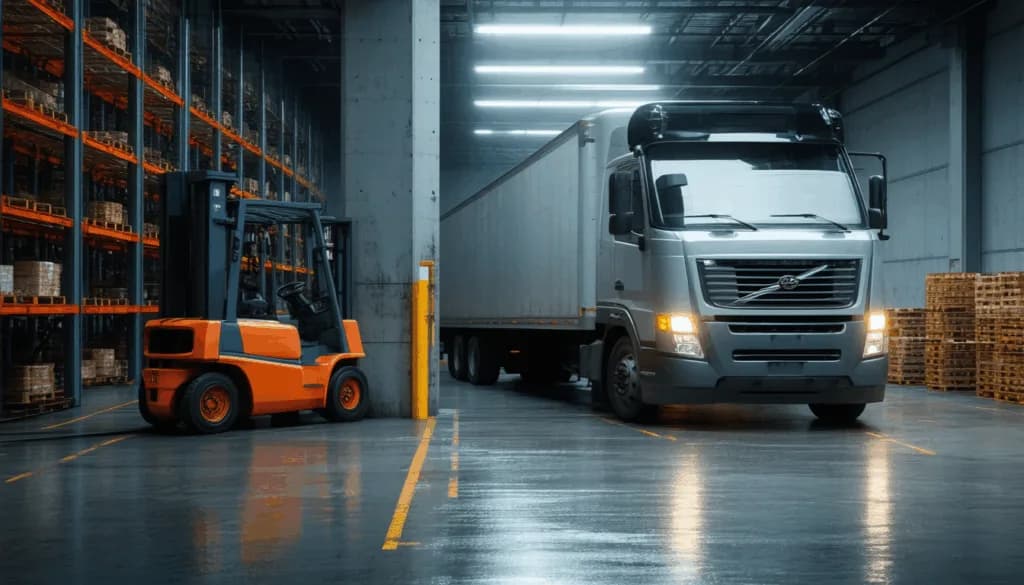
Truck liability insurance protects you when your vehicle causes damage to other people or their property. So, if your truck clips a pedestrian, flattens a guard rail, scrapes a warehouse pillar, bends a forklift or knocks over a pallet of somebody else’s stock, liability insurance steps in.
Without liability cover, the bill comes to you. And nothing ruins your day faster than being told you owe a warehouse R287,000 for a piece of racking your driver misjudged by two centimetres.
Liability is about protecting you from everything that happens outside your truck, not inside it.
Here is where people get confused.
There are many types of liability in transport, and every insurer abbreviates them differently. Let us break them down before your brain tries to escape.
The Five Types of Truck Liability Transporters Deal With
Most transporters assume liability is one thing. In reality, it arrives in categories.
1. Motor Third Party Liability (MTPL)
This is what the law requires. It covers injuries or damage caused to other people during an accident. It does not cover damage to your own truck. It protects everyone else from your driver’s bad day.
2. Motor Truck Liability (MTL)
This covers claims when your truck damages someone else’s property outside of collision events. Think about:
- warehouse walls
- toll gates
- goods belonging to clients
- forklifts
- loading docks
- racking systems
MTL is the liability that saves you from property damage invoices that arrive with unkind urgency.
3. Carrier Liability
This is the one that confuses most transporters. Carrier Liability covers your legal liability for goods that were entrusted to you for transportation. It does not automatically cover the goods. That is Goods in Transit. This protects you only when you are legally liable, which is not always the case.
Carrier Liability often sits quietly in the background until a client sends a lawyer’s letter.
4. Public Liability
This covers injury or damage caused by your operations but not necessarily by your truck. For example:
- a driver accidentally drops cargo on someone
- a visitor trips over a pallet during loading
- a forklift operator reverses into a client’s staff member
- diesel spills on a client’s yard surface
Public Liability protects your business name rather than the truck itself.
5. Goods in Care, Custody and Control (GCCC)
This is the cousin of Carrier Liability. It covers goods that are under your physical control even if you have not yet started the trip. For example:
- goods being loaded
- goods being offloaded
- goods in your warehouse for short periods
- goods being sorted
Transporters often do not realise they need this until after the claim.
The Difference Between MTL, MTC, GIT and Public Liability
If you ever felt like you needed a dictionary just to interpret your insurance schedule, here is the human translation.
If this still feels confusing, do not worry. It confuses most people who do not carry a briefcase full of insurance jargon for a living.
Why Industry Specific Liability Cover Is Essential
Every industry has a different risk profile.If you transport fuel, your biggest worry is fire.If you transport electronics, your biggest worry is hijacking.If you transport timber, your biggest worry is cargo shifting and crushing something.If you transport FMCG stock, your biggest worry is warehouse disputes.
Liability changes depending on what you carry and where you go.
Let us break down the major industries and why each one has its own liability landmines.
Truck Liability in Fuel Transport
Fuel transport is a special category because a mistake does not cost money. It costs everything.
Fuel transport liability requires:
- specialised loading procedures
- strict route planning
- hazardous materials certification
- approved tankers
- safety escorts in some areas
- emergency spill response
- environmental liability cover
- contamination cover
If a valve leaks even slightly, you may be liable for environmental cleanup that makes refurbishment quotes look cheap.
Insurers will ask very specific questions because risk here is not negotiable.
Specific liability in Fast-Moving Consumer Goods and Retail Distribution
FMCG has one big risk: loading and unloading damage.
Common claims include:
- forklift scrapes
- racking collapse
- warehouse floor cracks
- dented loading bays
- damaged stock due to handling
Retail chains have strict contracts. If something goes wrong on their site, they recover from you faster than a driver accelerates when he thinks he heard a turbo noise.
You need strong:
- MTL
- Public Liability
- GCCC
- Clear loading procedures
Truck liability in Electronic Goods Transport
Electronics are a hijacker’s dream.And insurers know this.
Liability risks here include:
- theft
- violent hijackings
- misdeclared stock value
- stock substitution disputes
You need:
- correct documentation
- proper load declarations
- escort requirements
- tracking that reports correctly
- client contracts aligned with your cover
Cheap insurance collapses instantly in this industry because the stakes are too high.
Specific liability in Timber and Agriculture Transport
Timber shifts.Grain spills.Farm roads are unpredictable.And agricultural clients know their tractors are priceless even if the paint is faded.
Liability risks include:
- shifting loads
- debris on roads
- damaged storage facilities
- damaged farm equipment
- contamination of grain or produce
You need:
- MTL
- Carrier Liability
- GIT
- Correct strapping procedures
Liability in Mining, Coal and Bulk Transport
Mining sites have liability risks that practically come with warning signs.
Risks include:
- damage to weighbridges
- collisions with mine equipment
- road damage inside sites
- damage from coal dust contamination
- strict safety rules
Mining liability claims are often large because mine property costs more than most people realise.
This is where MTL and Public Liability must be solid. No shortcuts.
Contractual Liability: The Trap Most Transporters Never See Coming
Transporters sign contracts with clients every day. Hidden inside those contracts are clauses that quietly shift liability to the transporter without them noticing.
Common examples:
- Indemnity clauses hidden in paragraph 14
- Penalties for late delivery
- Added liability for improper loading
- Requirements for specific liability limits
- Conditions regarding trailer hygiene
- Responsibility clauses for warehouse stock
If your policy does not match your contract, the claim becomes your problem, not the insurer’s.
This is why MBFS reads contracts before placing liability cover.
Depot, Yard and Loading Dock Liability
Many liability claims happen before the truck leaves the yard or after it arrives at its destination. Transporters often think insurance only applies once the truck is moving. That is not true.
Liability applies when:
- a forklift damages stock during loading
- cargo pierces packaging and damages client stock
- a driver scrapes a warehouse pillar
- a pallet jack damages a floor
- fuel leaks on site
- a driver injures a worker while reversing
These are some of the most common claims in the logistics industry.
Cross Border Liability
Everything becomes more complicated across the border.A motor accident in South Africa takes one phone call.A motor accident in Zimbabwe takes five calls, a police report, an interpreter and a small dose of courage.
Liability across the SADC region requires:
- knowledge of local laws
- correct documentation
- regional liability extensions
- controlled routes
- approved parking
- correct driver paperwork
Liability is not only higher. It is more complex.
Why Truck Liability Matters More Than People Think
A transporter can survive one truck loss.Very few can survive a R1.2 million liability bill.
Liability is financial shock. It arrives fast, without warning, and demands answers.
Most truck accidents are manageable.Liability claims are the ones that shut companies down.
The MBFS Approach to Specific Liability Cover
Liability is the part of your insurance that requires a broker who is awake, responsible and aware of how logistics actually works.
At MBFS, We Care means the following:
- We assess the actual risk, not the theoretical risk
- We check your contracts before recommending cover
- We review your routes and yard layout
- We align cover with your industry
- We find gaps you were not told about
- We check load declarations
- We ensure your liability limits match your real exposure
Liability only works when it is matched correctly to your operations. You deserve protection that works, not a policy that hides conditions.
Closing Thoughts: Liability Is Your Financial Seatbelt
Truck liability insurance protects your truck.Specific liability cover protects your company.
It keeps contracts intact, relationships healthy, invoices manageable and reputations clean. A transporter can survive a collision. Few survive a major liability claim without proper cover.
“You shouldn’t have to read your liability section for the first time when a warehouse hands you the bill for its racking. With Mont Blanc Financial Services you won’t.
Full trucks travel cheaper per load, so load consolidation changes both the risk and the premium.
Contact Mont Blanc Financial Services to confirm which truck liability classes your operation actually needs before an incident decides it for you.”
We Care.
This article is part of our complete guide to trucking insurance.
Frequently Asked Questions
What does truck liability insurance in South Africa cover?
Truck liability insurance in South Africa covers the injury and damage a truck causes to other people and their property, as distinct from damage to the operator’s own vehicle. If a truck injures a road user, damages a warehouse wall, scrapes a loading dock, or knocks over another party’s goods, liability cover responds to the resulting claim. It is the part of the policy that protects the operator from what happens outside the truck. The cover exists in several classes addressing different situations, from injury caused in a collision to property damage occurring outside a collision event, and the breadth depends on which classes the operator holds. Without it, the cost of third-party damage falls directly on the business, and those figures can be substantial. The essential point is that liability and own-damage cover are separate: a policy can protect the truck itself while leaving the operator exposed to third-party claims, or the reverse. Reading which liabilities the policy actually covers is what reveals where the exposure sits.
What is the difference between truck liability insurance and goods in transit cover?
Truck liability insurance and goods in transit cover protect against different exposures and should not be assumed to overlap. Liability cover responds when the truck causes injury or damage to other people or their property, a pedestrian, a structure, another party’s equipment, addressing the operator’s responsibility for third-party loss. Goods in transit cover, by contrast, protects the cargo being carried against loss or damage in transit, regardless of whether the truck caused harm to anyone else. The two answer separate questions: liability asks what the truck did to others, while GIT asks what happened to the load. An operator can face a claim under one without the other, and holding only one leaves a gap. For example, a hijacking that removes a client’s cargo is a GIT matter, while a collision injuring another driver is a liability matter. Understanding that these are distinct covers, each needed for its own scenario, prevents the common error of assuming a single policy section answers both.
Is truck liability insurance in South Africa a legal requirement?
Motor Third Party Liability, the class covering injury or damage caused to others in an accident, is the legally required minimum for trucks in South Africa, while broader liability classes are commercial rather than statutory. The legal requirement reflects the principle that a vehicle causing harm to other road users must carry cover for that harm, protecting third parties rather than the operator’s own assets. Beyond this minimum, operators commonly need additional liability classes to cover property damage outside collisions, damage to clients’ goods, and other scenarios that the basic requirement does not reach. These broader classes are not mandated by law but are often essential in practice, given the scale of damage a truck can cause. Relying on the legal minimum alone can leave significant exposure, since many real-world liability events fall outside its scope. The distinction to keep in mind is between what the law requires and what the operation actually needs, which are rarely the same figure. The wording defines which liabilities are covered.
What truck liability insurance classes do operators in South Africa need?
The liability classes a truck operator needs in South Africa depend on the operation, but they generally extend beyond the legally required third-party minimum. Motor Third Party Liability covers injury and damage to others in a collision and is the statutory baseline. Beyond it, operators commonly require cover for damage their vehicle causes to property outside collision events, warehouse structures, loading docks, racking, and forklifts, and for liability relating to clients’ goods. Other classes address public liability and carrier-related exposures. The exact names, abbreviations, and scope of these classes vary between insurers, which is a frequent source of confusion, so an operator should not assume a label means the same thing across policies. The practical approach is to identify the liability scenarios the operation realistically faces and confirm, in the wording, that the policy covers them. Presenting any single insurer’s class structure as universal is misleading. What matters is whether the cover held matches the liabilities the operation can actually incur, read in the policy rather than assumed.

Nicola Iozzo
Founder & CEO, Mont Blanc Financial Services
Nicola has spent his career reading the policy wording most people skip, and writes here so you don't discover at claim stage what page 14 meant.
This blog is here to inform, not advise. Think of it as a guidebook, not a contract. For decisions affecting your world, have a chat with your broker or financial professional.
Mont Blanc Financial Services (PTY) Ltd. is an authorised financial services provider. FSP 8271