General Commercial Insurance
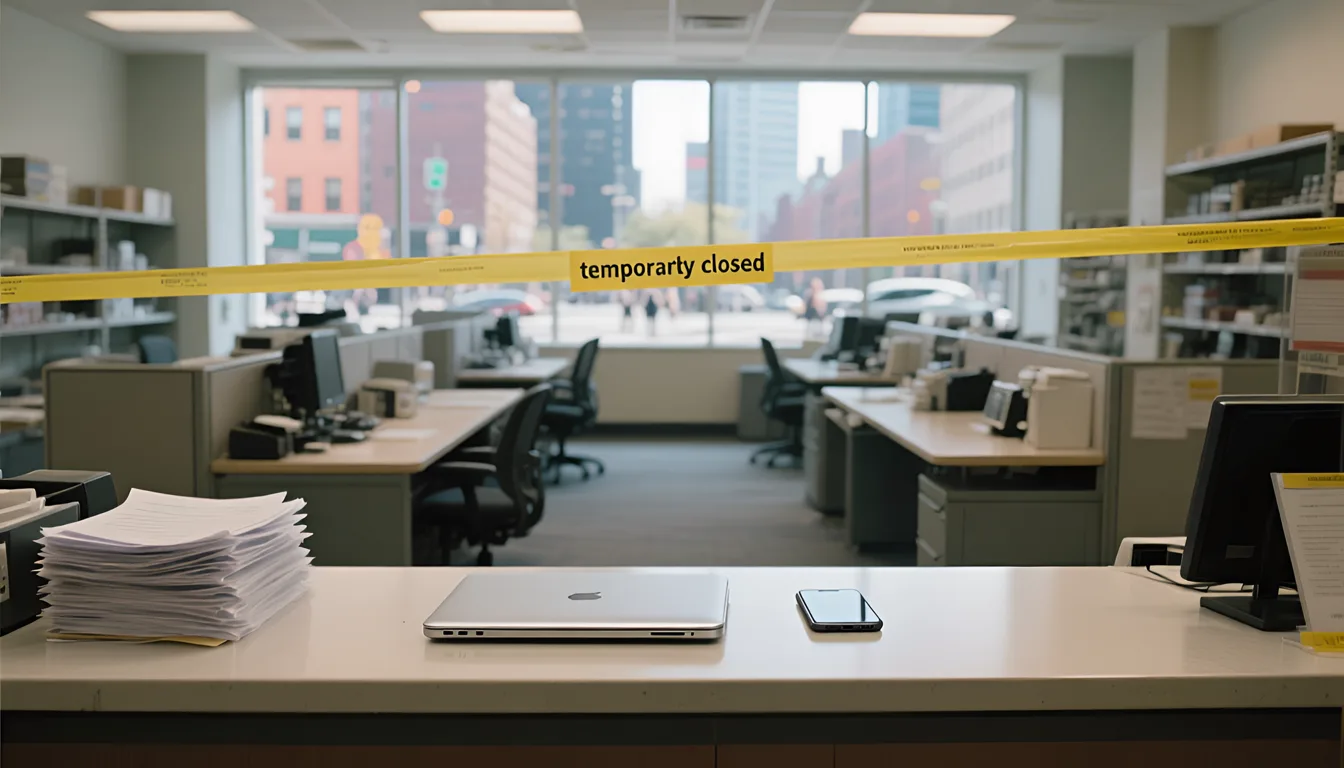
Your business runs smoothly, until something stops it. A fire alarm goes off. The computer system won't come back on. A letter arrives from a customer's attorney. The incident itself is rarely the real problem. The real problem is what it shows: how much of your business depended on things carrying on as normal. You look at your policy schedule, wondering which part of it is meant to help now...
What is general business insurance?
General business insurance is the set of covers a business leans on when things go wrong. It's made up of separate parts. Each part covers a different risk, like fire, lost income, claims from others or a cyber attack. Together, they stop one bad event from becoming a permanent loss.
Key Takeaways
- General business insurance is a set of separate covers, each for a different risk.
- One cover fixes what's damaged. Another pays the income you lose.
- Liability covers deal with claims from customers, staff and others.
- Specialist covers deal with cyber, goods in transit, money and staff dishonesty.
- The sums insured and limits need a review every year, as the business changes.
How general business insurance fits together

Most businesses face the same handful of risks. Each has its own kind of cover.
If the list of covers feels long, that's understandable. Many owners only find the gaps after a claim.
General business insurance: which cover answers which risk
| Risk | Usual cover |
|---|---|
| Fire, storm or theft damage to buildings and contents | Property cover |
| Lost income while you can't trade | Business interruption |
| A visitor is hurt, or their property damaged | Public liability |
| A product you sold causes harm | Product liability |
| A staff member is injured at work | Compensation Fund, plus employers' liability |
| A client loses money from your advice | Professional indemnity |
| A cyber attack or data breach | Cyber insurance |
| Goods damaged on the road | Goods in transit |
So list your main risks, and check each one has a cover.
Property and building cover
Property cover pays for physical loss or damage to your buildings, contents, stock and equipment. It usually covers fire, storm, flood, theft and other insured events.
The most important number is the sum insured. It should match what it would cost to rebuild or replace, not what you paid. If it's too low, the average clause cuts every claim in proportion.
The property topics to know:
Riots and unrest are a separate risk. SASRIA covers them through its material damage cover, added through your property policy.
So ask for a professional valuation every few years, and update the sum insured at every renewal.
Business interruption cover
Business interruption cover pays the income you lose while you can't trade after an insured event. It helps with costs that carry on, like rent, salaries and loan repayments.
Property cover repairs the building. Lost income cover keeps the business going while that happens.
The indemnity period, which is how long the cover pays, should match a realistic recovery. That often means 18 or 24 months, not 12.
Ask your broker how lost income cover treats cyber downtime.
So set the sum insured on your expected gross profit, and review it every year.
Liability covers
These covers pay when someone says your business harmed them.
- Public liability covers harm to visitors and damage to their property.
- Product liability covers harm caused by goods you sell.
- Employers' liability covers staff claims that the Compensation Fund leaves open.
- Professional indemnity covers money losses from your advice or design.
No law says you must have it. But many leases and contracts require it. Under the Consumer Protection Act, suppliers can be liable for harm from unsafe goods, even without negligence.
Here's each one:
- How the liability covers fit
- Cover for harm to visitors
- Cover for goods you sell
- Cover for staff claims
- Cover for advice and design work
So check your leases and contracts for the limits they require.
Specialist covers
Many businesses also need cover for risks that standard sections leave out.
- Cyber insurance covers data breaches, ransomware and the cost of recovering systems. If data is stolen, you must tell the Information Regulator and the people affected. That's the law under POPIA.
- Goods in transit covers stock and equipment on the road.
- Solar and electronic cover can protect panels, inverters and computers against surges and theft.
- Money cover protects cash on the premises and in transit.
- Fidelity cover protects against theft by staff.
- Directors and officers cover protects directors against claims about how they ran the company.
- Commercial vehicle cover protects the vehicles the business uses.
The specialist covers include:
So ask your broker which of these your business needs.
Buying, claiming and reviewing general business insurance
Buying. The premium is worked out from your trade, sums insured, turnover, claims history, security and location. The same factors set the price of business insurance for SMEs. Don't wait to be told about important terms, like exclusions and the excess. Insurers must explain them before you buy if you're an individual, or a business with assets or yearly turnover under R2 million. That comes from the policyholder protection rules. Bigger businesses should ask.
Terms. Every policy has an excess, exclusions and conditions.
Contracts. Leases, banks and clients often require proof of cover. Whether business insurance is mandatory is a separate legal question.
Claiming. Report losses quickly, keep evidence and don't repair before the insurer inspects. Those are early steps in the business insurance claims process.
If a claim is refused and you disagree, the National Financial Ombud reviews short-term insurance complaints free of charge.
So review your full set of covers with your broker at every renewal.
Closing Reflection
This time, the fire alarm still goes off. But at your last renewal, your broker went through each section of the schedule with you. The building is insured at today's rebuild cost. Business interruption pays for 18 months. Public and product liability carry the limits your lease and your biggest client require. The cyber section covers the computer system. You phone your broker that morning. You look at your policy schedule again, and this time you know which part of it helps now...
You shouldn't have to find out which cover you were missing after the business has already stopped. A Mont Blanc broker can go through your commercial cover with you and find the gaps before your next renewal.
Contact Mont Blanc Financial Services to build a set of covers that matches how your business runs today.
Nicola Iozzo
Founder & CEO, Mont Blanc Financial Services
Nicola has spent his career reading the policy wording most people skip, and writes here so you don't discover at claim stage what page 14 meant.
This blog is here to inform, not advise. Think of it as a guidebook, not a contract. For decisions affecting your world, have a chat with your broker or financial professional. Mont Blanc Financial Services works to keep this content accurate and current, but isn’t liable for decisions made on it alone.
General information, not financial advice. Mont Blanc Financial Services (Pty) Ltd is an authorised financial services provider, FSP 8271.