Employers’ Liability Insurance

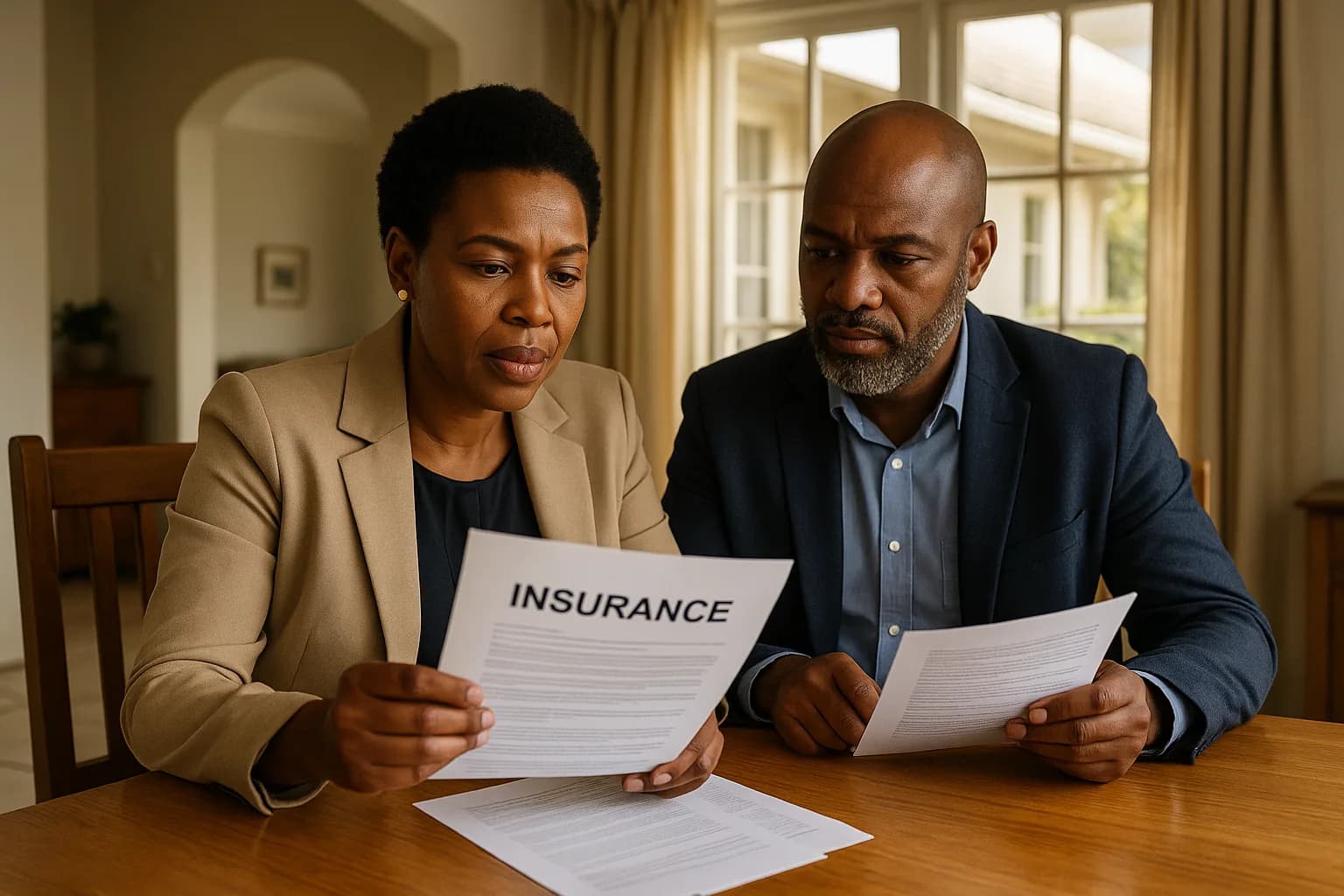
A workplace injury starts as a practical matter, is the person safe, has help been arranged, is the incident form done, and feels handled. Then a letter arrives that does not ask how the employee is. It asks about training, supervision, and the safety procedures in place before the injury. At that point the issue is no longer the incident; it is whether the business met its responsibility.
What is employers’ liability insurance?
Employers’ liability insurance protects a business when an employee brings a civil claim against it for injury, illness, or death linked to their work. It responds to legal defence costs, court proceedings and expert reports, and settlements or damages awarded. The claim typically alleges the harm could have been prevented through proper training, supervision, equipment, or working conditions.
Key Takeaways
- Employers’ liability insurance responds when an employee brings a civil claim alleging that work-related injury, illness, or death could have been prevented.
- Cover typically includes legal defence costs, court proceedings and expert reports, and settlement amounts or damages awarded.
- The business does not need to agree with the allegation for costs to begin, since the legal process starts early.
- The law expects reasonable care: a safe environment, appropriate equipment, adequate training, and management of known risks.
- The standard is reasonableness, not perfection, so responsibility may follow where harm could reasonably have been avoided.
- Its interaction with the statutory workplace-injury compensation scheme is nuanced and should be confirmed for any specific business.
What Employers’ Liability Insurance Covers

Employers’ liability insurance protects you when an employee brings a civil claim against you for injury, illness, or death linked to their work.
Cover typically responds to:
- Legal defence costs
- Court proceedings and expert reports
- Settlement amounts or damages awarded
These claims arise when an employee alleges that injury or illness could have been prevented through proper training, supervision, equipment, or working conditions.
You do not need to agree with the allegation for cost to begin. Legal process starts early. Employers’ liability cover absorbs this pressure while responsibility is tested.
Why Employers Carry Legal Responsibility
When people work for you, the law expects reasonable care.
That includes:
- Providing a safe working environment
- Supplying appropriate equipment
- Offering adequate training
- Managing known risks
The standard is not perfection. It is reasonableness.
If harm could reasonably have been avoided, responsibility may follow. Employers’ liability insurance does not remove this duty. It supports you when that duty is challenged through legal action.
Employers’ Liability and COIDA
Where One Ends and the Other Begins
When an employee is injured or becomes ill at work, most employers think first of COIDA.
That makes sense. The Compensation for Occupational Injuries and Diseases Act (COIDA) provides statutory compensation for employees who suffer work-related injury or illness. It covers medical costs and, in some cases, compensation for temporary or permanent disability. It operates without fault. An employee does not need to prove negligence to receive benefits.
COIDA addresses compensation.
What it does not always address is legal responsibility.
Employers’ liability insurance comes into play when an employee brings a civil claim against you as the employer. This happens when the employee alleges that injury or illness could have been prevented through proper training, supervision, equipment, or workplace controls. It may also arise when COIDA benefits do not fully address the loss suffered.
In practical terms, this is where employers often feel caught off guard.
You may have complied with COIDA requirements. You may have submitted reports correctly. You may believe the matter is closed. Then a legal letter arrives asking different questions. Not about eligibility for compensation, but about safety measures, risk management, and duty of care.
COIDA does not prevent all civil claims. Employers’ liability insurance responds when responsibility is examined beyond statutory compensation.
The two covers do not compete. They address different outcomes.
COIDA supports the employee.Employers’ liability protects you when legal responsibility is alleged.
Understanding where one stops and the other begins allows you to respond calmly when an incident moves from internal process into legal scrutiny.
How Employers’ Liability Claims Develop
Claims do not always begin with an accident report.
Some develop over time:
- Repetitive strain injuries
- Occupational illness
- Long-term exposure to hazardous conditions
Others arise from a single incident. In both cases, the pattern is similar. Medical opinion follows. Legal questions appear. Documentation is requested. Timelines stretch.
Employers’ liability cover supports you through that process, not just at the end of it.
Who Needs Employers’ Liability Insurance
If people work for you, exposure exists.
This applies to:
- Offices
- Retail businesses
- Factories
- Construction and contracting firms
- Transport operations
- Farms
- Domestic employers
The size of your workforce does not remove responsibility. Neither does good intention.
Where Employers’ Liability Cover Stops
Employers’ liability insurance does not respond to:
- Statutory COIDA payments
- Intentional harm
- Fines or penalties
- Claims unrelated to employment
Knowing where cover stops prevents false comfort at the wrong moment.
We work alongside businesses across South Africa that employ people in a wide range of environments. That work involves reviewing employers’ liability exposure, clarifying where responsibility sits when injury or illness occurs, and supporting clients when matters move beyond internal process and into legal action.
The questions below come from those situations. They reflect how employers’ liability cover responds in practice when responsibility is examined.
The full picture lives in our guide to general liability insurance.
Frequently Asked Questions
What does employers’ liability insurance cover?
Employers’ liability insurance covers a business when an employee brings a civil claim against it for injury, illness, or death connected to their work. The cover typically responds to the legal defence costs, the court proceedings and expert reports a claim requires, and any settlement amounts or damages awarded. These claims arise when an employee alleges that their injury or illness could have been prevented through proper training, supervision, equipment, or working conditions, in other words, that the employer fell short of its duty of care. An important feature is that the business does not need to agree with the allegation for costs to begin, since the legal process starts early and generates expense regardless of the eventual finding. Employers’ liability cover absorbs that pressure while responsibility is tested. It is distinct from cover for the public or for products, addressing specifically the relationship between a business and the people who work for it. For any business with employees, this exposure exists wherever a work-related injury could be attributed to a failure of reasonable care.
How does employers’ liability insurance relate to workplace injury compensation in South Africa?
The relationship between employers’ liability insurance and South Africa’s statutory workplace-injury compensation scheme is nuanced and important to understand correctly. South Africa operates a compensation fund that addresses workplace injuries through a no-fault statutory system, and the interaction between that scheme and a civil employers’ liability claim is legally specific. In broad terms, the statutory scheme and civil liability cover address the exposure differently, and what an employer remains exposed to after the statutory scheme applies is exactly the kind of question that determines whether employers’ liability cover is needed and how it responds. Because this interaction is governed by legislation and has significant practical consequences, the precise position should be confirmed against current guidance from the Department of Employment and Labour rather than assumed. The key point for an employer is not to assume the statutory scheme removes all exposure; the civil liability dimension can remain. Understanding where the statutory cover ends and where employers’ liability insurance becomes relevant is essential, and given the legal complexity, professional confirmation of the current position is the sound approach.
Why do employers carry legal responsibility for workplace injuries?
Employers carry legal responsibility for workplace injuries because the law expects reasonable care toward the people who work for them. This duty includes providing a safe working environment, supplying appropriate equipment, offering adequate training, and managing known risks. When an employee is harmed and alleges that the employer failed in one of these areas, a civil claim can follow. The standard applied is reasonableness rather than perfection: the question is not whether the workplace was flawless, but whether the employer took the reasonable steps expected to prevent foreseeable harm. If harm could reasonably have been avoided through proper care, responsibility may attach. Employers’ liability insurance does not remove this duty, an employer still must take reasonable care, but it supports the business financially when the duty is tested through a claim. This is why the responsibility is framed around reasonableness: it gives employers a clear, if demanding, standard to meet, and it defines the basis on which a liability claim will be judged if an injury leads to legal action.
Does a business need employers’ liability insurance if it follows safety rules?
A business benefits from employers’ liability insurance even when it follows safety rules carefully, because a claim generates cost and legal process regardless of whether the business ultimately met its duty. When an employee alleges that a work-related injury could have been prevented, the legal process begins early, examining training, supervision, equipment, and procedures, and that process incurs defence costs and expert reports before any finding on responsibility is made. A business that acted reasonably can still face the expense and disruption of defending the claim. Employers’ liability cover absorbs exactly this pressure while responsibility is tested, which is its core value. Following safety rules reduces the likelihood and strength of claims, but it does not prevent claims from being brought, and the reasonableness standard means disputes can still arise over whether enough was done. The cover therefore protects against the cost of the process itself, not only against a finding of liability. For any business with employees, that protection applies whether or not its safety practices were sound.
Closing Reflection
Employment creates shared purpose. It also creates shared risk.
Most working days pass without incident. Responsibility becomes visible only when something goes wrong. What matters then is not intention, but preparation.
Employers’ liability insurance allows responsibility to be addressed without placing the business under unnecessary strain. It supports people and process at the same time.
You shouldn’t have to fund a legal defence over a workplace injury while the question of responsibility is still being argued. With Mont Blanc Financial Services you won’t.
Contact Mont Blanc Financial Services to confirm how your employers’ liability cover sits alongside your statutory obligations before a claim tests it.

Nicola Iozzo
Founder & CEO, Mont Blanc Financial Services
Nicola has spent his career reading the policy wording most people skip, and writes here so you don't discover at claim stage what page 14 meant.
This blog is here to inform, not advise. Think of it as a guidebook, not a contract. For decisions affecting your world, have a chat with your broker or financial professional.
Mont Blanc Financial Services (PTY) Ltd. is an authorised financial services provider. FSP 8271