Solar insurance for commercial and home installations
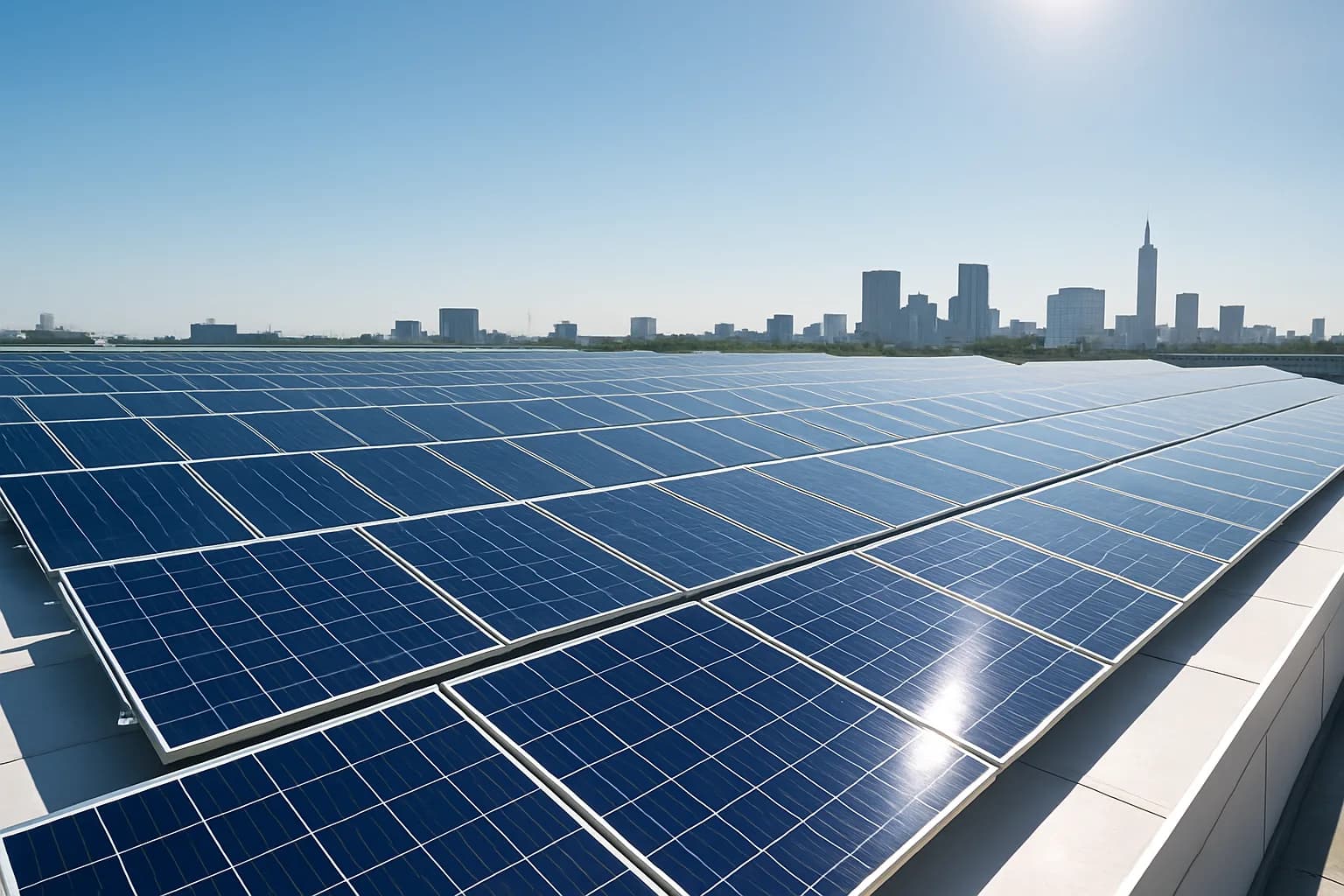
The panels went up in March, the installer certified the work, and the system ran without incident for four months. Then a thunderstorm moved through the Highveld and the surge took out two inverters and a battery bank. The property owner opened his buildings policy expecting a straightforward claim. The insurer's response pointed at two words in the wording: "permanently fixed electrical installations." The panels qualified. The inverters and batteries, mounted in the garage rather than hardwired into the DB board, did not. The shortfall was R84,000 and the discovery arrived after the event, the worst possible time to learn what a policy says.
What is solar insurance?
Solar insurance is cover responding specifically to the physical assets making up a solar energy system: photovoltaic panels, the inverter converting DC to AC power, the battery bank storing that power, the cabling and monitoring equipment, and the mounting structure. A standard buildings or contents policy may pick up some of these components, but rarely all of them, and often not at the values needed to replace current-generation equipment. Solar insurance fills that gap, either as a standalone policy or as a scheduled extension to an existing commercial or personal lines policy.
Key Takeaways
- Standard property policies often exclude or underpay solar equipment because the components span the definitions of fixed installation, movable asset, and electronic equipment simultaneously.
- Solar insurance can be structured as a standalone policy or as an extension to an existing commercial property or home owners policy, depending on the system's scale and how it is mounted.
- The three most common causes of solar claims in South Africa are lightning and power surge, theft of panels and batteries, and mechanical or electrical breakdown of inverters.
- A commercial installation, typically anything above 10 kWp, carries additional risks around grid compliance, liability for exported power, and Business Interruption exposure that a home policy can't address.
- Underinsurance is the leading reason solar claims settle for less than the full replacement cost, because installation prices and battery technology costs have changed faster than most policies have been renewed.
Why standard property policies leave solar systems exposed

Most property policies were written before rooftop solar was a common feature of South African buildings, and the definitions haven't kept pace with what is now sitting on millions of rooftops and in garages across the country. The core problem is that a solar system doesn't fit neatly into any single category a traditional policy uses.
Panels bonded to a roof structure read as a fixed improvement to the building. An inverter bolted to a wall in a separate outbuilding may or may not qualify as a fixed electrical installation depending on how the insurer's wording defines that phrase. A lithium-ion battery bank, often free-standing, sometimes on wheels, and replaceable as a unit, can be treated as contents, as a specified item, or excluded altogether under an electronic equipment carve-out. A single system can span three policy categories, and coverage under each one may carry different sums insured, different excesses, and different conditions.
The FSCA's conduct standards for non-life insurers require that policyholders are treated fairly and given adequate disclosure of what a policy covers. That obligation sits with the insurer and the intermediary at point of sale, but in practice many solar installations are added to existing properties without anyone revisiting the policy at all.
The three perils most likely to produce a solar claim
Lightning and power surge is the dominant cause of solar claims in South Africa. The country records among the highest lightning strike densities in the world, concentrated in Gauteng, Mpumalanga, and KwaZulu-Natal between October and April. A direct strike to the array is unusual; the more common event is an induced surge travelling through the grid or through the earthing system, which destroys the inverter's power electronics without leaving any visible mark on the panels. Replacement cost for a mid-range hybrid inverter runs between R15,000 and R35,000. A battery bank hit by the same surge can run to R80,000 or more depending on the chemistry and capacity.
Theft is the second most reported cause. Panels are bolted to frames and can be removed in under twenty minutes with the right tools; batteries are portable by design. In areas with high cable theft rates, the DC cabling between the array and the inverter is also at risk. A standard home contents policy covers theft of portable items up to a specified sublimit; that sublimit is almost never set at solar-equipment replacement values, because nobody had solar equipment in mind when the policy was written.
Mechanical and electrical breakdown of the inverter is the third. Inverters carry manufacturer warranties of five to ten years, but warranty claims require the manufacturer to agree the failure was a defect rather than an installation error or a voltage event. A standalone breakdown endorsement, a specific addition to the policy covering electrical or mechanical failure not caused by an external peril, is the cover paying where the warranty doesn't.
Common solar claim types and the cover responding to each
| Claim type | Standard buildings cover | Standard contents cover | Solar extension or endorsement |
|---|---|---|---|
| Lightning damage to panels | Sometimes | Rarely | Yes |
| Power surge to inverter | Rarely | Rarely | Yes |
| Theft of panels | Sometimes | Sublimit only | Yes, at full replacement value |
| Theft of battery bank | No | Sublimit only | Yes |
| Inverter breakdown (no external cause) | No | No | Yes, with breakdown endorsement |
| Storm damage to mounting structure | Yes (if fixed) | No | Yes |
| Liability for exported power fault | No | No | Separate liability section |
How commercial solar installations differ from home systems
A commercial installation introduces three risks a home policy can't address: grid compliance exposure, Business Interruption, and third-party liability for exported power.
Grid compliance exposure arises because any system feeding surplus power back into the municipal grid must comply with the South African Grid Code and the relevant municipal by-laws. A system exporting non-compliant power, because the inverter has failed silently or has been replaced with a unit not on the approved list, can cause damage to neighbouring premises. The business owner may face a municipal penalty and a civil claim simultaneously. A standard commercial property policy covers the business's own assets; it doesn't cover third-party damage arising from the system's malfunction.
Business Interruption (BI, meaning cover for trading income lost while the business can't operate) exposure is the one most businesses miss. A commercial solar installation isn't decoration; it is part of the energy infrastructure the operation depends on. A food producer running cold storage on a solar-backed system faces spoilage and lost production if the inverter fails during peak summer heat. A data centre running critical servers on solar backup faces downtime costs if the battery bank is stolen on a Friday evening. The BI cover under a general commercial insurance policy responds to physical damage to insured assets interrupting trading; if the solar system isn't a scheduled asset, the interruption it causes isn't a covered interruption.
SAIA's published risk guidance for commercial property increasingly addresses embedded generation assets, and underwriters are asking whether solar installations are declared on the schedule. An undeclared system can void the commercial property policy entirely if the insurer argues the material change in risk wasn't disclosed.
Setting the right sum insured for solar equipment
Underinsurance is the most predictable failure in solar claims. The problem is structural: solar panel prices have fallen steeply while inverter and battery prices have moved in the opposite direction, driven by lithium iron phosphate (LFP) chemistry costs and the rand's trajectory against the dollar. A system installed in 2021 at a total replacement cost of R180,000 may cost R260,000 to replace like-for-like today, because the battery technology has improved and the current generation isn't backwards compatible with the old system's wiring.
The average clause, the mechanism a non-life insurer applies when the sum insured is lower than the actual replacement cost, cuts the claim proportionally. A system insured for R180,000 with a replacement cost of R270,000 is insured to two-thirds of value. A R90,000 claim settles at R60,000. The missing R30,000 isn't a negotiating point; it is arithmetic, following directly from the sum insured chosen at policy inception.
The correct approach is to obtain an updated installer's quote for the full system at current replacement prices every twelve months. New-for-old replacement wording, rather than indemnity value, is the preferred basis for solar equipment because second-hand components are rarely available or compatible.
What a properly structured solar insurance policy looks like
A policy built for a solar installation should schedule each major component separately: the panel array by total watt-peak and current replacement cost per panel, the inverter or inverters by model and current retail price, the battery bank by chemistry type and kilowatt-hour capacity, the mounting structure, and the monitoring system. Cabling is typically covered under the fixed installation section but should be explicitly confirmed.
The perils section should confirm cover for lightning and induced surge, storm and hail, theft, accidental damage, and, under a separate breakdown endorsement, mechanical and electrical failure. For a commercial system, a liability section covering third-party damage caused by the system's malfunction or exported power isn't optional; it is the clause deciding whether a municipal complaint becomes a manageable claim or an uninsured civil matter.
For home installations, the simplest structure is a solar extension rider added to the existing home owners and home contents policy, with the components listed as specified items under the all-risk section. The FSCA requires that the policyholder receive a summary of material terms at inception; ask your broker to confirm in writing that the extension covers the inverter and battery bank at new-for-old replacement value, not at the building sum insured's rate.
For a commercial installation above 10 kWp, a standalone engineering policy or a plant all-risk policy is often more appropriate. These policies are built for mechanical and electrical plant, not for buildings, and they carry the breakdown cover and the replacement-cost basis a solar system needs. They can be endorsed for BI cover and for the grid-compliance liability exposure described above.
What happens when the system stops working

A solar installation is one of the few assets a South African business or household acquires with the specific expectation it will reduce dependence on an unreliable grid. That reasoning is sound. What doesn't follow automatically is that the new system is insured for what it would cost to replace it, under perils specific to what it does. The policy covering the building before the panels went up wasn't designed for them, and it hasn't redesigned itself since. Getting the cover right is a one-afternoon job. Discovering it was wrong takes considerably longer, and costs more.
You shouldn't have to find out at claim time that your inverter wasn't covered, your battery bank was treated as contents, and the sum insured was set three years ago before LFP battery prices moved. With Mont Blanc Financial Services you won't.
Contact Mont Blanc Financial Services to have your solar installation assessed, properly scheduled, and insured at current replacement values before the next storm season starts.
The questions below cover what business owners and homeowners ask most often when they start looking seriously at solar insurance, particularly around what standard policies miss and what a proper extension should include.
Frequently Asked Questions
Does my existing home owners policy cover my solar panels for solar insurance purposes?
Most home owners policies extend to panels permanently fixed to the roof structure, because the policy defines those as improvements to the building. The problem is the rest of the system. An inverter mounted inside a garage or outbuilding may fall outside the buildings definition if the insurer treats it as movable plant. A battery bank sitting on a floor bracket is almost certainly treated as contents, which means it is subject to the contents sum insured and any sublimit applying to electronic equipment. Lightning and surge damage to the inverter is the most common claim, and many standard home policies exclude or limit surge damage unless a specific surge extension has been added. The safest approach is to list the inverter and battery bank as specified items under the all-risk section of your home policy, confirm the perils in writing with your broker, and ensure the sum insured reflects current replacement cost rather than what you paid in 2022. Your broker can request a confirmation of cover letter from the insurer naming each component and the basis of settlement, which removes ambiguity before a claim arises.
What does solar insurance cost for a home installation in South Africa?
The premium for a solar extension on a home policy depends on the replacement value of the system, the location and security of the property, and the perils covered. For a mid-range home installation, typically a 5 kWp array with a hybrid inverter and a 10 kWh battery bank at a current replacement cost of around R120,000 to R180,000, the additional annual premium for a properly structured extension runs broadly between R1,800 and R4,500 per year. That range shifts depending on whether the policy is new-for-old or indemnity basis, whether breakdown cover is included, and the excess structure chosen. A system in a high-theft area or in a lightning-prone province will sit toward the upper end. The premium is a fraction of the cost of replacing a battery bank after a surge. Your broker should run the comparison against the cost of a single inverter replacement so you can see the gap, and that conversation should happen before the storm season rather than after it.
Is solar insurance different for a commercial installation?
Yes, materially so. A commercial installation above roughly 10 kWp introduces risks a home policy can't address, including Business Interruption cover for the production or trading income depending on the system, third-party liability for damage caused by exported or non-compliant power, and grid compliance exposure under NERSA and municipal by-laws. Commercial solar systems are more appropriately insured under a plant all-risk or engineering policy, built for mechanical and electrical plant, carrying breakdown cover as standard, and extendable for BI and liability. The sum insured must reflect full replacement cost for the current generation of equipment, because a like-for-like replacement often requires updated components not backwards compatible with the original wiring. A commercial property policy not specifically scheduling the solar installation may not respond to a loss at all if the insurer argues the installation was a material change in risk not disclosed at renewal. Your broker should review the policy schedule at each renewal to confirm the system is declared and the sum insured has been updated to reflect current prices.
Does solar insurance cover theft of panels and batteries?
Yes, provided the policy is structured correctly. Theft cover for solar equipment should be listed explicitly in the policy schedule rather than assumed under a general contents or buildings section. Panels fixed to a roof can be removed in under twenty minutes; batteries and portable backup units are designed to move. A general contents theft sublimit, often set at R5,000 to R20,000 for a home policy, isn't adequate for a battery bank costing R80,000 or more. A solar extension or standalone solar policy specifies each component at its replacement value and covers theft as a named peril. For commercial installations, the loss adjuster will assess whether adequate physical security measures were in place; a system with no access control, no monitoring, and no alarm is likely to face questions about whether reasonable precautions were taken, which can affect the claim outcome. Ask your broker to confirm the security conditions attached to the theft peril before the policy incepts, so you know what the insurer expects you to maintain.
What is a breakdown endorsement and does my solar system need one?
A breakdown endorsement is a specific addition to a policy covering the cost of repairing or replacing a piece of mechanical or electrical equipment failing due to an internal fault, rather than because of an external event such as a fire or a storm. Inverters are the component most likely to fail this way: a capacitor degrades, a firmware fault causes the unit to overvolt, or a cooling fan fails and the unit overheats. The manufacturer's warranty may cover this in the first five years, but warranties require the manufacturer to agree the failure was a defect rather than an installation issue or a voltage event, and that process can take months and may result in a rejection. A breakdown endorsement on your solar policy pays the replacement cost without that argument. For a system with a battery bank, breakdown cover on the battery management system is equally useful. Not every solar extension includes breakdown cover automatically; confirm with your broker that it is included by name in the policy schedule, and check whether the endorsement carries a separate excess from the main policy.

Nicola Iozzo
Founder & CEO, Mont Blanc Financial Services
Nicola has spent his career reading the policy wording most people skip, and writes here so you don't discover at claim stage what page 14 meant.
Everything on this blog is written to inform and educate. It is for information only. Nothing here is professional legal, financial, or technical advice. If you are making a significant business decision, speak to a qualified professional first. Mont Blanc Financial Services works hard to keep this content accurate and current, but is not liable for decisions made based on what you read here.
Mont Blanc Financial Services (PTY) Ltd. is an authorised financial services provider. FSP 8271