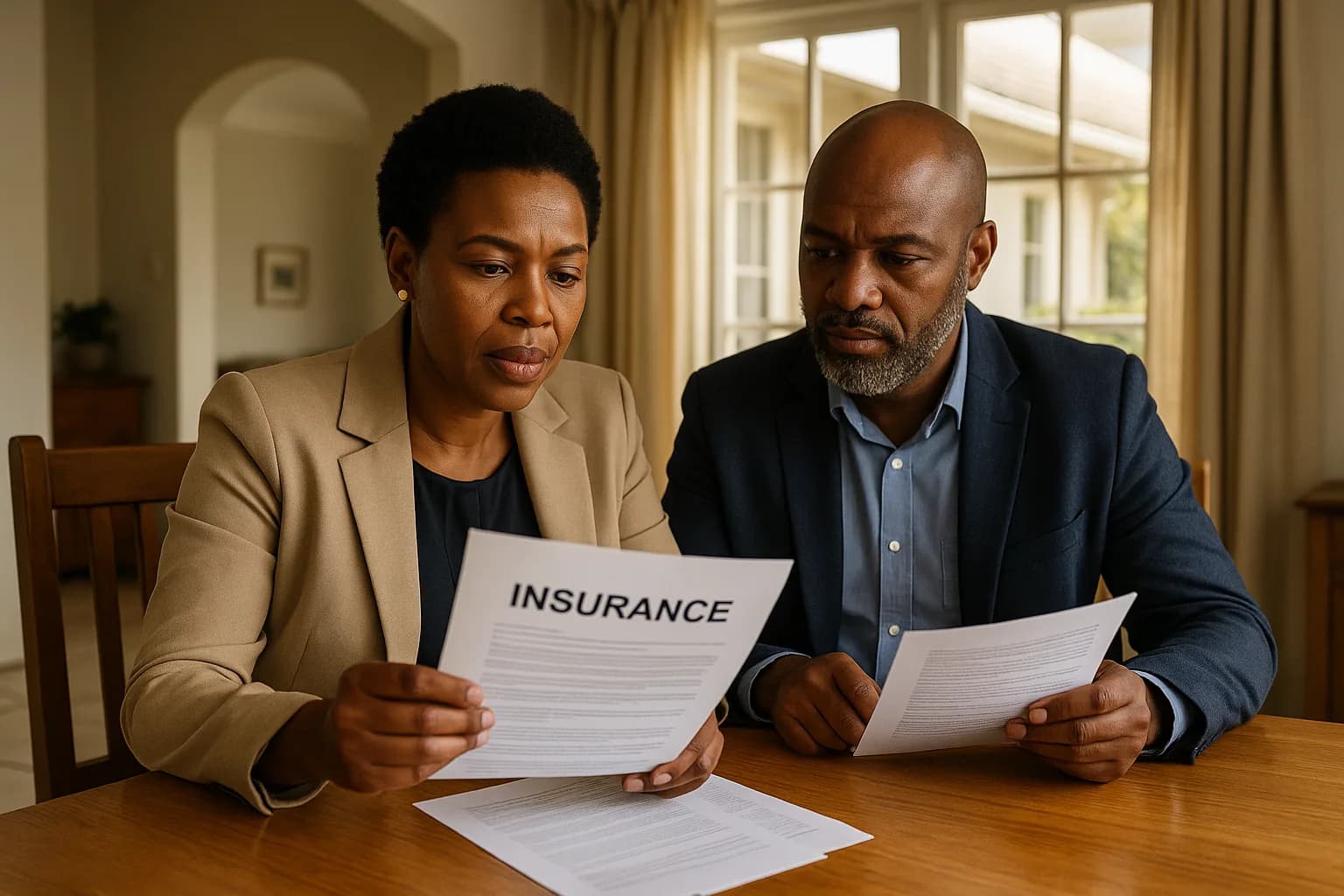
Product Liability Insurance
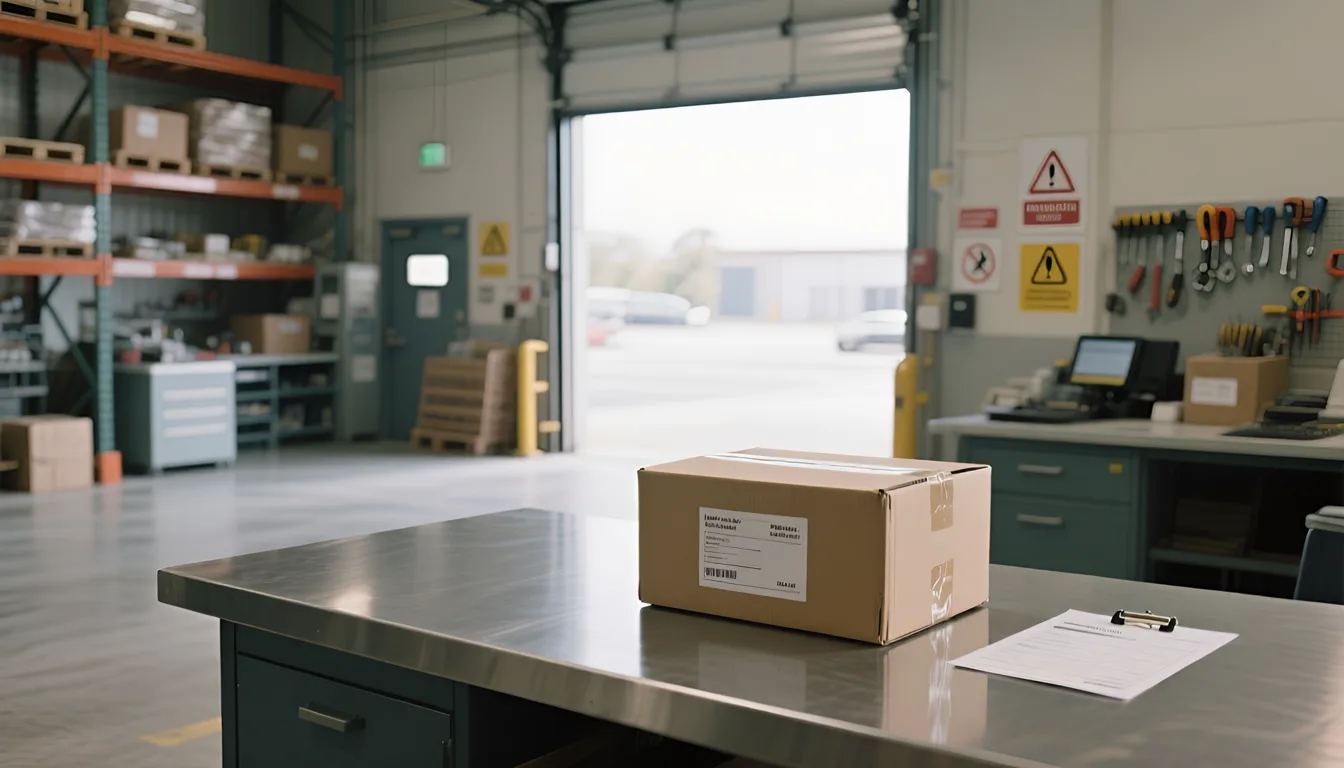
A product can leave a business in perfect order, boxed, labelled, checked twice, and still return as a legal claim weeks later, raised not by the customer but by a doctor, a lawyer, or an insurer. What happened was not intended, and it happened far from the premises, yet responsibility traces back to the business whose name the product carries. Once a product enters circulation, it carries legal responsibility with it.
What is product liability insurance?
Product liability insurance protects a business when a product it made, imported, distributed, or sold causes injury, illness, or property damage to a third party after leaving its control. It responds to legal defence costs, investigation, settlements, and court-awarded damages. The trigger is responsibility at the point the product entered circulation, not ownership of the product when the loss occurred.
Key Takeaways
- Product liability insurance protects a business when a product it placed into the market causes bodily injury, illness, death, or damage to third-party property.
- The key issue is control and responsibility at the point the product entered circulation, not who owned it when the loss actually occurred.
- It typically covers legal defence costs, investigation and expert reports, settlements, and any court-awarded damages.
- Liability can attach to manufacturers, importers, wholesalers, distributors, retailers, and private-label or repackaging sellers, not only the maker.
- Under South African consumer law, an importer or private-label seller can be treated similarly to a manufacturer for liability purposes.
What Product Liability Insurance Covers
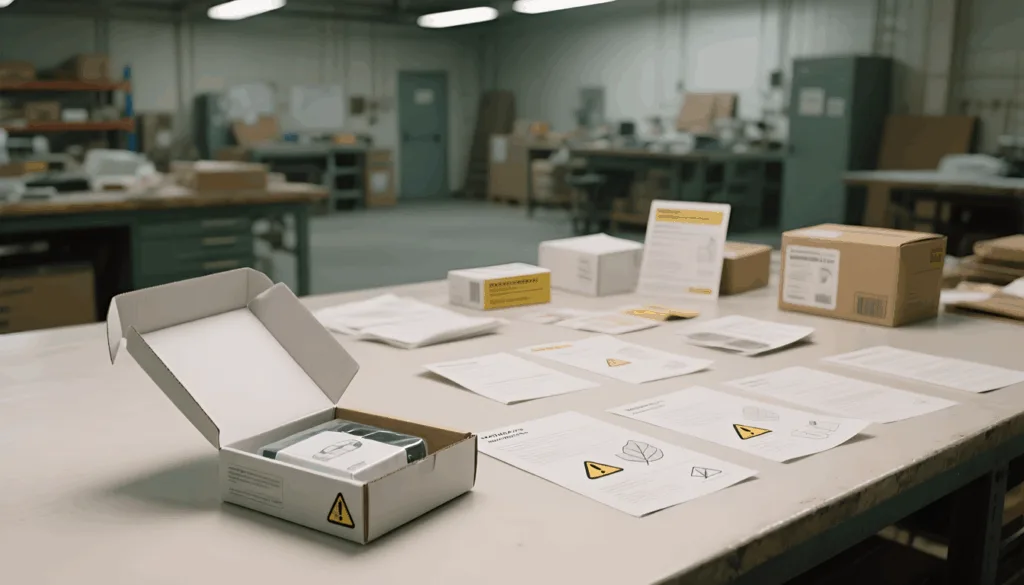
Product liability insurance protects a business when a product it placed into the market causes harm to a third party.
This harm may include:
- Bodily injury
- Illness
- Death
- Damage to third-party property
The key issue is not ownership of the product at the time of loss. It is control and responsibility at the point the product entered circulation.
If a claim is made, product liability insurance typically covers:
- Legal defence costs
- Investigation and expert reports
- Settlement or compensation amounts
- Court-awarded damages
Claims can arise long after a product leaves your control. Insurance responds when responsibility is alleged, not when the product is still in your hands.
Who Carries Product Liability Risk
Product liability does not apply only to manufacturers.
Responsibility may attach to:
- Manufacturers
- Importers
- Wholesalers
- Distributors
- Retailers
- Private-label sellers
- Businesses rebranding or repackaging products
If your business places a product into the stream of commerce, product liability exposure exists.
Even businesses that never physically touch the product may still be drawn into a claim if their name, branding, or distribution role is involved.
Why Claims Arise Even When Products Are Used Incorrectly
This surprises many business owners.
Product liability claims do not always depend on “proper use” in the everyday sense. Courts assess whether misuse was reasonably foreseeable.
For example:
- A product used without full understanding
- Instructions read incorrectly
- Packaging unclear or incomplete
- Warnings insufficient or overlooked
If misuse could reasonably have been anticipated, responsibility may still follow.
This is why product liability insurance is not about fault. It is about exposure once harm occurs.
Manufacturing Defects, Design Defects, and Warning Failures
Product liability claims generally fall into three broad categories.
Manufacturing defectsSomething goes wrong during production. A batch is flawed. A component fails.
Design defectsThe product functions as designed, but the design itself creates risk.
Warning or instruction failuresThe product may be safe when used correctly, but instructions, warnings, or labels do not adequately explain risk.
Insurance responds to claims arising from all three categories, subject to policy wording.
Product Liability vs Public Liability
Product liability insurance and public liability insurance are related, but not interchangeable.
Public liability insurance responds when injury or damage arises from your premises or operations.
Product liability insurance responds when injury or damage arises from a product you supplied, even after it has left your control.
For example:
- A customer slips in your shop: public liability
- A product you sold later causes injury at the customer’s home: product liability
Many businesses require both to close exposure gaps.
Imported Goods and Product Liability
Importers carry significant exposure.
If you import products into South Africa, you may be treated as the manufacturer for liability purposes, especially where:
- The original manufacturer is outside South Africa
- The manufacturer cannot be pursued locally
- The product is branded or relabelled under your name
Product liability insurance becomes essential in these cases. Distance does not remove responsibility.
How Product Liability Claims Develop
Claims often begin far from the business.
An injury.A medical report.A legal demand.
From there, the process typically involves:
- Investigation of the product
- Assessment of design, manufacture, and warnings
- Legal proceedings
- Negotiation or litigation
- Settlement or judgment
Even when a claim is defended successfully, cost accumulates early. Insurance absorbs that pressure.
Limits of Indemnity and Aggregates
Product liability policies operate with limits of indemnity, often with annual aggregate limits.
This matters because:
- One defective batch can generate multiple claims
- Claims may surface over time
- Legal costs erode available limits
Selecting limits requires consideration of product type, distribution scale, and potential severity of harm.
Contractual and Regulatory Pressure
Product liability insurance is frequently required by:
- Supply agreements
- Retail chains
- Export contracts
- Licensing arrangements
- Manufacturing agreements
Lack of adequate cover can exclude a business from supply chains, regardless of product quality.
Where Product Liability Ends
Product liability insurance does not cover:
- Product recalls unless specifically included
- Pure financial loss without injury or damage
- Known defects deliberately ignored
- Contractual penalties unrelated to injury or damage
Understanding these boundaries prevents misplaced reliance.
At Mont Blanc Financial Services, we work alongside businesses that manufacture, import, distribute, and sell products across South Africa. This work includes reviewing product liability exposure, clarifying where responsibility attaches once products enter circulation, and supporting clients when claims arise after a product has moved beyond their control.
Working closely with product liability cover means being involved when claims take shape, when responsibility moves along a supply chain, and when the same questions arise once legal and medical steps begin. The questions below come from those situations and reflect how product liability cover responds in South Africa when harm is alleged.
The full picture lives in our guide to general liability insurance.
Frequently Asked Questions
What does product liability insurance cover?
Product liability insurance covers a business when a product it placed into the market causes harm to a third party, addressing the legal and financial consequences of that harm. The harm may include bodily injury, illness, death, or damage to third-party property, and the cover responds whether or not the business still owned the product when the loss occurred, since the issue is responsibility at the point the product entered circulation. When a claim is made, product liability insurance typically covers the legal defence costs, the investigation and expert reports needed to assess the claim, any settlement or compensation amounts, and court-awarded damages. A defining feature is timing: claims can arise long after a product has left the business’s control, and the cover responds when responsibility is alleged rather than while the product is still in hand. This matters because a business can face a claim for a product it sold months or years earlier. The cover exists precisely because responsibility for a product does not end when it leaves the premises; it travels with the product into the world.
Who carries product liability risk?
Product liability risk does not fall only on manufacturers; it can attach to any business that places a product into the stream of commerce. Responsibility may extend to manufacturers, importers, wholesalers, distributors, retailers, private-label sellers, and businesses that rebrand or repackage products. The principle is that if a business introduces a product into the market, or presents it as its own, product liability exposure exists. Significantly, even businesses that never physically handle the product can be drawn into a claim if their name, branding, or distribution role connects them to it. This is why a retailer selling under its own label, or an importer bringing goods into the country, can carry liability comparable to the original manufacturer. The exposure follows the commercial role rather than physical possession. For any business in a supply chain, this means product liability is not someone else’s problem simply because they did not make the item. Understanding where in the chain a business sits, and what responsibility attaches to that position, is the starting point for knowing whether the exposure applies.
How does South African consumer law affect product liability insurance?
South African consumer law shapes product liability by extending responsibility across the supply chain and applying a strict-liability principle, which makes the cover more important rather than less. Under the Consumer Protection Act, parties such as importers and private-label sellers can be treated similarly to manufacturers for liability purposes, meaning a business need not have made a product to carry responsibility for the harm it causes. Strict liability means a claimant may not need to prove negligence, only that the product was defective and caused harm, which lowers the threshold for a claim to succeed against a business in the chain. The combined effect is that more businesses are exposed, and exposed more readily, than many assume. This is precisely why product liability cover matters for importers, distributors, and retailers, not only manufacturers. The specific provisions should be confirmed against the current legislation, but the direction is clear: South African law broadens product liability exposure, and the insurance responds to a risk the law has deliberately made wide-reaching.
When should a business get product liability insurance?
A business should consider product liability insurance whenever it makes, imports, distributes, rebrands, or sells a physical product, since the exposure exists from the moment that product enters circulation. The cover is relevant well before any claim arises, because claims can surface long after a product has left the business, and the protection needs to be in place at the point the product was sold, not arranged after a problem emerges. Any business placing goods into the market carries the risk, and given that South African consumer law extends liability across the supply chain and applies strict liability, even businesses that never manufacture anything can be exposed. The practical answer is that if a business is part of bringing a product to a customer, the exposure is present and the cover is worth holding. Waiting until a claim appears is too late, since the cover responds to products already in circulation rather than retroactively. Matching the cover to the business’s role in the product chain, before products go out, is the sound approach.
Closing Reflection
Once a product leaves your premises, it begins its own journey.
You cannot control where it goes.You cannot control how it is handled.You remain connected to what it does.
Product liability insurance exists to manage that connection when things go wrong. It allows responsibility to be addressed without placing the survival of the business at risk.
You shouldn’t have to answer for a product weeks after it left your hands with no cover behind you. With Mont Blanc Financial Services you won’t.
Contact Mont Blanc Financial Services to confirm your product liability exposure is covered before a claim traces a product back to your name.

Nicola Iozzo
Founder & CEO, Mont Blanc Financial Services
Nicola has spent his career reading the policy wording most people skip, and writes here so you don't discover at claim stage what page 14 meant.
This blog is here to inform, not advise. Think of it as a guidebook, not a contract. For decisions affecting your world, have a chat with your broker or financial professional.
Mont Blanc Financial Services (PTY) Ltd. is an authorised financial services provider. FSP 8271