What Does Underinsured Mean? Avoid Costly Mistakes

Insuring an asset for less than its replacement value feels like a sensible saving, right up to the claim that exposes it. The premium drops, the cover looks intact, and nothing seems wrong until a loss meets the average clause. At that point the insurer pays only the proportion the asset was insured for, and the shortfall lands on the owner. The gap between the value insured and the value at risk is invisible until the settlement makes it concrete.
What is underinsurance in South Africa?
Underinsurance in South Africa means insuring an asset for less than its full replacement value, so a claim is settled for less than the loss. Insurers apply the average clause: where assets are insured below their true value, the payout is reduced in proportion to the shortfall. It affects vehicles, property, and business assets, surfacing at the point of claim.
Key Takeaways
- Underinsurance means holding cover, but not enough, so the gap between the value insured and the replacement value appears in the settlement.
- Insurers apply the average clause: an asset insured for 70% of its value yields roughly 70% of the claim, the shortfall falling on the owner.
- Property is especially exposed, since building costs inflate faster than owners adjust their sums insured.
- A total loss is settled at the sum insured, so an under-valued property pays out its insured figure even if rebuilding costs more.
- Underinsurance is preventable through annual revaluation, inflation adjustment, and accurate replacement-cost figures rather than guesswork.
What Does “Underinsured” Mean?
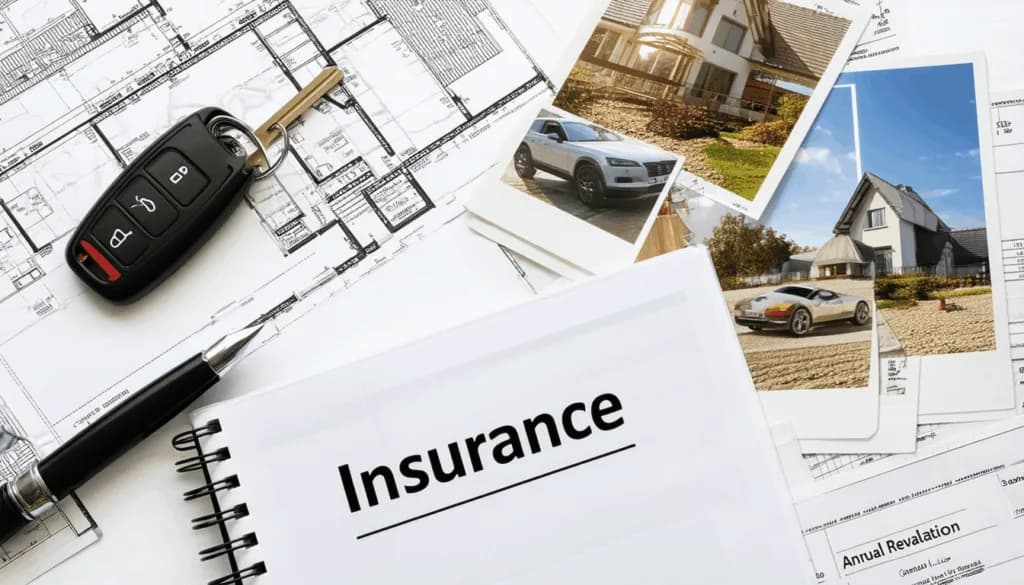
Being underinsured doesn’t mean you don’t have insurance. It means you don’t have enough. And when it’s time to claim, that gap shows up in the settlement.
Insurers use something called the average clause. In plain English, it means: if your assets are insured for less than their full replacement value, the insurer will only pay out a percentage of your claim, based on how much you underinsured them.
The Rachel Example
Rachel thought she was being practical. Her office building was valued at R1 million, but she insured it for R700,000. Why pay for more cover than she “really needed”?
Then one Friday afternoon, the coffee machine sparked. Flames climbed the wall, smoke filled the air, and by Monday, R300,000 worth of damage had been done. When Rachel claimed, the insurer paid R210,000. She was 30% underinsured. That 30% gap became her problem.
The average clause isn’t a punishment. It’s maths. You pay for 70%, you get 70%. Simple, brutal, and legal.
Why Underinsurance Hurts More Than You Think
- Vehicles: Repair costs don’t scale down neatly. If your car is underinsured, the shortfall comes out of your own wallet.
- Properties: Building materials inflate faster than your insurance adjustments. Bricks, cement, labour, they all cost more each year.
- Businesses: Machinery, stock, and tech depreciate differently. One wrong valuation and you’re left with gaps wide enough for a hacker, a fire, or a flood to stroll through.
And here’s the kicker: total losses are settled at the sum insured. Which means if your property burns down completely, you’ll only get what you insured it for, even if the rebuild costs double.
How to Avoid Being Underinsured
The good news? Underinsurance is preventable. But it takes some housekeeping. Housekeeping which saves you from extremely expensive surprises.
- Regular Re-evaluation: Don’t guess. Reassess the value of your assets at least once a year. Cars, property, equipment – everything changes.
- Adjust for Inflation: Building costs don’t politely wait for your insurer’s annual update. Make sure your sums insured reflect reality, not last year’s prices.
- Talk to Your Broker: A broker isn’t merely a middleman. At Mont Blanc, they’re the translator between you and the fine print. They’ll help you align your cover with actual replacement costs, not wishful thinking.
Insurance documents are full of clauses, but life is full of curveballs. At Mont Blanc Financial Services, we don’t sell you cover and wave goodbye. We review, reassess, and adjust your portfolio so you don’t end up like Johny or Rachel.
Our brokers cut through jargon, explain the average clause in plain English, and make sure your protection actually protects. When it comes to insurance, “cheap” often turns out to be expensive.
Closing Reflection
- Underinsurance = paying less, getting less.
- The average clause reduces payouts in line with how much you’re underinsured.
- Inflation, miscalculation, and “saving on premiums” are the usual culprits.
- Regular reviews with Mont Blanc brokers keep your assets covered for what they’re truly worth.
Being underinsured is like walking into a restaurant, ordering the steak, and then insisting you’ll only pay for the chips. When your meal comes, you the steak is missing.
Insurance works the same way. Pay for the full value, get the full cover. Pay for less, and when disaster strikes, you’ll be reaching into your own pocket to fill the gap.
Underinsurance is one of the most common reasons South Africans experience financial shock during a claim. Most people only learn about gaps in their cover when something goes wrong, which is the worst possible time to discover a shortfall. These questions will help you understand how underinsurance works, how the average clause affects payouts, and what you can do to keep your cover aligned with real world costs. If you review your portfolio once a year and keep insured values accurate, you can avoid most of the stress linked to claim disputes. The answers below provide clear guidance for homeowners, business owners and anyone who wants to avoid paying out of pocket after a loss.
Underinsurance hides in the sums, which our guide to personal insurance helps bring into the open.
Underinsuring the building triggers the clause, and how insurance average cuts a claim is the arithmetic that follows.
Frequently Asked Questions
What does underinsurance in South Africa mean?
Underinsurance in South Africa means having insurance, but for less than the full replacement value of the asset, so a claim is settled for less than the actual loss. It is not the same as being uninsured; the cover exists, but it is inadequate. The mechanism that makes this costly is the average clause, which insurers apply when assets are insured below their true value. In plain terms, if an asset is insured for 70% of its replacement value, the insurer pays roughly 70% of the claim, and the remaining 30% becomes the owner’s problem. This is not a penalty; it is proportional, reflecting that the owner paid premiums on a lower value. The gap stays invisible while no claim is made, which is why underinsurance so often goes unnoticed until a loss. At that point the shortfall is concrete and unwelcome. Understanding that cover must match replacement value, not a discounted figure, is the core of avoiding it.
How does the insurance average clause work in South Africa?
The average clause is a calculation used by insurers to determine how much they will pay when you are underinsured. It is not a penalty. It is a mathematical adjustment which aligns your payout with the percentage of value you actually insured. The formula is straightforward: Sum Insured divided by Replacement Value multiplied by the loss. If you insure a building for R700,000 which should have been insured for R1 million, you are carrying only seventy percent of the real value. Any future claim will be settled at seventy percent of the loss amount. A R300,000 claim becomes a R210,000 payout. The remaining shortfall is for your own account. The Ombudsman for Short Term Insurance reports that many disputes arise because clients do not understand this calculation, even though it is standard across the South African insurance industry. The average clause exists to keep premiums fair and to prevent high claims from being paid on low insured values.
How can I avoid being underinsured?
Avoiding underinsurance requires regular reviews, accurate valuations and a clear understanding of real-world replacement costs. Asset values change every year because of inflation, supply shortages, building cost increases and currency fluctuations. For this reason, leaving a policy unchanged for several years creates a guaranteed shortfall. Homeowners should consider annual building valuation updates rather than relying on bank valuations issued at the time of purchase. Business owners should keep updated records of equipment, machinery, stock levels and new acquisitions. Tools published by Stats SA can help you track inflation trends, although these tools cannot replace a formal valuation. Speaking with your broker once a year remains the most reliable method for keeping pace with rising costs. At Mont Blanc, we guide clients through a full portfolio review which checks insured values, endorsements and possible gaps. Prevention is far more affordable than discovering a shortfall while standing in the middle of a claim.
Does underinsurance affect total losses?
Yes, underinsurance has a direct effect on total losses, although the impact works slightly differently compared to partial losses. If you experience a total loss, such as a house burning down or a vehicle being written off, the insurer will never pay more than the amount you insured the item for. If your property is worth R1 million but insured for R700,000, that R700,000 is the maximum you will receive. The average clause is not applied in a total loss because the sum insured already limits the payout. In partial losses, the average clause becomes relevant. The insurer looks at the percentage by which you were underinsured and applies that percentage to the loss amount. Understanding this difference is vital for homeowners and business owners. Consumer guides published by the FSCA repeatedly highlight that accurate valuations are the best way to avoid financial strain when something goes seriously wrong. Total losses expose these gaps very quickly.
Why do people end up underinsured?
People become underinsured for many reasons, and very few are deliberate. The most common cause is failing to update insured values after renovations, upgrades or new purchases. Many homeowners add rooms, install new kitchens or replace flooring without adjusting their building sum insured. Businesses often expand, increase stock levels or buy new equipment without updating schedules. Inflation also plays a major role. When building costs rise sharply, last year’s insured value may already be too low. Some clients purposely insure for less in an attempt to reduce premiums, but this approach creates serious financial consequences during claims. Case studies published by the Ombudsman for Short Term Insurance show that underinsurance is a frequent cause of disputes, confusion and frustration. The safest approach is scheduling regular reviews with your broker, checking valuations and keeping records updated. Doing this turns your policy into a protection tool rather than a guesswork estimate at risk of collapsing when you need it most.
Don’t wait for a claim to find out you’ve been underinsured all along. Let Mont Blanc brokers review your portfolio today. Peace of mind is worth more than a discount premium.

Nicola Iozzo
Founder & CEO, Mont Blanc Financial Services
Nicola has spent his career reading the policy wording most people skip, and writes here so you don't discover at claim stage what page 14 meant.
This blog is here to inform, not advise. Think of it as a guidebook, not a contract. For decisions affecting your world, have a chat with your broker or financial professional.
Mont Blanc Financial Services (PTY) Ltd. is an authorised financial services provider. FSP 8271