Specialised Insurance for Green Fleets, Cross-Border Transport & Hazardous Materials
Your fleet has grown. Two of your trucks now run on batteries, one crosses into Zambia every week, and a new client wants you to carry fuel. Your policy looks the same as it did three years ago. Then the electric truck's battery is damaged in a minor crash, and the insurer asks what it's worth. Nobody updated the value. You read the schedule, wondering what else it leaves out...
What is specialised trucking insurance?
Specialised trucking insurance is cover built for fleets that fall outside a standard commercial vehicle policy. It deals with risks general policies leave out or undervalue. That includes costly parts in electric and hybrid trucks, liability across several countries, and spills of dangerous goods. It's placed through brokers who work with insurers that know these risks.
Key Takeaways
- Specialised trucking insurance covers risks a standard truck policy often leaves out.
- Electric and hybrid trucks need cover for costly batteries, specialist towing and longer downtime.
- Most South African truck policies stop at the border, so cross-border trips need an extension.
- Dangerous goods cover pays for clean-up, damage to the environment and claims from others.
- Give your broker full details of routes, loads and charging before cover starts.
Why specialised trucking insurance is needed
A standard truck insurance policy is written for the typical fleet. That means diesel trucks, local routes and ordinary freight. It covers damage to the truck, theft, harm to others and, if you add it, the load.
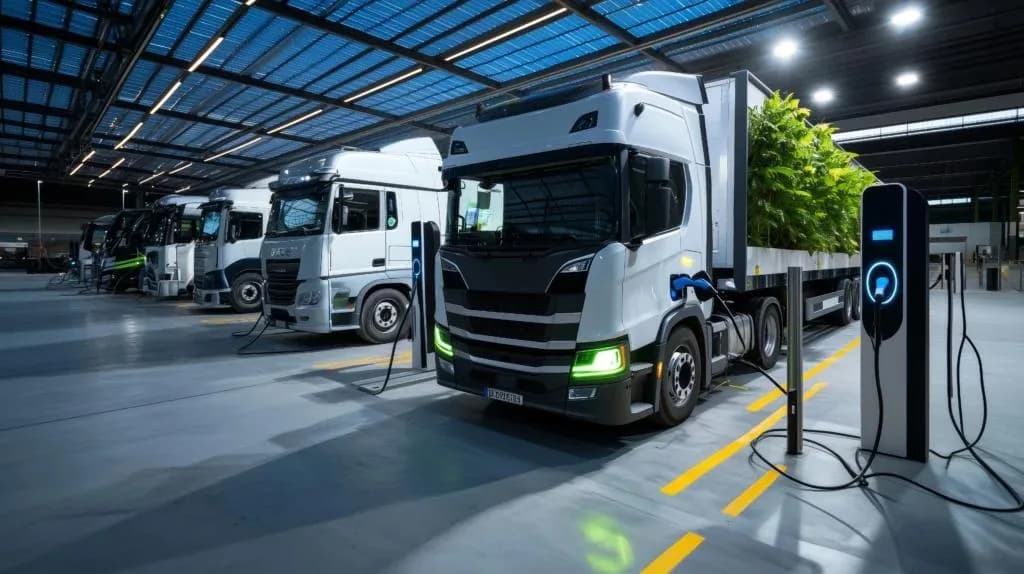
The trouble starts when your fleet stops being typical. Three kinds of operation cause most of the gaps:
- trucks that run on batteries or a mix of battery and diesel
- trucks that leave South Africa
- trucks that carry fuel, chemicals, gas or medical waste
Each one brings a risk the standard wording wasn't built for. An electric truck's battery can cost more than a diesel engine. A truck in Zambia may be outside the policy's map. A tanker spill brings clean-up bills that dwarf the cost of the truck itself.
None of this means the standard policy is bad. It means it was written for someone else's fleet. It's a bit like a pair of shoes that fit perfectly, as long as you don't have to walk anywhere in them.
Specialised trucking insurance: where standard cover can fall short
| Operation | Gap in a standard policy | What to ask for |
|---|---|---|
| Electric or hybrid trucks | Battery value, specialist towing, downtime | Battery at today's price, flatbed towing |
| Cross-border trips | Cover may stop at the border | A cross-border extension |
| Dangerous goods | Clean-up, pollution and third-party claims | Dangerous goods cover |
The fix is to tell your broker exactly what your trucks do. Then the cover can follow the operation, not the template.
The basics still count, too. Fleet safety technology, like cameras and tracking, lowers the risk on every kind of truck. Insurers look for it on specialised fleets most of all, because the claims they fear are the large ones.
Specialised trucking insurance for electric trucks
Picture your electric truck making it safely from Johannesburg to Durban, then sitting at a depot. The only technician certified to replace its damaged battery is three provinces away. Days go by, and so does the income.
South Africa is slowly moving towards greener fleets: electric, hybrid and biofuel trucks. They're efficient and cleaner to run. But they bring risks a standard policy may not cover.
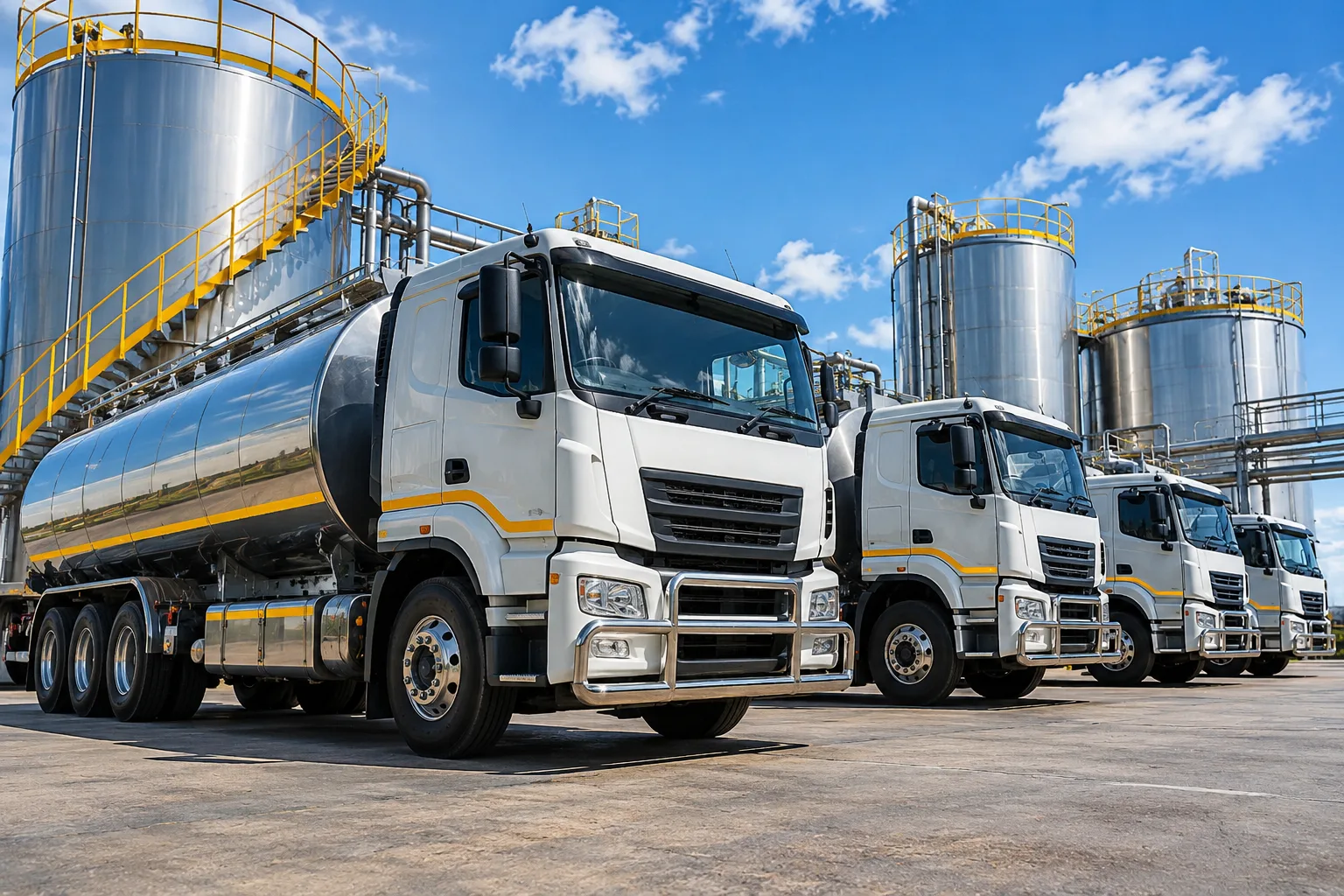
The battery. A damaged battery pack can cost more than rebuilding a diesel engine. Repairs need trained technicians and the right tools, and not every roadside workshop has either. The truck's value on your schedule must include the battery at today's price.
Towing. An electric truck can't be towed like a diesel one in every case. It may need a flatbed, and it must go to a workshop that can handle it. That can be a long way off. Check that the policy pays for this kind of tow, as well as the nearest one.
Downtime. Charging points and repair centres are still thin on the ground. A truck can be off the road for longer than a diesel would be. If the income it earns counts, ask about cover for the days it stands still.
Some insurers look kindly on fleets that train their drivers on the new technology and keep good service records. Ask your broker whether yours does. Keep the battery's warranty papers with the policy too, because a claim may turn on who was meant to fix what.
Battery fires and software risks
Green trucks bring two further risks that a standard policy may not have in mind.
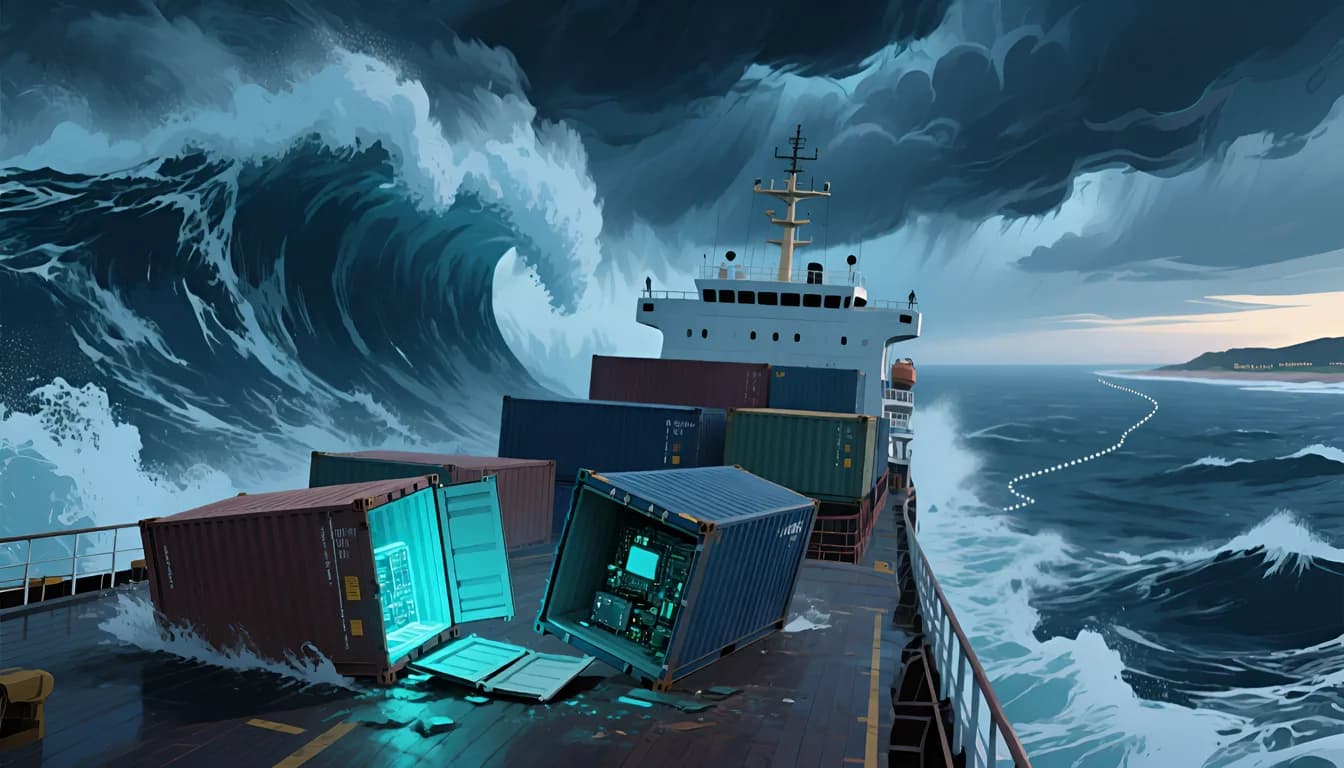
Fire. Lithium batteries can catch fire if they're damaged, and those fires are hard to put out. They can burn for hours and flare up again. A battery fire in a depot can spread to other trucks and to the building.
The policy may need to cover specialist firefighting, clean-up and damage to property nearby. Check where the trucks charge overnight, and tell your insurer. A charging bay next to the fuel store isn't a layout any insurer enjoys reading about.
Software. Electric and hybrid trucks rely heavily on their onboard software. That software can fail, or be attacked. A hacked tracking system or a locked control unit can stop a truck as surely as a flat tyre. Most motor policies don't cover software failures or cyber attacks. Ask whether your policy reaches that far, or whether you need separate cyber cover.
Training. Drivers and workshop staff need to know how to handle high-voltage systems safely. Insurers may ask for proof of training. A driver who knows what to do after a minor bump can stop a small problem from becoming a fire.
Specialised trucking insurance across borders
Picture a truck stuck at Beitbridge for three days because of missing paperwork. The perishable load rots in the trailer, and the client wants compensation.
Crossing a border in a truck is seldom only a stamp in a passport. Each country has its own laws, its own liability rules and its own road conditions. One delay, or one theft far from home, can turn into a large bill.
Most South African truck policies stop at the border, or cover only a short list of nearby countries. Beyond that, you need an extension on your policy or separate cover. That cover can extend your liability cover into neighbouring countries and cover the load against theft or damage on foreign roads.
Common problems on cross-border routes include:
- Paperwork gaps. A missing customs form can hold a truck for days. Some policies can include business interruption cover for the lost time.
- Hijacking. Some routes are known for it. Tracking, telematics and armed escorts can lower both the risk and the premium.
- Exchange rates. If a claim is settled in another currency, the policy should say how the rate is worked out.
Give your broker the full route, the countries you enter and how often you cross. Cover set up without that detail may not pay for a trip you didn't mention.
Specialised trucking insurance for dangerous goods
Picture a tanker rolling over on a country road and spilling fuel into a river. The clean-up, the fines and the claims from nearby communities can run into millions.
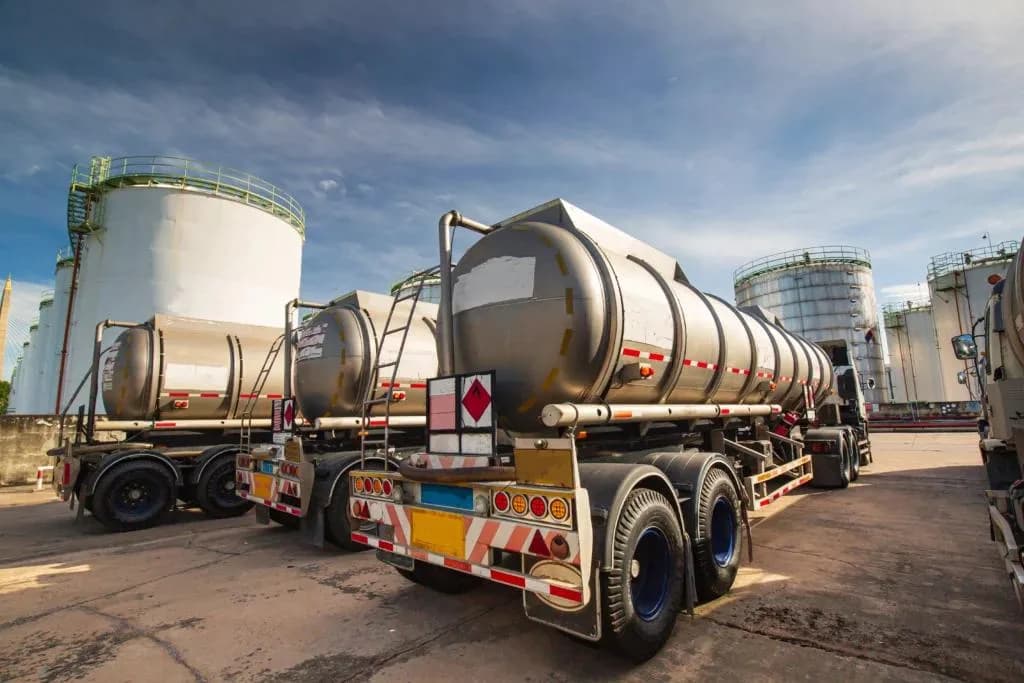
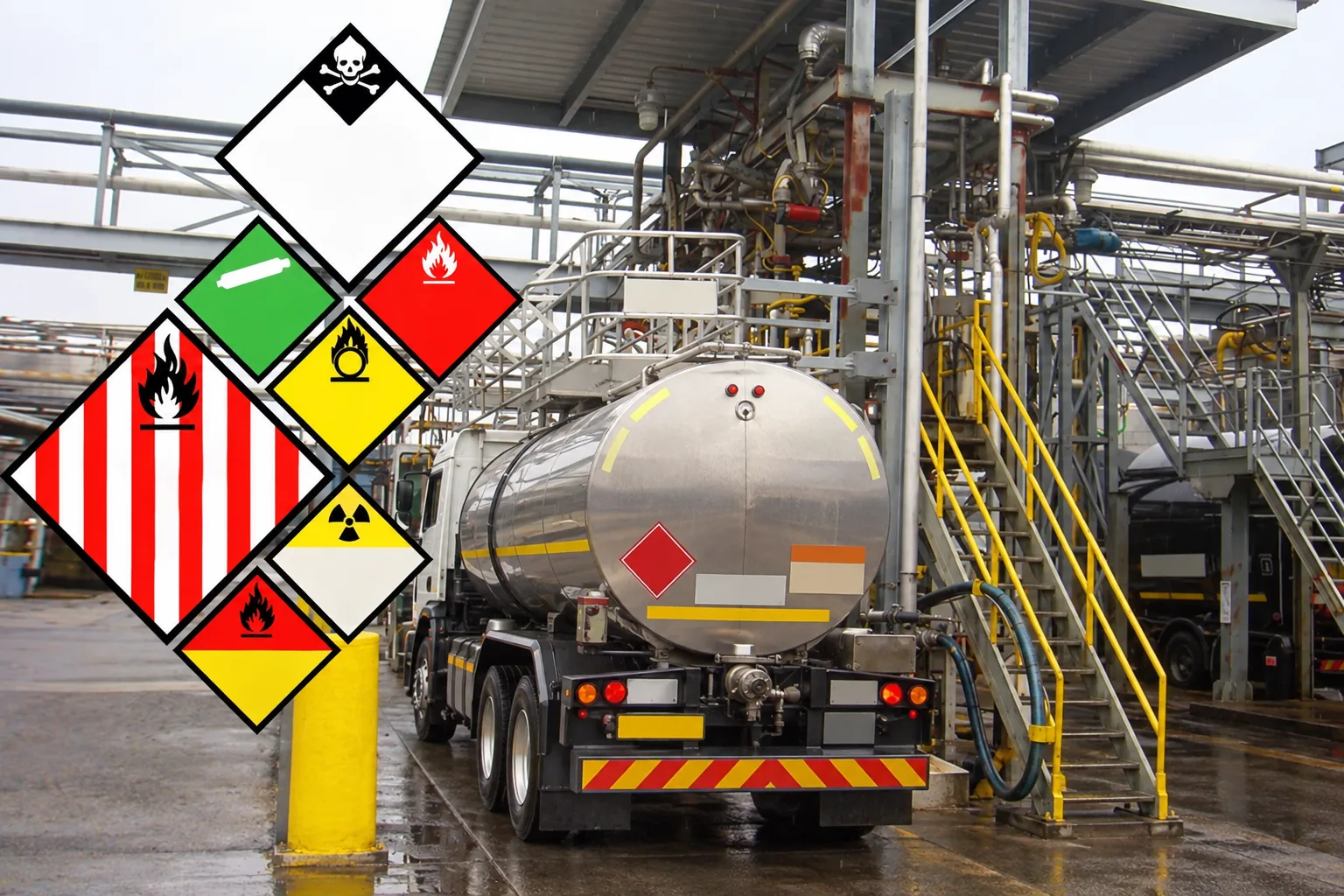
Fuel, chemicals, gas, explosives and medical waste are all tightly controlled, and each can go wrong fast. One accident can mean clean-up bills, legal claims and penalties from regulators. Worse, it puts drivers and the public in danger. A standard policy seldom stretches to cover all of that.
Dangerous goods cover fills the gap. It can pay for:
- clean-up of the spill
- emergency response at the scene
- claims for damage to the environment
- claims from people and businesses nearby
Some policies add help with managing the news, because a spill that makes the headlines can hurt a business almost as much as the clean-up.
Insurers will look closely at how you run. They'll want proof that drivers hold the right permits and training for dangerous goods. They'll ask about your vehicles, your routes and your emergency plan. Good answers here can lower the premium as well as the risk.
Under section 28 of the National Environmental Management Act, anyone who causes pollution must take reasonable steps to stop it and clean it up. The transport of dangerous goods is also regulated under the National Road Traffic Act.
Some environmental claims go beyond the first clean-up, to years of testing soil or water. Check whether your cover reaches that far. Without the right cover, one spill can sink a company. Run a spill drill with your drivers at least once a year, and keep a record that you did.
Closing Reflection
This time, you sit down with your broker before the fleet changes. You list the battery value of each electric truck, where they charge and who services them. You give the cross-border route, with every country and border post. You share the fuel client's contract and your drivers' dangerous goods permits. Your broker adds a cross-border extension and dangerous goods cover. When the battery is damaged, its value is on the schedule. You read the schedule again, and this time it matches the fleet you run...
You shouldn't have to find out your policy stops at the border, or leaves out the battery, after a claim. A Mont Blanc broker can check your cover for borders, batteries and spills before the next load leaves.
Contact Mont Blanc Financial Services to check that your cover is built for the fleet you run.
Specialised trucking insurance raises the same few questions for most fleet owners. Here are the ones that come up most.
Frequently Asked Questions
Does specialised trucking insurance cost more for electric trucks?
It can. Batteries are costly to replace, and repairs need trained technicians and the right tools.
Towing to a suitable workshop and longer downtime can add to the cost of a claim.
So ask your broker to compare quotes with the battery value included.
Is cross-border cover part of standard or specialised trucking insurance?
Usually it's specialised. Most South African truck policies stop at the border, or cover only a short list of nearby countries.
A truck that leaves South Africa without cross-border cover may be uninsured once it crosses.
So give your broker the full route before the first trip.
What happens after a spill without specialised trucking insurance?
You may face clean-up costs, fines and claims from others that a standard policy won't pay.
Under environmental law, whoever causes the pollution can be held responsible for cleaning it up.
So check your cover against a spill on one of your real routes.
What should I bring to a broker for specialised trucking insurance?
For electric trucks, bring the battery value and charging details. For cross-border work, bring your routes and countries.
For dangerous goods, bring the class of goods, your drivers' permits and your emergency plan.
So bring your current schedule too, so your broker can see where the cover stops.
Nicola Iozzo
Founder & CEO, Mont Blanc Financial Services
Nicola has spent his career reading the policy wording most people skip, and writes here so you don't discover at claim stage what page 14 meant.
This blog is here to inform, not advise. Think of it as a guidebook, not a contract. For decisions affecting your world, have a chat with your broker or financial professional. Mont Blanc Financial Services works to keep this content accurate and current, but isn’t liable for decisions made on it alone.
General information, not financial advice. Mont Blanc Financial Services (Pty) Ltd is an authorised financial services provider, FSP 8271.