Livestock Insurance: When Livestock Is Your Living
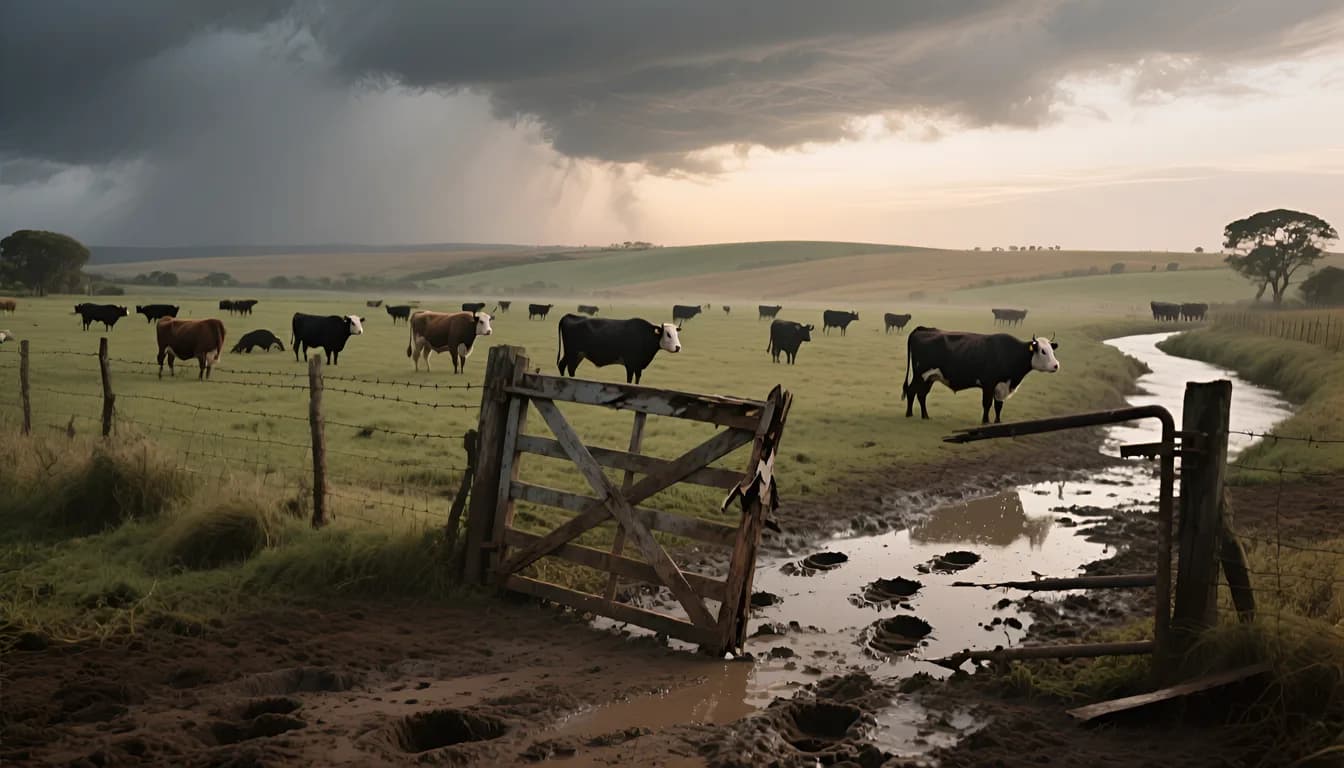
Livestock is wealth that walks, and it has a habit of getting sick, stolen, or lost at the worst moment. A half-latched gate and a storm can turn a prized herd into a scattered, injured loss by sunrise, and with it years of breeding and care. The market value is only part of what disappears. For most farmers the real exposure is the time and genetics invested, which a general policy does not automatically replace.
What is livestock insurance in South Africa?
Livestock insurance in South Africa is cover that protects a farmer’s animals as living assets against theft, accidental death, disease, and transit loss. It is not a single product but a set of protections, spanning theft and transit, accidental death, disease and epidemic, breeding animals, and the business interruption that follows a major loss, tailored to the herd and operation.
Key Takeaways
- Livestock insurance protects animals as living assets against theft, accidental death, disease, and loss in transit, replacing more than just market value.
- It is a set of protections rather than one product: theft and transit cover, accidental death cover, disease and epidemic cover, and breeding-animal cover.
- Breeding animals such as studs, dairy cows, and sires carry higher value and warrant higher cover than general herd animals.
- Disease and epidemic cover provides financial support when a contagious illness forces culling or quarantine.
- Business interruption cover replaces income when disease or disaster halts production, turning an unpredictable loss into a planned recovery.
- A single outbreak, theft incident, or transport accident can erase years of breeding progress for an uninsured operation.
The True Cost of an Uninsured Animal
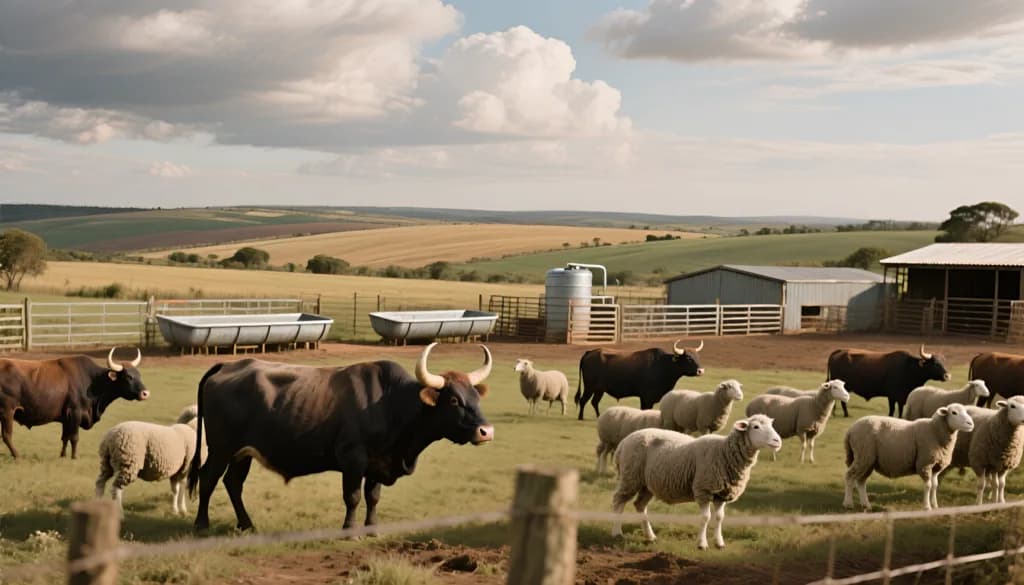
Cattle, sheep, goats, and poultry form a major part of South Africa’s agricultural economy. According to the Department of Agriculture, Land Reform and Rural Development (DALRRD), livestock contributes nearly half of all agricultural income nationally. Yet many farmers still gamble without cover.
One disease outbreak, theft incident, or transport accident can erase years of breeding progress. Livestock insurance replaces not only the market value of lost animals but also the time invested in genetics, feed, and training. MBFS brokers have seen cases where one uninsured epidemic caused entire operations to collapse within months.
For commercial farms, the loss means business disruption. For smallholders, it can mean losing both income and identity. Herd insurance converts unpredictable loss into planned recovery, allowing farmers to start again instead of start over.
What Livestock Insurance Covers
Livestock insurance is not one product, it is a collection of protections working together. Core components include:
- Theft and transit cover: compensation for animals stolen or injured during transport.
- Accidental death cover: protection for injuries caused by weather, predators, or accidents.
- Disease and epidemic cover: financial support when contagious illness forces culling or quarantine.
- Breeding animal insurance: higher-value cover for studs, dairy cows, or sires used for reproduction.
- Business interruption cover: income replacement when disease or disaster halts production.
We tailor policies to species and scale. A poultry farmer in Mpumalanga faces very different risks from a cattle rancher in the Karoo. We assess geography, management practices, and veterinary compliance before structuring premiums. For details on national livestock standards, the South African Meat Industry Company (SAMIC) outlines the certification requirements linked to insured herds.
The Invisible Threat: Disease and Biosecurity
No risk spreads faster than disease. Outbreaks such as Foot-and-Mouth, lumpy skin, and avian influenza have cost billions in recent years. The National Animal Health Forum (NAHF) and World Organisation for Animal Health (WOAH) track these incidents globally, warning that climate shifts and increased animal movement raise infection rates.
Livestock disease insurance provides financial protection when containment measures require slaughter or quarantine. We help farmers align policies with Department of Agriculture health regulations, ensuring claims remain valid even during national emergencies. We also assist with risk-reduction strategies, vaccination logs, movement permits, and record-keeping, which lower premiums and improve claim approval speed.
Healthy herds are valuable, but insured healthy herds are bankable.
Technology, Tagging, and Tracking
Herd Insurance works best with proof.Microchips, ear tags, and GPS collars now give every animal a data identity. These records not only assist with theft recovery but also simplify claims by proving ownership and verifying loss.
The Agri SA Livestock Division encourages farmers to adopt electronic identification systems, which have already reduced disputes between producers and insurers. We integrate this technology into policy planning, linking insured animals to tracking databases.
When a cow disappears, data tells the story – when it was last seen, what route it took, and whether the claim qualifies. The result is faster verification and fewer sleepless nights.
Herds sit on land with its own history, so agricultural land insurance often belongs in the same conversation.
Drought hits livestock and crops alike, which is where parametric insurance earns its place on a mixed farm.
What livestock insurance excludes
Livestock cover responds to named causes of death or loss, so the exclusions follow from what the policy declines to name rather than from a separate list of refusals. Death from a cause outside the insured perils sits outside, which is why mortality-only cover and extended cover behave differently in the same event.
Three exclusions catch farmers most often. Neglect is one: an animal lost where reasonable husbandry or veterinary attention was not provided tends to fall away, and the insurer reads the treatment records to establish it. Theft without evidence of forced removal is another, since an animal missing from an open veld is difficult to distinguish from an animal strayed. The third is consequential loss. The policy pays for the animal, not for the breeding programme interrupted by its death, unless that extension has been bought.
Notifiable disease sits in its own category, because state compensation schemes may apply alongside or instead of the policy. The two interact, and the order in which they are claimed can change what is recovered.
What livestock cover costs
Premium is rated on the sum insured, taken either per animal or across a herd, and then adjusted for the species, the perils selected, and the husbandry an insurer can verify. Stud and breeding animals rate differently from commercial stock because the replacement value and the loss of use are not the same thing.
Three things move the number more than the rest: whether cover is mortality-only or extended to theft and straying, whether animals are housed or on open veld, and the farm’s own loss record. Identification matters to the rating as well, because an insurer settles faster on animals it can individually identify. We don’t publish a rate here, since the figure moves with species and season; ask for it to be quoted per head so the cost can be read against the value at risk.
Closing Reflection
Farming livestock is equal parts hope, hard work, and heartbreak. A single storm, theft, or disease can undo years of dedication, but it should never end a business.Livestock insurance turns crisis into continuity, protecting both animals and the families who depend on them.
At MBFS, we believe every herd deserves protection as loyal as the farmer who feeds it.
You shouldn’t have to absorb the loss of a prized herd and its breeding value on your own. With Mont Blanc Financial Services you won’t.
Contact Mont Blanc Financial Services to structure livestock cover around what your animals genuinely represent to the operation.
This article is part of our complete guide to agricultural insurance.
Frequently Asked Questions
What does livestock insurance in South Africa cover?
Livestock insurance in South Africa is not a single product but a set of protections that work together to cover animals as living assets. The core components include theft and transit cover, which compensates for animals stolen or injured during transport; accidental death cover, for injuries caused by weather, predators, or accidents; and disease and epidemic cover, which provides financial support when contagious illness forces culling or quarantine. Higher-value breeding animals, such as studs, dairy cows, and sires used for reproduction, can be insured separately at levels reflecting their greater worth. Business interruption cover can also be included, replacing income when disease or disaster halts production. Together these protect not only the market value of lost animals but the time and investment in genetics, feed, and training that the market value alone does not capture. A policy is tailored to the specific herd and operation, since a commercial cattle operation and a smallholder flock carry different exposures. The cover is structured around what the animals represent to the business.
Why do farmers in South Africa need livestock insurance?
Farmers need livestock insurance because animals represent a major part of their wealth and are exposed to losses that can erase years of progress in a single event. Livestock contributes a substantial share of South African agricultural income, yet many farmers operate without cover, effectively gambling that disease, theft, or accident will not strike. When one of these does occur, the consequences can be severe: a single disease outbreak, theft incident, or transport accident can wipe out breeding progress built over years, and for some operations the loss has caused collapse within months. The exposure differs by scale, for a commercial farm it means business disruption, while for a smallholder it can mean losing both income and identity, but in both cases the loss is potentially ruinous. Livestock insurance converts that unpredictable loss into a planned recovery, allowing a farmer to restock and continue rather than start over from nothing. For an operation whose living assets are its core capital, the cover is a basic protection rather than an optional extra.
How does livestock insurance in South Africa handle disease outbreaks?
Livestock insurance handles disease outbreaks through disease and epidemic cover, which provides financial support when a contagious illness forces culling or quarantine. A disease outbreak is among the most serious risks a livestock operation faces, because it can affect many animals at once and may legally require culling of infected and exposed stock, alongside quarantine that halts normal trading. The cover responds to these consequences, compensating for the animals lost and supporting the operation through the disruption. This matters because the financial impact of an outbreak extends well beyond the individual animals, reaching into lost income during quarantine and the breeding value destroyed. An uninsured outbreak has caused entire operations to fail within months, which illustrates the scale of the exposure. The terms of disease cover, what triggers it, how culling and quarantine are treated, and how income loss is addressed, should be understood before an outbreak rather than during one. For any operation dependent on a healthy herd, this component is among the most important parts of the cover.
Does livestock insurance in South Africa cover breeding animals differently?
Livestock insurance in South Africa typically covers breeding animals at higher levels than general herd stock, reflecting their greater value to the operation. Studs, dairy cows, and sires used for reproduction represent more than their market price as individual animals; they carry the genetic value on which future herd quality and income depend. Losing a key breeding animal therefore sets back an operation in ways that go beyond the immediate replacement cost, which is why breeding-animal cover is structured separately and at higher value. This allows a farmer to insure these animals according to what they genuinely represent rather than treating them as ordinary stock. For operations whose business depends on breeding quality, this distinction is important, since underinsuring a high-value sire or dairy cow against its actual worth would leave a significant gap after a loss. The cover should be matched to the animal’s real value and role in the operation. Treating breeding stock as equivalent to general herd animals understates both the exposure and the protection required.
How much does livestock insurance cost in South Africa?
It is rated on the sum insured rather than sold at a standard monthly price, so the answer depends on what is being covered and how. The main inputs are the value placed on each animal or herd, the species, whether the policy is mortality-only or extended to theft and straying, whether stock is housed or runs on open veld, and the farm’s own claims history. Stud and breeding animals rate above commercial stock, because both the replacement cost and the interruption to the breeding programme are larger. Identification affects it too: insurers settle more readily, and rate more keenly, where animals are individually tagged and the records are current. Ask for the premium per head rather than as a single figure, which makes the cost readable against the value at risk.

Nicola Iozzo
Founder & CEO, Mont Blanc Financial Services
Nicola has spent his career reading the policy wording most people skip, and writes here so you don't discover at claim stage what page 14 meant.
This blog is here to inform, not advise. Think of it as a guidebook, not a contract. For decisions affecting your world, have a chat with your broker or financial professional.
Mont Blanc Financial Services (PTY) Ltd. is an authorised financial services provider. FSP 8271