Land, Legacy, and Agricultural Insurance
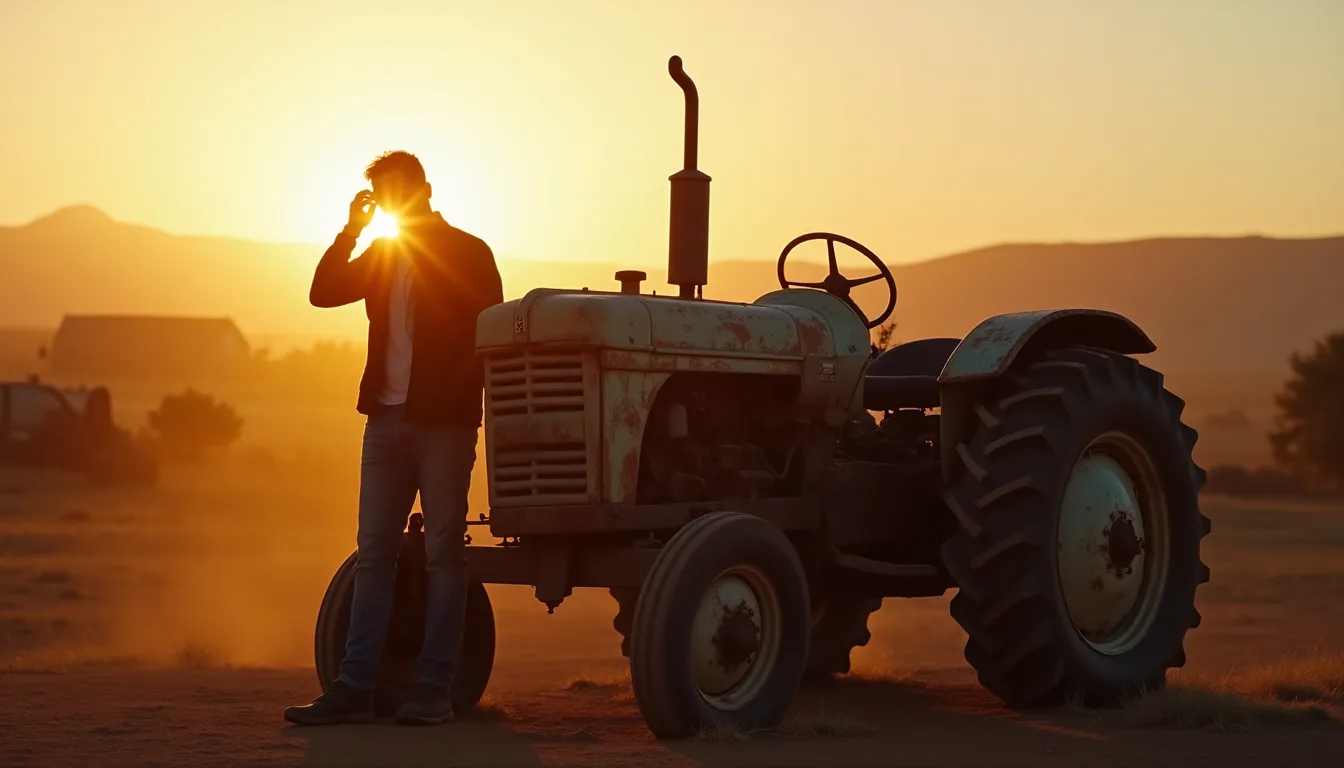
Land changing hands is the defining story of South African farming, and it carries more than soil: debt, inheritance, and the question of whether a new owner can survive long enough to make the land productive. Reform transfers ownership, but ownership without capital, water, or cover is exposure rather than security. A new entrant inheriting drought and a failing tractor needs protection as much as title. The gap between owning land and farming it is where insurance quietly matters.
What is agricultural insurance and land reform?
Agricultural insurance in the context of land reform is cover that helps new and emerging farmers, including land-reform beneficiaries, withstand the financial shocks of farming on land they have recently acquired. It protects crops, livestock, equipment, and income against the weather, disease, and market risks that can end an operation before it establishes, supporting the survival of new entrants.
Key Takeaways
- Land reform transfers ownership, but ownership without capital, water, infrastructure, or cover leaves a new farmer exposed rather than genuinely secure.
- Agricultural insurance supports new and emerging farmers by protecting against the financial shocks that can end an operation before it establishes itself.
- Successful reform depends heavily on partnerships, mentorship, access to credit, and business support, not on the transfer of ownership alone.
- New entrants often farm alongside established operators, sharing machinery, markets, and knowledge, which shapes the cover they need.
- Insurance acts as a quiet ally in land reform, helping new farmers survive the unpredictable early seasons long enough to harvest.
The Land Beneath the Debate
No topic stirs South African hearts quite like land. It carries the weight of both memory and promise. For generations, ownership was privilege; today, reform is purpose. Yet progress remains slow and uneven.
According to the Department of Agriculture, Land Reform and Rural Development (DALRRD), roughly 20 percent of commercial farmland has been transferred to black ownership since 1994. The national goal is 30 percent, but bureaucracy, financing gaps, and lack of infrastructure still hold many projects back.
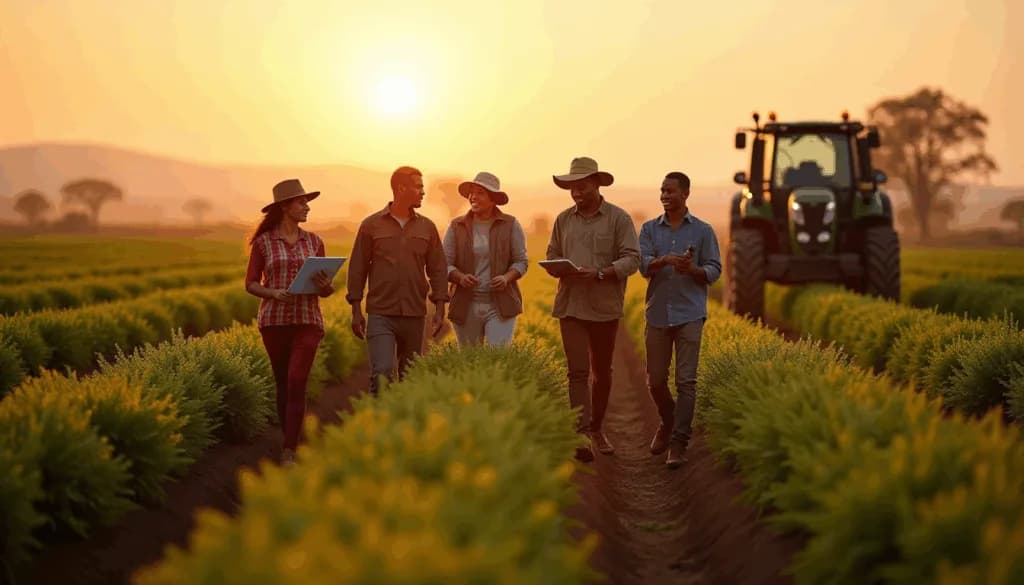
The reasons are complex. Land without capital is scenery; land without water is heartbreak. The Agri SA Land Audit reports that successful reform depends less on politics and more on partnerships, mentorship, access to credit, and business support. In many cases, success grows not from policy but from cooperation between established farmers and new entrants sharing machinery, markets, and knowledge.
Behind every statistic is a story like Thabo’s. Ordinary people trying to make the soil answer again. Their biggest challenge isn’t just planting; it’s surviving long enough to harvest. That is where insurance becomes the quiet ally in land reform’s long journey.
The Human Side of Farming
Farming is a family business even when the family changes. Across provinces, new farmers are taking over land once worked by others, balancing heritage with hard economics. Some are beneficiaries of redistribution programmes; others lease or co-own through partnerships. Many work side by side with experienced commercial farmers who mentor them through the first unpredictable seasons.
In Limpopo, a collective of women farmers runs a thriving macadamia co-op. In the Free State, a youth-led operation grows wheat using GPS-guided machinery borrowed from a neighbouring farm. In KwaZulu-Natal, community projects have turned idle sugarcane fields into productive estates. Each success story shares a pattern: support, skill, and safety nets
Insurance is part of that support system. It gives new farmers time to learn without losing everything to a bad season. Crop cover, livestock protection, and equipment insurance cushion the blows of nature while financing and training catch up. Mont Blanc Financial Services has helped emerging farmers secure policies scaled to their operations, ensuring one mistake doesn’t end a legacy before it begins.
Land reform is not only about fairness; it’s about continuity. And continuity needs protection.
The Future of Farming in South Africa
Despite its challenges, agriculture remains one of the country’s most hopeful sectors. The Bureau for Food and Agricultural Policy (BFAP) forecasts steady growth over the next decade, driven by fruit, nuts, and high-value crops. Trade agreements under the African Continental Free Trade Area (AfCFTA) are opening new markets, while technology bridges the gap between small and large producers.
Younger farmers are reshaping the landscape. They’re tech-savvy, environmentally conscious, and unafraid of spreadsheets. Solar energy powers their irrigation systems; WhatsApp groups manage their supply chains. The future farmer is both scientist and storyteller, blending soil knowledge with data analytics.
Women, too, are taking leadership roles once closed to them. Agri SA estimates women now make up nearly 40 percent of the sector’s workforce, leading projects in horticulture, poultry, and renewable energy. Their rise signals a shift from survival farming to sustainable agribusiness.
Still, progress depends on one old truth: farming remains risky. Climate patterns, fuel costs, and policy swings all affect profitability. This is why insurance isn’t a luxury; it’s the bridge between innovation and endurance.
Opportunities and Investment Outlook
If farming teaches anything, it’s that opportunity often hides inside difficulty.The Agricultural Business Chamber of South Africa (Agbiz) reports that agriculture continues to outperform the broader economy in post-pandemic recovery. Investors are returning, drawn by strong export performance and rising demand for renewable, traceable products.
Government incentives also help. The Industrial Development Corporation (IDC) and the Department of Trade, Industry and Competition (DTIC) fund agro-processing, storage, and irrigation projects through blended finance models combining public and private investment. These programmes reduce entry barriers for new farmers while modernising infrastructure across the value chain.
Sustainability has also become profitable. The World Bank notes that every rand invested in regenerative agriculture can yield five in long-term productivity. Investors now prefer projects with environmental and social governance (ESG) credentials. That means insured farms, with renewable energy, traceable production, and risk management, are more likely to attract capital.
This is where MBFS plays a crucial role. Insurance turns uncertainty into stability. It protects investors from sudden losses and gives financial institutions confidence to fund new ventures. In short, insurance doesn’t just defend the farm; it fuels its future.
The Safety Net: Why Agricultural Insurance Still Matters
Farming is the oldest business built on faith and the least forgiving one without protection. Drought, disease, machinery breakdowns, and market collapses don’t wait for good timing. Agricultural insurance is the difference between recovery and ruin.
At Mont Blanc Financial Services, we see insurance as partnership. Crop cover cushions farmers when hail, flood, or drought strike. Asset insurance protects machinery, solar systems, and storage facilities. Livestock policies cover theft and disease, while business interruption cover replaces lost income during downtime.
The goal isn’t only to pay claims, it’s to keep farms operating through crisis. Many clients use insurance payouts as collateral for refinancing or replanting, effectively keeping the agricultural cycle unbroken.
When land changes hands, insurance preserves its story. It ensures new owners inherit not just soil but stability. That’s the real legacy: a farm that endures storms without losing its heartbeat.
(Learn more in our Agricultural Insurance Guide to see how MBFS supports farmers across South Africa.)
Closing Reflection
Farming is not only about land: it’s about legacy. Every furrow carries the memory of someone who planted before and the hope of someone who will plant after. South Africa’s fields tell a story of resilience, change, and grace under pressure.
Insurance does not make the rain fall, but it helps you stand when it doesn’t. It guards the ground you’ve earned, the equipment you’ve built, and the future you’re still planting.
“You shouldn’t have to gamble a newly acquired farm on a single good season. With Mont Blanc Financial Services you won’t.
Contact Mont Blanc Financial Services to structure cover that helps a new or shared farming operation survive the seasons that test it most.”
Frequently Asked Questions
How does agricultural insurance support land reform in South Africa?
Agricultural insurance supports land reform by helping new and emerging farmers survive the financial shocks that can end an operation before it becomes established. Transferring land is only the first step; a new owner still faces drought, disease, equipment failure, and volatile markets, any of which can wipe out a season’s work and the capital behind it. For a farmer without deep reserves, a single bad event can be terminal. Insurance absorbs part of that risk, protecting crops, livestock, equipment, and income so that one setback does not end the venture. In this sense it functions as a quiet ally in the longer process of reform, since the goal is not only to put land into new hands but to keep it productive in them. Reform that transfers ownership without supporting survival achieves little. By cushioning the early, unpredictable seasons, agricultural insurance helps give new farmers the time they need to find their footing and make the land answer.
Why do new farmers in South Africa need agricultural insurance?
New farmers need agricultural insurance because they typically operate with thinner reserves and less margin for a bad season than established commercial operations. Farming carries inherent exposure to weather, disease, and market swings, and a new entrant who has recently taken on land, often alongside debt, is especially vulnerable to a loss that a larger, better-capitalised farm could absorb. Without cover, a drought, a herd disease, or a destroyed crop can end the operation entirely, undoing the purpose of acquiring the land in the first place. Insurance protects the crops, livestock, equipment, and income that the new farmer depends on, converting a potentially fatal event into a recoverable one. This matters most precisely in the early seasons, when the operation is least established and most fragile. For a new farmer, cover is therefore not an administrative extra but part of what makes survival possible, giving the venture the resilience to withstand the setbacks that farming reliably produces.
What role do partnerships play alongside agricultural insurance for new farmers?
Partnerships play a central role in the success of new farmers, working alongside insurance to support survival and growth. Evidence on land reform consistently points to partnerships, mentorship, access to credit, and business support as more decisive than ownership alone, since land without capital, knowledge, or markets struggles to become productive. Many new entrants farm in cooperation with established operators, sharing machinery, markets, and expertise, which lowers cost and shortens the learning curve. These arrangements address the practical gaps that title transfer alone does not. Insurance complements them by protecting against the financial shocks that even a well-supported operation cannot prevent, the weather and disease risks inherent to farming. Together, partnerships build capability while insurance protects against catastrophe. A new farmer with strong partnerships but no cover remains exposed to a single ruinous season, while one with cover but no support may lack the means to farm effectively. Both are part of giving new operations a genuine chance to establish and endure.
Does agricultural insurance cover farmers in cooperatives or shared operations?
Agricultural insurance can cover farmers operating in cooperatives or shared arrangements, though the cover needs to be structured around how the operation actually works. Many new and emerging farmers operate collectively or in partnership, a women’s macadamia cooperative, a youth-led wheat operation sharing machinery with a neighbour, and these structures affect who owns what, who bears which risk, and how a claim would be handled. Cover can be arranged to reflect shared ownership of equipment, jointly worked land, or pooled resources, but it must be set up deliberately rather than assumed to fit a standard single-owner model. The key is matching the policy to the real structure of the operation, so that assets, liability, and income are correctly attributed and a claim is not complicated by unclear ownership. For cooperatives and shared operations, this clarity is especially important, since ambiguity over who holds the risk can stall a settlement. Structured properly, insurance supports collective farming as readily as it does an individual operation.

Nicola Iozzo
Founder & CEO, Mont Blanc Financial Services
Nicola has spent his career reading the policy wording most people skip, and writes here so you don't discover at claim stage what page 14 meant.
This blog is here to inform, not advise. Think of it as a guidebook, not a contract. For decisions affecting your world, have a chat with your broker or financial professional.
Mont Blanc Financial Services (PTY) Ltd. is an authorised financial services provider. FSP 8271