Goods in Transit vs Marine Cargo Insurance: When Each One Applies
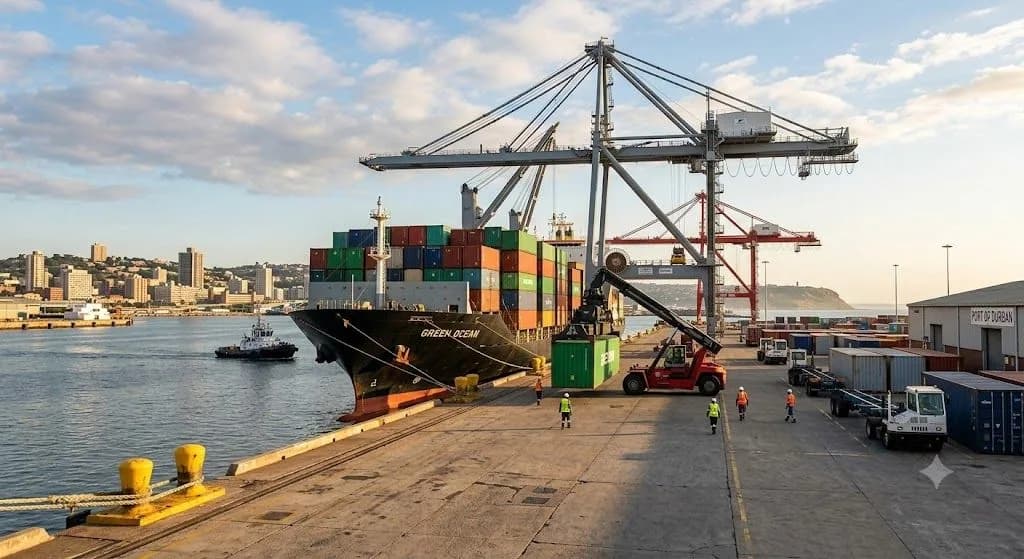
The shipment cleared Durban harbour without a mark on it. The damage happened on the N3, two hundred kilometres inland, when the truck braked hard and a pallet shifted. The importer reached for the marine policy that had covered the sea leg. It had ended at the port.
The goods were the same goods. The journey was one journey, in the importer’s mind. The cover wasn’t one cover, and the line between the two ran through the place the loss happened. Nobody had asked where the sea policy stopped and the road risk began.
What is goods in transit vs marine cargo insurance?
Marine cargo insurance covers a goods owner’s property in international transit by sea or air, under standard Institute Cargo Clauses. Goods-in-transit insurance covers goods moving inland by road or rail, and can sit with either the goods owner or the transporter. The split turns on the journey, and on who the policy pays.
Key Takeaways
- Marine cargo insurance is first-party cover for the goods owner, written on Institute Cargo Clauses, mainly for the sea or air leg.
- Goods-in-transit insurance covers inland road and rail movement, and exists in two forms: goods-owner cover and carrier’s liability.
- The first divider is who the policy pays: the goods owner, or a third party for the transporter’s fault.
- The second divider is the leg: marine cargo runs the international journey; goods-in-transit runs the domestic one.
- Warehouse-to-warehouse cover extends a marine policy inland, but it ends at a defined point, and the gap after it is where claims fall.
- The sales contract and its Incoterms decide whose policy responds. Carrier’s liability also needs trading conditions in force.
What goods in transit and marine cargo insurance each cover

Both cover goods in motion, but they answer from different sides of the same journey. Marine cargo insurance is first-party cover for the goods owner. It pays for loss or damage to the goods themselves, written on the Institute Cargo Clauses. Clause A covers all risks; clauses B and C cover named perils. It runs the sea or air leg and, where extended, the connecting legs. The market treats it as its own line; the IUMI Stats Report tracks cargo separately from hull and liability.
Goods-in-transit cover, in South African usage, runs the inland road and rail movement. It comes in two forms. One is a goods-owner policy that pays the owner for loss in transit. The other is a carrier’s liability policy that answers when the transporter is at fault. The first protects the cargo. The second protects the transporter.
So naming which one applies starts with naming what’s moving, how it’s moving, and whose loss the policy is meant to answer. That’s the same question read three ways, and it sits underneath every point that follows. It also decides what marine cargo insurance covers on the leg in question.
The first divider: who the policy pays
The cleanest way to tell them apart is to ask who gets paid. Marine cargo insurance and a goods-owner transit policy both pay the owner of the goods, regardless of who caused the loss. They are first-party, peril-based cover: the goods are damaged, the owner claims, the policy responds. Fault doesn’t enter the question.
A carrier’s or haulier’s liability policy works the other way. It pays a third party when the transporter is legally responsible for the loss, usually through negligence. It protects the transporter, not the goods. Many goods-in-transit policies say plainly that they aren’t carrier’s liability cover, because the two answer different questions and different claimants.
That difference decides who should hold the cover. A goods owner insuring their own cargo needs first-party cover. A transporter carrying other parties’ goods needs marine liability cover for the liability they take on. Confusing the two leaves the goods owner relying on a policy that only pays when fault is proved, which is not every loss.
The second divider: which leg of the journey
The second divider is the leg of the journey each one runs. Marine cargo insurance runs the international stretch, the sea or air voyage and the handling at each end. Under the Institute Cargo Clauses, the transit clause attaches when the goods leave the origin warehouse and continues through the ordinary course of transit. It ends at the destination named in the policy, or at a defined termination point, whichever comes first.
Beyond that point, the marine cover stops. If the goods continue inland to a warehouse the policy doesn’t name, the road leg runs uninsured unless goods-in-transit cover picks it up. In South Africa the sea carriage that sits behind the marine leg runs through the Merchant Shipping Act 57 of 1951 and the conventions the country applies.
So the location of the loss decides the policy as much as the cause does. A pallet that shifts at sea and a pallet that shifts on the N3 are the same event under two different covers. Only one of them is in force at a time.
Where the contract decides: Incoterms and trading conditions

Which policy responds is set by the contract before the goods move. The sales contract carries an Incoterm, and the Incoterm decides where risk passes between seller and buyer and whose marine cargo policy answers at each stage. Get the Incoterm wrong, or leave it unstated, and two parties can both assume the other insured the leg where the loss happened.
Carrier’s liability runs on a different document. It usually depends on the transporter operating under Standard Trading Conditions or a specific written contract of carriage, approved by the insurer. No trading conditions in force, and the liability cover can fall away. Both marine cargo and goods-in-transit are short-term insurance classes in South Africa, regulated under the Short-term Insurance Act 53 of 1998.
So the work happens before the shipment, not after the claim. Reading the Incoterm and the trading conditions in advance is how Incoterms decide who insures the cargo on each leg. It also decides who carries the loss when one of them moves.
The overlap and the gap between them
The risk isn’t the overlap between the two policies. It’s the gap. A marine cargo policy ends at the port or at a warehouse-to-warehouse termination point. An inland goods-in-transit policy is meant to pick up the road leg from there. When both are in force and aligned, the goods travel covered from the supplier’s door to the buyer’s. When they aren’t, the loss falls into the space between them, which is exactly where the importer on the N3 found it.
Warehouse-to-warehouse cover narrows that gap by extending a marine policy across the connecting legs. It helps, but it still ends at a defined point, and inland destinations past that point sit outside it. An independent broker maps the handover so the two covers meet, working under the conduct standards of the Financial Sector Conduct Authority.
So the question to settle is where one cover ends and the other begins, on the actual route the goods take. That handover is part of the wider marine and cargo programme, and it’s the part most often left unchecked until a claim lands in the gap.
How to tell which one you need
The answer follows from three things: your role, your route, and your contract. A goods owner shipping internationally needs marine cargo cover, extended warehouse-to-warehouse if the goods travel inland at either end. A business moving its own goods between points inside South Africa needs a goods-owner transit policy. A transporter carrying other parties’ goods needs carrier’s liability, with its trading conditions in force.
Most disputes trace back to one of those three being assumed rather than confirmed. The market records where cargo losses come from; the IUMI Major Claims Database tracks cargo losses by cause and severity across contributing insurers. The pattern is consistent: the loss itself is rarely the surprise. The surprise is which policy was meant to answer.
So the practical step is to name the role, trace the route, and read the contract, before the goods move. The importer on the N3 had marine cover and assumed it spanned the chain. The cover followed the wording, and the wording stopped at the port.
What the journey looks like to the policy
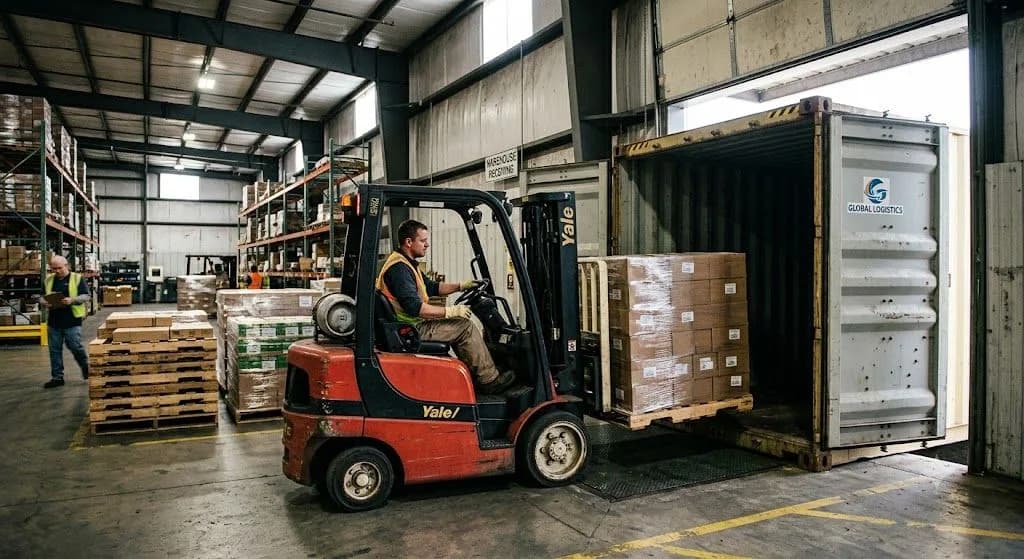
To the importer, the cargo made one journey from the supplier to the warehouse. To the policies, it made several. A sea leg under marine cargo. A port. A road leg under goods-in-transit, or nothing at all. Each policy sees only its own stretch of the route, and each ends where its wording says, not where the goods finally stop. The journey is continuous. The cover isn’t, and the gap between two policies sits exactly where one hands over to the next.
You shouldn’t have to find the gap between your marine and goods-in-transit cover on the side of the N3. With Mont Blanc Financial Services you won’t.
Contact Mont Blanc Financial Services to map your cargo’s full route and confirm which policy answers on each leg, from the supplier’s door to yours.
Importers and transporters tend to raise the same questions once they see the two policies side by side. These come up first.
This article is part of our complete guide to trucking insurance.
Frequently Asked Questions
What is the difference between goods in transit and marine cargo insurance?
Marine cargo insurance covers a goods owner’s property during international transit, mostly by sea or air, under standard Institute Cargo Clauses. Goods-in-transit insurance covers goods moving inland, usually by road or rail within South Africa. The first difference is the leg of the journey each one runs. Marine cargo handles the international stretch and, where extended on a warehouse-to-warehouse basis, the connecting legs. Goods-in-transit handles the domestic road or rail movement. The second difference is who the policy pays. Marine cargo and goods-owner transit cover pay the owner of the goods for loss or damage. A carrier’s liability version of goods-in-transit pays third parties when the transporter is at fault. The practical effect is that a single shipment can move under more than one policy. The point where one ends and the next begins is set by the wording, not by the journey itself.
When does marine cargo insurance apply instead of goods in transit?
Marine cargo insurance applies to the international leg of a shipment, primarily the sea or air voyage and the handling at each end. Under the Institute Cargo Clauses, cover attaches when the goods leave the origin warehouse. It continues through the ordinary course of transit to the destination named in the policy. Where the policy is written warehouse-to-warehouse, it can extend across connecting road or rail legs at either end. Goods-in-transit insurance applies to domestic inland movement that falls outside the marine policy, or after the marine cover has terminated at the port or destination warehouse. The deciding factors are the route and the wording. If the goods are crossing a border by sea or air, marine cargo is the relevant cover. If they are moving between points inside South Africa, goods-in-transit is the cover that responds, unless the marine policy has been extended to reach that leg.
Does goods in transit insurance cover the carrier or the cargo owner?
Goods-in-transit insurance can sit with either party, and the two versions work differently. A goods-owner transit policy is peril-based and pays the owner of the goods for loss or damage during transit, regardless of who was at fault. A carrier’s or haulier’s liability policy protects the transporter, and it responds only when the transporter is legally liable for the loss, usually through negligence. Many goods-in-transit policies state plainly that they are not carrier’s liability cover. In South Africa, carrier’s liability usually depends on the transporter operating under Standard Trading Conditions or a specific written contract of carriage approved by the insurer. Without those terms in force, the liability cover can fall away. The owner of goods who relies on a transporter’s liability policy alone may find it does not respond. Liability cover answers only where fault is established, not for every loss.
Can one shipment need both marine cargo and goods in transit insurance?
Yes, a single shipment can need both marine cargo and goods-in-transit insurance, depending on its route. An imported container may travel by sea under a marine cargo policy, clear the port, and then move inland by road to a warehouse. The marine policy covers the sea leg and, if written warehouse-to-warehouse, may reach the inland delivery. If it terminates at the port, the inland road leg needs goods-in-transit cover to avoid a gap. The risk lies at the handover point, where one policy ends and the next is meant to begin. If neither responds at that point, the loss is uninsured, even though the goods were covered both before and after. Mapping the full route, and confirming where each policy attaches and terminates, is the way to close that gap before a claim tests it.

Nicola Iozzo
Founder & CEO, Mont Blanc Financial Services
Nicola has spent his career reading the policy wording most people skip, and writes here so you don't discover at claim stage what page 14 meant.
This blog is here to inform, not advise. Think of it as a guidebook, not a contract. For decisions affecting your world, have a chat with your broker or financial professional.
Mont Blanc Financial Services (PTY) Ltd. is an authorised financial services provider. FSP 8271