Women in Trucking in South Africa
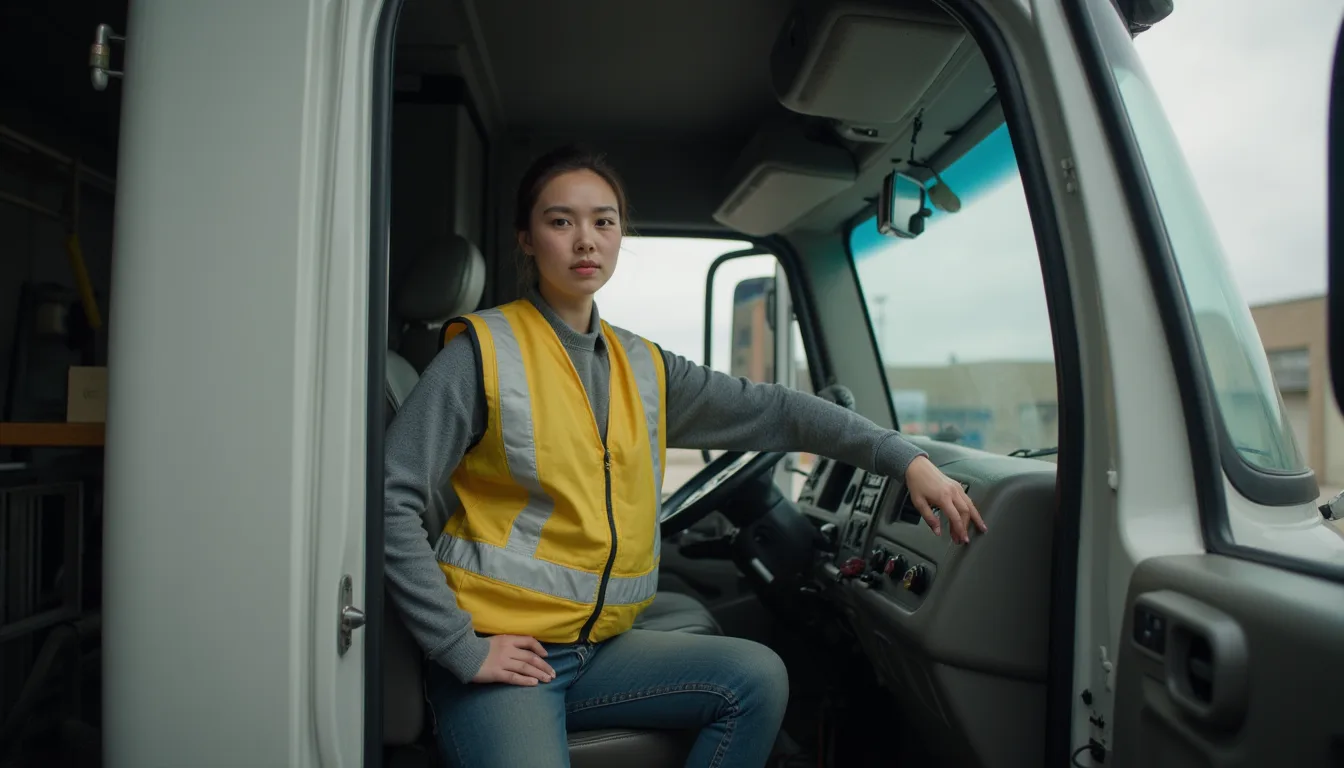
The transport sector has long treated truck driving as a male occupation, and the makeup of South Africa’s fleets reflected that for decades. That picture has been shifting, with women moving into long-haul and local driving, dispatch, route control, workshop management, and compliance. The change matters operationally as much as socially, because it widens the pool of skilled drivers an industry short of them badly needs. The gap between the old assumption and the present reality is closing, slowly.
What is the role of women in trucking in South Africa?
Women in trucking in South Africa refers to the growing presence of women across the transport sector, as long-haul and local drivers, dispatchers, route controllers, workshop managers, logistics planners, and compliance officers. Once largely confined to administrative roles, women now operate vehicles of every class and manage fleet operations.
Key Takeaways
- Women in trucking in South Africa are moving from administrative roles into driving, dispatch, route control, workshop management, and compliance across the sector.
- The shift is widening the pool of skilled drivers in an industry that consistently struggles to find enough of them.
- Women drivers face specific challenges, including personal safety at stops and border crossings, and a shortage of suitable facilities at many truck stops.
- Insurers rate risk on driver record, training, and behaviour, not gender, so an individual driver’s profile, rather than any demographic generalisation, shapes cover.
- Training academies, industry bodies, and forward-thinking fleet owners are opening access that was previously closed.
The Landscape: Women Are Rising in South African Transport
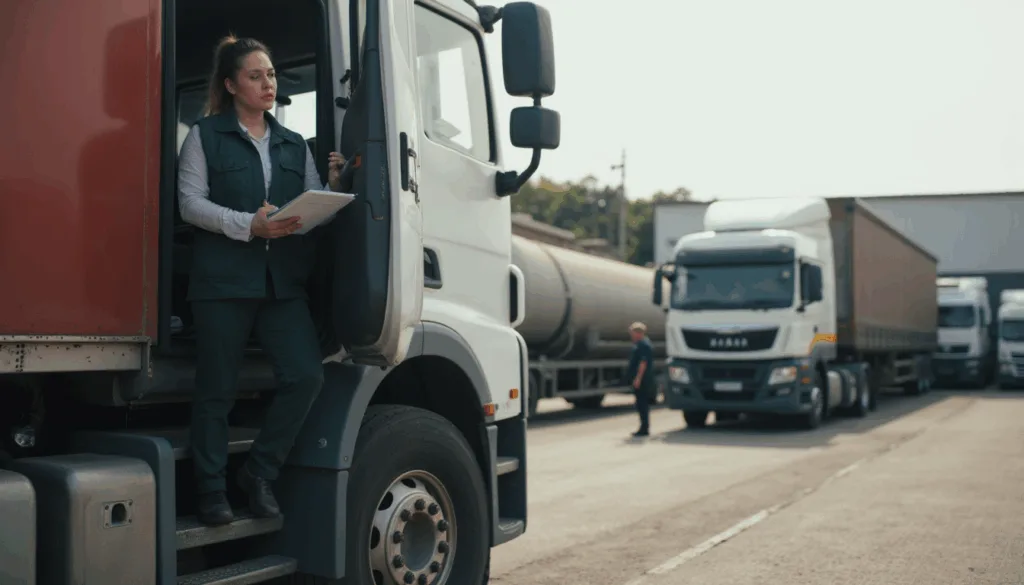
For decades, the stereotype said trucking belonged to men. The roads were their territory, the long nights were theirs to conquer and the gearboxes theirs to abuse. Women were expected to stay in dispatch offices or behind admin desks. But then the industry began to notice something important.
Women drive differently.Women manage risk differently.Women treat a truck like a responsibility, not an ego extension.
South Africa has seen a steady increase in women joining the transport sector as:
- long haul drivers
- local delivery drivers
- dispatchers
- route controllers
- workshop managers
- logistics planners
- compliance officers
- safety trainers
Women drive everything from eight tonners to superlinks. They drive reefers, tankers and tautliners. Some even manage entire depots with the level of efficiency normally found only in Swiss train stations.
The Road Freight Association, various training academies and several forward-thinking fleet owners have opened doors that were previously locked. And the results are impressive.
The Challenges Women Face on SA Roads
Let us not pretend the industry is perfect. Women face challenges that their male counterparts rarely think about.
1. Safety Concerns on High-Risk Routes
Women worry about more than truck hijackings. They worry about personal safety during stops, route delays, rest breaks, and border crossings.
This is why women often prefer structured routes, secure parking and predictable schedules.
2. Lack of Proper Facilities
Many truck stops were not designed with women in mind.Clean bathrooms, safe showers and private spaces are still luxuries.
It should not be this way, but it is improving slowly.
3. Bias and Doubt
Some clients still raise an eyebrow when a woman climbs out of a horse.That eyebrow drops quickly once she reverses into the loading bay like she is docking a spaceship.
4. Physical Demands of the Job
Trucking requires strength, stamina and long focus. Women meet those demands but often have to prove themselves twice as hard before anyone takes them seriously.
The Strength Women Bring to Transport
Every experienced fleet owner knows this by now.When a woman holds the key to a twenty ton asset, the risk department relaxes a little.
Women bring five consistent strengths to trucking.
1. Fewer Reckless Driving Events
Telematics data tells the truth.Women accelerate smoother, brake slower, corner with more care and treat the truck like a living thing that deserves respect.
Insurers love this.Underwriters cherish it.MBFS applauds it.
2. Higher Compliance Discipline
Women read instructions.Women follow SOPs.Women do not treat policy conditions like casual suggestions.
If the insurer says no night driving, she listens.If the contract says supervised loading, she stays.If the tracking team calls, she answers.
These are not stereotypes.These are consistent, measurable behaviours found across fleets.
3. Better Route Discipline
Women avoid unnecessary detours, scenic adventures and mysterious shortcuts that add thirty minutes and three potholes.
Their trips are predictable.Predictability is the strongest risk control in logistics.
4. Calm Under Pressure
If the truck breaks down on the N3, women stay composed.If a client panics about delivery times, women stay polite.If the forklift driver argues about pallet positions, women negotiate calmly.
This reduces claim triggers and relationship friction.
5. Relationship Management
Transport is a people business.Half the work is managing clients, drivers, loaders, controllers, and suppliers.
Women excel here.They de-escalate situations that would turn into disputes.They resolve tension before it becomes a claim.They communicate clearly and respectfully.
Insurers call this “soft skill risk mitigation”.MBFS calls it being a good human.
Real Stories of Women Changing the Sector
Here are three composite stories based on real women in the industry. Their names are changed, but their impact is not.
1. Thandi, the Refrigerated Route Queen
Thandi grew up in Mpumalanga and drove tractors before she drove trucks. She started in FMCG distribution and now runs refrigerated freight between Durban and Gauteng.
Her telematics score is legendary.Her fridge temperature logs are flawless.Her GIT claims are zero.
Her secret?She treats every load like medicine. Even if it is just yoghurt.
Clients request her by name.
2. Maria, the Night Shift Dispatcher Who Runs a Small Universe
Maria manages night operations for a mid-sized fleet. She coordinates drivers, updates clients, handles breakdown calls and tracks route progress with frightening precision.
If a driver misses a checkpoint, she knows.If a client calls, she knows the status.If a truck stops, she knows the coordinates.
Maria has prevented more hijacking attempts than she realises simply by paying attention.
3. Zanele, the Superlink Whisperer
Zanele drives a superlink across the N3 and N1 corridors. She reverses her trailer into spaces that make grown men panic.
Her clients trust her.Her boss trusts her.Her insurer trusts her.
And her maintenance team says she treats her truck better than they treat their own cars.
Why Women in Trucking Make Insurance Cheaper
Insurers do not care about gender.They care about statistical risk.
And the statistics are consistent:Women have fewer claims.Women have fewer reckless driving alerts.Women break fewer things.Women lose fewer loads.
This reduces:
- collision probability
- hijacking exposure
- damage disputes
- loading errors
- GIT complications
- liability claims
- repair downtime
When fleet owners hire women, premiums stabilise and risk reduces.This is not marketing.It is underwriting reality.
What the Industry Needs to Support Women Better
If South Africa wants more women in trucking, the industry must support them properly.
Transporters should consider:
- safer parking areas
- cleaner facilities
- predictable scheduling
- structured routes
- fair recruitment practices
- proper mentorship
- zero tolerance for harassment
- equal opportunity for promotion
Women do not need special treatment.They need equal treatment.And safe treatment.
The Road Freight Association, training academies and several large fleet owners are working on this, but South Africa still has a long way to go.
The Future: Women Will Shape the Next Era of Transport
There is no reason women cannot make up half the trucking workforce in the future. In fact, many fleets are already planning for it because they want:
- better safety profiles
- lower claim frequencies
- stronger compliance
- calmer workplace culture
- improved client interactions
Automation will not replace drivers soon.But diversity will improve operations now.
The future of trucking will not be built by one gender.It will be built by people who care, who drive well and who treat the load, the route and the client with discipline.
Women are already doing that.
How MBFS Supports Women in Trucking
At Mont Blanc Financial Services, We Care means caring about people in the industry, not just the trucks. We support women in trucking by:
- advocating for safer routes
- working with fleets who hire women
- offering risk advice tailored to mixed gender teams
- helping fleet owners structure fair and safe policies
- fighting for claims outcomes that protect everyone
- encouraging training programmes
- celebrating women who excel in logistics
We believe in skill, discipline, kindness and integrity.And we see these values consistently in women who choose the road.
If you are a woman in trucking, or you employ women who keep your fleet moving, we stand with you.
The full picture lives in our guide to trucking insurance.
Frequently Asked Questions
What roles do women in trucking in South Africa fill?
Women in trucking in South Africa fill roles across the entire sector, no longer confined to the dispatch offices and admin desks they were once largely limited to. They work as long-haul and local delivery drivers, operating vehicles of every class from lighter trucks to large superlinks, refrigerated units, tankers, and tautliners. Beyond driving, women serve as dispatchers, route controllers, workshop managers, logistics planners, compliance officers, and safety trainers, and some manage entire depots. This breadth reflects a genuine shift in an industry that historically treated driving and operations as male territory. The change has been supported by training academies, industry bodies, and fleet owners who have opened access that was previously closed. The practical significance is that women now contribute across the operational spine of transport, not just its periphery. For an industry that struggles to find enough skilled people, this widening of the talent pool is an operational gain as much as a social one, and the range of roles women occupy continues to expand.
What challenges do women in trucking in South Africa face?
Women in trucking in South Africa face challenges their male colleagues often do not have to consider, the most pressing of which is personal safety. Beyond the hijacking risk all drivers share, women report concern for their safety during stops, rest breaks, route delays, and border crossings, which is why many prefer structured routes, secure parking, and predictable schedules. A second challenge is infrastructure: many truck stops were not designed with women in mind and lack suitable facilities, which makes long-haul work harder than it needs to be. These are practical obstacles rather than questions of capability, and they shape how women approach the job, favouring arrangements that reduce exposure. Addressing them, through better facilities, secure stops, and thoughtful route planning, would remove barriers that currently limit participation. The challenges are real and worth naming honestly, but they are operational and solvable, not inherent to the work. Recognising them is part of making the industry genuinely accessible rather than nominally open.
Does gender affect insurance for women in trucking in South Africa?
Insurers rate trucking risk on factors such as driver record, experience, training, and behaviour, not on gender, so cover for any driver reflects their individual profile rather than a demographic category. While general observations are sometimes made about driving styles, an insurance assessment of a specific operation looks at the actual drivers, their records, the routes, the vehicles, and the claims history. A clean record, relevant experience, and evidence of safe operation strengthen the risk profile for any driver regardless of gender. It would be misleading to suggest that being a woman, in itself, changes a premium; what changes it is the measurable risk a driver and operation present. For fleet owners, this means hiring and retention decisions are best made on capability and record rather than assumptions, and that the insurance position follows the genuine risk. The reliable principle is that insurers price evidence, not stereotype, and an individual driver’s demonstrated performance is what carries weight in how cover is rated.
How can fleet owners support women in trucking in South Africa?
Fleet owners can support women in trucking in South Africa by addressing the practical barriers that limit participation and by recruiting on capability rather than assumption. The most direct steps tackle the challenges women actually report: providing secure parking and rest stops, planning structured and predictable routes, and improving facilities so that long-haul work is not made harder by infrastructure designed without women in mind. On the operational side, opening recruitment and training genuinely, rather than nominally, widens access to a talent pool the industry needs, and several training academies and fleet owners have already begun doing so. Treating driver hiring and retention as a question of record, skill, and reliability keeps decisions grounded in what matters operationally. Supporting women in the sector is therefore not only a matter of fairness but of practical workforce strategy in an industry short of skilled drivers. The measures involved, safer stops, better facilities, fair recruitment, are concrete and within an operator’s control, and they benefit the operation as much as the drivers.
Closing Thoughts: Women Keep the Wheels Turning
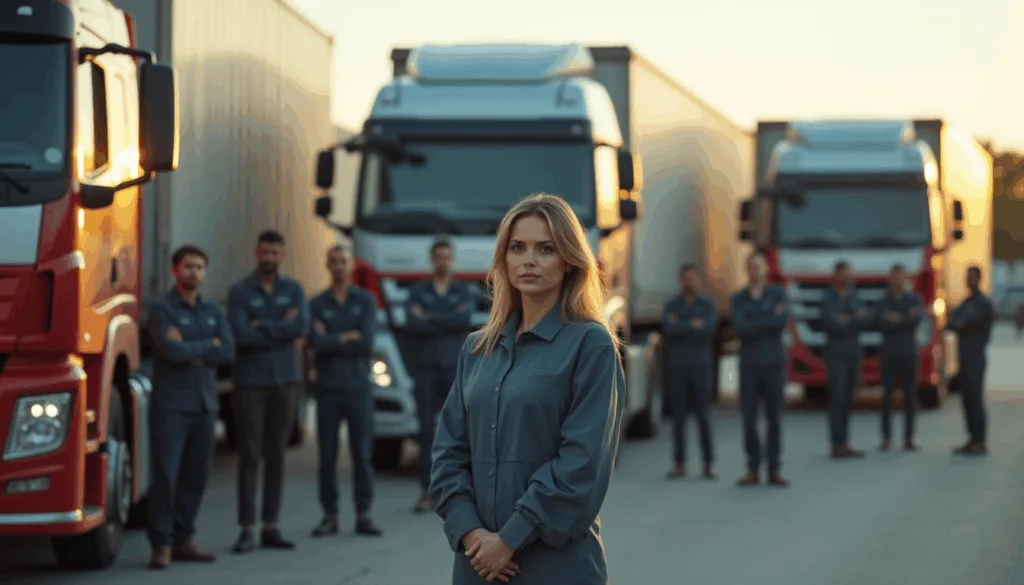
Women in trucking are not remarkable because they are women. They are remarkable because they are skilled, disciplined and committed. South Africa’s transport sector is stronger with them in it.
They deserve recognition, fair opportunity, and safe conditions.And as the industry evolves, they will play an increasingly central role in shaping the culture of logistics.
“You shouldn’t have to navigate fleet risk on assumptions rather than evidence. With Mont Blanc Financial Services you won’t.
Contact Mont Blanc Financial Services to review how your fleet’s drivers and operations are actually rated, on record and risk rather than anything else.”

Nicola Iozzo
Founder & CEO, Mont Blanc Financial Services
Nicola has spent his career reading the policy wording most people skip, and writes here so you don't discover at claim stage what page 14 meant.
This blog is here to inform, not advise. Think of it as a guidebook, not a contract. For decisions affecting your world, have a chat with your broker or financial professional.
Mont Blanc Financial Services (PTY) Ltd. is an authorised financial services provider. FSP 8271