Cheap Truck Insurance in South Africa
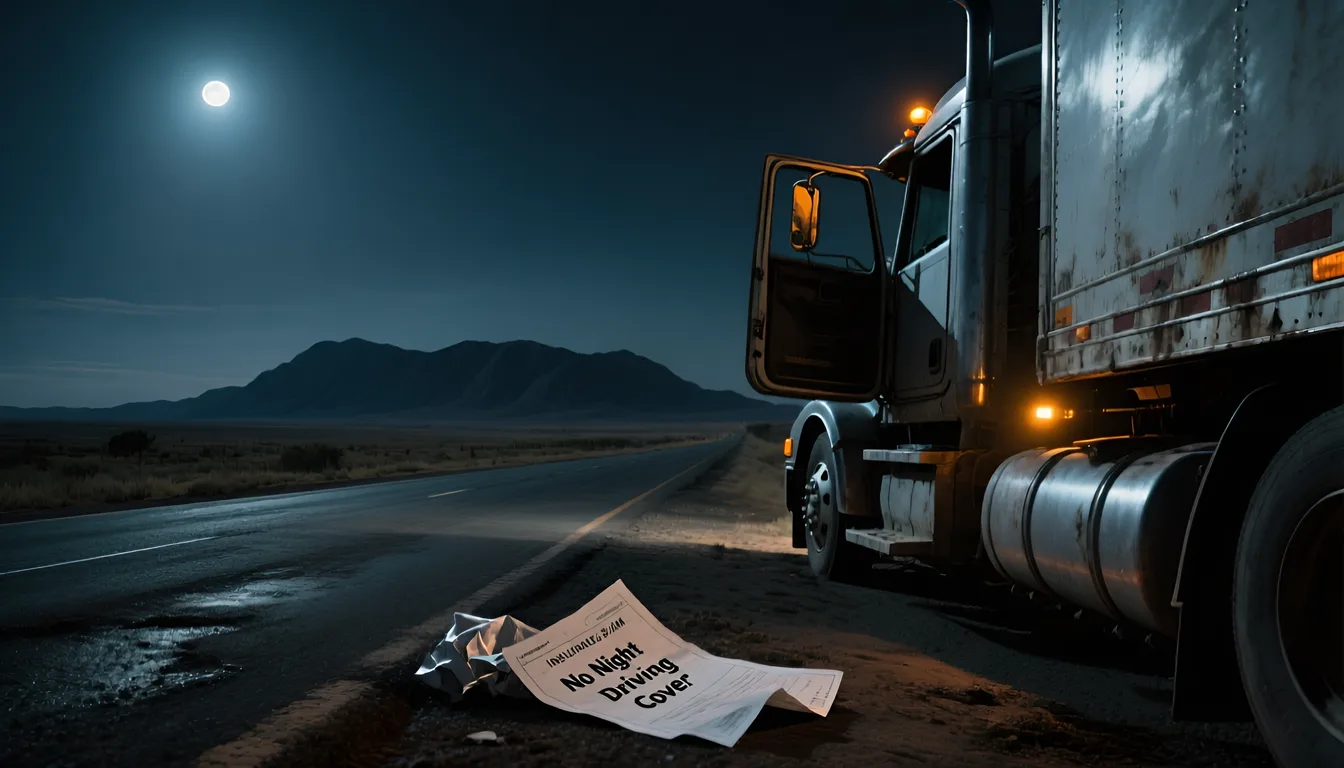
A low truck premium is not a discount on the same cover; it is the same price tag on less of it. Insurers reach a cheaper figure by removing the parts of the policy most likely to be tested: night movement, certain routes, certain loads, realistic security conditions. The operator sees the saving and not the subtraction. The gap only becomes visible when a hijacking at 03:17 meets an exclusion on movement after 22:00, and the claim is declined.
What is cheap truck insurance in South Africa?
Cheap truck insurance in South Africa is a low-premium policy that achieves its price by removing or limiting cover rather than by reducing risk. It typically excludes high-risk periods, routes, or load types, raises excesses, or imposes security conditions few operators can meet consistently. The lower cost reflects protection withdrawn, which surfaces as a declined claim at the worst moment.
Key Takeaways
- Cheap truck insurance is not cheaper cover; it is insurance with pieces missing, priced down by removing protection rather than reducing risk.
- Common exclusions include night-driving restrictions, route exclusions, load-type limits, very high excesses, and limited or removed cross-border cover.
- Night driving is frequently excluded as one of the highest-risk periods, so a movement outside permitted hours can void a hijacking claim outright.
- Strict security and recovery conditions are often set higher than an operator can realistically maintain, creating grounds for rejection.
- Cheap cover can work where the operation genuinely avoids the excluded risks, but only if the operator knows exactly what was removed.
What Cheap Truck Insurance Really Is

Cheap truck insurance is not cheap.It is simply insurance with pieces missing.
Insurers do not randomly drop premiums because they woke up generous. They lower the price by removing parts of the cover, limiting risk areas, increasing excesses, or excluding conditions they know most operators cannot meet consistently.
Cheap insurance is cheap because:
- Tracking requirements are watered down
- Certain routes are excluded
- Certain load types are excluded
- Night driving is excluded
- Excesses are extremely high
- Cross border cover is limited or removed
- Recovery conditions are strict
- Security expectations are unrealistic
- Load limits are not aligned with operations
A cheap policy is like buying a second-hand parachute from a stranger. It works very well until the exact moment you need it.
Exclusions Hidden in the Fine Print
Cheap premiums look good because the exclusions are invisible until something goes wrong. These are the most common exclusions that collapse claims.
1. Night Driving Exclusions
Many cheap policies exclude movement between 22:00 and 04:00.If a truck moves at 03:59, the claim is declined.There is no negotiation.No sympathy.No exceptions for drivers running late.
Night driving is one of the highest risk periods in South Africa. This is why cheap policies remove it.
2. Route Restrictions
Cheap policies commonly exclude:
- N3 Mooi River
- N4 Komatipoort
- Durban Harbour
- R21 OR Tambo corridor
- Certain rural stretches
If your truck travels there and something happens, the insurer rejects the claim on the grounds of an excluded zone.
Most transporters are not told this properly.
3. High Value Load Exclusions
Cheap policies usually exclude:
- Electronics
- Tyres
- Copper
- Alcohol
- Tobacco
- Refrigerated stock
- Pharmaceuticals
These are the exact loads hijackers target most.
This is why cheap insurance will happily take your premium but panic the second you load a pallet of iPhones.
4. Weak Tracking Requirements
Cheap policies often allow tracking devices that:
- Do not immobilise
- Do not have backup power
- Have slow reporting
- Have poor recovery support
- Lose signal in remote areas
During a claim, insurers check tracking logs.If the signal dropped or the device was non-compliant, the claim is rejected.
Cheap insurance makes this part look easy.Real claims make it painful.
Why Cheap Policies Fail Most During Hijackings
Truck hijackings in South Africa follow patterns. Syndicates know where to strike, how to block off vehicles, how to jam signals and how to move fast before law enforcement can respond.
Cheap insurance fails because it relies on outdated tracking, weak immobilisation rules and exclusions that destroy cover the moment a syndicate does what syndicates always do.
Common claim-denial reasons from cheap policies:
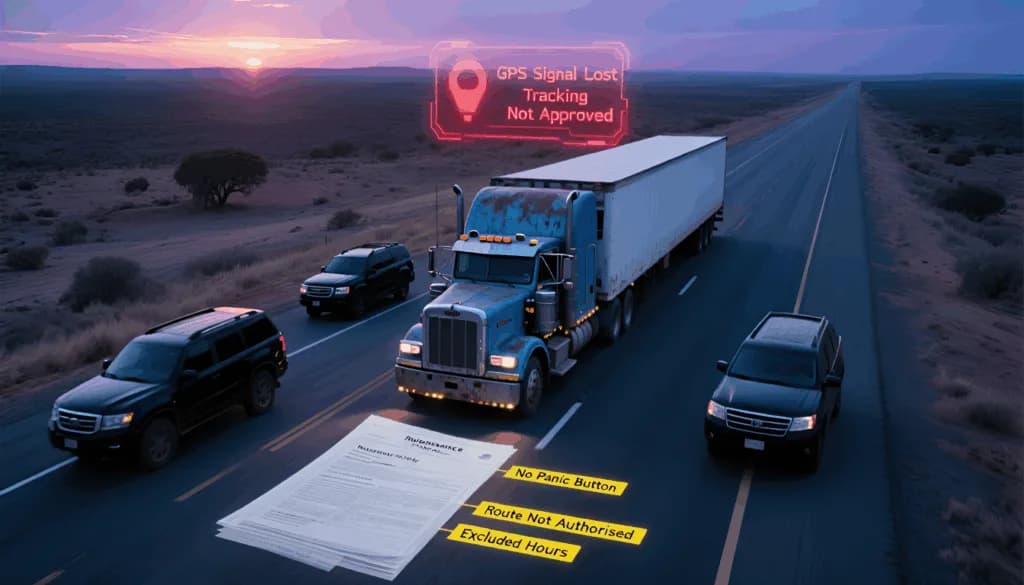
- Tracking not approved
- Single reporting line lost
- No panic button
- No route authorisation
- Hijacking occurred during excluded hours
- Truck stopped in an unsafe location
- Load type incorrectly declared
- High value load exclusion
- Driver not authorised
- Trailer not linked to horse on policy
Every transporter knows at least one colleague who discovered these details after the loss.
The Excess Trap: When the “Cheap” Premium Becomes a Massive Payout
A cheap premium often hides a massive excess.Some examples we have seen:
- Ten percent of the insured value
- R150,000 standard excess
- R250,000 theft excess
- Twenty percent cross border excess
- R300,000 age excess for young drivers
- Fifty percent excess if the tracker is tampered with
Imagine your premium is R8,000 per month.The claim occurs.The excess is R250,000.
Your premium was not cheap.Your policy was expensive.
Cheap insurance is designed to win your business with a low monthly cost while shifting the real cost to the claim stage.
Why Cheap Insurance Fails for Mixed Loads
Mixed loads cause confusion during claims.For example, a truck carrying:
- FMCG goods
- Electronics
- Tyres
- Small machinery
If electronics or tyres are excluded but the rest is covered, the claim becomes a financial puzzle.Insurers may deny the portion involving the excluded load or decline the entire claim because the risk was incorrectly declared.
Cheap policies are not built for logistics operations that change from week to week.
Tracking Failures That Kill Claims on Cheap Policies
Tracking is the backbone of modern risk control. Cheap insurance can afford to be cheap because it relies on cheap tracking systems.
The most common tracking failures:
- No signal for more than five minutes
- Dead backup battery
- No tamper alert
- No live reporting
- GPS not calibrated
- No immobilisation
- Incorrect installation
- No monitoring during night hours
Cheap policies rarely include recovery teams or emergency response integration.This is why hijackers often target fleets with older tracking.They know the recovery odds are low.
The Myth of “Too Good To Be True” Truck Insurance Quotes
A large number of cheap quotes come from brokers who:
- Quote incorrectly
- Quote without correct load information
- Quote without route mapping
- Quote without checking driver age
- Quote without confirming tracking
- Quote without checking previous claims
When the underwriter finally sees the real risk, they:
- Reduce cover
- Increase the premium
- Add exclusions
- Decline the risk entirely
Or worse, they wait until claim stage and apply the undisclosed conditions.
Cheap does not come from genius negotiation.Cheap comes from something removed behind the scenes.
The MBFS Approach: Why Our Clients Pay for Real Cover, Not Hope
Mont Blanc Financial Services avoids cheap insurance because we have seen the fallout.A claim that collapses can close a business.A rejected hijacking claim can end a route.A wrong endorsement can destroy a contract with a major client.
What we do instead:
- Present your risk properly
- Negotiate realistic premiums
- Ensure tracking meets standards
- Explain exclusions clearly
- Check route patterns
- Align load types correctly
- Fight for claims outcomes
- Build a long term relationship with insurers
We believe the policy should pay on your worst day, not your best day.
Our slogan is simple for a reason: We Care.
We care enough to tell you the truth about cheap insurance.
Closing Thoughts: Cheap Is the Most Expensive Lesson in Transport
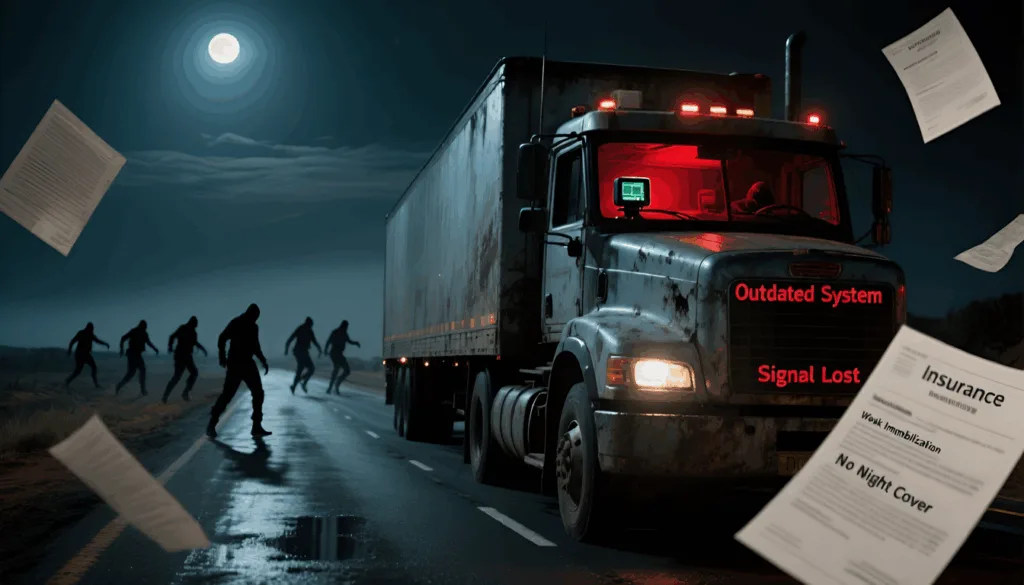
Transport is already unpredictable.Your insurance should not join the chaos.
Cheap truck insurance is built to reduce the insurer’s risk, not yours.It wins your business with a low monthly premium and takes it back when you need help.
A good policy protects you during your worst moments.A cheap policy abandons you when reality arrives.
“You shouldn’t have to read ‘movement after 22:00 not covered’ for the first time after a 03:17 hijacking. With Mont Blanc Financial Services you won’t.
Contact Mont Blanc Financial Services to see exactly what a cheap truck premium removed before you stake a load on it.”
For the bigger picture, start with our full guide to trucking insurance.
Frequently Asked Questions
What does cheap truck insurance in South Africa usually exclude?
Cheap truck insurance in South Africa usually excludes the high-risk elements that make cover expensive to provide. Night-driving restrictions are common, with movement outside permitted hours, often a defined overnight window, falling outside cover entirely. Route exclusions remove protection on specific high-risk corridors, so an incident on an excluded stretch is not paid. Certain load types may be excluded, and cross-border cover is frequently limited or removed. Excesses are often set very high, reducing the insurer’s exposure and the operator’s effective recovery. Security and recovery conditions may be stringent, requiring tracking or measures that are demanding to maintain consistently, and a lapse can void a claim. The specific hours, routes, and conditions vary by policy and should be confirmed against the actual wording. The common thread is that each exclusion targets a real operational risk, which is exactly why removing it lowers the premium. An operator needs to know which of these apply before relying on the cover.
Is cheap truck insurance in South Africa ever a good idea?
Cheap truck insurance in South Africa can be a reasonable choice, but only where the operation genuinely avoids the risks the policy excludes and the operator knows precisely what was removed. If a fleet never moves at night, never runs the excluded routes, and never carries the excluded load types, then cover priced down by removing those elements may fit without leaving a meaningful gap. The danger is buying cheap without understanding the subtraction, assuming a low premium means the same protection at a better price. It does not. The decision should follow a reading of the wording, not the quote, confirming which periods, routes, loads, and conditions are covered and matching them against how the fleet actually operates. Where they align, the saving is real. Where they do not, the policy is a liability disguised as a bargain. The principle mirrors cheap cover in any class: cheap can work, but only as an informed choice about what protection is being given up.
Does cheap truck insurance exclude hijacking?
Cheap insurance may not exclude hijacking outright, but it limits the conditions under which hijacking is covered. For example, many low-priced policies require specific tracking devices with live reporting, backup power, and tamper alerts. If the device fails or loses signal, the insurer may decline the claim. Some policies also exclude hijacking during certain hours or in specific high-risk areas, which are often the exact conditions under which hijackings occur.If the truck stops in an unsafe area, parks outside authorised spaces or deviates from a declared route, the insurer may argue that the incident falls outside the policy conditions. These details matter because hijacking syndicates know when and where transporters are most vulnerable. Cheap policies remove the features that protect you and then place strict limits on the remaining cover. Hijacking is one of the costliest risks in the industry, so high quality insurance is essential.
Why are the excesses so high on cheap policies?
Excesses are high because insurers reduce the monthly premium by shifting the financial risk back to the transporter. A cheap policy might cost R8,000 per month but have a theft excess of R250,000 or more. This means that although the premium seems affordable, the transporter carries the bulk of the liability during a claim. Percentage based excesses can be even more damaging because they scale with the value of the truck.Cheap insurers rely on high excesses to discourage claims and limit their losses. Many transporters only discover the excesses when the claim form is submitted, which creates financial shock. A cheap policy is not designed to protect your cash flow. It is designed to reduce the insurer’s risk by encouraging clients to self-fund part of the loss. High excesses are the hidden cost behind most cheap premiums and can cripple a small or mid-sized fleet.
How can operators lower truck insurance costs without cutting cover?
Operators can lower truck insurance costs safely by reducing the risk the insurer prices rather than by buying a policy with cover removed. Investing in tracking, immobilisers, and secure parking lowers theft and hijacking exposure directly, giving the insurer grounds to charge less for the same protection. Driver training and a clean claims record improve the risk profile over time. Accurate valuation of vehicles and cargo avoids paying for unnecessary cover while preventing the underinsurance that wrecks a claim. Regular policy review keeps the cover matched to the current operation. These measures differ fundamentally from accepting a cheap policy that achieves its price by excluding night driving or high-risk routes: one lowers the premium while keeping the cover intact, the other lowers both. The reliable path is to change the facts the premium is built on, then let the reduced risk justify a lower price. That way the operator pays less for protection that still responds when a loss occurs.

Nicola Iozzo
Founder & CEO, Mont Blanc Financial Services
Nicola has spent his career reading the policy wording most people skip, and writes here so you don't discover at claim stage what page 14 meant.
This blog is here to inform, not advise. Think of it as a guidebook, not a contract. For decisions affecting your world, have a chat with your broker or financial professional.
Mont Blanc Financial Services (PTY) Ltd. is an authorised financial services provider. FSP 8271