Cheap Aviation Insurance South Africa
Is Cheap Aircraft Cover Helping You Fly or Setting You Up to Fall?
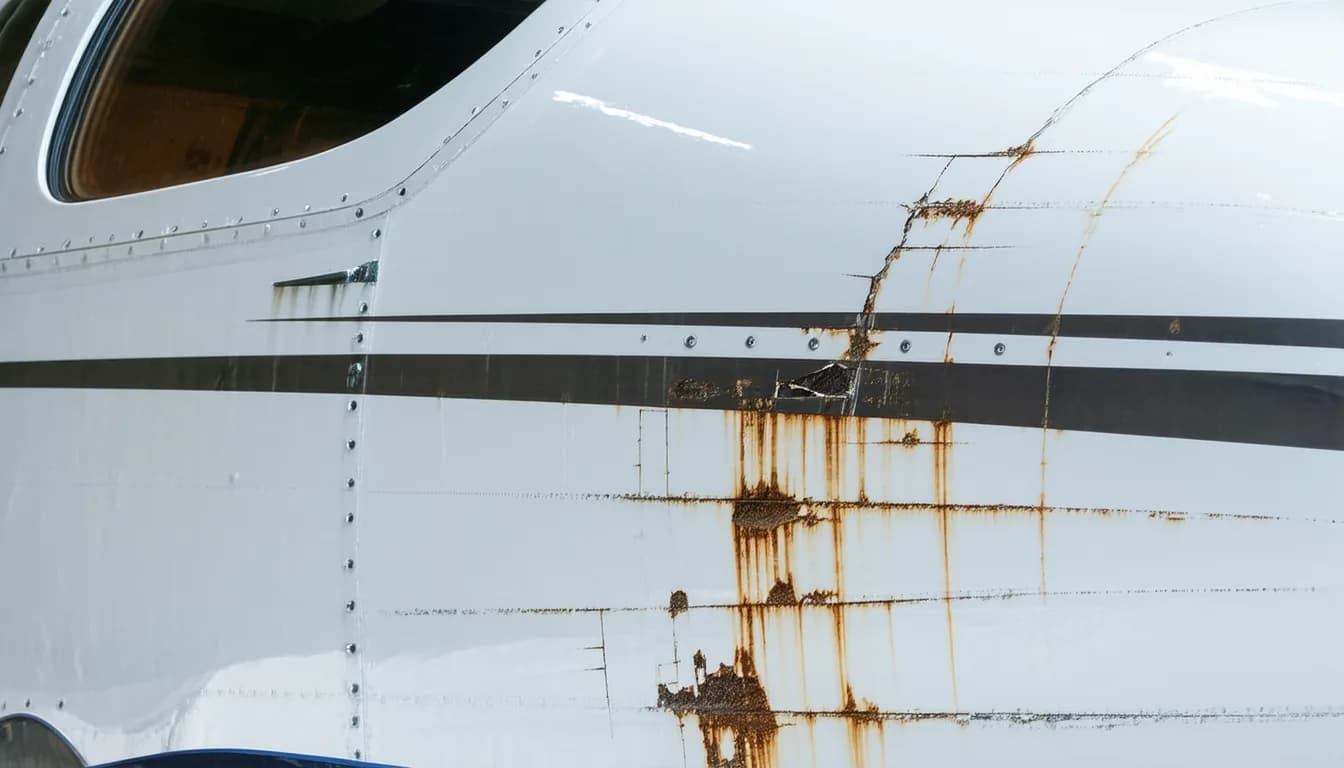
A light aviation premium is reassuring right up to the moment it isn’t. Aviation is the one field where something goes wrong in seconds, and a cheap policy reaches its price by trimming exactly the cover those seconds demand: hull limits reduced, night flying excluded, unregistered strips left out. None of it announces itself. The pilot finds the missing rivet the day a wheel digs into a rough strip and the prop strikes the ground.
What is cheap aviation insurance in South Africa?
Cheap aviation insurance in South Africa is a low-premium aircraft policy that lowers its cost by reducing hull cover, excluding higher-risk operations, or narrowing the conditions of cover rather than by reducing risk. It can suit a tightly defined operation, but the saving usually reflects protection removed. The decisive question is what was excluded to reach the lower price.
Key Takeaways
- Cheap aviation insurance lowers the premium by reducing hull cover, excluding higher-risk flying, or narrowing conditions, not by lowering the underlying risk.
- Common exclusions include night flying, landings on unregistered strips, certain operations, and reduced hull values that fall short of the aircraft’s worth.
- Premiums are calculated on the aircraft, the pilot, and the operation, so a lower price usually reflects narrower rating or cover removed.
- Exclusions surface in seconds in aviation, where an incident leaves no time to discover the relevant cover was never in place.
- Premiums can be lowered safely through pilot experience, maintenance, and accurate hull valuation rather than by deleting cover.
Why Pilots and Aircraft Owners Search For Cheap Aviation Insurance
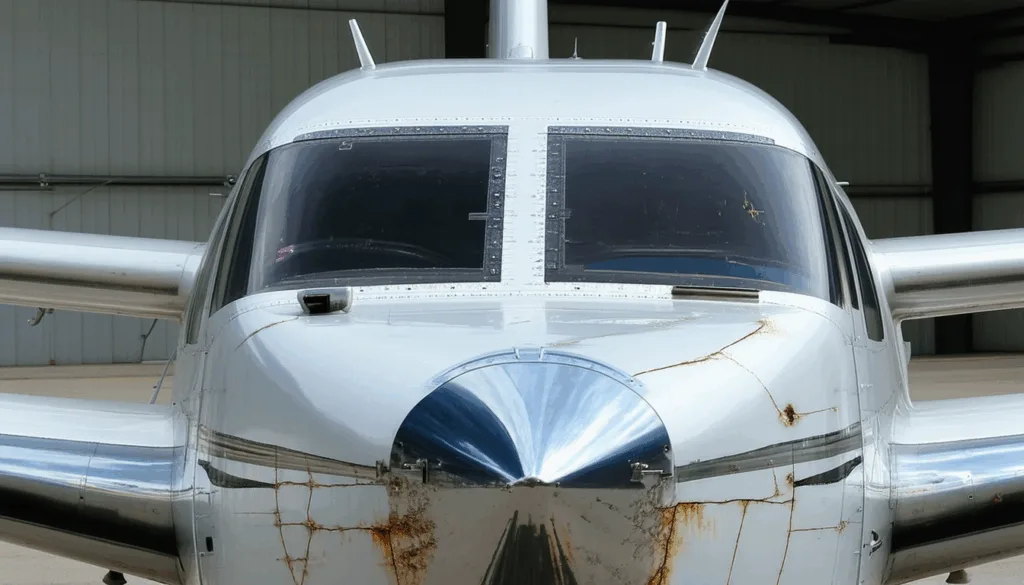
Aviation is expensive even before the aircraft leaves the hangar. Pilots and owners already face a stack of costs that would make most people choose cycling.
Fuel climbs.Hangarage climbs.Maintenance climbs.Avionics upgrades climb.Parts climb faster than fuel.Currency checks take time and money.Licensing is a never-ending item on the calendar.
Aircraft owners watch every cent. They have to. Owning an aircraft is a beautiful privilege and a relentless financial negotiation. So, when renewal season arrives and a broker offers a cheap premium, the moment feels like sunlight in a storm.
Cheap aviation insurance sounds tempting because it offers relief in a world where nothing feels affordable. A few thousand rand saved each month can fund maintenance, flight hours or that oil change you have been delaying since the last exaggerated AMO quote.
But cheap insurance rarely tells you what it removed to become cheap. It does not wave a flag and say hull cover reduced or no night flying included. It simply smiles politely and presents a lower number. Only later do pilots discover what they actually bought.
Aviation does not forgive fine print. A rejected claim is often the most expensive flying lesson any pilot can receive.
What Cheap Aviation Insurance Really Is
Let us be brutally honest. No underwriter is discounting aviation premiums because they felt warm and generous that morning. Aviation is a high-risk sector. Cheap premiums are created by cutting pieces out of the cover. Small pieces. Big pieces. Essential pieces.
Cheap aviation insurance is not cheaper because you are lucky. It is cheaper because:
- night flying is excluded
- instrument flight is excluded
- student pilots are excluded
- charter flights are excluded
- unregistered airfields are excluded
- grass and gravel strips are excluded
- test flights are excluded
- mechanical breakdown damage is excluded
- low time pilots carry doubled excess
- landings off designated runways are excluded
- hull cover is reduced
- cross border cover is removed
- radius restrictions are tight
- excesses are sky high
Cheap aviation insurance is not a discount. It is aviation cover with missing wings. It is a policy designed to collapse the moment risk becomes real.
Insurance companies know where the danger sits. They do not want to pay for the operations that cause most claims, so they quietly exclude those operations and call it affordable.
It is not affordable. It is incomplete.
How Aviation Premiums Are Calculated
Pilots often assume their premium is a mysterious number generated by a person who has never been inside a cockpit. But aviation premiums are logical and calculated with precision. They are built from risk, behaviour and patterns, the same way trucking and marine premiums are.
Insurers price aviation risk based on how likely they are to pay out. Every factor of flight operations influences that calculation.
Aircraft Profile
Just like a tractor or a truck, insurers start with the machine.
They examine:
- type of aircraft
- hours on the airframe
- age
- engine hours
- maintenance history
- hull value
- avionics
- safety features
- usage pattern
A brand-new Cirrus SR22 with advanced avionics is considered safer than an older Cessna 210 that has seen more owners than a second hand Hilux. Premiums reflect this.
High performance aircraft, complex aircraft and higher value hulls cost more to insure. Training aircraft and bush aircraft often attract loadings due to hard landings and terrain exposure.
Pilot Profile
The pilot is the most significant part of the risk calculation.
Underwriters look at:
- total hours
- hours on type
- IF rating
- night rating
- accident history
- claims history
- medical history
- licence validity
- recent flying activity
- type of operations
A pilot with 5,000 safe hours on type, who flies regularly and maintains currency, can halve a premium. A low hour pilot who only flies a few times a year can double it.
Aviation insurance does not price the aircraft. It prices the human being sitting in it.
Operational Environment
The nature of flight operations changes everything.
Low risk:
- private recreational flying
- gentle circuits
- calm weather
- paved runways
Medium risk:
- cross country
- mountain flying
- flying into rural strips
- flight training
High risk:
- charter
- crop spraying
- wildlife surveys
- medical flights
- night flying
- instrument flight
- gravel or grass strips
- coastal turbulence
Cheap aviation insurance becomes cheap by removing the high-risk operations. That is how the premium drops.
Geography and Crime
Insurers know which areas attract aircraft vandalism, unregistered strips, wildlife hazards, harsh weather and poor security.
Aircraft parked outdoors at rural airfields attract loadings.Hangared aircraft in secure airports attract discounts.
The sky may look open but the risk is not equal everywhere.
Hangarage and Security
Where the aircraft sleeps matters significantly.
Cheap premiums often require:
- indoor hangarage
- locked access
- fire suppression
- controlled airfield
- 24-hour patrol
If you park the aircraft outdoors, cheap cover becomes dangerous, because many cheap policies exclude weather damage or vandalism unless the aircraft is properly secured.
Hidden Exclusions That Make Cheap Aviation Insurance Risky
Cheap aviation insurance fails most often because pilots never read the exclusions. Exclusions in aviation are not gentle suggestions. They are strict rules. Many cheap policies are technically impossible to comply with during real flying.
Here are the most common exclusions that cause cheap aviation policies to collapse at claim stage.
No Night Flying
A huge portion of cheap aviation policies exclude flight between sunset and sunrise. One minute after sunset counts as night. If you land late, the insurer can reject the claim.
No Instrument Flight
Even pilots with IF ratings are often excluded from instrument flight under cheap cover. Any claim during cloud, reduced visibility or accidental IMC may be declined.
No Student Pilots
Training flights create a high-risk profile. Many cheap policies exclude students entirely. If you rent your aircraft to a flying school, this is critical.
No Charter for Reward
If you carry paying passengers or cargo under a charter operation, cheap policies will not cover it. Even a single paid flight can void cover.
No Unregistered Runways
Many rural strips in South Africa are unregistered. Cheap policies exclude them. If the aircraft lands on a rough strip or a private farm strip, the claim may be rejected.
No Grass or Gravel Strips
Hard landings and prop strikes occur more frequently on grass and gravel. Cheap insurers remove this risk.
No Test Flights
Post maintenance test flights are common. Cheap insurance excludes them because test flights often expose mechanical faults.
No Mechanical Breakdown Damage
This exclusion frightens pilots. If a part fails and the aircraft suffers damage, the insurer may decline the claim if mechanical breakdown is excluded.
No Off Runway Incidents
If the aircraft veers off the centre line or overshoots, cheap policies may deny the claim.
Low Time Pilot Penalties
Cheap cover often doubles the excess for pilots under 100 hours on type.
Cheap aviation insurance removes the protections pilots assume are automatic. These exclusions are often only discovered at claim stage.
High Excesses: The Hidden Trap Behind Cheap Aviation Cover
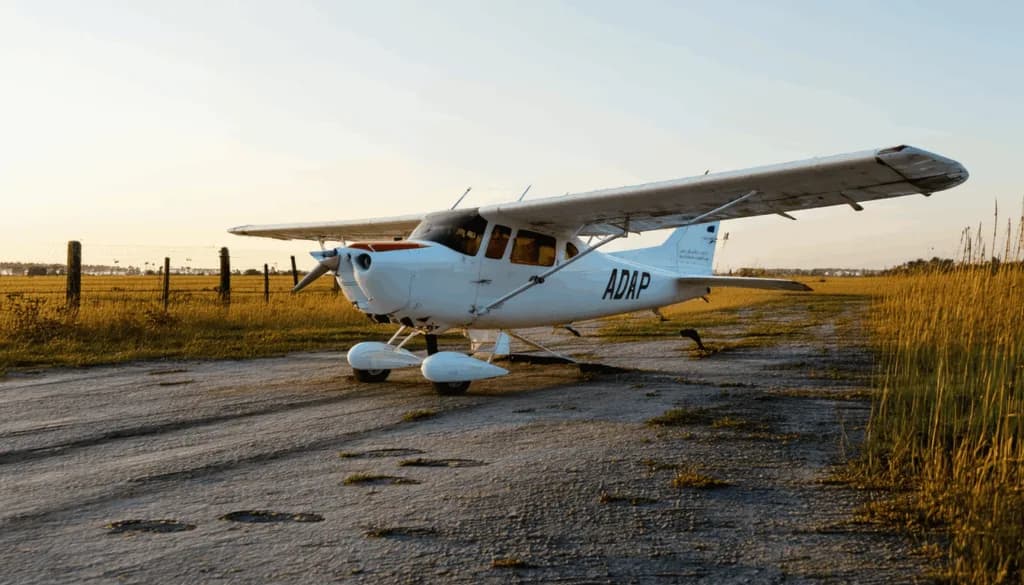
Cheap aviation insurance premiums hide high excesses. Insurance companies are not lowering premiums out of kindness. They are shifting the financial risk onto the pilot.
Common excess traps include:
- percentage based excess
- R100 000 standard excess
- R200 000 hull damage excess
- double excess for low hours
- double excess for off runway incidents
- additional excess for night flying
- special excess for cross border flying
- excess for mechanical breakdown related losses
One pilot discovered his policy came with a 15 percent excess of hull value. He saved R600 a month and gained an excess of R300 000.
Cheap was not cheap.
High excesses are the most dangerous part of low-cost aviation cover. They destroy cashflow faster than a hard landing destroys a nosewheel.
Why Cheap Policies Fail Most During High Activity Seasons
Aviation experiences predictable seasonal spikes where risks increase dramatically.
Cheap policies fail most often during:
- festive season charter rush
- holiday travel
- winter fog
- mountain turbulence season
- student training season
- bush flying season
- coastal summer weather instability
More flights equal more risk. More risk equals more chances of activating an exclusion pilots did not know existed.
Risk is highest when pilots are busiest.Cheap insurance fails when pilots are busiest.These two realities collide every year.
When Cheap Aviation Insurance Can Work
Cheap aviation insurance is not always bad. It can be safe and effective when risk is genuinely low.
Cheap cover can work when:
- aircraft is low value
- no night flying is required
- no IF flying
- no charter activities
- aircraft sleeps in hangar
- pilot has high hours
- operations are predictable
- flights are short and local
- airports are well maintained
- weather is stable
Cheap aviation insurance is suitable for private pilots who fly gently, rarely push limits and want basic cover without unnecessary extras.
Cheap can be safe. The danger is assuming it is safe without checking the rules.
How To Lower Aviation Premiums Safely Without Buying Bad Cover
Lowering premiums responsibly is possible. Pilots can reduce costs without compromising safety by improving risk, not removing cover.
Here are proven methods to reduce premiums safely.
1. Improve Pilot Currency
Insurers reward recency and regular flying.High hour pilots with current ratings get better premiums.
2. Join Safety Programs
Safety courses and voluntary programs reduce risk.Insurers notice this.
3. Install Updated Avionics
Safety improvements include:
- ADS B
- terrain alerts
- modern instruments
- GPS upgrades
Better avionics reduce accident likelihood.
4. Use Proper Hangarage
Aircraft sleeping outdoors attract higher premiums.Hangared aircraft cost less to insure.
5. Maintain the Aircraft Carefully
Document everything.AMO logs matter.Insurers love evidence of responsibility.
6. Avoid Unnecessary Night Operations
Removing night ops lowers risk.Premiums respond.
7. Stick to Safe Routes
Avoid mountain turbulence routes and risky strips.Predictability lowers premiums.
8. Use MBFS to Present Your Risk Properly
Presentation affects pricing.We show insurers the safest version of your flying profile.Premiums drop without compromising cover.
The MBFS Difference: Real Care, Real Cover, Real Aviation Expertise

Aviation insurance cannot be cheap and comprehensive at the same time. Something must be removed to reduce price, and what gets removed is often the thing pilots need most.
MBFS approaches aviation insurance differently.
We do not sell cheap policies that collapse under pressure.We sell correct cover at the lowest safe price.We read exclusions.We check pilot hours.We match policy conditions to real operations.We negotiate radius extensions.We defend aircraft values during claims.We ensure students, instructors or charter operations are reflected accurately.We stand with you when the insurer asks questions.We protect your aircraft, your cashflow and your peace of mind.
Cheap insurance saves you money until the day it costs you everything.We Care enough to prevent that.
Closing Reflection
Cheap aviation insurance is not the enemy. Good intentions wrapped in dangerous exclusions are the enemy. You can fly with basic cover safely if your operations are gentle and predictable. The trouble is that many pilots believe cheap insurance behaves like comprehensive insurance. It does not. It removes risk by removing protection. When the unexpected happens and aviation turns unforgiving, cheap policies collapse.
Your aircraft deserves real protection. Your flying deserves honest advice. Your wallet deserves premiums that make sense without dangerous gaps. MBFS reads the fine print, negotiates the details and protects you from surprises.
“You shouldn’t have to discover ‘landing on unregistered strips not covered’ in the seconds after a prop strike. With Mont Blanc Financial Services you won’t.
Contact Mont Blanc Financial Services to confirm what a cheap aviation premium left out before the aircraft leaves the hangar.”
Frequently Asked Questions
Why is cheap aviation insurance in South Africa risky?
Cheap aviation insurance in South Africa is risky because the saving is achieved by removing cover, and aviation is the field least forgiving of a gap. A cheaper premium typically reflects reduced hull cover, excluded higher-risk operations such as night flying, or narrowed conditions like landings restricted to registered strips only. These removals are invisible until an incident, and in aviation an incident unfolds in seconds, leaving no opportunity to discover that the relevant cover was absent. A wheel digging into a rough rural strip, a prop strike, a hard landing, each can meet an exclusion the owner never registered. The policy performs perfectly until tested, which is the defining pattern of cheap cover. The consequence in aviation is severe because the values involved are high and the margin for error is small. An owner who bought on premium alone can find the hull settlement falls well short of the aircraft’s worth, or the claim is declined outright on an excluded operation.
What does cheap aviation insurance in South Africa usually exclude?
Cheap aviation insurance in South Africa usually excludes higher-risk operations and reduces the hull cover to reach its lower price. Night flying is commonly excluded, as are landings on unregistered or unlicensed airstrips, both higher-risk activities that insurers price heavily or remove. The hull value may be set below the aircraft’s true worth, so a total loss pays out less than replacement requires. Certain types of operation or use may be excluded, and conditions around pilot qualifications, maintenance, or area of operation may be tightened. The exact exclusions vary by policy and should be confirmed against the wording rather than assumed. The common principle is that each exclusion corresponds to a genuine risk, which is why removing it lowers the premium. The exclusions are not buried to deceive; they sit in the wording and define the boundary of the cover. An owner needs to read them against how the aircraft is actually flown, since that is where a cheap policy’s gaps become real.
Is cheap aviation insurance in South Africa ever worth it?
Cheap aviation insurance in South Africa can be worth it for a tightly defined operation, provided the owner knows exactly what was removed to reach the price. If an aircraft is flown only by day, only from registered strips, and only within the conditions the cheaper policy permits, then cover priced down by excluding the operations it never undertakes may fit without a meaningful gap. The risk lies in buying cheap without understanding the subtraction, assuming the lower premium buys the same protection. In aviation that assumption is especially dangerous, given how quickly an incident occurs and how high the values are. The sound approach is to read the wording first, confirm which operations, conditions, and hull values are covered, and match them against the actual flying. Where they align, the saving is genuine. Where they do not, the policy is an exposure waiting for the day it is tested. Cheap can work, but only as an informed decision about what cover is being given up.
How can aircraft owners lower aviation insurance premiums safely?
Aircraft owners can lower aviation insurance premiums safely by improving the factors that drive the rating rather than by deleting cover. Pilot experience and training reduce the risk attached to the operation, and a strong maintenance record signals a well-managed aircraft, both of which insurers reward. Accurate hull valuation matters: insuring the aircraft at its correct value avoids paying for excess cover while preventing the shortfall that leaves a total-loss settlement below replacement cost. Limiting genuinely high-risk activities where they are not needed can also reduce the premium without leaving a gap, since the cover then matches the actual operation. These measures lower the price by lowering the risk, which differs fundamentally from a cheap policy that achieves its premium by excluding night flying or reducing the hull value. One preserves protection while reducing cost; the other reduces both. The reliable route is to change the risk the insurer is pricing, then let the improved profile justify the lower premium.
Because We Care about you being claims ready.

Nicola Iozzo
Founder & CEO, Mont Blanc Financial Services
Nicola has spent his career reading the policy wording most people skip, and writes here so you don't discover at claim stage what page 14 meant.
This blog is here to inform, not advise. Think of it as a guidebook, not a contract. For decisions affecting your world, have a chat with your broker or financial professional.
Mont Blanc Financial Services (PTY) Ltd. is an authorised financial services provider. FSP 8271