Car Repair and Car Hire Cover
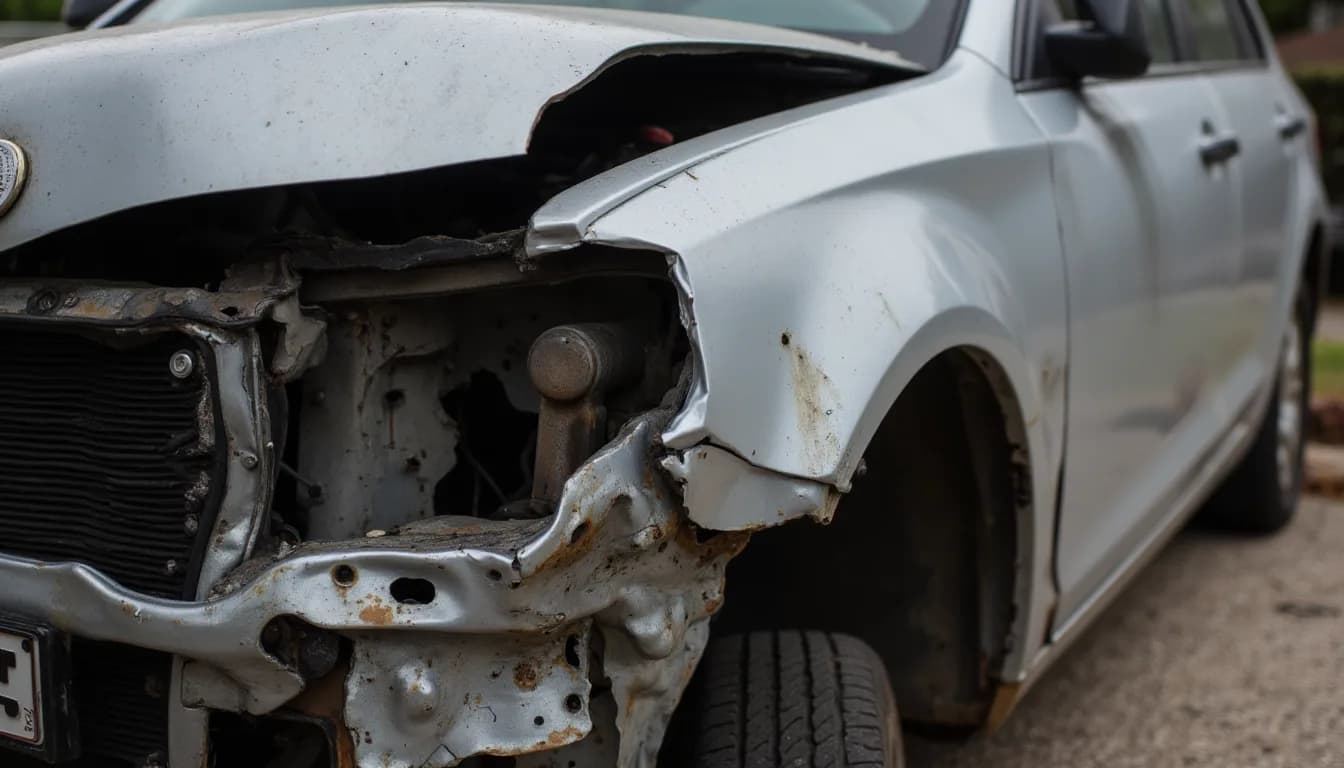
Your car goes in for a repair that should take a week. The insurer approves it, and the rental company hands you a hire car. Then a part is delayed, and the workshop finds more damage. A week becomes three, then five. One morning the rental company phones. Your hire days are used up, and the car must go back today. You look at your policy, wondering why the hire car ran out before the repair did...
What is car hire cover?
Car hire cover is an optional benefit on a car policy. It gives you a hire car while yours is being repaired after a claim, or after it's stolen. It lasts for a set number of days, set by the option you chose. The repair runs on its own timeline. So when the repair takes longer than your hire days, the hire car still ends.
Key Takeaways
- Car hire cover lasts for a set number of days, not until the repair is done.
- Repairs take longer because of parts delays, busy workshops and complex modern cars.
- Hire days may start before work starts, so don't collect the hire car too early.
- Extra damage found during the repair must be approved, which adds days.
- Newer, imported or high-tech cars may need a longer car hire option.
Why car hire cover runs out
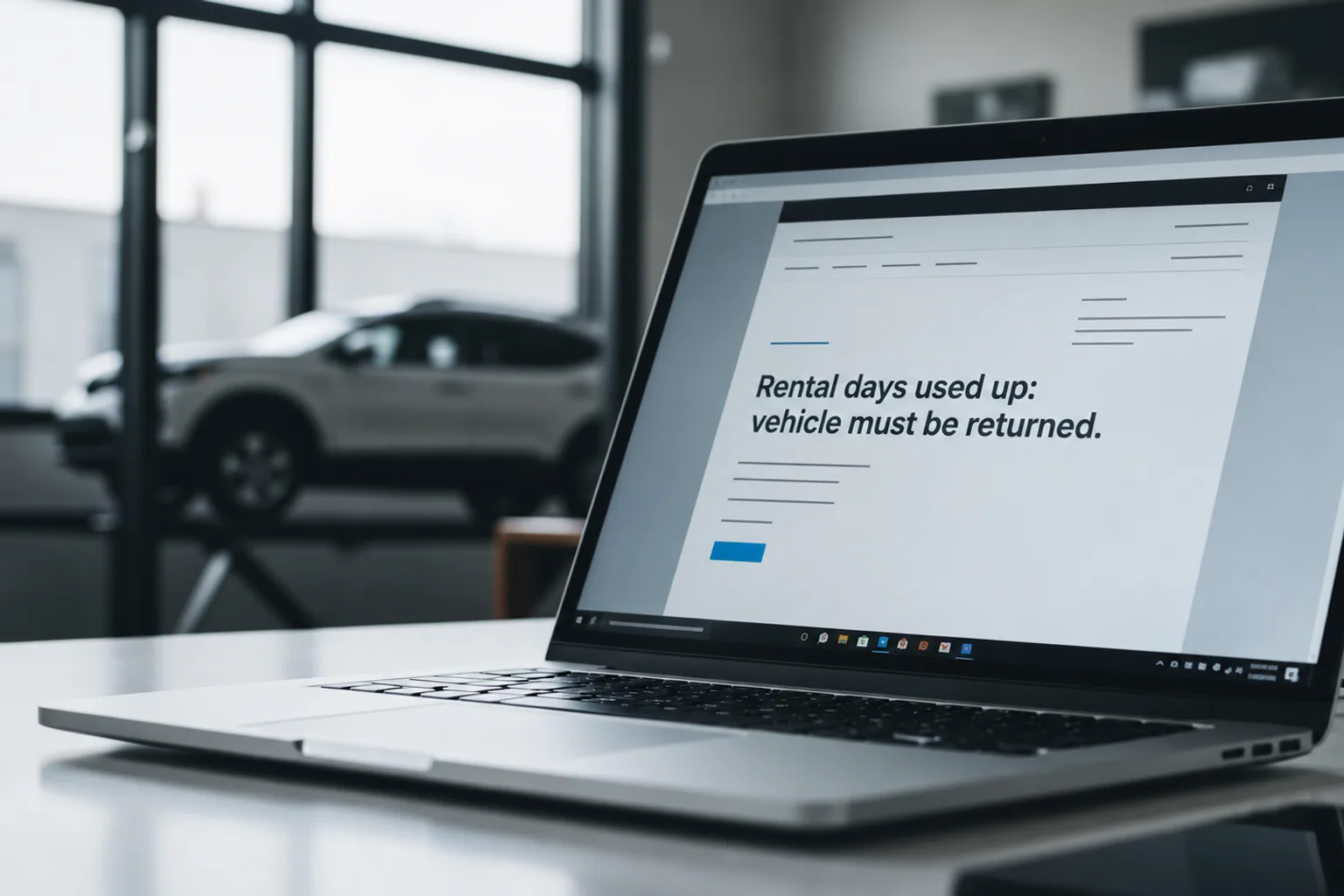
Car hire and repairs run on two different clocks.
If running out of hire days has caught you off guard, that's understandable. Most drivers assume the hire car lasts until the repair is done.
Car hire cover is a separate benefit with a fixed limit. Your policy schedule shows how many days you have. Once those days are used, you pay for any extra days yourself, unless the insurer agrees otherwise.
Your policy should also say when the days start. That might be when you collect the hire car, or when the claim is approved.
The policyholder protection rules say insurers must explain important terms, like benefit limits, before you buy. They apply to individuals, and to businesses with assets or yearly turnover under R2 million. If you're bigger, ask for the terms in writing.
So check your car hire option on your schedule now, before you need it.
Why repairs take longer than car hire cover
Repairs can take longer for many reasons:
- Parts delays. Some parts come from overseas, and shipping takes time.
- Busy workshops. Many panel beaters have long queues.
- Complex cars. Modern cars have sensors, cameras and safety systems that must be checked and set up again after a repair.
- Extra damage. Once the car is stripped, more damage is often found.
- Quality checks. Good workshops test the car before they hand it back.
When extra damage is found, the workshop sends an extra quote. The insurer must approve it before work continues. That can add days.
So ask the workshop for a realistic timeline before the repair starts.
How to make car hire cover last
A few steps can stop hire days being wasted:
- Wait for a start date. Ask the workshop when work will begin. Collect the hire car close to that date, if your policy allows.
- Ask about parts. Ask how long parts will take to arrive.
- Send extra quotes quickly. Ask the workshop to send any extra quote to the insurer the same day.
- Keep your broker updated. Your broker can follow up slow approvals.
- Write down the dates. Then you can see where time is being lost.
Car hire cover: where the days go
| Stage | What can use up hire days |
|---|---|
| Before work starts | Waiting in the workshop queue |
| Waiting for parts | Parts coming from overseas |
| Extra damage found | Waiting for the insurer to approve the extra quote |
| Final checks | Testing and setting up safety systems |
So plan your repair around your hire days, from day one.
Choosing the right car hire cover
Hire options differ in how many days they give and what size of car you get.
A longer option may suit you if you drive:
- a newer car
- an imported brand
- a car with lots of sensors and electronics
- a car you need every day for work
The extra premium for a longer option is often small compared with paying for a hire car yourself. Ask your broker to compare the options.
Disclosure matters too. Under section 53 of the Short-term Insurance Act, a wrong or missing fact can affect a claim, if it would have changed the insurer's view of the risk.
Weigh hire cover as part of your whole personal insurance, alongside car and home cover.
So match your hire days to your car and how much you rely on it.
When car hire cover ends
When your hire days end, the hire car must go back, even if your car isn't ready.
If you keep it, the rental company will usually bill you for the extra days. The insurer is unlikely to pay them.
Before the days run out:
- check the end date with the rental company
- ask the workshop how long the repair still needs
- ask the rental company for a rate, if you want to keep the car at your own cost
- arrange other transport early
So mark the end date in your diary on the first day.
If a repair is delayed too long
Some delays are outside the insurer's control, like parts shortages. Others, like slow approvals, can be followed up.
If you feel the insurer has handled your claim badly, complain to the insurer first. If you still disagree, the National Financial Ombud reviews short-term insurance complaints free of charge.
Keep a record of every call and email, with dates and names.
Repairs often take longest over the festive season. Do your holiday insurance checks before December.
So keep a written record from the day you claim.
Closing Reflection
This time, you check your car hire option before the repair starts. You ask the workshop for a start date and a parts timeline, and collect the hire car when work begins. When extra damage is found, the workshop sends the quote to the insurer the same day, and your broker follows it up. You mark the hire end date in your diary. When the repair runs long, you've already arranged other transport. You look at your policy again, and this time the hire days held no surprises...
You shouldn't have to find out your hire days have run out when the rental company phones. A Mont Blanc broker can count your hire days with you before the car goes to the workshop.
Contact Mont Blanc Financial Services to check your car hire cover before you need it.
Car hire cover raises the same few questions for most drivers. Here are the ones that come up most.
Frequently Asked Questions
Why does car hire cover run out before the repair is done?
Because car hire cover lasts for a set number of days, and the repair runs on its own timeline.
Parts delays, busy workshops and extra damage can make a repair take longer than your hire days.
So check how many days you have before the repair starts.
When do car hire cover days start?
It depends on your policy. They often start when you collect the hire car, which may be before work on your car begins.
That means days can be used while your car waits in a queue.
So ask the workshop for a start date before you collect the hire car.
What happens when car hire cover ends?
The hire car must go back, even if your car isn't ready.
If you keep it, the rental company will usually bill you for the extra days.
So check the end date early and plan other transport.
Should I choose a longer car hire cover option?
It can make sense for newer, imported or high-tech cars, which can take longer to repair.
It also helps if you need a car every day for work.
So ask your broker to compare the cost of each option.
Nicola Iozzo
Founder & CEO, Mont Blanc Financial Services
Nicola has spent his career reading the policy wording most people skip, and writes here so you don't discover at claim stage what page 14 meant.
This blog is here to inform, not advise. Think of it as a guidebook, not a contract. For decisions affecting your world, have a chat with your broker or financial professional. Mont Blanc Financial Services works to keep this content accurate and current, but isn’t liable for decisions made on it alone.
General information, not financial advice. Mont Blanc Financial Services (Pty) Ltd is an authorised financial services provider, FSP 8271.